
 Pregledaj u realnoj veličini
 Pošalji
 Podijeli
 Detalji o umjetničkom djelu
 Vodič
Vodič

 Preuzmi umjetničko djelo
 Slični predmeti
 Rentgenska snimka
 Slide show
 Pitanja i odgovori
 Statistika
Johannes Hevelius, Astronomer


 Prikaži više
Preuzmite datoteku spremnu za tisak koja kvalitom daleko nadilazi web prikaz. Svaka digitalna slika koju prodajemo prosljeđuje se iz visokorezolucijske master datoteke iz naše baze — obično širine od 5.000 do 15.000 piksela — što vam omogućuje tisak velikih dimenzija, precizno izrezivanje ili sigurnu reprodukciju najfinijih detalja.
Nijedna datoteka ne napušta naš studio netaknuta. Digitalni stručnjak uspoređuje boje s izvornim slikama i po potrebi ih ispravlja, a zatim poboljšava jasnoću i detalje pomoću profesionalnih alata za retuširanje — uvijek ostajući vjerni umjetnikovim potezima četkice i stilu. Rezultat je prikaz koji izgleda kao prava slika, a ne kao sken s filtrima.
Odobravanje prije završetka: naš stručnjak šalje sliku e-poštom u roku od 72 sata na vaš pregled. Niste zadovoljni? Zatražite poboljšanja ili ispravke, ili tražite povrat novca ako kvaliteta ne ispunjava vaša očekivanja.
To je kvaliteta na koju se oslanjaju izdavači, dizajn studiji, galerije i tiskare.
Digitalna slika
Preuzmite datoteku visoke rezolucije za osobnu izložbu, tisak i kreativne projekte. ( Prebacite na printove Kupi ručno oslikano djelo)
Uključeno uz svaku narudžbu digitalne slike
Profesionalna digitalna dostava, zajamčena
Odabirom OriginalUniqueArt.com ne dobivate samo sliku – dobivate profesionalno unapređeno digitalno umjetničko djelo, izrađeno s najvećom preciznošću uz jamstvo zadovoljstva. Evo svega što automatski dolazi uz vašu narudžbu:

Brza dostava e-poštom
Vaša digitalna slika visoke rezolucije bit će vam poslana e-mailom u roku od 72 sata od trenutka narudžbe – spremna za neposrednu upotrebu.

Digitalna datoteka poboljšana umjetnom inteligencijom
Vaše umjetničko djelo profesionalno je optimizirano pomoću naprednih AI alata i ručnog uređivanja, čime se osigurava maksimalna razina detalja, oštrine i točnosti boja.

Besplatna doživotna ponovna dostava
Slučajno ste obrisali ili izgubili svoju datoteku? Ne brinite – ponovno ćemo vam je poslati u bilo kojem trenutku, potpuno besplatno.

Bez uvoznih pristojnika – ikada
Uživajte u svojim umjetničkim djelima trenutno, bez carina, pristojbi ili troškova dostave – digitalni downloadi uvijek su oslobođeni poreza.

Jamstvo točnosti boja
Uz pomoć profesionalnih alata i upravljanja bojama, osiguravamo da vaša digitalna slika što vjernije odražava izvorne boje.

Jamstvo zadovoljstva u trajanju od 100 dana
Ako niste zadovoljni svojom digitalnom slikom, revidirat ćemo je ili vratiti 100% iznosa u roku od 100 dana – bez suvišnih pitanja.

100% Jamstvo povrata novca
Niste zadovoljni? Osigurajte puni povrat novca u roku od 100 dana od primitka digitalne datoteke – bez suvišnih pitanja.

Popusti na velike narudžbe
Kupite 3 slike, uštedite 10% - Kupite 5 slika, uštedite 15% - Kupite 10+ slika, uštedite 20%. Odlično za kreativne projekte, galerije i agencije.
Introduction
Daniel II Schultz was a German painter who lived in the 17th century. He is known for his portraits and historical paintings, which often depict important figures from Polish history. One of his most famous works is the painting 'Johannes Hevelius, Astronomer', which is part of the collection of the National Museum in Warsaw, Poland.The Artist
Daniel II Schultz was born in Elbląg, Poland, in 1615. He received his artistic education in Danzig (now Gdańsk) and later traveled to Italy, where he studied the works of Italian masters. In 1648, he returned to Poland and settled in Warsaw, where he became a court painter for King John II Casimir Vasa. Schultz's style is characterized by his use of bright colors and his ability to capture the personality of his subjects.The Painting
Johannes Hevelius, Astronomer is a portrait of Johannes Hevelius, a Polish astronomer who lived in the 17th century. The painting depicts Hevelius holding a celestial globe and looking up at the stars. It is a testament to Hevelius's contributions to astronomy and his passion for the night sky. The painting is an oil on canvas and measures 125 x 97 cm. It is part of the collection of the National Museum in Warsaw, Poland, which has over 800,000 works of art, including paintings, sculptures, and decorative arts. The museum's collection includes works by many famous artists, such as Rembrandt, Leonardo da Vinci, and Raphael.The Significance of the Painting
Johannes Hevelius, Astronomer is an important work of art because it highlights the contributions of Johannes Hevelius to astronomy. Hevelius was a pioneer in the field of observational astronomy and made many important discoveries, including the discovery of several galaxies and the observation of the phases of Venus. The painting is also significant because it shows the importance of science and learning in 17th-century Poland. During this time, Poland was a center of scientific and cultural activity, and many Polish scientists and scholars made important contributions to their fields.Conclusion
Johannes Hevelius, Astronomer is a beautiful and significant work of art that highlights the contributions of Johannes Hevelius to astronomy and the importance of science and learning in 17th-century Poland. The painting is part of the collection of the National Museum in Warsaw, Poland, which has over 800,000 works of art, including paintings, sculptures, and decorative arts. If you are interested in purchasing a hand-made oil painting reproduction of Johannes Hevelius, Astronomer, please visit our website at- Sources:
- Painting by 'Daniel Ii Schultz' | Daniel Ii Schultz:Johannes Hevelius, Astronomer (Muzeum Narodowe (Warsaw, Poland),Oil On Canvas,)
- Painting by 'Daniel Ii Schultz' | Daniel Ii Schultz:King John Casimir II in Polish Costume (Muzeum Narodowe (Warsaw, Poland),Oil On Canvas,)
- Daniel Schultz - Wikipedia
- Painting by 'Olga Bozna Ska' | Olga Bozna Ska:Girl in the Garden (Muzeum Narodowe w Warszawie (Warsaw, Poland),Oil On Panel,)
- Painting by 'Olga Bozna Ska' | Olga Bozna Ska:The Interior (Muzeum Narodowe w Warszawie (Warsaw, Poland),Oil On Panel,)
- Jerzy Gelbard |
- Art Movements 2/2
Pitanja i odgovori
Gdje mogu vidjeti pregled za "Johannes Hevelius, Astronomer"?
Stranica Pregled u prostoru za "Johannes Hevelius, Astronomer" omogućuje vam pregled umjetničkog djela prije narudžbe.
Kako se kontrast i harmonija prepliću u djelu "Johannes Hevelius, Astronomer"?
Koloristička kompozicija djela "Johannes Hevelius, Astronomer" autora Daniel II Schultz spaja Bold kontrast s Softly Mixed Palette harmonijom.
Je li "Johannes Hevelius, Astronomer" u cjelini svjetliji ili tamniji?
"Johannes Hevelius, Astronomer" ima ukupnu svjetlinu od deep_shadow, a njezina luminancija iznosi Dark.
Biografija umjetnika
A Life Immersed in Baroque Splendor
Daniel II Schultz, a name resonating through the annals of Polish Baroque art, was born around 1615 in Gdańsk, a vibrant port city then part of Polish Prussia. Though known by several variations – Jerzy Daniel Schultz, Georg Daniel Schultz, and simply as Daniel Schultz the Younger – his artistic legacy remains unified by an exceptional talent for portraiture and a keen eye for capturing the grandeur of his era. His journey began within the workshop of his uncle, Daniel Schultz the Elder, where he honed foundational skills for approximately five years. This familial apprenticeship provided a crucial springboard, but young Daniel’s ambition extended beyond local boundaries. Following his uncle's passing, he embarked on an enriching period of study in France and the Netherlands from 1646 to 1649, immersing himself in the diverse artistic currents shaping Western Europe. These travels were transformative, exposing him to techniques and styles that would later infuse his own distinctive approach.At the Heart of Royal Patronage
Schultz’s ascent was swift and assured. By 1649, he had secured a coveted position as a private painter to King John II Casimir Vasa, marking the beginning of a long and fruitful relationship with the Polish court. This patronage continued under subsequent monarchs Michael Wiśniowiecki and John III Sobieski, solidifying Schultz’s role as *the* leading artist within Warsaw's royal circles. Around 1660, he returned to Gdańsk, yet maintained strong ties to the court, frequently undertaking commissions in Warsaw, particularly at the magnificent Wilanów Palace. This duality – a rootedness in his hometown combined with consistent engagement with royal projects – defined much of his career. He wasn’t merely a painter *of* the nobility; he was intimately woven into the fabric of their lives and power. His work became inextricably linked to the visual representation of Polish royalty and aristocracy during a pivotal period in the nation's history.A Master of Baroque Expression
Schultz’s artistic style is deeply rooted in the Baroque aesthetic, characterized by rich color palettes, dramatic compositions, and an emphasis on portraying emotion and grandeur. He wasn’t simply replicating likenesses; he was crafting narratives through paint, imbuing his subjects with personality and psychological depth. The influence of masters like Rembrandt is readily apparent, particularly in Schultz's masterful use of light and shadow – a technique known as chiaroscuro – to create dramatic effects and highlight the inner lives of his sitters. The king’s own passion for Dutch paintings also played a significant role in shaping Schultz’s artistic sensibilities. His oeuvre primarily consisted of portraits—of Polish nobility, members of the royal family, prominent Patricians like astronomer Johannes Hevelius—but also included depictions of animals and lively scenes of hunts. Among his most celebrated works are Crimean Falconer of King John II Casimir with his Family (c. 1664), a captivating depiction of Crimean Agha Dedesh and his family, commemorating a diplomatic exchange during wartime; the powerful propaganda portraits of King John II Casimir, showcasing him as a military leader; and the evocative Bielany Portrait, with Kraków burning dramatically in the background. Other notable pieces include the sadly missing *Saint Casimir*, originally intended for the abdicating king and displayed in Paris, and the poignant coffin portrait of John II Casimir, now residing at the Royal Castle in Warsaw as part of a collection honoring Polish monarchs.Legacy and Enduring Influence
Daniel II Schultz stands as one of the most important Baroque painters in Poland, celebrated for his exceptional skill in portraiture and his ability to capture the essence of an era. His portraits offer invaluable insights into the appearance, status, and personalities of Polish royalty and nobility during a time of significant political and social change. His works are now preserved in prestigious institutions worldwide – from the Wawel Castle State Art Collections and the National Museum in Warsaw to the Stockholm National Museum, the Hermitage Museum, and the Gdańsk National Museum—testifying to his enduring artistic merit. Furthermore, Schultz’s influence extended beyond his own brushstrokes; he collaborated with engraver Jeremias Falck, who created numerous prints based on Schultz's paintings, effectively disseminating his artistic vision to a wider audience. He left behind not just a body of stunning artwork but also a legacy that continues to inspire and inform our understanding of 17th-century Polish art and culture. His name remains synonymous with the Baroque splendor of the Polish–Lithuanian Commonwealth.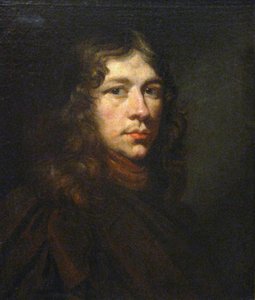
Daniel II Schultz
1615 - 1683 , Poland
Kratki pregled
- Full Name: Daniel II Schultz
- Nationality: Polish-Lithuanian
- Date Of Birth: 1615
- Date Of Death: 1683
- Place Of Birth: Danice, Poland
- Notable Artworks:
- Crimean Falconer
- Bielany Portrait
- Saint Casimir
- Coffin Portrait
- Artistic Movement Or Style: Baroque
- Artists Who Influenced This Artist:
- Rembrandt
- Philippe de Champaigne