

 Pregledaj u stvarnoj veličini
 Pošalji
 Podijeli
 Detalji o umjetničkom djelu

 Preuzmi
 Slični predmeti
 Rentgenska snimka
 Automatska prezentacija
Still Life with Lobster


 Prikaži više
Ručno rađena uljana reprodukcija
Ručno oslikano uljanim bojama na platnu u dimenzijama i okviru po vašem izboru, izrađeno po narudžbi od strane naših umjetnika. ( Kupi print Kupi digitalnu sliku)




P118B $10

P118H $10

P118W $10

P438Z $10

P508JH $12

P508YH $12

P805H $10

P805Z $10

P919BZ $10

P919G $10

P919XJ $10

P959ZH $10

P968JZ $12

W106C $8

W218G $10

W218JH $8

W218Y $10

W307PJ $10

W316G $10

W316PJ $8

W316Y $10

W398PJ $8

W4111J $10

W500HY $15

W500JH $15

W692G $12

W849H $8

W940BG $15

W953PJ $8




Odaberite jednu od naših unaprijed definiranih veličina koje odgovaraju izvornim proporcijama umjetničkog djela.

Možete unijeti vlastite dimenzije kako bi odgovarale određenom okviru ili prostoru. Ako odabrana veličina ne odgovara proporcijama izvorne slike, izrezat ćemo umjetničko djelo ili proširiti sliku dodatnim ručno oslikanim elementima. Digitalni nacrt bit će vam poslan na odobrenje prije početka proizvodnje.
Imajte na umu da pregled na ekranu ne prikazuje stvarno izrezivanje ili proširivanje. Samo će nacrt točno prikazati konačni sastav.
Iako su dostupne prilagođene veličine, preporučujemo odabir dimenzije s preddefiniranog popisa kako bismo očuvali izvorne proporcije.
Nakon narudžbe, tim OriginalUniqueArt.com kontaktirat će klijenta putem e-pošte radi dobivanja uputa te dostaviti probni prikaz (mockup).
Isporuka širom svijeta () u roku od 3-4 tjedna umjesto standardnih 5 tjedana. (21 Kolovoz). Bez kompromisa u kvaliteti.

Besplatna ekspresna dostava širom svijeta

Visokokvalitetno laneno platno

Potpuno osiguranje dostave

Jamstvo povrata carine i uvoznih poreza

Garancija vjernog podudaranja boja

Politika povrata u roku od 60 dana (samo u slučaju nedostataka)

Jamstvo povrata 100% novca

Popust na više proizvoda
 Opcija stakla dostupna je samo za dimenzije manje od 110 cm

Still Life with Lobster
Tehnika reprodukcije
Veličina reprodukcije
-


Ukupna cijena
$ 300
Opis umjetničkog djela
A Symphony of Opulence: The Luminous World of Cornelis de Heem
In the quiet, shadowed corners of the Dutch Golden Age, few artists possessed the ability to command the viewer's gaze with such visceral intensity as Cornelis de Heem. His masterpiece, Still Life with Lobster, is not merely a depiction of food; it is a theatrical performance captured in oil. At first glance, the eye is immediately arrested by the vibrant, fiery orange of a lobster, which sits center stage upon a meticulously rendered table. This creature, though lifeless, possesses a startling vitality that seems to pulse against the surrounding shadows. De Heem’s brushwork achieves a level of precision so profound that one feels an almost tactile urge to reach into the frame, to feel the cool smoothness of the silver cutlery or the delicate, translucent skin of the scattered grapes.
The technical brilliance of this work is inextricably linked to its medium. Painted upon a copper plate—an expensive and demanding support—the artwork benefits from a unique luminosity. The non-porous surface of the copper allows for incredibly fine layers of glaze, which enhances the saturation of the primary tones. This technique results in a breathtaking interplay of red, blue, and yellow that feels fresh and dew-kissed, as if the feast were laid out only moments ago. The artist masterfully balances the heavy, opulent textures of taffeta and mother pearl with the delicate, ephemeral nature of ripening fruit, creating a composition that is rich yet remarkably poised, never allowing the abundance to descend into clutter.
Symbolism and the Vanitas Tradition
Beyond its surface-level beauty, Still Life with Lobster serves as a profound meditation on the fleeting nature of existence. Within the context of 17th-century Dutch culture, such paintings often functioned as vanitas—reminders of the transience of life and the inevitability of decay. While the lemons, grapes, and silver appear eternal in their perfection, they are inherently subject to time. The lobster, though rendered with a lifelike brilliance, is a silent testament to mortality. De Heerm invites the viewer into a sensory feast that simultaneously whispers of the ephemeral nature of earthly pleasures. This duality creates a captivating emotional tension, making the piece much more than a decorative object; it is an intellectual journey through the concepts of luxury and loss.
For the discerning collector or interior designer, this painting offers a timeless elegance that transcends eras. Its ability to anchor a room with its dramatic chiaroscuro—the masterful contrast between deep, velvety shadows and brilliant highlights—makes it an ideal centerpiece for sophisticated spaces. Whether placed in a contemporary gallery setting or a classic study, a high-quality reproduction of this work brings with it the prestige of the Old Masters. It serves as a conversation piece that celebrates the meticulous craftsmanship of the Dutch Golden Age, offering a window into a world where every grape, every drop of moisture, and every glint of silver tells a story of splendor and the inevitable passage of time.
Biografija umjetnika
The Master of Luminous Still Life
Cornelis Jansz de Heem stands as one of the most celebrated figures within the Dutch Golden Age artistic landscape, a painter whose brush possessed the rare ability to breathe life into the inanimate. Born in Leiden, Netherlands, in 1631, he emerged from a family deeply rooted in the artistic traditions of his era. His father, Jan Gerritsz de Heem, was a painter himself, providing Cornelis with an early immersion in the nuances of light and form. This foundational upbringing allowed him to develop a profound sensitivity to the natural world, a trait that would eventually define his legacy as a master of the still life genre.
The trajectory of De Heem’s career was shaped by the vibrant intellectual and artistic currents of the 17th century. His formative years were marked by exposure to the monumental techniques of masters like Rembrandt and Rubens. From the Dutch tradition, he absorbed the dramatic mastery of chiaroscuro—the powerful interplay between deep shadow and brilliant light—which lent his compositions a sense of theatrical depth. Simultaneously, the influence of the Flemish master Rubens infused his work with a certain fleshy vitality and an exuberant approach to color. By the mid-1650s, his relocation to Amsterdam placed him at the heart of a thriving artistic community, where he refined his craft alongside luminaries such as Jacob van Ruysdael and Willem van Delft.
Symbolism and the Vanitas Tradition
De Heem’s artistic output is characterized by an obsessive dedication to detail and a breathtaking sensitivity to color. Unlike many of his contemporaries who sought fame through grand historical narratives or aristocratic portraits, De Heem found profound meaning in the quiet arrangement of objects. His canvases often feature meticulously rendered flowers, succulent fruits, delicate shells, and intricate musical instruments. However, these were far more than mere decorative exercises; they were deeply imbued with the symbolic language of his time.
Many of his works serve as meditations on the vanitas theme—a genre designed to remind the viewer of the transience of life and the inevitability of death. Through the subtle depiction of a wilting petal, a bruised piece of fruit, or an empty glass, De Heem explored the concept of "emptiness" and the fleeting nature of earthly beauty. In masterpieces such as his Vanitas Still-Life with Musical Instruments, he weaves together symbols of human achievement and sensory pleasure with poignant reminders of mortality, creating a captivating exploration of the human condition that resonates far beyond the 17th century.
Technique and Lasting Legacy
The technical brilliance of Cornelis de Heem lies in his ability to manipulate oil paint to achieve unparalleled textures and luminosity. His method involved the painstaking layering of thin glazes upon thinly applied paint, a process that allowed light to penetrate the surface and reflect back, creating a glowing, internal radiance. This technique enabled him to capture the specific tactile qualities of his subjects: the wet sheen on a ripe grape, the hard exoskeleton of a lobster, or the velvety softness of a rose petal.
His compositions are marvels of balance and drama, often utilizing a Baroque sensibility to guide the viewer's eye through a complex arrangement of objects. Whether presenting an opulent display in Still Life with Grapes, Peaches and a Bohemian Glass Goblet or focusing on the striking contrast of a single creature in Still Life with Lobster, De Heem maintained a rigorous control over light and shadow. His historical significance remains undiminished; he did not merely document the abundance of the Dutch Golden Age, but elevated the still life to a high art form capable of expressing the most profound philosophical truths through the simple beauty of the natural world.

cornelis de heem
1631 - 1695 , Netherlands
Osnovne informacije
- Artistic Movement Or Style: Flemish Baroque
- Artists Who Influenced This Artist:
- Rembrandt van Rijn
- Lucas van Leyden
- Date Of Birth: April 8, 1631
- Date Of Death: May 17, 1695
- Full Name: Cornelis Jansz de Heem
- Nationality: Dutch
- Notable Artworks:
- Fruit & Flowers
- Nature morte aux fleurs...
- Vanitas Still-Life
- Place Of Birth: Leiden, Netherlands
Srodni članci

Dutch Baroque Masters: 10 Paintings That Shaped an Era | OriginalUniqueArt
Journey through the Golden Age with our guide to the Top 10 Dutch Baroque masterpieces! Explore iconic paintings by Rembrandt, Vermeer & Frans Hals. Find museum-quality art reproductions and elevate your home decor at OriginalUniqueArt.com.

Golden Age Reflections: Dutch Baroque Painting & Cultural Innovation
Explore the Dutch Golden Age of painting! Discover key artists like Vermeer & ter Borch, their innovative techniques, and the rich cultural context behind these Baroque masterpieces. Learn about collecting & appreciating this iconic art period.
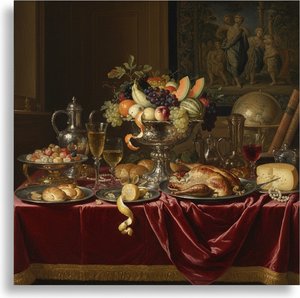
Abraham Hendricksz van Beyeren: Pioneering Dutch Still Life & the Banquet Tradition
Explore the captivating world of Dutch Golden Age still life with Abraham van Beyeren. Discover his innovative techniques, symbolic banquet scenes & lasting influence on art history. Learn about collecting these masterpieces.
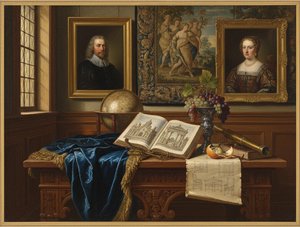
Masterpieces of the 17th Century: Art, History & Decor Inspiration | OriginalUniqueArt
Journey through 17th century art with masterpieces by Rembrandt, Vermeer & Caravaggio. Explore Baroque paintings, Dutch Golden Age techniques & timeless beauty. Find museum-quality reproductions and elevate your home decor on OriginalUniqueArt.com.

Silent Narratives: Exploring the Enduring Appeal of Still Life Painting Across Centuries
Explore the rich history of still life painting with OriginalUniqueArt. Discover Dutch Masters, decode vanitas symbolism & learn about collecting timeless art. Expert insights and museum-quality reproductions.

