
() ·
Tisak izrađen s pažnjom, samo za vas
Giclée / Umjetnički otisak
Giclée tisak muzejske kvalitete ili otisak na platnu uz brzu izradu i raznolike opcije završne obrade. ( Kupi ručno oslikano djelo Prebacite na digitalnu sliku)
Biografija umjetnika
Explore Colin Self's innovative prints & sculptures exploring Cold War politics, surrealism, & pop art. A key figure in 60s printmaking – see his iconic work!
 Prikaži više
od ·
Poglavlje 1
Na kojem mediju želite tisak?
Platno se tiskuje giclée tintama i može se rastegnuti ili uokviriti poput slike; papir dolazi ravno ili uokviren iza stakla.
Poglavlje 2
Koje bi dimenzije trebalo imati?
Povucite kako biste promijenili dimenziju; slika s lijeve strane prikazuje okvir u njegovoj stvarnoj širini. Zadržane su proporcije originala.
Odaberite jednu od naših unaprijed definiranih veličina koje odgovaraju izvornim proporcijama umjetničkog djela.

Unesite potrebnu širinu i visinu kako bi odgovarali vašem okviru ili zidu. Print se može samo izrezati, nikada ne može biti veći od slike, stoga format s drugačijim omjerom stranica uzrokuje gubitak dijela slike. Prije bilo kakve štampe šaljemo vam digitalni prikaz (mockup) na odobrenje. Slika prikazana na ovoj stranici ne prikazuje stvarni rez — to prikazuje isključivo digitalni prikaz.
Poglavlje 3
U kakvom bi stanju trebalo stići?
Odaberite rubove platna
Odaberite svoj okvir

Bijela rubna traka €1

Zamućeni rubovi €1

Prošireno €1

P118B €10

P118H €10

P118W €10

P438Z €10

P508JH €12

P508YH €12

P805H €10

P805Z €10

P919BZ €10

P919G €10

P919XJ €10

P959ZH €10

P968JZ €12

W106C €8

W218G €10

W218JH €8

W218Y €10

W307PJ €10

W316G €10

W316PJ €8

W316Y €10

W398PJ €8

W4111J €10

W500HY €15

W500JH €15

W692G €12

W849H €8

W940BG €15

W953PJ €8

H24-GOLD €30

H24-SILVER €30

H36-GOLD €45

H36-SILVER €45
Uokvireno
Profil: . Ukupna veličina s okvirom: .
Poglavlje 4
Dostava širom svijeta () u roku od 2 tjedna umjesto standardnih 4/5 tjedana. (24 Studeni)
Završni dodir
Pločica s natpisom, kao u muzeju?
Detalji gravirane brončane pločice
This elegant plaque features the artist's name and the title of the artwork, finely engraved for a timeless presentation.
It is made from bronze with a refined, elegant finish. The text is precisely laser-engraved for a sharp and permanent result. Measuring 9x2 cm, the plaque is compact yet easy to read. It's built to be durable and scratch-resistant, offering a professional, museum-quality look. Mounting is simple thanks to the included adhesive backing.
Detalji prozirne akrilne pločice
The plaque includes essential engraved details such as the artist's name, the title of the artwork, the date it was created, the type of media used-like oil on canvas or watercolor-a brief description of the piece, and a QR code that links to the complete artwork information.
It is crafted from clear acrylic, offering a sleek, modern appearance. The text is UV-engraved in black to ensure strong visual contrast. With a size of 10x15 cm, it ensures optimal readability. It comes equipped with two metal hooks for secure wall mounting. The plaque is designed to be weather-resistant, making it suitable for various environments, and it includes interactive features that work seamlessly with smartphone scanning.
Detalji crne akrilne pločice
This elegant plaque includes engraved information such as the artist's name, the title of the artwork, the date it was created, the type of media used (like oil on canvas or watercolor), a short description of the artwork, and a QR code for quick access to more information.
The plaque itself is made from refined black acrylic with a premium finish. The text is laser-engraved in white for high contrast and readability. Its size is 10x15 cm, designed to be easy to read. It comes with two metal hooks for professional mounting. The design is sleek and fits any interior style. It is also weather-resistant and durable, with built-in digital integration for mobile compatibility.
Zaštitni lak?
Kada vam je potrebno?
Poglavlje 5
Vaša tiskanica, upravo onakva kakvu ste naručili

Pluto
Tehnika reprodukcije
Veličina reprodukcije
-

Okvir za reprodukciju
-
-
Za umjetnička djela ili reprodukcije veće od 105 cm (približno 41 inč) na bilo kojoj strani, okvir će biti isporučen u obliku rastavljenog seta za montažu. Ovaj način osigurava sigurnu dostavu i sprječava oštećenja tijekom transporta.
Potrebna je profesionalna montaža – ovo nije proizvod za samostalnu izradu.
Set mora sastaviti i platno zategnuti iskusni profesionalni uokvirivač, koristeći drvno ljepilo (nije uključeno u set), kljeste za zatezanje platna i stege kako bi se održao pravilan kut letvica dok se ljepilo suši. Nepravilna montaža ili neravnomjerno zategnuto platno mogu trajno oštetiti umjetničko djelo, a takva oštećenja nisu pokrivena našim jamstvom.
 Za umjetnička djela ili reprodukcije veće od 105 cm (približno 41 inč) na bilo kojoj strani, okvir će biti isporučen u obliku rastavljenog seta za montažu. Ovaj način osigurava sigurnu dostavu i sprječava oštećenja tijekom transporta.
Sve letvice od punog drveta su uključene, precizno izrezane po mjeri.
Montira se pomoću priloženih vijaka, uz dodatak ljepila za drvo za spojeve u kutovima, koje nije uključeno u set i koje vaš okviraš mora vlastito nabaviti.
Potrebni su profesionalni alati koji nisu uključeni: škripc za zatezanje platna (zatezač) i stezaljke za održavanje pravokonačnosti letvica tijekom sušenja ljepila.
Važno:
Za spojeve u kutovima potrebno je ljepilo za drvo, letvice se moraju pričvrstiti stezgama dok se ljepilo potpuno ne osuši, a za zatezanje platna na sastavljenom okviru potreban je alat za zatezanje platna. Nijedan od ovih alata nije uključen u set. Molimo vas da prije narudžbe ove veličine osigurate uslugu iskusnog profesionalnog uokvirivača.

Natpisna pločica
-
-

Zaštitni lak
Sjajni lak (pojačava intenzitet boja, štiti od svjetlosti i vlage)
-

Hitna dostava
Dostava širom svijeta () u roku od 2 tjedna umjesto standardnih 4-5 tjedana. (24 Studeni)
-
Brza dostava
Dostava širom svijeta () u roku od 4-5 tjedana. (1 Prosinac).
Uključeno u cijenu
Ukupna cijena
€ 72
Opcija stakla dostupna je samo za dimenzije manje od 110 cm
Uključeno uz svaku narudžbu
- Besplatna ekspresna dostava širom svijeta
- Visokokvalitetno laneno platno
- Potpuno osiguranje dostave
- Jamstvo povrata carine i uvoznih poreza
- Jamstvo vjernosti boja
- Politika povrata u roku od 100 dana (samo u slučaju nedostataka)
- Jamstvo povrata 100% novca
- Popust na više proizvoda


 Pregledaj u realnoj veličini

 Pošalji
 Podijeli
 Detalji o umjetničkom djelu
 Vodič


 Preuzmi umjetničko djelo
 Slični predmeti
 Rentgenska snimka
 Slide show
 Pitanja i odgovori
 Statistika
U brojkama
- 29okviri koji možete odabrati
- standardne dimenzije, u vlastitim proporcijama
- 5tjedana za slikanje i dostavu
O izvornom djelu

Ovo djelo je zaštićeno autorskim pravima
Djelo prikazano na ovoj stranici zaštićeno je autorskim pravima, što znači da zakonski ne možemo izraditi niti prodati identičnu reprodukciju. Ova se zaštita provodi u skladu s međunarodnim sporazumima kao što su Bernska konvencija i nacionalnim zakonima, uključujući i one koji su utvrđeni u Američki zakon o autorskom pravu – Title 17.
Kao poštovana i legalna alternativa, nudimo prilagođena, ručno oslikana umjetnička djela inspirirana originalom. Naši vješti i profesionalni umjetnici pažljivo proučavaju stil, raspoloženje i umjetničku bit originala kako bi stvorili novo, jedinstveno djelo koje izaziva isti osjećaj – ostajući pritom vlastito, originalno stvaralaštvo.
Ova metoda u potpunosti je usklađena s autorskim pravima jer ne uključuje kopiranje ili dupliciranje zaštićenih umjetničkih djela. Umjesto toga, riječ je o kreativnoj reinterpretaciji – novoj slici koja je dobila utjecaj na izvornik, ali nije identična njemu.

Colin Self
1941 - , United Kingdom
Brzi pregled o Colin Self
- Artistic Movement Or Style: Pop Art, Printmaking
- Artists Or Movements Influenced By This Artist:
- William Blake
- Richard Hamilton
- Artists Who Influenced This Artist:
- David Hockney
- Peter Blake
- Date Of Birth: 1941
- Full Name: Colin Self
- Nationality: British
- Notable Artworks:
- Nuclear Bomber No.1
- Waiting Women & Bombers
- Leopard-skin Bomber
- Place Of Birth: Rackheath, Norfolk
Biografija umjetnika
Colin Self: A Cold War Visionary and Master of Print
Colin Self (born 1941 in Rackheath, Norfolk) stands as a singular figure in British art – a Pop artist deeply engaged with the anxieties and complexities of the Cold War era. More than simply depicting political events, Self’s work operates on a profoundly psychological level, exploring themes of violence, sexuality, fear, and the unsettling relationship between humanity and technology. His distinctive style, characterized by meticulous draughtsmanship, surreal juxtapositions, and an innovative approach to printmaking, has earned him recognition as “the best draughtsman in England since William Blake,” according to Richard Hamilton. His career, spanning decades, reveals a constant evolution of technique and subject matter, reflecting both his personal experiences and the shifting cultural landscape of Britain and beyond.
Self’s artistic journey began at the Slade School of Fine Art from 1961 to 1963, where he received encouragement for his drawings and collages. Early influences included David Hockney and Peter Blake, artists whose experimentation with form and imagery laid a foundation for Self's own explorations. Crucially, visits to the United States and Canada in 1962 and 1965 proved transformative. Witnessing the Cuban Missile Crisis and participating in CND marches ignited within him a heightened awareness of Cold War politics – a theme that would dominate much of his subsequent work. These experiences fueled the creation of groundbreaking prints like ‘Nuclear Bomber No.1’ (1963), one of the earliest multiple-plate etchings, and paintings such as ‘Waiting Women and Two Nuclear Bombers’ (1962–63). These early pieces demonstrate a willingness to confront difficult subjects with unflinching honesty and a nascent ability to synthesize disparate imagery into unsettling narratives.
The 1960s marked a period of intense experimentation for Self. He worked closely with the Robert Fraser Gallery in London, showcasing his innovative prints alongside those of other leading contemporary artists. His printmaking techniques were revolutionary; he frequently drew images from commercial sources – advertisements, magazines, and even technical diagrams – transforming them into unsettling collages that questioned consumer culture and its relationship to societal anxieties. The ‘Power & Beauty’ series (1968), created at Editions Alecto, exemplifies this approach, utilizing vibrant screenprints to explore themes of beauty, desire, and the manufactured allure of mass media. Simultaneously, he began exploring sculptural forms, most notably his iconic ‘Leopard-skin Nuclear Bomber’ sculptures, which combined a disturbing eroticism with the threat of annihilation – a potent visual metaphor for the era.
Following his 1965 trip to America, Self's work shifted focus. He produced a series of drawings based on American nuclear fallout shelters, Art Deco cinema interiors, and even hot dogs—subjects he described as “as important a 20th-century development as (say) a rocket.” This seemingly incongruous selection reflected his belief in the power of everyday objects to reveal deeper truths about society. During the 1970s, disillusioned with the commercial art world, Self retreated into relative isolation, producing atmospheric watercolours and charcoal drawings of the Norfolk and Scottish landscapes that had shaped his childhood. These works offer a stark contrast to his earlier politically charged prints, revealing a quieter, more introspective side to his artistic practice. His collaboration with German potter Mathies Schwarze during this period further broadened his creative horizons.
The Legacy of Innovation: Printmaking and Beyond
Colin Self’s impact on printmaking is undeniable. He was a central figure in the 1960s boom in printmaking, pushing the boundaries of technique and challenging conventional approaches to image-making. His use of multiple plates in ‘Nuclear Bomber No.1’ demonstrated a mastery of etching that influenced generations of printmakers. He wasn't simply replicating images; he was actively manipulating them, layering textures, and creating complex visual effects. The ‘Prelude to the 1000 Temporary Objects of Our Time’ (1970–71) etching suite stands as a remarkable testament to his commitment to documenting contemporary society – a prescient project that anticipated the potential for widespread destruction.
His later work, particularly from the 1980s onward, continued to evolve and experiment. The ‘Odyssey/Iliad’ series of etchings, completed in the late 1990s, saw him return to his earlier technique of multiple-plate etching, retelling Homer's epic poem with a distinctly contemporary sensibility. This project demonstrated a remarkable ability to synthesize historical narrative with personal reflection and social commentary. His collages from this period, incorporating found imagery and surreal juxtapositions, further solidified his reputation as a visionary artist who consistently challenged viewers to question the world around them.
Themes of Violence, Sexuality, and the Cold War
At the heart of Self’s oeuvre lies a complex exploration of violence, sexuality, and the pervasive anxieties of the Cold War. His work doesn't shy away from confronting uncomfortable truths about human nature – the destructive potential of technology, the allure of danger, and the unsettling relationship between power and desire. The ‘Leopard-skin Nuclear Bomber’ sculptures, for example, are both visually arresting and deeply disturbing, combining a provocative eroticism with the threat of annihilation. Similarly, his drawings of glamorous models often carry an undercurrent of menace, suggesting that beauty can be deceptive and that even seemingly harmless objects can conceal hidden dangers.
The influence of Cold War politics is evident throughout Self’s work, but it's rarely presented in a straightforward or didactic manner. Instead, he uses imagery and symbolism to evoke a sense of unease and uncertainty – prompting viewers to confront their own fears and anxieties about the future. His fascination with American nuclear fallout shelters, for instance, speaks not only to the threat of atomic war but also to the human desire for security and control in an increasingly chaotic world.
A Lasting Influence
Colin Self’s work continues to resonate today, demonstrating his enduring relevance as a critical voice in contemporary art. His innovative printmaking techniques, his willingness to confront difficult subjects with honesty and imagination, and his unique visual style have cemented his place as one of the most important British artists of the 20th century. Richard Hamilton famously described Self as “the best draughtsman in England since William Blake,” a testament to his exceptional technical skill and artistic vision. His legacy extends beyond his own body of work, inspiring generations of printmakers and artists to explore new ways of seeing and representing the world.
Srodni članci

Beyond the Surface: The Raw Power and Provocative Legacy of Aggressive Confrontational Pop Art
Explore the visceral power of Aggressive Confrontational Pop Art. From Warhol's irony to Haring's rebellion, discover how this provocative movement challenges consumerism through bold aesthetics and profound social commentary for the discerning art collector.
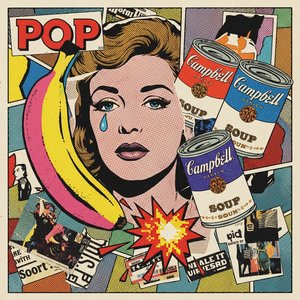
Challenging Conventions: Pop Art's Origins, Evolution & Enduring Legacy
Explore the fascinating history of Pop Art, from its rebellious origins to its enduring influence on contemporary artists. Discover key figures like Warhol & Lichtenstein and learn about collecting this iconic movement.

Fluid Identities: How Art Navigates the Complexities of Gender and Desire
Explore how Pop Art and digital media decode gender fluidity and identity. Dive into the evolution of self through art.
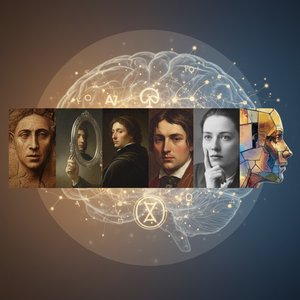
Reflecting the Self: A History of Portraiture & Psychological Insight
Explore the fascinating history of self-portraiture from Renaissance masters like Dürer & Rembrandt to modern interpretations. Discover the psychological insights and artistic techniques behind these iconic works. Expert analysis for art enthusiasts.