

 Pregledaj u stvarnoj veličini
 Podijeli
 Podijeli
 Detalji
 Vodič
Vodič

 Preuzmi datoteku
 Slični predmeti
 Rentgenska snimka
 Slide show
 Statistika
Satiri
 Akril na platnu
- Zidna umjetnost
- Neoclassical Style
 1700
1700 41.0 x 52.0 cm
 Fondacija Calouste Gulbenkian
 Pročitajte više
Giclée / Umjetnički otisak
Giclée tisak muzejske kvalitete ili otisak na platnu uz brzu proizvodnju i fleksibilne opcije završne obrade. ( Naručite ručno oslikano reprodukciju Prebacite na digitalnu prodaju slika)




P118B €10

P118H €10

P118W €10

P438Z €10

P508JH €12

P508YH €12

P805H €10

P805Z €10

P919BZ €10

P919G €10

P919XJ €10

P959ZH €10

P968JZ €12

W106C €8

W218G €10

W218JH €8

W218Y €10

W307PJ €10

W316G €10

W316PJ €8

W316Y €10

W398PJ €8

W4111J €10

W500HY €15

W500JH €15

W692G €12

W849H €8

W940BG €15

W953PJ €8




Odaberite jednu od naših unaprijed definiranih veličina koje odgovaraju izvornim proporcijama umjetničkog djela.

Unesite širinu i visinu koja vam je potrebna, kako bi odgovarali vašem okviru ili zidu. Print se može samo izrezati, nikada ne može biti veći od slike, stoga veličina s drugačijim oblikom gubi dio slike. Šaljemo vam digitalni prikaz (mockup) na odobrenje prije bilo kakve štampe. Slika prikazana na ovoj stranici ne prikazuje stvarni rez — to čini samo digitalni prikaz.
Dostava širom svijeta () u roku od 2 tjedna umjesto standardnih 4/5 tjedana. (24 Listopad)

Besplatna ekspresna dostava širom svijeta

Visokokvalitetno laneno platno

Potpuno osiguranje transporta

Jamstvo povrata carine i uvoznih poreza

Jamstvo vjernosti boja

Politika povrata u roku od 100 dana (samo u slučaju nedostataka)

Jamstvo povrata 100% novca

Popust na više proizvoda
 Opcija stakla dostupna je samo za dimenzije manje od 110 cm

Satiri
Giclée / Umjetnički otisak
Veličina reprodukcije
-


Ukupna cijena
€ 70
Satyrs: A Dance of Myth and Marble
Claude Michel Clodion’s “Satyrs” – a captivating grayscale relief sculpture – transports us back to the late 18th century, capturing the spirit of Neoclassicism with remarkable precision. Executed in 1799, this artwork resides within the prestigious Calouste Gulbenkian Museum in Lisbon, Portugal, offering visitors an unparalleled glimpse into artistic excellence during a transformative period.
- Subject Matter: The sculpture depicts two satyrs – mythological figures from Greek mythology known for their sensual nature and association with Dionysus—engaged in an intimate embrace. Their postures convey both playful exuberance and profound affection, embodying the ideals of beauty and harmony prevalent in Neoclassical art.
- Style & Technique: Clodion’s masterful craftsmanship is evident in his meticulous attention to detail. Employing terracotta – a porous earthenware clay – he skillfully sculpted these figures with remarkable realism, capturing subtle nuances of musculature and drapery. The grayscale palette enhances the sculpture's solemn beauty, emphasizing form and texture rather than color.
- Historical Context: Created during the Napoleonic era, “Satyrs” reflects the artistic sensibilities of a time marked by intellectual revival and admiration for classical antiquity. Artists like Clodion sought inspiration from Greco-Roman sculptures, striving to emulate their grandeur and express moral virtue through idealized representations.
- Symbolism: The satyr’s embrace symbolizes fertility, passion, and the reconciliation between opposing forces – earthly desire and divine contemplation. It speaks to a broader humanist concern for human emotion and experience, aligning with the philosophical currents of Enlightenment thought.
Inspired by the monumental sculptures of Gian Lorenzo Bernini—particularly “Apollo Belvedere”—Clodion’s work exemplifies the Neoclassical movement's commitment to clarity, balance, and idealized form. The sculpture’s serene composition invites contemplation, prompting viewers to consider themes of love, beauty, and human connection.
- Further Exploration: Interested in delving deeper into Clodion’s artistic legacy? Explore his other sculptures at Museum of Fine Arts Springfield, where you can admire masterpieces showcasing his distinctive style.
- Resources: For more information about Clodion and his artistic influences, visit Artnet to discover biographical details, exhibitions, and auction records.
You can also find captivating images of “Satyrs” and other sculptures at Artnet
Pitanja i odgovori
Koja su prava na reprodukciju djela "Satiri" u muzeju Fondacija Calouste Gulbenkian?
Originalno djelo "Satiri" nalazi se u Fondacija Calouste Gulbenkian, a rad je u javnom vlasništvu – autorska prava su istekla.
Za koji prostor sugeriramo "Satiri" autora Claude Michel?
Reprodukcija djela "Satiri" izvrsno se uklapa u Dnevni boravak.
Kako mogu otkriti umjetnička djela slična djelu "Satiri" autora Claude Michel?
Stranica Slična djela za djelo "Satiri" autora Claude Michel prikazuje srodna umjetnička djela.
Biografija umjetnika
The Master of Clay: The Life and Art of Clodion
Born in Nancy, France, the sculptor known to history as Clodion—or Claude Michel—emerged as one of the most captivating figures of the late eighteenth century. His journey into the heart of the French art world began in 1755 when he arrived in Paris, entering the prestigious workshop of his maternal uncle, Lambert-Sigisbert Adam. This early immersion in a lineage of skilled sculptors provided him with a foundation of technical excellence that would later allow him to transcend the boundaries of traditional medium. While many of his contemporaries sought permanence in marble or bronze, Clodion found his true voice in the tactile, intimate world of terracotta.
His development was profoundly shaped by his travels and his encounters with the classical past. After winning the prestigious Prix de Rome, he moved to Italy, where he shared a studio with the renowned Jean-Antoine Houdon. It was during this period that Clodion deeply studied the nuances of antique, Renaissance, and Baroque sculpture. This exposure to the grace of antiquity infused his work with a sense of timelessness, even as he remained firmly rooted in the playful, light-hearted spirit of the Rococo style. He possessed an extraordinary gift for capturing fleeting emotions and dynamic movement within the soft, malleable confines of clay, creating works that felt alive even before they were fully realized.
Mythology and the Spirit of Rococo
Clodion’s oeuvre is a testament to his ability to blend classical mythology with a palpable sense of human vitality. His sculptures often feature mythological figures—satyrs, nymphs, and bacchantes—engaged in scenes of Dionysian ecstasy or tender interaction. In works such as Satyr and Bacchante, one can observe the masterful interplay between earthly passion and idealized beauty. He had a unique talent for modeling musculature with anatomical precision while maintaining an ethereal grace that prevented his figures from feeling heavy or static.
The themes of his work often reflected the era's fascination with the pastoral and the mythological, blending several artistic sensibilities:
- Rococo Elegance: A focus on light-heartedness, charm, and fluid movement.
- Neoclassical Influence: An aspiration for idealized beauty and a deep reverence for Greek and Roman narratives.
- Romantic Sensibilities: An exploration of emotion, instinct, and the primal energy found in nature.
Whether depicting the mischievous deities of Greek mythology or the serene intimacy of a pastoral scene, Clodion’s work captures a moment where primal instinct blends seamlessly with contemplative grace. His mastery of the terracotta medium allowed him to emphasize the tactile qualities of his subjects, creating a sense of warmth and life that remains as captivating today as it was during the height of the ancien régime.

Claude Michel
1738 - 1814 , France
Brzi pregled
- Artistic Movement Or Style: Rococo and Neoclassical
- Artists Or Movements Influenced By This Artist: ['Joseph Charles Marin']
- Artists Who Influenced This Artist: ['Lambert-Sigisbert Adam']
- Full Name: Claude Michel
- Notable Artworks:
- Satyr and Bacchante
- Satyrs
- Nymph and Faun
- The Intoxication of Wine
- Place Of Birth: Nancy, France
- Date Of Birth: 1738
- Date Of Death: 1814
Povezani članci

The Enduring Form: Exploring Themes & Techniques in Sculpture Across Historical Periods
Explore the rich history of sculpture from ancient masterpieces to contemporary innovations. Discover key techniques, influential artists & investment potential for discerning art collectors.

The Enduring Form: Sculpture Across History, Technique & Emotional Resonance
Explore the rich history of sculpture with OriginalUniqueArt. Discover key techniques, influential artists & investment potential for discerning collectors. Expert insights into valuing and collecting timeless masterpieces.

Bronze Age to Modern Masters: 10 Sculptures That Redefined Art | OriginalUniqueArt
Journey through art history with 10 legendary bronze sculptures – from Michelangelo's David to Rodin’s Thinker. Explore the stories, techniques & timeless beauty of these masterpieces. Find museum-quality reproductions & elevate your home decor on OriginalUniqueArt.com.
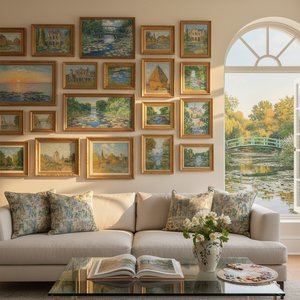
Claude Monet: 25 Remek-djela Impresionizma za Uljepšanje Vašeg Doma | OriginalUniqueArt
Uronite u svijet Claude Moneta s 25 najpoznatijih remek-djela impresionizma. Otkrijte priče iza slika, tehnike i inspiraciju ovog francuskog umjetnika. Kupite visokokvalitetne reprodukcije na OriginalUniqueArt.com i uljepšajte svoj dom!

Bronze Sculptures That Defined Art History | OriginalUniqueArt
Journey through art history with our Top 10 bronze sculptures! Explore masterpieces by Rodin, Michelangelo & more. Discover stories behind iconic statues and find museum-quality reproductions for your home decor at OriginalUniqueArt.com.
