
 Pregledaj u realnoj veličini
 Pošalji
 Podijeli
 Detalji o umjetničkom djelu
 Vodič
Vodič

 Preuzmi umjetničko djelo
 Slični predmeti
 Rentgenska snimka
 Slide show
 Q&A
Q&A Statistika
Marietta

- 27.0 x 27.0 cm


 Prikaži više
Giclée / Umjetnički otisak
Giclée tisak muzejske kvalitete ili otisak na platnu uz brzu izradu i raznolike opcije završne obrade. ( Kupi ručno oslikano djelo Prebacite na digitalnu sliku)




































Odaberite jednu od naših unaprijed definiranih veličina koje odgovaraju izvornim proporcijama umjetničkog djela.

Unesite potrebnu širinu i visinu kako bi odgovarali vašem okviru ili zidu. Print se može samo izrezati, nikada ne može biti veći od slike, stoga format s drugačijim omjerom stranica uzrokuje gubitak dijela slike. Prije bilo kakve štampe šaljemo vam digitalni prikaz (mockup) na odobrenje. Slika prikazana na ovoj stranici ne prikazuje stvarni rez — to prikazuje isključivo digitalni prikaz.
Dostava širom svijeta () u roku od 2 tjedna umjesto standardnih 4/5 tjedana. (1 Studeni)

Besplatna ekspresna dostava širom svijeta

Visokokvalitetno laneno platno

Potpuno osiguranje dostave

Jamstvo povrata carine i uvoznih poreza

Jamstvo vjernosti boja

Politika povrata u roku od 100 dana (samo u slučaju nedostataka)

Jamstvo povrata 100% novca

Popust na više proizvoda
 Opcija stakla dostupna je samo za dimenzije manje od 110 cm

Marietta
Giclée / Umjetnički otisak
Veličina reprodukcije
-


Ukupna cijena
€ 71
Biografija umjetnika
Clark Fay: A Visionary of Shadows and Intimacy
Clark Fay (1894-1956) remains a compelling enigma within the landscape of early 20th-century American art, a figure whose work defies easy categorization yet resonates with a profound sense of unease and psychological depth. Born in La Crosse, Wisconsin, and later associated with Atlanta’s Clark Atlanta University Art Museum, Fay's artistic journey was marked by a deliberate departure from prevailing trends, forging a unique style characterized by stark contrasts, geometric simplification, and an unsettling exploration of the human condition. His oeuvre, though relatively small, offers a poignant glimpse into a mind grappling with isolation, mortality, and the complexities of modern existence.
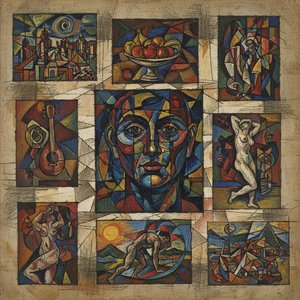
Fay’s artistic development unfolded during a period of significant social and intellectual upheaval. The early 20th century witnessed rapid industrialization, urbanization, and the rise of psychoanalysis – forces that profoundly impacted artists' perceptions of reality. Influenced by movements like Cubism and Expressionism, yet retaining a distinctly personal vision, Fay sought to capture not merely external appearances but also the internal landscapes of his subjects. His early work demonstrates an interest in architectural forms and spatial relationships, evident in pieces such as “Marietta,” a striking grayscale portrait that utilizes fragmented planes and sharp angles to create a sense of disorientation and psychological tension. The painting’s deliberate lack of color amplifies this effect, lending it the atmosphere of a dream or memory.
- Early Influences: Fay's artistic sensibilities were shaped by his exposure to European art movements during his time in Europe, particularly the works of Picasso and Braque.
- Geometric Abstraction: A key element of Fay’s style is his embrace of geometric abstraction, often employing simplified forms and precise lines to convey emotional states.
- Psychological Depth: His portraits are not simply representations of physical likenesses but rather explorations of inner lives, revealing vulnerability, anxiety, and a sense of detachment.
The Haunting Portraits of Welcome Bar and Crier at Chantilly
Two particularly arresting works – “Welcome Bar” and “Crier at Chantilly” – exemplify Fay’s distinctive approach to portraiture. “Welcome Bar,” painted in stark black and white, depicts a figure consumed by distress, rendered with unsettling detail and an almost photographic realism. The composition is dominated by the subject's slumped posture and averted gaze, conveying a profound sense of isolation and despair. The painting’s power lies not in its beauty but in its unflinching portrayal of human suffering.
"Crier at Chantilly," similarly, presents a scene of quiet desperation. The figure, shrouded in shadow, seems to be delivering a message of doom or warning. Fay's masterful use of light and dark creates a dramatic interplay between visibility and obscurity, mirroring the subject’s own internal struggles. The painting’s title suggests a sense of foreboding, hinting at an impending tragedy or a hidden truth.
These portraits are not romanticized depictions of human experience; they are raw, honest explorations of vulnerability and psychological turmoil. Fay's ability to capture such intense emotion through seemingly simple forms is a testament to his artistic skill and perceptive understanding of the human psyche.
A Life Beyond the Canvas: Clark Fay’s Dual Existence
Beyond his artistic pursuits, Clark Fay led a surprisingly multifaceted life. Records indicate he was also a real estate developer and politician in Hiawatha, Iowa, serving as mayor from 1950 to 1963. This dual existence—the contemplative artist versus the civic leader—suggests a complex personality grappling with conflicting desires and responsibilities. Interestingly, biographical accounts reveal an enduring fascination with spirituality and the paranormal, leading him to report numerous experiences of out-of-body phenomena.
The details surrounding Fay’s personal life remain somewhat shrouded in mystery, adding to his enigmatic appeal. His later years were spent in Atlanta, where he continued to paint and explore his interests in the occult. His work reflects a deep engagement with themes of mortality, isolation, and the search for meaning—themes that resonate powerfully across time and cultures.
Legacy and Historical Significance
While Clark Fay’s output was relatively modest, his impact on American art is significant. His pioneering use of geometric abstraction and his unflinching exploration of psychological themes anticipated later developments in Expressionism and Surrealism. His work stands as a testament to the power of art to confront difficult truths and illuminate the complexities of human experience.
Fay’s paintings are now housed in collections such as the Art Institute Collection and the Clark Atlanta Museum, ensuring that his unique vision will continue to be appreciated by future generations. His legacy lies not only in his artistic achievements but also in his willingness to challenge conventional notions of beauty and representation, offering a profound and unsettling reflection on the human condition.

Clark Fay
1894 - 1956
Osnovne informacije
- Full Name: Fay Marvin Clark
- Nationality: American
- Date Of Birth: 1894
- Date Of Death: 1956
- Place Of Birth: La Crosse, Wisconsin
- Notable Artworks:
- Marietta
- Welcome Bar
- Crier at Chantilly
- Artistic Movement Or Style: Realism Painting
Srodni članci

Mikhail Larionov: Rayonism, Primitivism & the Dawn of Russian Avant-Garde Painting
Explore the revolutionary art of Mikhail Larionov & the Russian Avant-Garde. Discover Rayonism, Primitivism's influence, and his lasting impact on modern painting. Expert insights for collectors.

David Burliuk: A Pioneer of Russian Avant-Garde & His Enduring Legacy
Explore the revolutionary art of David Burliuk, a key figure in Russian Avant-Garde & Cubo-Futurism. Discover his impact on painting, poetry, and design with OriginalUniqueArt.
Cubist Expressionism's 10 Defining Masterpieces | Art for Your Home
Explore 10 defining Cubist Expressionism masterpieces by Picasso, Braque & more. Discover the stories behind these bold, geometric paintings and bring museum-quality art to your home with OriginalUniqueArt.com. Explore the full collection online.

The New Avant-Garde: Deconstructing Your Personal Legacy into a Geometric Masterpiece with AI Cubism
Transform your cherished photographs into avant-garde masterpieces with OriginalUniqueArt’s AI Cubism service. We merge cutting-edge technology with traditional oil painting to create bespoke, geometric legacies for the discerning collector. Experience museum-quality artistry and timeless elegance.

Breaking Tradition: A Definitive Guide to the Evolution of Early Modernism and the Avant-Garde
Explore the transformative era of Early Modernism. From Cézanne's Post-Impressionism to the radical Russian Avant-Garde and Cubism, discover how masters broke tradition to redefine art history through our expert-led guide for collectors and enthusiasts.