
() ·
A print made for you, with care
Giclée / Umjetnički otisak
Giclée tisak muzejske kvalitete ili otisak na platnu uz brzu izradu i raznolike opcije završne obrade. ( Kupi ručno oslikano djelo Prebacite na digitalnu sliku)
Biografija umjetnika
Ciro Ferri (1634-1689) was a leading Italian Baroque sculptor & painter, Pietro da Cortona's chief pupil. Known for grand manner frescoes, religious altarpieces like St. Ambrose Healing the Sick, and designs for books. Explore his legacy!
 Prikaži više
od ·
Poglavlje 1
On which medium should it be printed?
Canvas is printed with giclée inks and can be stretched or framed like a painting; paper comes flat, or framed behind glass.
Poglavlje 2
Koje bi dimenzije trebalo imati?
Povucite kako biste promijenili dimenziju; slika s lijeve strane prikazuje okvir u njegovoj stvarnoj širini. Zadržane su proporcije originala.
Odaberite jednu od naših unaprijed definiranih veličina koje odgovaraju izvornim proporcijama umjetničkog djela.

Unesite potrebnu širinu i visinu kako bi odgovarali vašem okviru ili zidu. Print se može samo izrezati, nikada ne može biti veći od slike, stoga format s drugačijim omjerom stranica uzrokuje gubitak dijela slike. Prije bilo kakve štampe šaljemo vam digitalni prikaz (mockup) na odobrenje. Slika prikazana na ovoj stranici ne prikazuje stvarni rez — to prikazuje isključivo digitalni prikaz.
Poglavlje 3
U kakvom bi stanju trebalo stići?
Odaberite rubove platna
Odaberite svoj okvir

Bijela rubna traka €1

Zamućeni rubovi €1

Prošireno €1

P118B €10

P118H €10

P118W €10

P438Z €10

P508JH €12

P508YH €12

P805H €10

P805Z €10

P919BZ €10

P919G €10

P919XJ €10

P959ZH €10

P968JZ €12

W106C €8

W218G €10

W218JH €8

W218Y €10

W307PJ €10

W316G €10

W316PJ €8

W316Y €10

W398PJ €8

W4111J €10

W500HY €15

W500JH €15

W692G €12

W849H €8

W940BG €15

W953PJ €8

H24-GOLD €30

H24-SILVER €30

H36-GOLD €45

H36-SILVER €45
Uokvireno
Profil: . Ukupna veličina s okvirom: .
Poglavlje 4
Dostava širom svijeta () u roku od 2 tjedna umjesto standardnih 4/5 tjedana. (21 Studeni)
Završni dodir
Pločica s natpisom, kao u muzeju?
Detalji gravirane brončane pločice
This elegant plaque features the artist's name and the title of the artwork, finely engraved for a timeless presentation.
It is made from bronze with a refined, elegant finish. The text is precisely laser-engraved for a sharp and permanent result. Measuring 9x2 cm, the plaque is compact yet easy to read. It's built to be durable and scratch-resistant, offering a professional, museum-quality look. Mounting is simple thanks to the included adhesive backing.
Detalji prozirne akrilne pločice
The plaque includes essential engraved details such as the artist's name, the title of the artwork, the date it was created, the type of media used-like oil on canvas or watercolor-a brief description of the piece, and a QR code that links to the complete artwork information.
It is crafted from clear acrylic, offering a sleek, modern appearance. The text is UV-engraved in black to ensure strong visual contrast. With a size of 10x15 cm, it ensures optimal readability. It comes equipped with two metal hooks for secure wall mounting. The plaque is designed to be weather-resistant, making it suitable for various environments, and it includes interactive features that work seamlessly with smartphone scanning.
Detalji crne akrilne pločice
This elegant plaque includes engraved information such as the artist's name, the title of the artwork, the date it was created, the type of media used (like oil on canvas or watercolor), a short description of the artwork, and a QR code for quick access to more information.
The plaque itself is made from refined black acrylic with a premium finish. The text is laser-engraved in white for high contrast and readability. Its size is 10x15 cm, designed to be easy to read. It comes with two metal hooks for professional mounting. The design is sleek and fits any interior style. It is also weather-resistant and durable, with built-in digital integration for mobile compatibility.
Zaštitni lak?
Kada vam je potrebno?
Poglavlje 5
Your print, as you ordered it

Untitled
Tehnika reprodukcije
Veličina reprodukcije
-

Okvir za reprodukciju
-
-
Za umjetnička djela ili reprodukcije veće od 105 cm (približno 41 inč) na bilo kojoj strani, okvir će biti isporučen u obliku rastavljenog seta za montažu. Ovaj način osigurava sigurnu dostavu i sprječava oštećenja tijekom transporta.
Potrebna je profesionalna montaža – ovo nije proizvod za samostalnu izradu.
Set mora sastaviti i platno zategnuti iskusni profesionalni uokvirivač, koristeći drvno ljepilo (nije uključeno u set), kljeste za zatezanje platna i stege kako bi se održao pravilan kut letvica dok se ljepilo suši. Nepravilna montaža ili neravnomjerno zategnuto platno mogu trajno oštetiti umjetničko djelo, a takva oštećenja nisu pokrivena našim jamstvom.
 Za umjetnička djela ili reprodukcije veće od 105 cm (približno 41 inč) na bilo kojoj strani, okvir će biti isporučen u obliku rastavljenog seta za montažu. Ovaj način osigurava sigurnu dostavu i sprječava oštećenja tijekom transporta.
Sve letvice od punog drveta su uključene, precizno izrezane po mjeri.
Montira se pomoću priloženih vijaka, uz dodatak ljepila za drvo za spojeve u kutovima, koje nije uključeno u set i koje vaš okviraš mora vlastito nabaviti.
Potrebni su profesionalni alati koji nisu uključeni: škripc za zatezanje platna (zatezač) i stezaljke za održavanje pravokonačnosti letvica tijekom sušenja ljepila.
Važno:
Za spojeve u kutovima potrebno je ljepilo za drvo, letvice se moraju pričvrstiti stezgama dok se ljepilo potpuno ne osuši, a za zatezanje platna na sastavljenom okviru potreban je alat za zatezanje platna. Nijedan od ovih alata nije uključen u set. Molimo vas da prije narudžbe ove veličine osigurate uslugu iskusnog profesionalnog uokvirivača.

Natpisna pločica
-
-

Zaštitni lak
Sjajni lak (pojačava intenzitet boja, štiti od svjetlosti i vlage)
-

Hitna dostava
Dostava širom svijeta () u roku od 2 tjedna umjesto standardnih 4-5 tjedana. (21 Studeni)
-
Brza dostava
Dostava širom svijeta () u roku od 4-5 tjedana. (28 Studeni).
Uključeno u cijenu
Ukupna cijena
€ 72
Opcija stakla dostupna je samo za dimenzije manje od 110 cm
Uključeno uz svaku narudžbu
- Besplatna ekspresna dostava širom svijeta
- Visokokvalitetno laneno platno
- Potpuno osiguranje dostave
- Jamstvo povrata carine i uvoznih poreza
- Jamstvo vjernosti boja
- Politika povrata u roku od 100 dana (samo u slučaju nedostataka)
- Jamstvo povrata 100% novca
- Popust na više proizvoda


 Pregledaj u realnoj veličini

 Pošalji
 Podijeli
 Detalji o umjetničkom djelu
 Vodič


 Preuzmi umjetničko djelo
 Slični predmeti
 Rentgenska snimka
 Slide show
 Pitanja i odgovori
 Statistika
U brojkama
- 2013godina nastanka
- 29okviri koji možete odabrati
- standardne dimenzije, u vlastitim proporcijama
- 5tjedana za slikanje i dostavu
O izvornom djelu


Ciro Ferri
1633 - 1689, Italy
Brzi pregled o Ciro Ferri
- Full Name: Mary Beale Cradock
- Nationality: English
- Date Of Birth: 1633
- Date Of Death: 1689
- Place Of Birth: Rome, Italy
- Notable Artworks:
- Discourse on Friendship
- Observations on Apricots
- Artistic Movement Or Style: Portrait painting
- Artists Who Influenced This Artist:
- Sir William Sanderson
- Sir Peter Lely
- Artists Or Movements Influenced By This Artist: ['Later Stuart']
Biografija umjetnika
The Grandeur of the Roman Baroque: The Life and Legacy of Ciro Ferri
In the vibrant, sun-drenched streets of 17th-century Rome, a period defined by theatricality and divine light, Ciro Ferri emerged as a master of the High Baroque. Born in 1633, Ferri was not merely a participant in the Roman art scene but a vital successor to one of the era's most monumental figures. As the chief pupil of Pietro da Cortona, Ferri inherited a visual language of sweeping movement, exuberant color, and architectural grandeur. His early years in the studio of Cortona provided him with more than just technical proficiency; they instilled in him a profound understanding of how to compose vast, celestial narratives that could transform the ceilings of churches and the walls of palaces into windows onto the divine.
Ferri’s artistic development was characterized by a seamless blend of his master's classical elegance with a more personal, emotive intensity. While he remained deeply rooted in the Cortonesque tradition of light-filled compositions, his work often displayed a unique sensitivity to human drama and biblical pathos. This is perhaps most evident in his religious altarpiements, where the divine meets the earthly through masterful use of chiaroscuro and dynamic figure arrangements. His ability to navigate the complexities of large-scale fresco painting allowed him to leave an indelible mark on the Roman landscape, contributing to the very fabric of the city's spiritual and aesthetic identity.
Mastery of Composition and Sacred Narrative
The breadth of Ferri’s oeuvre reflects a remarkable versatility, ranging from delicate drawings to monumental oil paintings and expansive frescoes. His works often serve as profound meditations on sacred history, capturing moments of intense spiritual significance with a theatrical flair that invites the viewer into the scene. In masterpieces such as Holy Family, Rest on the Flight into Egypt, one observes a serene yet powerful use of light that cradles the figures in a sense of eternal peace, showcasing his ability to balance the monumental with the intimate.
Beyond the quietude of certain biblical scenes, Ferri was equally adept at capturing tension and movement. His depictions of complex narratives, such as The Reconciliation of Jacob and Laban, demonstrate a sophisticated command over composition, utilizing dramatic lighting and classical detail to guide the eye through a labyrinth of human emotion and divine providence. Even in his preparatory works, such as his Design For Spandral Decoration, the artist’s talent for expressive line work and theatrical lighting is palpable, revealing the meticulous planning required to execute his grandest visions.
Historical Significance and Artistic Heritage
Ciro Ferri’s importance extends far beyond his individual achievements; he acted as a crucial bridge in the evolution of the Roman Baroque. By refining and disseminating the stylistic innovations of Pietro da Cortona, he helped ensure the continuity of the grand manner during a period of significant artistic transition. His influence can be traced through the works of subsequent generations of painters who sought to capture the same sense of movement and luminous splendor that defined his career.
Today, the legacy of Ciro Ferri remains a cornerstone of 17th-century art history. His contributions to the decorative programs of Rome's most significant religious sites continue to inspire awe, reminding us of an era when art was used to bridge the gap between the mortal and the infinite. Through his mastery of color, light, and narrative, Ferri did not just paint scenes; he constructed worlds of profound beauty and spiritual depth that continue to resonate with collectors and historians alike.
Srodni članci
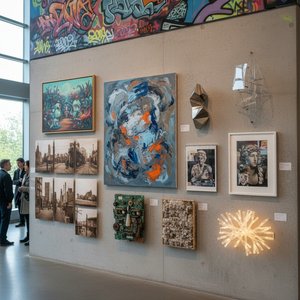
Defining Art Now: Top 10 Masterpieces of '08-Contemporary & Beyond | OriginalUniqueArt
Explore 10 defining masterpieces of contemporary art – from Jeff Koons to Yayoi Kusama. Discover the stories behind iconic paintings & sculptures, and find museum-quality reproductions for your home at OriginalUniqueArt.com. Explore the full collection online!

10 Iconic Graphite Masterpieces That Redefined the Art World
Explore 10 iconic graphite masterpieces that redefined art history. Discover museum-quality legends on OriginalUniqueArt.com.

25 Remek-djela s Biennala u Veneciji: Inspiracija za vaš dom | OriginalUniqueArt.com
Otkrijte 25 remek-djela s Biennala u Veneciji! Istražite povijest, umjetnike i inspirativne priče iza poznatih slika. Reprodukcije vrhunske kvalitete za luksuzni dekor interijera. Pronađite savršenu umjetninu na OriginalUniqueArt.com

Color & Emotion: The 25 Most Iconic Masterpieces by Mark Rothko
Immerse yourself in the profound emotion of Abstract Expressionism. Explore 25 iconic Mark Rothko masterpieces, from his signature color fields to timeless museum classics. Find inspiration for fine art reproductions and curated decor. Discover all masterpieces on OriginalUniqueArt.com.