
 Pregledaj u realnoj veličini
 Pošalji
 Podijeli
 Detalji o umjetničkom djelu
 Vodič
Vodič

 Preuzmi umjetničko djelo
 Slični predmeti
 Rentgenska snimka
 Slide show
 Pitanja i odgovori
 Statistika
Virgin Enthroned with Angels

- 424.0 x 276.0 cm


 Prikaži više
Giclée / Umjetnički otisak
Giclée tisak muzejske kvalitete ili otisak na platnu uz brzu izradu i raznolike opcije završne obrade. ( Kupi ručno oslikano djelo Prebacite na digitalnu sliku)




P118B €10

P118H €10

P118W €10

P438Z €10

P508JH €12

P508YH €12

P805H €10

P805Z €10

P919BZ €10

P919G €10

P919XJ €10

P959ZH €10

P968JZ €12

W106C €8

W218G €10

W218JH €8

W218Y €10

W307PJ €10

W316G €10

W316PJ €8

W316Y €10

W398PJ €8

W4111J €10

W500HY €15

W500JH €15

W692G €12

W849H €8

W940BG €15

W953PJ €8




Odaberite jednu od naših unaprijed definiranih veličina koje odgovaraju izvornim proporcijama umjetničkog djela.

Unesite potrebnu širinu i visinu kako bi odgovarali vašem okviru ili zidu. Print se može samo izrezati, nikada ne može biti veći od slike, stoga format s drugačijim omjerom stranica uzrokuje gubitak dijela slike. Prije bilo kakve štampe šaljemo vam digitalni prikaz (mockup) na odobrenje. Slika prikazana na ovoj stranici ne prikazuje stvarni rez — to prikazuje isključivo digitalni prikaz.
Dostava širom svijeta () u roku od 2 tjedna umjesto standardnih 4/5 tjedana. (11 Studeni)

Besplatna ekspresna dostava širom svijeta

Visokokvalitetno laneno platno

Potpuno osiguranje dostave

Jamstvo povrata carine i uvoznih poreza

Jamstvo vjernosti boja

Politika povrata u roku od 100 dana (samo u slučaju nedostataka)

Jamstvo povrata 100% novca

Popust na više proizvoda
 Opcija stakla dostupna je samo za dimenzije manje od 110 cm

Virgin Enthroned with Angels
Giclée / Umjetnički otisak
Veličina reprodukcije
-


Ukupna cijena
€ 72
A Dawn of Innovation: Cimabue’s Virgin Enthroned with Angels
Giovanni Cimabue, born Cenni di Pepo around 1240 in Florence, represents a pivotal moment in the artistic landscape—a courageous leap from the rigid formalism of Byzantine iconography towards the burgeoning humanist spirit that would soon characterize the Italian Renaissance. While Vasari’s accounts portray him as a figure shrouded in myth and legend, scholarly research confirms Cimabue's significance as a trailblazer who subtly challenged established conventions, laying the groundwork for transformative developments in Western art. His nickname, “bull-headed,” aptly captures his unwavering determination—a quality evident in his audacious experimentation with form and expression. He wasn’t merely replicating religious imagery; he was actively reshaping it, initiating a dialogue between tradition and innovation that would resonate throughout subsequent generations of artists.The Byzantine Legacy Reflected
Cimabue's artistic vision firmly rooted itself within the traditions of Byzantium—the Eastern Roman Empire—which dominated European art for centuries prior to his time. Like many Florentine painters of his era, Cimabue drew inspiration from the monumental mosaics and frescoes adorning churches in Constantinople (modern Istanbul), prioritizing clarity of line and flattened perspective to convey spiritual grandeur. The influence of Byzantine iconography is palpable in Cimabue’s depiction of Mary—a serene Madonna seated upon a throne crafted with meticulous detail, embodying divine majesty. This deliberate stylistic choice underscores the importance of preserving sacred imagery while simultaneously hinting at a desire for artistic advancement.A Masterpiece of Fresco Technique
Cimabue's *Virgin Enthroned with Angels* exemplifies the mastery of fresco technique—a method involving applying pigment onto wet plaster—which was considered the pinnacle of painting achievement during the 13th century. The artist skillfully utilized tempera pigments mixed with lime to achieve vibrant colors and luminous effects, creating a surface that appears remarkably durable despite its age. Careful observation reveals subtle gradations of tone and texture, demonstrating Cimabue’s meticulous attention to craftsmanship. This technique ensured that the painting would withstand the passage of time, preserving its beauty for centuries to come—a testament to Cimabue's dedication to artistic excellence.Symbolism Embodied in Detail
Beyond its technical prowess, *Virgin Enthroned with Angels* is rich in symbolic meaning. The throne itself represents divine authority and permanence, reflecting Mary’s role as Queen of Heaven. The angels surrounding the Virgin are depicted with graceful drapery and expressive gestures—symbols of humility and devotion—emphasizing the sanctity of the scene. Furthermore, the inclusion of prophets adds to the narrative complexity, reminding viewers of God's promise of salvation. Cimabue’s masterful composition skillfully communicates theological concepts through visual elements, elevating the artwork beyond mere representation into a profound meditation on faith and spirituality.Emotional Resonance: A Window Into Medieval Devotion
The painting evokes a powerful emotional response—a sense of serenity and reverence that speaks to the enduring appeal of medieval religious art. The luminous gold leaf adorning the throne and draperies imbues the image with an ethereal glow, transporting viewers back to a time when faith permeated every aspect of daily life. Cimabue’s depiction captures not only the visual splendor of Byzantine tradition but also its underlying spiritual essence—a legacy that continues to inspire artists and collectors alike. The *Virgin Enthroned with Angels* stands as a timeless masterpiece—a poignant reminder of humanity's yearning for transcendence and divine grace.Pitanja i odgovori
Pod kojim drugim imenima ili pseudonimima poznat je/poznata je Cimabue?
Ostala imena zabilježena za Cimabue, autora djela "Virgin Enthroned with Angels", uključuju Bencivieni Di Pepo, Giovanni Cimabue, Cenni Di Pepo, Cenni Di Pepi.
U kojem je položenu (okrenu) umjetničko djelo "Virgin Enthroned with Angels" autora Cimabue?
"Virgin Enthroned with Angels" autora Cimabue je kompozicija u Portrait formatu. Razmjer je vrijedno provjeriti prije odabira veličine printa.
Postoji li prezentacija u obliku slajdova za "Virgin Enthroned with Angels" autora Cimabue?
Diaporama djela "Virgin Enthroned with Angels" možete pogledati na stranici Galerija slika tog umjetničkog djela.
Biografija umjetnika
Život i identitet Cimabuea
U užurbanim ulicama firentinske Italije, čovjek po imenu Giovanni Cimabue započeo je svoj život oko 1240. godine. Mnogi su ga poznavali pod imenima Cenni di Pepo ili Cenni di Pepi, imenima koja pripadala čovjeku predodređenom da oblikuje vizualni jezik svog doba. Bio je slikar i dizajner mozaika, obrtnik čije su ruke radile i s delikatnim kistom i s postojanim kamenom. Govorilo se da mu je duh snažan, možda čak i buntovan, što mu je donijelo nadimak koji je sugerirao tvrdoglavu odlučnost. Ta tvrdoglavost nije bila mana, već pokretačka snaga koja mu je omogućila da pogleda na krute tradicije bizantskog stila i traži nešto dublje, nešto što je više ljudsko.
Njegov put bio je put stalnog kretanja i evoluirajuće svrhe. Dok su njegovi korijeni čvrsto bili ukorijenjeni u firentinskoj tradiciji, njegovo je djelo vodilo kroz cijelu toskansku prekrasinu. On nije samo replikirao ikone prošlosti; nastojao je uduhati osjećaj života u likove koje je slikao. Ta ambicija vodila ga je u eksperimentiranje s tim kako svjetlost pada na lice ili kako tijelo zauzima prostor. Bio je čovjek zaglavljen između dva svijeta, poštujući duhovnu formalnost starih načina, dok je istovremeno težio novom načinu promatranja svijeta kroz prirodniju leću.
Posljednje godine života odvele su ga iz rodnog grada, vodeći prema obali. Napokon je preminuo u Pizi 1302. godine. Iako je njegov život obilježila tiha radna disciplina u radionici i veličanstveni razmjeri dizajna mozaika, njegovo prisustvo ostavilo je neizbrisiv trag u povijesti talijanske umjetnosti. Živio je u vrijeme dubokih promjena, djelujući kao most za one koji će krenuti njegovim stopama.
Rani život i umjetničko obrazovanje
Rođen u Firenci, u Italiji, oko 1240. godine, mladić koji će postati poznat kao Cimabue ušao je u svijet u kojem su bizantske tradicije još uvijek čvrsto držale u rukama duh umjetnosti. Bio je dijete firentinskih ulica, odrastajući u krajoliku gdje se teška, zlatna formalnost Istoka susreće s novom, nemirnom željom za nečim ljudskim. Iako su točni detalji njegovog djetinjstva prekriveni velom vremena, njegove su rane godine bile izrazito oblikovane rigoroznom disciplinom firentinskih radionica. Upravo su tamo naučili vladati osjetljivim medijem temperom od jaja i zahtjevnom umjetnošću dizajna mozaika, vještinama koje će definirati njegovu dugu karijeru i kao slikara i kao majstora mozaika.
Njegovo obrazovanje nije bilo samo pitanje učenja nanošenja pigmenta na drvo, već duboko uranjanje u sakralni jezik ikonografije. Upio je načine na koje se svjetlost koristila za označavanje božanskog, često kroz primjenu svjetlucavog zlatnog listića koji je kao da zračio iz samog platna. No, čak i u tim formativnim godinama počela se nazirati određena snaga volje. Postojao je osjećaj da on nije zadovoljan jednostavnim repliciranjem ravnih, simboličkih figura prošlosti. Umjesto toga, počeo je eksperimentirati s načinom na koji tijelo zauzima prostor, nastojeći svojim figuralnim prikazima dati osjećaj težine i prisutnosti koji je nedostajao u djelima onih koji su mu prethodili. Ta rani borba za uravnoteženje utvrđene religijske tradicije s nagle uzevši interesom za prirodni svijet postat će odlika njegovog umjetničkog stila.
Umjetnička tehnika i evolucija stila
U tišini i neumoljivom radu svoje radionice, Cimabue je nastojio uduhati novu vrstu života svetim figuri svog doba. Uglavnom je stvarao koristeći temperu od jaja na drvenim pločama, medij koji je zahtijevao strpljivu i discipliniranu ruku. Kako bi postigao nebeski sjaj neophodan za svoje religiozne teme, često je nanosio pigment preko pozadine od svjetlucavog zlatnog listića. U drugim prigodama koristio je temperu s zlatom kako bi stvorio osjećaj božanskog svjetla. Njegove su ruke bile podjednako vješte u radu na velikim freskama i u izradi zamršenih, trajnih mozaika, pokazujući svestranost koja mu je omogućila kretanje između zidova katedrala i intimnih dimenzija devocionalnih pločica.
Kako je njegova vizija sazrijevala, suptilna je promjena počela prevladavati u načinu na koji je tretirao ljudski oblik. Odmaknuo se od ravnih, dvodimenzionalnih silueta bizantske tradicije, tražeći umjesto toga način da uhvati težinu i prisutnost stvarne tjelesnosti. To je postigao kroz sofisticiraniju upotrebu sjena koja je sugerirala volumen, omogućujući licu ili udu da izgledaju zaobljeno i trodimenzionalno, a ne samo obrisano. To rastuće zanimanje za realistične proporcije figurala značilo je da su njegovi svetci i Madonane posjedovali fizičku stvarnost koja je bila bliža ljudima koji su klonuli pred njima. Više nije bio zadovoljan pukim simbolima; želio je prikazati tijelo kao posudu stvarne težine i emocije.
- Kristovo bičevanje (oko 1280.)
- Kristovo ruganje (oko 1280.)
- Bogorica s Djetetom u veličanstvenosti okružena šest anđela (1270.)
Glavni nalozi i ključna djela
Rane godine njegove karijere otkrivaju čovjeka koji se već tada borio s težinom tradicije. Oko 1268. godine stvorio je Križ, djelo koje će kasnije biti predmet proučavanja zbog svoje duboke meditacije o patnji. To je bio uvod u Križ u San Domenicu u Arezzu, datiran oko 1270. godine, gdje se tijelo Krista čini kao da pada pod težinom vlastite agonije. U tom istom razdoblju naslikao je Bogoricu i Djetetu u veličanstvenosti okruženu šest anđela, djelo iz 1270. godine koje pokazuje njegov rad unutar utvrđenih obrazaca tog vremena. Čak i u tim ranim pokušajima, može se osjetiti duh koji teži kretanju izvan ravnih, udaljenih figura prošlosti.
Kako su desetljeća prolazila, njegov je kist postajao odvažniji. Do 1278. godine dovršio je Bogoricu na prijestolju s Djetetom, svetim Francem i četiri anđela, kompoziciju koja je svetim figurama donijela novu doza prisutnosti. Ta se evolucija nastavila i u sljedećem desetljeću. Oko 1280. godine izveo je Maestà, koja se danas nalazi u Louvru, te Iskupljenje Krista, složenu scenu koja sugerira rastuće zanimanje za prostorne odnose. Bio je to čovjek s mnogo talenata, radeći i u mediju mozaika, ostavljajući svoj trag na samim kamenovima krstionice u Firenci.
Njegova kasnija djela pokazuju rafiniranu sposobnost sugeriranja volumena i ljudskih emocija. Detalj njegove Bogorice u veličanstvenosti, naslikane 1285. godine, otkriva suptilnu upotrebu sjena koja nagovijeca fizičku stvarnost Bogorice. Čak i u manjim, intimnijim djelima poput tridesetog-osamdesetogodišnjeg Iskupljenja Krista, njegova sposobnost da uhvati osjećaj ljudskog iskustva ostaje očigledna. Njegov opus bio je golem, protežući se od velikih oltarnih slika do malih, devocionalnih panela.
- Iskupljenje Krista (13. stoljeće)
Majstor i njegov slavni učenik
Cimabueovo naslijeđe živjelo je kroz ruke onih koji su sjedili uz njega u firentinskim radionicama. Među njegovim najznačajnijim učenicima bio je Giotto di Bondone, koji je primio ključnu obuku pod Cimabueovim vodstvom. Njihov odnos obilježila je dinamika koja je pomicala granice onoga što je slikar mogao postići. Kaže se da je tijekom svog stažiranja mladi Giotto jednom šaljivo naslikao muvu na portret na kojem je Cimabue radio, mali trik koji je otkrio duh podjednako živopisan kao i sam majstorov. Iako će se Giotto na kraju okrenuti radikalnijem naturalizmu, njegovi su temelji izgrađeni na lekcijama naučenim iz Cimabueova evoluirajućeg pristupa obliku i izražaju.
Osim ove poznate poveznice, Cimabueov utjecaj dosegao je i druge talentirane ruke koje su djelovale u njegovoj umjetničkoj orbiti. Jedna takva figura je umjetnik poznat kao Majstor iz Varlunga, za kojeg se smatra glavnim Cimabueovim učenikom. Ovaj je slikar djelovao u istom transformativnom razdoblju, upijajući stilski pomicanja koja je Cimabue pomogao pokrenuti. Kroz te učenike, prijelaz iz krutih bizantskih tradicija prema humanističkom stilu bio je neseno naprijed, osiguravajući da se majstorove inovacije šire kroz generacije talijanskih slikara.
Gdje danas možete vidjeti njegova remek-djela
Pratiti put njegove krave znači putovati kroz velike europske gradove i dalje od njih. U Parizu, Musée du Louvre čuva Maestà, djelo koje je nekada krasilo crkvu San Francesco u Pisi. Muzej je nedavno primio i "Podjuskivanje Krista", koje je nabavljeno 2023. godine. Ova djela omogućuju nam da vidimo kako je njegova ruka koračala hodnicima tako veličanstvenih institucija, premošćujući razdaljinu između sakralnih prostora prošlosti i javnih galerija sadašnjice.
Duh njegovog rada duboko je ukorijenjen u talijanskom krajoliku. U Firenci, Galleria degli Uffizi čuva detalj Bogorodice u veličanstvenosti, nudeći nam blizinu i uvid u njegov evoluirajući stil. U blizini, Museo dell'Opera del Duomo u Pisi čuva detalj djela Krist na prijestolju između Bogorodice i sv. Ivana Krsteljca. Ako otputujete u Assisi, još uvijek se može pronaći Bogorodica s Djetetom na prijestolju, okružena četiri anđela i sv. FRANCO, dok Bazilika sv. Domenika u Arezzu čuva Pridvižje koje pokazuje njegov odmak od starijih tradicija.
Njegov utjecaj protežio se daleko preko mora, nalazeći dom u kolekcijama daleko od njegovih firentinskih korijena. Frick Collection u New Yorku čuva "Podjuskivanje Krista", a Nacionalna galerija u Londonu posjeduje detalj Pridvižja. Ova razasuta blaga podsjećaju nas na brojne ruke koje su kroz stoljeća brinule o njegovom nasljeđu.

Cimabue
1240 - 1302 , Italija
Osnovne informacije
- Artistic Movement Or Style: Byzantine & Renaissance
- Artists Who Influenced This Artist:
- Nicolo Pisano
- Giunta Pisano
- Date Of Birth: c. 1240
- Date Of Death: 1302
- Full Name: Giovanni Cimabue
- Nationality: Italian
- Notable Artworks:
- Maestà
- Crucifixion
- Flagellation of Christ
- Place Of Birth: Florence, Italy
Srodni članci

Embodying the Polis: Civic Virtue as Subject & Symbol in Western Art
Explore the fascinating history of civic virtue in Western art! From ancient Greece to the French Revolution, discover how artists depicted ideals of citizenship, duty & republicanism. Expert analysis at OriginalUniqueArt.
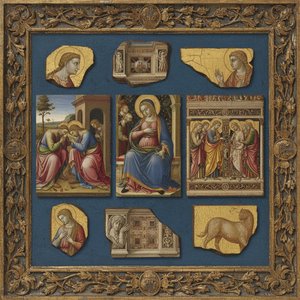
Proto-Renaissance Masters: 10 Artworks That Changed History | OriginalUniqueArt
Journey back to the dawn of Renaissance art! Explore 10 iconic Proto-Renaissance masterpieces by Giotto, Cimabue & Duccio. Discover their stories, techniques & lasting impact. Find museum-quality reproductions for your home at OriginalUniqueArt.com

25 Masterpieces of the Sistine Chapel: A Journey Through Michelangelo's Divine Art
Step into the divine beauty of the Sistine Chapel. Explore 25 iconic Renaissance masterpieces by Michelangelo and more. From breathtaking frescoes to timeless legends, find inspiration for museum-quality art reproductions. Discover all masterpieces on OriginalUniqueArt.com.

25 Masterpieces of the Sistine Chapel: A Journey Through Michelangelo's Divine Art
Step into the divine beauty of the Sistine Chapel. Explore 25 iconic Renaissance masterpieces by Michelangelo and more. From breathtaking frescoes to timeless legends, find inspiration for museum-quality art reproductions. Discover all masterpieces on OriginalUniqueArt.com.

Simone Martini: Innovation, Spirituality & Courtly Refinement in Sienese Painting
Explore the captivating world of Simone Martini, a pivotal figure in Sienese painting & the International Gothic style. Discover his innovative techniques, spiritual depth, and lasting influence on early Renaissance art.


