
 Pregledaj u stvarnoj veličini
 Podijeli
 Podijeli
 Detalji
 Vodič
Vodič

 Preuzmi datoteku
 Slični predmeti
 Rentgenska snimka
 Slide show
 Statistika
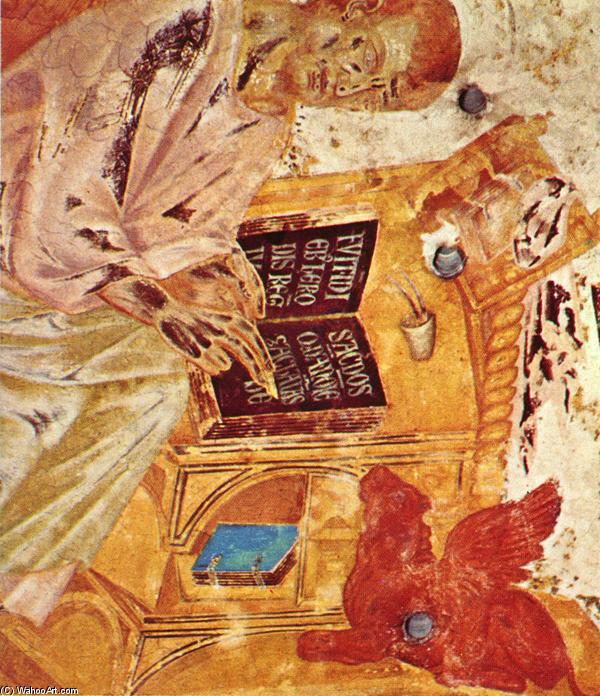
St Luke (detail)
 Acrylic On Canvas
- WallArt
- Proto-Renaissance
 1280
1280- Renaissance
 450.0 x 900.0 cm
 Pročitajte više
Giclée / Umjetnički otisak
Giclée tisak muzejske kvalitete ili otisak na platnu uz brzu proizvodnju i fleksibilne opcije završne obrade. ( Naručite ručno oslikano reprodukciju Prebacite na digitalnu prodaju slika)




P118B €10

P118H €10

P118W €10

P438Z €10

P508JH €12

P508YH €12

P805H €10

P805Z €10

P919BZ €10

P919G €10

P919XJ €10

P959ZH €10

P968JZ €12

W106C €8

W218G €10

W218JH €8

W218Y €10

W307PJ €10

W316G €10

W316PJ €8

W316Y €10

W398PJ €8

W4111J €10

W500HY €15

W500JH €15

W692G €12

W849H €8

W940BG €15

W953PJ €8




Odaberite jednu od naših unaprijed definiranih veličina koje odgovaraju izvornim proporcijama umjetničkog djela.

Unesite širinu i visinu koja vam je potrebna, kako bi odgovarali vašem okviru ili zidu. Print se može samo izrezati, nikada ne može biti veći od slike, stoga veličina s drugačijim oblikom gubi dio slike. Šaljemo vam digitalni prikaz (mockup) na odobrenje prije bilo kakve štampe. Slika prikazana na ovoj stranici ne prikazuje stvarni rez — to čini samo digitalni prikaz.
Dostava širom svijeta () u roku od 2 tjedna umjesto standardnih 4/5 tjedana. (22 Listopad)

Besplatna ekspresna dostava širom svijeta

Visokokvalitetno laneno platno

Potpuno osiguranje transporta

Jamstvo povrata carine i uvoznih poreza

Jamstvo vjernosti boja

Politika povrata u roku od 100 dana (samo u slučaju nedostataka)

Jamstvo povrata 100% novca

Popust na više proizvoda
 Opcija stakla dostupna je samo za dimenzije manje od 110 cm

St Luke (detail)
Giclée / Umjetnički otisak
Veličina reprodukcije
-


Ukupna cijena
€ 70
A Glimpse into a Changing World: Cimabue’s *St Luke (detail)*
This captivating detail from Cimabue's fresco of St. Luke offers a profound window into the pivotal moment when Italian art began to break free from the rigid conventions of the Byzantine tradition. Painted around 1280, this section – measuring an impressive 450 x 900 cm in its entirety – isn’t merely a religious depiction; it's a testament to artistic innovation and the dawn of a new era in painting.Subject & Narrative
The fragment focuses on St. Luke, traditionally considered the author of the Gospel of Luke and the Acts of the Apostles, and patron saint of artists. He is depicted as a scholar or cleric, deeply engrossed in his work. He holds open several books, likely representing the scriptures he penned, and extends a hand in what appears to be a gesture of teaching or revelation. The surrounding architectural elements suggest an interior setting – perhaps a study or scriptorium – conducive to learning and contemplation. While part of a larger narrative scene, this detail powerfully conveys Luke’s intellectual pursuit and devotion.Style & Technique: Bridging Byzantium and the Renaissance
Cimabue (born Cenni di Pepo), active in Florence and Pisa, was instrumental in transitioning from the Italo-Byzantine style to a more naturalistic approach. While still exhibiting hallmarks of Byzantine art – such as the use of gold leaf (not visible in this detail but present in the full fresco), flattened perspective, and hierarchical scale – this work demonstrates Cimabue’s burgeoning interest in realism. Notice the attempts at modeling forms through subtle shading, a departure from the flat, iconic representations prevalent in earlier Byzantine works. The technique employed is *fresco*, where pigments are applied to wet plaster, creating a durable and vibrant surface. This explains the textured appearance with visible brushstrokes and variations in paint application.Color & Composition
The color palette is dominated by warm earth tones – ochres, yellows, and reds – lending the scene an air of antiquity and solemnity. The composition is dense and layered, characteristic of fresco work, with figures overlapping and receding into a shallow depth of field. Linearity is key; defined lines structure the figures and architectural elements, contributing to the overall sense of order. Geometric shapes – rectangular books, arched doorways, rounded drapery – further reinforce this structured aesthetic.Symbolism & Historical Context
The open books are potent symbols of knowledge, scripture, and divine inspiration. St. Luke’s gesture signifies instruction or the transmission of sacred truth. Created during a period of significant social and religious change in Italy, Cimabue's work reflects a growing humanistic interest alongside continued devotion to Christian themes. He was a contemporary of Giotto, often considered his student, and both artists played crucial roles in laying the foundations for the Renaissance. Vasari’s “Lives of the Most Excellent Painters, Sculptors, and Architects” provides valuable (though sometimes debated) insights into Cimabue's life and career.Emotional Impact & Aesthetic Appeal
Despite its age, this detail from *St Luke* evokes a sense of quiet contemplation and reverence. The artist’s skillful use of line, color, and composition draws the viewer into the scene, inviting reflection on themes of faith, knowledge, and artistic creation. For collectors and interior designers, a high-quality reproduction of this work offers a timeless piece that blends historical significance with aesthetic beauty – a subtle yet powerful statement for any space. It’s a reminder of art's capacity to both reflect and shape our understanding of the world.Pitanja i odgovori
Postoji li informativna stranica o "St Luke (detail)" autora Cimabue za studente?
Dostupna je stranica Vodič za "St Luke (detail)" autora Cimabue: isprintana informativnica o umjetničkom djelu, dizajnirana za učenike i upotrebu u učionici.
Gdje mogu vidjeti pregled za "St Luke (detail)"?
Stranica Pregled za "St Luke (detail)" omogućuje vam pregled umjetničkog djela prije narudžbe.
Kakvih je proporcija "St Luke (detail)" autora Cimabue i koje su mu dimenzije?
Format djela "St Luke (detail)" je Portrait, a izvornik dimenzija iznosi 450 x 900 cm. Oba su podatka korisna prilikom planiranja reprodukcije.
Biografija umjetnika
Giovanni Cimabue (c. 1240–1302): Pioneer of Italian Painting
Cimabue, or Cenni di Pepo (circa 1240 – after 1302), stands as a monumental figure—a bridge between the established artistic traditions of the Byzantine world and the burgeoning innovations that would define the Italian Renaissance. His life, though partially obscured by time and romanticized accounts – most notably those penned by Giorgio Vasari centuries later – marks an undeniable turning point in Western art history. Cimabue wasn’t simply a painter; he was a courageous innovator who dared to subtly challenge artistic conventions, laying the groundwork for the revolutionary changes that would soon sweep across Italy. Even his nickname, believed to mean “bull-headed,” hints at a strong will and perhaps a rebellious spirit—qualities demonstrably present in his willingness to experiment with form and expression. He represents a crucial moment where art began to shift from being solely devotional imagery towards something more humanistic and emotionally resonant.Early Influences and Artistic Development
Initially immersed in the Italo-Byzantine style prevalent throughout Florence, Cimabue’s early work adhered closely to established aesthetic principles: flattened figures adorned with shimmering gold leaf, symbolic rather than realistic depictions of space, and a profound focus on religious iconography. However, even within these constraints, a nascent desire for naturalism began to emerge. He wasn't content merely replicating existing forms; he sought to imbue his paintings with a greater sense of life and emotional depth. While the precise nature of his early training remains debated, it’s likely he honed his skills within Florentine workshops, absorbing the techniques and influences of the time while simultaneously developing his own unique artistic voice. The Byzantine style, characterized by its formality and spiritual focus, provided him with a solid foundation, but Cimabue began to subtly introduce elements that would foreshadow the coming Renaissance—a greater attention to volume, more expressive facial features, and a nascent understanding of spatial relationships. This wasn’t a sudden break from tradition, but rather a gradual evolution, a delicate balancing act between honoring the past and embracing new possibilities.The Maestro's Vision: Giotto and Beyond
Vasari famously recounted the tale of Cimabue playfully painting a fly on Giotto’s face—a gesture that encapsulates the dynamic between master and pupil and underscores Cimabue’s profound influence on his successor. Giotto, recognizing Cimabue’s genius as a teacher, elevated him to the forefront of Florentine art history. Cimabue's legacy extends far beyond Giotto’s achievements; he fostered an artistic spirit that permeated numerous other artists of the period. He challenged the artistic norms of his time, demonstrating that art could be more than just religious symbolism; it could also reflect human emotion and experience. His willingness to experiment with form, proportion, and expression paved the way for the innovations of the Renaissance, establishing him as a crucial transitional figure in the history of Western painting. Cimabue’s artistic vision—characterized by its subtle yet decisive departure from Byzantine conventions—became the cornerstone upon which Giotto built his groundbreaking style.Notable Artworks: A Reflection of Innovation
Cimabue's oeuvre is marked by masterpieces that exemplify his evolving stylistic sensibilities and underscore his pioneering role in shaping Italian art history. The *Maestà*, commissioned for the Church of San Francesco in Pisa, stands as one of his most celebrated achievements—a monumental altarpiece that embodies Cimabue’s mastery of composition and color while simultaneously hinting at a move away from rigid Byzantine formalism. The figures, though retaining a degree of Byzantine influence, exhibit newfound volume and presence—a testament to Cimabue's gradual embrace of naturalistic principles. Similarly, the *Crucifixion*, executed around 1270 for San Domenico in Arezzo, represents an early demonstration of Cimabue’s departure from strict Byzantine conventions. The depiction of Christ’s body is rendered with shading on the legs, torso, arms, and underarms—creating a palpable sense of flesh-like plasticity and conveying to the viewer the agony of his crucifixion. Furthermore, Cimabue's contribution to the decoration of the Baptistery of Florence—specifically the apse mosaic depicting Saint John the Evangelist—demonstrates his exceptional skill as a mosaicist and underscores his role in establishing Florentine art as a beacon of innovation.A Legacy Enduring Through Time
Cimabue passed away after 1302, leaving behind a body of work that continues to captivate and inspire scholars and artists alike. Despite the scarcity of biographical details surrounding his later life—a regrettable consequence of historical records—his artistic legacy resonates powerfully through the works of his students and the subsequent evolution of Italian art. Cimabue’s paintings are not merely relics of a bygone era; they are windows into a pivotal moment in artistic history—a time when artists began to question established norms and explore new horizons. He was a pioneer, a visionary who dared to challenge the status quo and lay the foundations for the artistic brilliance that would define the Renaissance. Cimabue’s enduring significance lies not only in his groundbreaking innovations but also in his unwavering commitment to artistic excellence—a testament to his genius as a painter and mosaicist and a cornerstone of Florentine art history.
Cimabue
1240 - 1302 , Italija
Brzi pregled
- Artistic Movement Or Style: Byzantine & Renaissance
- Artists Who Influenced This Artist:
- Nicolo Pisano
- Giunta Pisano
- Date Of Birth: c. 1240
- Date Of Death: 1302
- Full Name: Giovanni Cimabue
- Nationality: Italian
- Notable Artworks:
- Maestà
- Crucifixion
- Flagellation of Christ
- Place Of Birth: Florence, Italy
Povezani članci

Obiteljski fresko nasljeđe: očuvanje povijesti i identiteta kroz zidnu umjetnost
Otkrijte povijest i umjetnost obiteljskih fresaka! Stručni vodič o tehnici, restauraciji i očuvanju nasljednog nasljeđa. Savjeti za kolekcionare i naručivanje vlastite freske.

The Enduring Legacy of Fresco: Technique, History & Artistic Expression Across Cultures
Explore the rich history & enduring legacy of fresco painting! Discover ancient techniques, Giotto's masterpieces, and modern applications. Expert insights for art lovers & professionals.

Umjetnost koja živi s nama: Emocionalna snaga personalizirane interijerske freske
Otkrijte ljepotu personaliziranih freski! Stručni umjetnici oslikavaju zidove po vašoj mjeri, s povijesnom tehnikom i vrhunskom kvalitetom. Konzultacije & narudžbe.

The Enduring Legacy of Fresco: Technique, History & Artistic Expression
Explore the rich history & enduring artistry of fresco painting. Discover techniques from Giotto to Michelangelo, conservation efforts, & modern applications. Learn how OriginalUniqueArt brings this timeless art form to your home.

The Enduring Legacy of Fresco Painting: Techniques, History & Contemporary Relevance
Explore the rich history & enduring artistry of fresco painting – from Giotto to Michelangelo! Discover techniques, conservation efforts, & modern applications. Learn how OriginalUniqueArt brings this timeless art form to your home.

