
 Pregledaj u stvarnoj veličini
 Pošalji
 Podijeli
 Detalji o umjetničkom djelu

 Preuzmi
 Slični predmeti
 Rentgenska snimka
 Automatska prezentacija
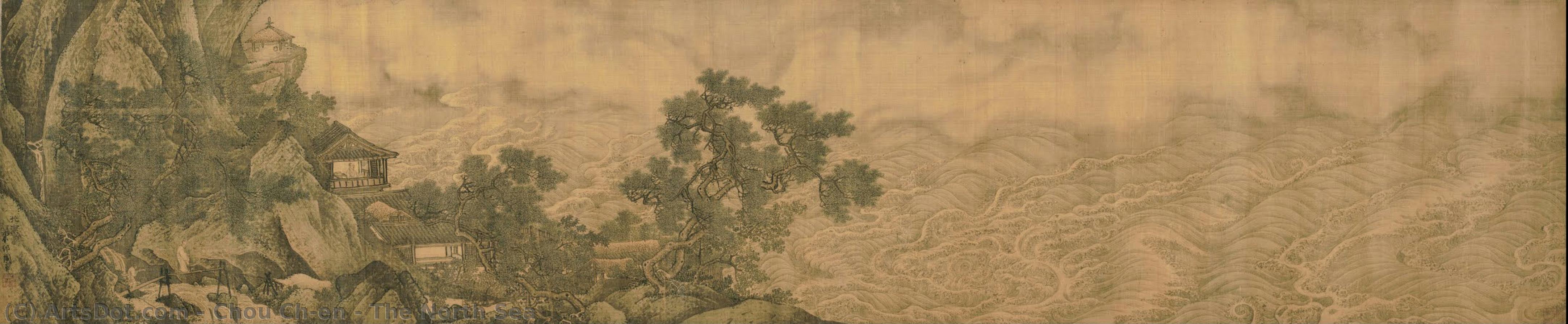
The North Sea


 Prikaži više
Kupite digitalnu sliku visoke rezolucije i poboljšane kvalitete, koja je znatno superiornija od online prikaza.
Svaka datoteka pedantno je pripremljena od strane naših internih stručnjaka koristeći napredne alate i vještinsku ručnu retušu. Osiguravamo da svaka slika ima iznimnu jasnoću, preciznu točnost boja i visoku razinu detalja.
Konačna datoteka dostavlja se putem e-pošte u roku od 72 sata, optimizirana za neposrednu upotrebu u profesionalnim, uredničkim i tiskarskim okruženjima. To je ista kvaliteta kojoj vjeruju vrhunski studiji dizajna, izdavači i galerije.
Digitalna slika
Preuzmite datoteku visoke rezolucije za osobnu izložbu, tisak i kreativne projekte. ( Kupi print Kupi ručno naslikanu sliku)
Uključeno uz svaku narudžbu digitalne slike
Profesionalna digitalna dostava, zajamčena
Odabirom OriginalUniqueArt.com ne dobivate samo sliku – dobivate profesionalno unapređeno digitalno umjetničko djelo, izrađeno s najvećom preciznošću uz jamstvo zadovoljstva. Evo svega što automatski dolazi uz vašu narudžbu:

Brza dostava e-poštom
Vaša digitalna slika visoke rezolucije bit će vam poslana e-mailom u roku od 72 sata od narudžbe – spremna za neposrednu upotrebu.

Digitalna datoteka poboljšana AI-om
Vaše umjetničko djelo profesionalno je optimizirano pomoću naprednih AI alata i ručnog uređivanja, čime se osigurava maksimalna razina detalja, oštrine i točnosti boja.

Besplatna ponovna dostava doživotno
Slučajno ste obrisali ili izgubili svoju datoteku? Ne brinite – ponovno ćemo vam je poslati u bilo kojem trenutku, potpuno besplatno.

Bez uvoznih carina – ikada
Uživajte u svojim umjetničkim djelima trenutno, bez carina, pristojbi ili troškova dostave – digitalne datoteke uvijek su oslobođene poreza.

Jamstvo točnosti boja
Uz pomoć profesionalnih alata i upravljanja bojama, osiguravamo da vaša digitalna slika što vjernije odražava izvorne boje.

Jamstvo zadovoljstva u trajanju od 60 dana
Ako niste zadovoljni svojom digitalnom slikom, revidirat ćemo je ili vratiti 100% novca u roku od 60 dana – bez ikakvih pitanja.

100% Jamstvo povrata novca
Niste zadovoljni? Osigurajte puni povrat novca u roku od 60 dana od primitka vaše digitalne datoteke – bez suvišnih pitanja.

Popusti na velike narudžbe
Kupite 3 slike, uštedite 10% - Kupite 5 slika, uštedite 15% - Kupite 10+ slika, uštedite 20%. Odlično za kreativne projekte, galerije i agencije.
Biografija umjetnika
Gerard David: A Master of Early Netherlandish Portraiture
Gerard David, a name perhaps less familiar than some of his contemporaries in the vibrant artistic landscape of 15th-century Bruges, stands as a pivotal figure in the development of early Netherlandish painting. Born around 1460 in Oudewater, near Gouda in the Netherlands, David’s career unfolded primarily within the bustling commercial and cultural center of Bruges, a city renowned for its burgeoning art trade and international connections. While overshadowed by the brilliance of figures like Jan van Eyck and Rogier van der Weyden during his lifetime, a closer examination reveals a profoundly skilled artist whose distinctive style and innovative approach to portraiture left an enduring legacy.
David’s early life remains somewhat shrouded in mystery, mirroring the relative scarcity of biographical details for many artists of this period. However, it is generally accepted that he spent his formative years honing his craft under the tutelage of various masters, absorbing the techniques and stylistic conventions prevalent at the time. His arrival in Bruges around 1484 marked a turning point, establishing him as a respected member of the city’s painter’s guild – a significant achievement reflecting his growing reputation and artistic prowess. He quickly ascended to become the leading painter of Bruges, a position he held until his death in 1523, overseeing a prolific output that catered to both local patrons and a discerning international clientele.
A Style Defined by Restraint and Refinement
David’s artistic style is characterized by a remarkable balance between realism and elegance. Unlike the intensely detailed and often hyper-realistic works of Van Eyck, David favored a more restrained approach, prioritizing clarity of form, harmonious color palettes, and a subtle sense of spatial depth. His compositions are typically balanced and symmetrical, reflecting a desire for order and stability – qualities that resonated with the prevailing humanist ideals of the Renaissance. He was particularly adept at capturing the psychological nuances of his subjects, imbuing portraits with an air of quiet dignity and introspective contemplation.
A key element of David’s distinctive style lies in his masterful use of color. While he employed the vibrant hues characteristic of the Flemish school, he often modulated them with a delicate subtlety, creating a sense of atmospheric depth and luminosity. His palette was notably refined, avoiding the overly bright or clashing combinations favored by some of his contemporaries. This restraint, combined with his meticulous attention to detail, resulted in paintings that possessed an understated beauty and remarkable visual harmony.
Major Works and Influences
David’s oeuvre encompasses a diverse range of subjects, including religious scenes, portraits, and altarpieces. Among his most celebrated works are the *Polyptych of the Misericordia*, a complex devotional panel showcasing his skill in depicting multiple figures within a confined space; the *Judgment of Cambyses*, a profoundly unsettling depiction of divine retribution that reveals David’s willingness to explore darker themes; and, perhaps most famously, the *Madonna with the Green Cushion*, a tender portrayal of the Virgin Mary and Child – a work admired for its serene beauty and exquisite detail.
David's artistic development was undoubtedly influenced by several key figures. The meticulous realism and innovative use of oil paint pioneered by Jan van Eyck served as a foundational influence, while the dramatic compositions and emotional intensity of Rogier van der Weyden provided a contrasting model. The impact of Antonello da Messina, who had established himself in Venice during David’s early career, is particularly evident in David's refined color palette and sophisticated understanding of perspective. Furthermore, he was influenced by the works of Albert van Oudewater and Hans Memling.
Legacy and Historical Significance
Despite his relative obscurity during his lifetime, Gerard David’s influence on subsequent generations of artists is undeniable. His emphasis on clarity, restraint, and psychological realism helped to shape the trajectory of Netherlandish painting in the late 15th and early 16th centuries. His portraits, in particular, established a new standard for depicting human individuality, capturing not only physical likeness but also subtle expressions of character and emotion.
It was only in the 19th century that David’s work began to receive the critical attention it deserved. Today, his paintings are celebrated as masterpieces of early Netherlandish art, testament to a profoundly talented artist whose quiet brilliance continues to captivate viewers centuries after his death. His legacy resides not just in the beauty of his individual works but also in his contribution to the evolution of portraiture and the development of a distinctly Northern European artistic sensibility.

chou ch'en
1460 - 1535 , China
Kratke činjenice
- Artistic Movement Or Style: Early Renaissance
- Artists Or Movements Influenced By This Artist: ['Correggio']
- Artists Who Influenced This Artist:
- Leonardo da Vinci
- Antonello da Messina
- Date Of Birth: c. 1460
- Date Of Death: c. 1524
- Full Name: Andrea Solari
- Nationality: Italian
- Notable Artworks:
- Madonna with Green Cushion
- Ecce Homo (Poldi-Pezzoli)
- Place Of Birth: Milan, Lombardy

