Pregledaj u stvarnoj veličini
 Podijeli
 Podijeli
 Detalji
 Vodič
Vodič

 Preuzmi datoteku
 Slični predmeti
 Rentgenska snimka
 Slide show
 Statistika
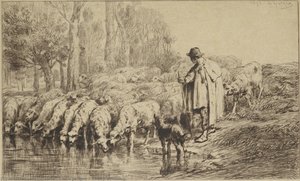
The Sheepfold
 Barbizon School
 1857
1857 46.0 x 92.0 cm
 Pročitajte više
Giclée / Umjetnički otisak
Giclée tisak muzejske kvalitete ili otisak na platnu uz brzu proizvodnju i fleksibilne opcije završne obrade. ( Naručite ručno oslikano reprodukciju Prebacite na digitalnu prodaju slika)




































Odaberite jednu od naših unaprijed definiranih veličina koje odgovaraju izvornim proporcijama umjetničkog djela.

Unesite širinu i visinu koja vam je potrebna, kako bi odgovarali vašem okviru ili zidu. Print se može samo izrezati, nikada ne može biti veći od slike, stoga veličina s drugačijim oblikom gubi dio slike. Šaljemo vam digitalni prikaz (mockup) na odobrenje prije bilo kakve štampe. Slika prikazana na ovoj stranici ne prikazuje stvarni rez — to čini samo digitalni prikaz.
Dostava širom svijeta () u roku od 2 tjedna umjesto standardnih 4/5 tjedana. (24 Listopad)

Besplatna ekspresna dostava širom svijeta

Visokokvalitetno laneno platno

Potpuno osiguranje transporta

Jamstvo povrata carine i uvoznih poreza

Jamstvo vjernosti boja

Politika povrata u roku od 100 dana (samo u slučaju nedostataka)

Jamstvo povrata 100% novca

Popust na više proizvoda
 Opcija stakla dostupna je samo za dimenzije manje od 110 cm

The Sheepfold
Giclée / Umjetnički otisak
Veličina reprodukcije
-


Ukupna cijena
€ 70
Pitanja i odgovori
Jesu li boje djela "The Sheepfold" autora Charles-Émile Jacque zasićene ili prigušene?
"The Sheepfold" autora Charles-Émile Jacque je zabilježeno s Subtle Color zasićenjem.
Koja je koloristička identiteta djela "The Sheepfold" autora Charles-Émile Jacque?
Koloristički identitet djela "The Sheepfold" autora Charles-Émile Jacque: paleta u nijansama Earthy, s dominantnom bojom Espresso (#583b1c).
Kako se boje djela "The Sheepfold" međusobno povezuju?
Koloristička harmonija djela "The Sheepfold" zabilježena je kao Unified Palette.
Biografija umjetnika
Život ukorijenjen u francuskom krajoliku
Charles-Émile Jacque, rođen u Parizu 1813. godine, nije bio predodređen konvencionalnim umjetničkim putem. Njegov rani život dobio je neočekivani preokret tijekom sedam godina službe u francuskoj vojsci. Ipak, čak i unutar strogo regulirane strukture vojnog života, njegov urođeni talent pronašao je izraz – ne kroz slikarstvo u početku, već kroz pedantnu vještinu graviranja karata. Ova temeljna obuka, koja je zahtijevala preciznost i opažanje, pokazala će se nevjerojatno ključnom za njegove kasnije umjetničke poduhvate, ulijećući posvećenost detaljima koja je postala zaštitni znak njegovog rada. Bio je to nevjerojatan početak za slikara koji će postati sinonim za idiličnu ljepotu ruralne Francuske, no on govori mnogo o Jacqueovoj prilagodljivosti i prirođenoj umjetničkoj srži. Nakon napuštanja vojske, nakratko se bavio ilustracijom i karikaturom, doprinoseći parizanskim časopisima prije nego što je pronašao svoj pravi poziv u svijetu akvatinta i slikarstva.Pridržavanje Barbizona i pastoralna vizija
Sredina 19. stoljeća donijela je Jacqueov povratak prema Barbizonu, malom selu koje će postati epicentar revolucionarnog umjetničkog pokreta. Bježeći od epidemija kolere koje su pustošile Pariz, pridružio se Jean-Françoisu Milletu i drugim umjetnicima sličnih stavova u potrazi za inspiracijom izravno u prirodi. To je označilo odlučujući odmak od akademskih konvencija prema iskrenijem, realističnijem prikazivanju života. Jacque je cijelo srce uložio u ovaj novi pristup, posvećujući se hvatanju bitosti ruralnog postojanja – tihe dostojanstvenosti pastira koji čuvaju svoje stado, nježnog ritma poljoprivrednog rada i jednostavne ljepote stoke na suncem okupanim poljima. Njegova djela nisu bila samo prikazi scena; bila su prožeta dubokim osjećajem mira i harmonije, odražavajući iskreno poštovanje prema prirodnom svijetu. On nije samo slikao ovce ili štale; on je prenosio osjećaj, atmosferu – poštovanje prema pastoralnom životu koje je duboko odjeknulo kod publike.Majstor različitih medija: Slikarstvo i grafika
Jacqueova umjetnička vještina protezala se izvan okvira slikarstva. Postao je poznat kao majstor akvatinta i gravira, oživljavajući tehnike 17. stoljeća i pomerajući granice grafičke umjetnosti. Njegove su grafike hvaljene zbog svoje odvažnosti i dobro osmišljenih tema, što mu je donijelo priznanja kritičara poput Charlesa Baudelairea. Henri Béraldi razlikovao je dvije zasebne faze u Jacqueovom grafičkom radu: ranu fazu inspiriranu nizozemskim vignetama, obilježenu spontanošću, te kasniju fazu koju su obilježile veće, detaljnije ploče koje su pokazivale pedantno umeće. Ova dvostruka majstorstvo – i kista i burina – omogućilo mu je da dopre do šire publike i učvrsti svoju reputaciju značajne figure u svijetu umjetnosti. Nije smatrao slikarstvo i grafiku odvojenim disciplinama, već komplementarnim putevima za izražavanje svoje umjetničke vizije. Njegove ilustracije za književne klasike, uključujući izdanja Goldsmithovog djela The Vicar ofWakefield i Wordsworthove Picturesque Greece, dodatno su pokazale njegovu svestranost i vještinu.
Naslijeđe i trajni utjecaj
Charles-Émile Jacque umro je 1894. godine, ostavivši za sobom bogato umjetničko naslijeđe koje i danas očarava gledatelje. Igrao je vitalnu ulogu u oblikovanju razvoja realizma u francuskoj umjetnosti, utirući put budućim generacijama umjetnika koji su nastojali prikazati život s iskrenošću i osjetljivošću. Njegova posvećenost prikazivanju ruralnog života uzdigla je žanrovsko slikarstvo – scene iz svakodnevnog postojanja – na istaknuto mjesto unutar umjetničkog krajolika.- Pionir renesanse akvatinta: Jacqueovo oživljavanje tehnika graviranja iz 17. stoljeća značajno je utjecalo na grafičku umjetnost.
- Utjecaj na Milletu: Njegov rani rad i grafike duboko su utjecali na njegovog prijatelja i kolegu iz škole Barbizon, Jean-Françoisa Milletta.
- Zagovornik ruralnog života: Vječno je vječno prikazao ljepotu i dostojanstvo ruralnog života u Francuskoj, stvarajući trajni vizualni zapis nestajućeg načina postojanja.

Charles-Émile Jacque
1813 - 1894 , Francuska
Brzi pregled
- Artistic Movement Or Style: Barbizon School
- Artists Or Movements Influenced By This Artist: ['Realizam']
- Artists Who Influenced This Artist: ['Adriaen van Ostade']
- Date Of Birth: 1813.
- Date Of Death: 1894.
- Full Name: Charles-Émile Jacque
- Nationality: Francuz
- Notable Artworks:
- Mali plavi dječak
- Ovčarnik
- Pastirica
- Place Of Birth: Pariz, Francuska
Povezani članci
The Barbizon School: A Professional Guide to Naturalism and Landscape Mastery for Interior Designers
Explore the Barbizon School's mastery of naturalism. An expert guide for hotel designers and procurement managers on sourcing high-quality landscape reproductions to elevate hospitality and corporate interiors with authentic, large-scale fine art solutions.
The Barbizon School: Pioneering Realism & the Pastoral Vision in 19th-Century French Painting
Explore the Barbizon School's pivotal role in 19th-century French painting. Discover how these artists revolutionized landscape art with their commitment to Realism and a profound connection to nature. Learn about key figures like Rousseau, Millet & Corot.

The Hague School: Realism, Atmosphere & the Dawn of Dutch Impressionism
Explore the Hague School's pivotal role in Dutch art history. Discover realism, atmospheric landscapes & its influence on Impressionism. Learn about key artists like Mauve & Maris with OriginalUniqueArt.
Charles-François Daubigny: Pioneering Atmospheric Light & Barbizon Realism
Explore the life & art of Charles-François Daubigny, a pivotal Barbizon School painter. Discover his innovative landscapes, mastery of light, and influence on Impressionism. High-quality reproductions available.
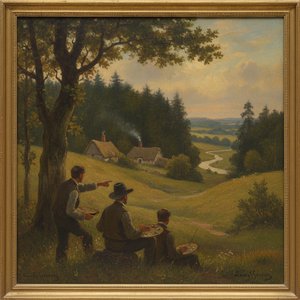
The Barbizon School: The Soulful Origins of Impressionism's Natural Light and Atmospheric Mastery
Discover the profound influence of the Barbizon School on Impressionism. Explore how these masters captured natural light and atmospheric beauty through plein air painting, paving the way for Monet and Renoir. A journey into the soulful origins of landscape art history.