

 Pregledaj u stvarnoj veličini
 Podijeli
 Podijeli
 Detalji
 Vodič
Vodič

 Preuzmi datoteku
 Slični predmeti
 Rentgenska snimka
 Slide show
 Statistika
Aeneas Carrying Anchises
 Oil On Canvas
- WallArt
- Rococo
 1729
1729 110.0 x 105.0 cm
 Louvre
 Pročitajte više
Giclée / Umjetnički otisak
Giclée tisak muzejske kvalitete ili otisak na platnu uz brzu proizvodnju i fleksibilne opcije završne obrade. ( Naručite ručno oslikano reprodukciju Prebacite na digitalnu prodaju slika)




P118B €10

P118H €10

P118W €10

P438Z €10

P508JH €12

P508YH €12

P805H €10

P805Z €10

P919BZ €10

P919G €10

P919XJ €10

P959ZH €10

P968JZ €12

W106C €8

W218G €10

W218JH €8

W218Y €10

W307PJ €10

W316G €10

W316PJ €8

W316Y €10

W398PJ €8

W4111J €10

W500HY €15

W500JH €15

W692G €12

W849H €8

W940BG €15

W953PJ €8




Odaberite jednu od naših unaprijed definiranih veličina koje odgovaraju izvornim proporcijama umjetničkog djela.

Unesite širinu i visinu koja vam je potrebna, kako bi odgovarali vašem okviru ili zidu. Print se može samo izrezati, nikada ne može biti veći od slike, stoga veličina s drugačijim oblikom gubi dio slike. Šaljemo vam digitalni prikaz (mockup) na odobrenje prije bilo kakve štampe. Slika prikazana na ovoj stranici ne prikazuje stvarni rez — to čini samo digitalni prikaz.
Dostava širom svijeta () u roku od 2 tjedna umjesto standardnih 4/5 tjedana. (21 Listopad)

Besplatna ekspresna dostava širom svijeta

Visokokvalitetno laneno platno

Potpuno osiguranje transporta

Jamstvo povrata carine i uvoznih poreza

Jamstvo vjernosti boja

Politika povrata u roku od 100 dana (samo u slučaju nedostataka)

Jamstvo povrata 100% novca

Popust na više proizvoda
 Opcija stakla dostupna je samo za dimenzije manje od 110 cm

Aeneas Carrying Anchises
Giclée / Umjetnički otisak
Veličina reprodukcije
-


Ukupna cijena
€ 70
Aeneas Carrying Anchises: A Testament to Roman Heroism and Rococo Elegance
Charles-André van Loo’s “Aeneas Carrying Anchises,” painted in 1729, is more than just a depiction of a pivotal moment from Virgil's *Aeneid*; it’s a masterful distillation of the Rococo style, imbued with a profound sense of drama and classical gravitas. This artwork, now meticulously reproduced on hand-painted canvas by OriginalUniqueArt, offers a captivating glimpse into 18th-century French artistic sensibilities – a world where mythological narratives intertwined seamlessly with aristocratic life and an exquisite attention to detail reigned supreme.
The scene unfolds within a classically inspired architectural setting, reminiscent of the Temple of Venus or perhaps even the Parthenon, lending an air of timeless grandeur. Van Loo skillfully employs atmospheric perspective – the subtle blurring of details in the background – to draw the viewer’s eye towards the central figures: Aeneas, the Trojan hero, and his aged father, Anchises. The composition is carefully balanced, utilizing a pyramidal structure that reinforces the importance of these two patriarchs. Note the deliberate use of light; it illuminates Aeneas's determined face and the weight of responsibility he carries, while casting a softer glow upon Anchises, suggesting both vulnerability and profound wisdom.
The Rococo Palette: Color, Texture, and Ornamentation
As a leading figure in the Rococo movement, Van Loo’s signature style is immediately recognizable. The painting bursts with rich, layered colors – deep reds, blues, and golds dominate the palette, creating an opulent and luxurious atmosphere. The artist's meticulous brushwork reveals a remarkable attention to texture; from the folds of Aeneas’s cloak to the weathered skin of Anchises, every surface is rendered with incredible realism. Observe how he uses shimmering highlights to capture the light reflecting off polished marble columns and the fabric of their garments – a hallmark of Rococo technique.
The decorative elements are equally noteworthy. The architectural details, while rooted in classical forms, are embellished with intricate moldings, garlands, and subtle flourishes characteristic of the era. Van Loo’s mastery extends to portraying the human form; Aeneas and Anchises are depicted with a graceful elegance that reflects the ideals of beauty prevalent during the Rococo period. The inclusion of other figures in the background – soldiers, attendants, and perhaps even a veiled woman – adds depth and narrative complexity to the scene, hinting at the broader context of the Trojan War and its aftermath.
Symbolism and Narrative Resonance
Beyond its aesthetic beauty, “Aeneas Carrying Anchises” is rich in symbolic meaning. The act of Aeneas carrying his father represents not only filial devotion but also the burden of leadership and the transmission of legacy. Anchises, a descendant of Aeneas and the rightful heir to Troy, embodies the continuity of Roman civilization. The setting itself – a temple or monumental structure – elevates the scene to a realm of mythic importance, suggesting that Aeneas’s journey is not merely a personal quest but a destiny ordained by the gods.
Furthermore, the presence of the woman in the background has been interpreted as representing Fides (Faith) or perhaps even Venus herself, subtly reinforcing the themes of duty, honor, and divine guidance. The painting's overall mood is one of solemn determination tempered with a poignant sense of loss – a reminder of the sacrifices required to fulfill a noble purpose. OriginalUniqueArt’s faithful reproduction captures this nuanced emotional depth, allowing viewers to fully appreciate the artistry and storytelling embedded within Van Loo’s masterpiece.
Bringing “Aeneas Carrying Anchises” Home
Whether you're an art enthusiast, a collector seeking to enrich your collection, or simply someone looking for a stunning addition to your interior décor, OriginalUniqueArt’s hand-painted reproduction of “Aeneas Carrying Anchises” offers the perfect opportunity to own a piece of 18th-century artistic history. The meticulous detail and vibrant colors faithfully recreate Van Loo's original vision, while the canvas medium provides a timeless quality that will endure for generations to come. Explore our selection of sizes and framing options to find the ideal representation for your space – and experience the enduring power of this iconic artwork.
Pitanja i odgovori
Gdje mogu pronaći umjetnička djela slična djelu "Aeneas Carrying Anchises" autora Charles-André Van Loo?
Stranica Slična djela za djelo "Aeneas Carrying Anchises" autora Charles-André Van Loo prikazuje srodna umjetnička djela.
Kako se "Aeneas Carrying Anchises" uklapa u teme i stil umjetnika Charles-André Van Loo?
"Aeneas Carrying Anchises" pripada Rococo djelu umjetnika Charles-André Van Loo, čije su zabilježene teme uključivale italian baroque influence, mythological, roman themes, courtly patronage, luxury, dynasty’s artistic legacy, classical narrative depiction.
Koji emocionalni ton prati stil Rococo u djelu "Aeneas Carrying Anchises"?
"Aeneas Carrying Anchises" nosi Melancholic emocionalni ton unutar pokreta Rococo.
Biografija umjetnika
Rani život i učenje
- Rođen: 15. veljače 1705., u Niceu, Francuska
- Porodično pozadina: Sin Louisa-Abraham van Loo i mlađi brat Žan-Baptiste van Loo. Član uspješne dinastije holandskih slikarica.
- Rani obrazovanje: Početno učenje u Turinu, praćeno studijima u Rimu (1712.) pod Benedetto Lutijem i Pierre Legrosom.
- Studije u Parizu: Upisao se na Académie royale, osvojivši prvo mjesto za crtež 1723. godine i povijesno slikarstvo 1727. godine.
Umjetniški život i značajna djela
- Stil: Najviše je poznat kao rokoko slikar, karakteriziran elegancijom, gracioznošću i raskošnim detaljima.
- Predmeti: Raznolik spektar koji uključuje portrete, mitološke scene, povijesne slike, alegorije i žanrovske prikaze.
- Značajna djela:
- Venus i Amor (Kunsthalle Bremen) - Demonstrira majstorstvo rokoko stila.
- Zaustavljanje lova (The Metropolitan Museum of Art) – Uhvaća aristokratske aktivnosti.
- Portret Marie Leszczynske, Kraljice Francuske – Značajan kraljevski portret.
- Jupiter i Antiope - Prikazuje mitološke teme.
- Samoportret – Pruža uvid u samoprocjenjivanje umjetnika.
- Persej i Andromeda (više verzija) – Ilustrirao vještinu prikazivanja klasične mitologije.
- Mademoiselle Clairon kao Medea (mala verzija) - Očaravajući rokoko portret iz 1760. godine.
Pokroviteljstvo i kraljevsko priznanje
- Kraljevsko pokroviteljstvo: Uživao je u pokroviteljstvu Madame de Pompadour i francuskog dvora.
- Imenovanje u dvor: Postao je Prvi slikar za kralja Ludvika XV. 1762., prestižna pozicija.
- Red sv. Mihaila: Nagrađen je Redom sv. Mihaila, što označava kraljevsku milost.
Utjecaji i naslijeđe
- Porodični utjecaj: Teško utjecan od oca i brata, oba uspješna slikarica.
- Rivalstvo: Takmičio se s François Boucherom, drugim istaknutim rokoko umjetnikom.
- Moderno francusko slikarstvo: Njegova "jednostavnost stila i ispravnost dizajna" značajno je utjecala na moderno francusko slikarstvo.
- Kritička fortuna: Iako je njegova kritička pozicija varirala s vremenom, njegovo vještine i širina rada izazivaju poštovanje.
Zbirke u muzejima i daljnja istraživanja
- Prsutencija u muzejima: Djela su izložena u vodećim muzejima, uključujući Louvre (Vjenčanje Djevice), Kunsthalle Bremen i The Metropolitan Museum of Art.
- Dodatni resursi:
- Stranica Charles-André van Loo na OriginalUniqueArtu: https://www.OriginalUniqueArt.com/artists/charles-andre-van-loo/
- Stranica Najvećih umjetnika svih vremena na OriginalUniqueArtu: https://www.OriginalUniqueArt.com/greatest-artists
- Virtualni muzej OriginalUniqueArta: https://www.OriginalUniqueArt.com/
- Wikipedia članak: https://en.wikipedia.org/wiki/Charles-Andr%C3%A9_van_Loo
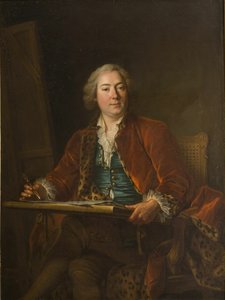
Charles-André Van Loo
1705 - 1765 , Francuska
Brzi pregled
- Artistic Movement Or Style: Rokoko slikarstvo
- Artists Or Movements Influenced By This Artist: ['Moderna francuska škola']
- Artists Who Influenced This Artist:
- Benedetto Luti
- Pierre Le Gros
- Date Of Birth: 15. veljače 1705.
- Date Of Death: 15. srpnja 1765.
- Full Name: Charles-André van Loo
- Nationality: Francuski
- Notable Artworks:
- Venus i Amor
- Zaustavljanje lova
- Portret Marie Leszczynske
- Jupiter i Antiope
- Samoportret
- Persej i Andromeda
- Place Of Birth: Nice, Francuska
Povezani članci

Roko Bela: 10 Remek Dela Ko Su Oblikovala Umjetnički Pokret
Otkrijte 10 remek djela koja su definirala rokokoznu umjetnost! Uronite u svijet baroka i elegancije, upoznajte poznate slikare i otkrijte tajne rococo boja. Inspirirajte se za svoj dom uz OriginalUniqueArt.com - ekskluzivne reprodukcije i kurirane ideje za dekoraciju.

Early Netherlandish Masters: 10 Paintings That Revolutionized Art & Decor
Journey into the Early Netherlandish Renaissance! Explore 10 iconic paintings by Jan van Eyck, Rogier van der Weyden & more. Discover stunning detail, symbolism, and oil painting techniques. Find museum-quality art reproductions for your home at OriginalUniqueArt.com.

Charles-André van Loo: A Study in Rococo Portraiture & the French Court's Artistic Dynamics
Explore the elegant world of Charles-André van Loo, a master of Rococo portraiture at the French court. Discover his life, techniques, and enduring influence on 18th-century art. Hand-painted reproductions available.

Early Netherlandish Masters: 10 Paintings That Revolutionized Art & Decor
Journey into the world of Early Netherlandish painting! Explore 10 masterpieces by Jan van Eyck, Rogier van der Weyden & more. Discover stunning detail, symbolism & Renaissance art for your home decor. Find museum-quality reproductions on OriginalUniqueArt.com

Rembrandt van Rijn: 25 Majstorstava Svjetla i Sjene | Reprodukcije za Vaš Dom
Uronite u svijet Rembrandta van Rijna! Otkrijte 25 najpoznatijih djela nizozemskog baroka, priče iza portreta i biblijskih scena te majstorstvo svjetla i sjene. Kupite reprodukcije vrhunske kvalitete za vaš dom na OriginalUniqueArt.com