

 Pregledaj u realnoj veličini
 Pošalji
 Podijeli
 Detalji o umjetničkom djelu
 Vodič
Vodič

 Preuzmi umjetničko djelo
 Slični predmeti
 Rentgenska snimka
 Slide show
 Statistika
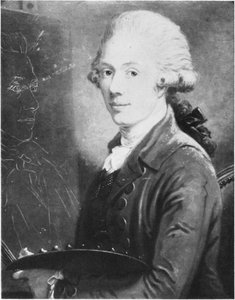
James Watt

 Prikaži više
Preuzmite datoteku spremnu za tisak koja nadilazi kvalitetu web prikaza. Svaka digitalna slika koju prodajemo potječe iz visokorezolucijske master datoteke iz naše baze — obično širine od 5.000 do 15.000 piksela — što vam omogućuje tisak velikih dimenzija, precizno izrezivanje ili sigurnu reprodukciju najfinijih detalja.
Nijedna datoteka ne napušta naš studio netaknuta. Digitalni stručnjak uspoređuje boje s izvornom slikom i po potrebi ih ispravlja, a zatim poboljšava jasnoću i detalje pomoću profesionalnih alata za retuširanje — uvijek ostajući vjerni umjetnikovim potezima četkice i stilu. Rezultat je prikaz koji izgleda kao slika, a ne kao sken s filtrima.
Odobravate prije završetka: naš stručnjak šalje sliku e-poštom u roku od 72 sata na vaš pregled. Niste zadovoljni? Zatražite poboljšanja ili ispravke, ili tražite povrat novca ako kvaliteta ne ispunjava vaša očekivanja.
To je kvaliteta na koju se oslanjaju izdavači, dizajn studiji, galerije i tiskare.
Digitalna slika
Preuzmite datoteku visoke rezolucije za osobnu izložbu, tisak i kreativne projekte. ( Prebacite na printove Kupi ručno oslikano djelo)
Uključeno uz svaku narudžbu digitalne slike
Profesionalna digitalna dostava, zajamčena
Odabirom OriginalUniqueArt.com ne dobivate samo sliku – dobivate profesionalno unapređeno digitalno umjetničko djelo, izrađeno s najvećom preciznošću uz jamstvo zadovoljstva. Evo svega što automatski dolazi uz vašu narudžbu:

Brza dostava e-poštom
Vaša digitalna slika visoke rezolucije bit će vam poslana e-mailom u roku od 72 sata od trenutka narudžbe – spremna za neposrednu upotrebu.

Digitalna datoteka poboljšana umjetnom inteligencijom
Vaše umjetničko djelo profesionalno je optimizirano pomoću naprednih AI alata i ručnog uređivanja, čime se osigurava maksimalna razina detalja, oštrine i točnosti boja.

Besplatna doživotna ponovna dostava
Slučajno ste obrisali ili izgubili svoju datoteku? Ne brinite – ponovno ćemo vam je poslati u bilo kojem trenutku, potpuno besplatno.

Bez uvoznih pristojnika – ikada
Uživajte u svojim umjetničkim djelima trenutno, bez carina, pristojbi ili troškova dostave – digitalni downloadi uvijek su oslobođeni poreza.

Jamstvo točnosti boja
Uz pomoć profesionalnih alata i upravljanja bojama, osiguravamo da vaša digitalna slika što vjernije odražava izvorne boje.

Jamstvo zadovoljstva u trajanju od 100 dana
Ako niste zadovoljni svojom digitalnom slikom, revidirat ćemo je ili vratiti 100% iznosa u roku od 100 dana – bez suvišnih pitanja.

100% Jamstvo povrata novca
Niste zadovoljni? Osigurajte puni povrat novca u roku od 100 dana od primitka digitalne datoteke – bez suvišnih pitanja.

Popusti na velike narudžbe
Kupite 3 slike, uštedite 10% - Kupite 5 slika, uštedite 15% - Kupite 10+ slika, uštedite 20%. Odlično za kreativne projekte, galerije i agencije.
The Artist and His Style
Carl Fredrik Von Breda was a Swedish painter who was known for his portraits of prominent figures of the time. His style was characterized by simplicity, elegance, and attention to detail. In the James Watt portrait, Von Breda's use of light and shadow creates a sense of depth and dimensionality, drawing the viewer's eye to the subject's face.The Painting's Significance
The James Watt portrait is not only a masterpiece of Neoclassical art but also an important historical document. It provides a glimpse into the life and work of one of the most influential figures of the Industrial Revolution. The painting shows James Watt seated at a table, surrounded by books and papers, with a look of contemplation on his face. This image conveys the idea of Watt as a thoughtful and introspective person, deeply engaged in his work.- The painting is made with oil on canvas, which was a common medium for artists during the Neoclassical period.
- The use of chiaroscuro creates a sense of volume and depth in the painting, drawing the viewer's eye to the subject's face.
- The National Portrait Gallery has an extensive collection of portraits, including works by Carl Fredrik Von Breda and other notable artists.
The James Watt portrait by Carl Fredrik Von Breda is a significant work of art that provides a glimpse into the life and work of one of the most influential figures of the Industrial Revolution. Its beauty, historical significance, and cultural importance make it a must-see for anyone interested in art, history, or science.
Pitanja i odgovori
Ima li "James Watt" snažan kontrast svjetla i sjene?
"James Watt" autora Carl Fredrik von Breda prikazuje Gentle kontrast između svojih svijetlih i tamnih područja.
Gdje mogu kupiti print djela "James Watt" autora Carl Fredrik von Breda?
Otisak djela "James Watt" autora Carl Fredrik von Breda možete naručiti izravno na njegovoj stranici Umjetnička litografija: umjetnički otisak na pamučnom platnu ili arhivskom kanvas papiru.
Kolika je zasićenost i intenzitet boja u djelu "James Watt" autora Carl Fredrik von Breda?
Boje djela "James Watt" autora Carl Fredrik von Breda odlikuju se Subtle Color zasićenošću i Monochromatic intenzitetom.
Biografija umjetnika
A Swedish Master Across Borders: The Life and Art of Carl Frederik von Breda
Carl Frederik von Breda occupies a fascinating, somewhat unique position in the history of European portraiture. Born in Stockholm in 1759, his artistic journey wasn’t confined by national boundaries but rather flourished through an intriguing interplay between Swedish tradition and British innovation. Descended from Pieter von Breda, a Dutch emigrant who settled in Sweden around 1670, Carl inherited not only an artistic lineage—his grandfather Lucas was a painter, and his father, Lucas the younger, an art collector and arbitrator—but also a cosmopolitan sensibility that would shape his career. This upbringing fostered within him a deep appreciation for aesthetics and laid the groundwork for his future success. From a young age, Breda demonstrated exceptional talent, enrolling at the Royal Swedish Academy of Arts at nineteen where he studied historical and portrait painting under Lorens Pasch the Younger. Early recognition came swiftly; prizes accumulated, and by 1784, he was already exhibiting nineteen paintings and receiving commissions for royal portraits—including those of Duchess Hedvig Elisabeth Charlotte, Crown Prince Gustavus Adolphus, and King Gustavus III himself. These early works reveal a nascent talent, grounded in the established Swedish style but hinting at an ambition that extended beyond its borders.London Calling: The Influence of Reynolds and British Portraiture
A pivotal moment arrived when Breda faced a difficult choice after losing a competition at the Academy. Rather than following the conventional path to Paris and Rome, he made the bold decision to relocate to London with his family in 1786. This move proved transformative. In London, Breda sought out and secured tutelage under the esteemed portraitist Sir Joshua Reynolds. While Reynolds wasn’t known for intensive instruction, his influence on Breda was profound, instigating what has been described as a “revolutionary change” in the young artist's style. Breda quickly established a successful studio on St James's Street, attracting a clientele drawn from London’s intellectual and social elite—the "learned men and literati," as they were known. He became sought after for his ability to capture not just likeness but also character and intellect. His portraits during this period include prominent figures such as abolitionists Thomas Clarkson and James Ramsay, engineers James Watt and Matthew Boulton of the famed Lunar Society, botanist William Withering, and Mary Priestley. These weren’t merely commissions; they were engagements with some of the most forward-thinking minds of the era. A testament to his growing reputation was his portrait of Reynolds himself, completed as a diploma piece for admission to the Stockholm Academy of Arts in 1791—a symbolic acknowledgement of his artistic debt and achievement.Return to Sweden and Artistic Maturity
In 1796, Breda returned to Stockholm, accepting a professorship at the Academy of Arts. This marked a new phase in his career, one characterized by artistic maturity and a distinctive style honed during his years in England. He was immediately inundated with portrait commissions, quickly becoming a leading figure in the Swedish art scene. His brushwork became bolder and more spirited, reflecting the energy and dynamism he had absorbed in London. The late 1790s are often considered to be among his finest years, with works exhibiting an early embrace of Romantic sensibilities. Notable portraits from this period include those of his father Lucas, two of his nephews, the scholar Nils von Rosenstein, and perhaps most celebrated of all, Teresa Vandoni, a renowned Italian singer performing at the Royal Swedish Opera. The portrait of Vandoni is particularly striking, capturing her dramatic presence and vocal artistry with remarkable sensitivity. These works demonstrate Breda’s ability to synthesize classical training with a modern sensibility, creating portraits that were both technically accomplished and emotionally resonant.Legacy and Historical Significance
Carl Frederik von Breda's impact on Swedish art extended far beyond his own prolific output. His exposure to British artistic trends—particularly the influence of Reynolds—helped modernize portraiture in Sweden, inspiring subsequent generations of artists to embrace new techniques and stylistic approaches. He wasn’t simply a painter of faces; he was a chronicler of his time, creating a visual record of some of the leading scientific, intellectual, and cultural figures of the late 18th and early 19th centuries. His portraits of members of the Lunar Society, for example, offer invaluable insights into this influential group of innovators. The artistic legacy continued within his family; his son, Johan Fredrik von Breda, followed in his father’s footsteps, receiving tutelage from him and continuing the family tradition. While some critics noted a perceived decline in consistency in his later works—a tendency towards monotony—Breda remained an important figure in Swedish art history until his death in Stockholm in 1818. He is remembered today as “the Van Dyck of Sweden,” a testament to his skill, elegance, and enduring contribution to the world of portraiture.Key Works & Collections
- James Watt: A compelling portrait of the renowned engineer, held in the National Portrait Gallery, London.
- Matthew Boulton: Another significant work depicting a member of the Lunar Society, residing in Birmingham Museum and Art Gallery.
- Teresa Vandoni: Often considered his most celebrated piece, capturing the essence of the Italian opera singer.
- Portrait of Joshua Reynolds: A testament to Breda’s admiration for his mentor and a key work in establishing his own artistic credentials.
- Mrs. William Hartigan: An example of his skill in capturing the elegance and refinement of society figures.
Carl Fredrik von Breda
1759 - 1818