
 Pregledaj u stvarnoj veličini
 Pošalji
 Podijeli
 Detalji o umjetničkom djelu

 Preuzmi
 Slični predmeti
 Rentgenska snimka
 Automatska prezentacija
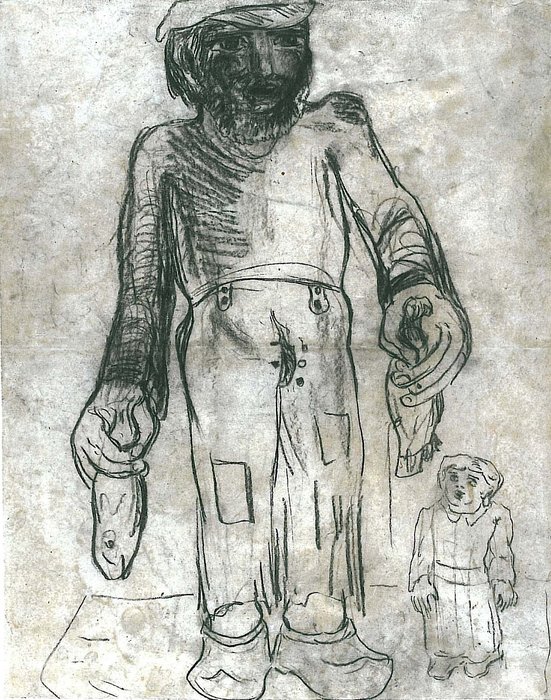
Untitled (217)
 Prikaži više
Giclée / Umjetnički otisak
Giclée tisak muzejske kvalitete ili otisak na platnu uz brzu proizvodnju i fleksibilne opcije završne obrade. ( Kupi ručno naslikanu sliku Kupi digitalnu sliku)




































Odaberite jednu od naših unaprijed definiranih veličina koje odgovaraju izvornim proporcijama umjetničkog djela.

Možete unijeti vlastite dimenzije kako biste umjetničko djelo prilagodili specifičnom okviru ili prostoru. Ako odabrana veličina ne odgovara proporcijama izvornog rada, izrezat ćemo dio slike ili je proširiti pomoću ogledalnog efekta ili jednobojne rubne površine. Digitalni prikaz (mockup) bit će vam poslan na odobrenje prije početka proizvodnje.
Imajte na umu da pregled na zaslonu ne odražava stvarno izrezivanje ili proširivanje. Samo će mockup točno prikazati konačnu kompoziciju.
Iako su dostupne prilagođene veličine, preporučujemo odabir dimenzije iz unaprijed definirane liste kako biste očuvali izvorne proporcije.
Dostava širom svijeta () u roku od 2 tjedna umjesto standardnih 4/5 tjedana. (18 Kolovoz)

Besplatna ekspresna dostava širom svijeta

Visokokvalitetno laneno platno

Potpuno osiguranje dostave

Jamstvo povrata carine i uvoznih poreza

Garancija vjernog podudaranja boja

Politika povrata u roku od 60 dana (samo u slučaju nedostataka)

Jamstvo povrata 100% novca

Popust na više proizvoda
 Opcija stakla dostupna je samo za dimenzije manje od 110 cm

Untitled (217)
Giclée / Umjetnički otisak
Veličina reprodukcije
-


Ukupna cijena
$ 80
Biografija umjetnika
Carl Fredrik Hill: A Landscape Painter Haunted by Darkness
Carl Fredrik Hill (1849–1911) stands as a singular figure in Swedish art history—a painter whose extraordinary talent was tragically overshadowed by debilitating mental illness. Born into the intellectual milieu of Lund University, his father’s insistence on a pragmatic career path contrasted sharply with Hill's innate passion for capturing the beauty and drama of the natural world. Despite familial reservations, he pursued formal training at Stockholm Royal Academy of Fine Arts, subsequently immersing himself in the artistic fervor of Paris, where he encountered the profound impact of Barbizon School aesthetics championed by Camille Corot. Hill’s formative years were marked by a fervent belief that “art has no other goal than the truth, le vrai,” rejecting mere naturalism for an exploration of genuine emotion and psychological depth. Seeking inspiration in diverse locations—Montigny, Champagne, and Normandy—he meticulously documented landscapes imbued with atmospheric subtleties and evocative textures. His artistic ambition was considerable; he famously confessed, "I give myself no peace," driven by a relentless desire to hone his craft. Yet, despite unwavering dedication, Hill’s work remained largely unrecognized during his lifetime, rejected repeatedly at the Paris Salon – a testament to the pervasive prejudice against avant-garde expression in its time. A devastating psychotic episode at the age of 28 abruptly halted his artistic trajectory, culminating in hospitalization and subsequent diagnosis with hallucinations and paranoia. Remarkably, Hill's life took an unexpected turn upon returning home to Sweden, where he found solace under the care of his mother and sister for nearly three decades before succumbing to illness in 1911. His death certificate recorded him as “former landscape painter,” encapsulating a poignant reflection of his artistic legacy—a brilliant artist whose potential was tragically curtailed by mental instability. However, Hill’s creative spirit endured beyond his formal career, entering a second period of prolific output during which he produced approximately four drawings daily. These drawings drew upon imagination and memory alongside references to older art and illustrations, representing a deliberate assertion of control over a world transformed from the one he knew as a young man. As Ragnar Josephson eloquently describes it, “the second great period of his life as a painter,” Hill’s artistic endeavors continued unabated—a testament to his unwavering commitment to visual expression. Hill's distinctive style evolved during this latter phase, characterized by meticulous draughtsmanship and an exploration of unsettling psychological themes. His drawings frequently depicted nude figures rendered in drypoint etching, employing dynamic lines and dramatic shadows to convey emotion and intimacy. These works stand apart from the idyllic landscapes of his early years, reflecting a preoccupation with inner turmoil and confronting viewers with visions of darkness and vulnerability—a profound contribution to Expressionist drawing and a poignant reminder of the artist’s struggle against mental illness. His enduring legacy resides not only in his stunning visual creations but also in their unflinching portrayal of human experience at its most fragile.
Carl Fredrik Hill
1849 - 1911
Osnovne informacije
- Artistic Movement Or Style: Barbizon School, Expressionism
- Artists Or Movements Influenced By This Artist: ['Impressionism']
- Artists Who Influenced This Artist: ['Camille Corot']
- Date Of Birth: 1849
- Date Of Death: 1911
- Full Name: Carl Fredrik Hill
- Nationality: Swedish
- Notable Artworks:
- Untitled (709)
- Untitled (336)
- Untitled (852)
- Place Of Birth: Sweden

