
() ·
A print made for you, with care
Giclée / Umjetnički otisak
Giclée tisak muzejske kvalitete ili otisak na platnu uz brzu izradu i raznolike opcije završne obrade. ( Kupi ručno oslikano djelo Prebacite na digitalnu sliku)
Biografija umjetnika
A De Stijl co-founder known for primary color compositions. Discover the bold geometric world of Bart van der Leck today.
 Prikaži više
od ·
Poglavlje 1
On which medium should it be printed?
Canvas is printed with giclée inks and can be stretched or framed like a painting; paper comes flat, or framed behind glass.
Poglavlje 2
Koje bi dimenzije trebalo imati?
Povucite kako biste promijenili dimenziju; slika s lijeve strane prikazuje okvir u njegovoj stvarnoj širini. Zadržane su proporcije originala.
Odaberite jednu od naših unaprijed definiranih veličina koje odgovaraju izvornim proporcijama umjetničkog djela.

Unesite potrebnu širinu i visinu kako bi odgovarali vašem okviru ili zidu. Print se može samo izrezati, nikada ne može biti veći od slike, stoga format s drugačijim omjerom stranica uzrokuje gubitak dijela slike. Prije bilo kakve štampe šaljemo vam digitalni prikaz (mockup) na odobrenje. Slika prikazana na ovoj stranici ne prikazuje stvarni rez — to prikazuje isključivo digitalni prikaz.
Poglavlje 3
U kakvom bi stanju trebalo stići?
Odaberite rubove platna
Odaberite svoj okvir

Bijela rubna traka €1

Zamućeni rubovi €1

Prošireno €1

P118B €10

P118H €10

P118W €10

P438Z €10

P508JH €12

P508YH €12

P805H €10

P805Z €10

P919BZ €10

P919G €10

P919XJ €10

P959ZH €10

P968JZ €12

W106C €8

W218G €10

W218JH €8

W218Y €10

W307PJ €10

W316G €10

W316PJ €8

W316Y €10

W398PJ €8

W4111J €10

W500HY €15

W500JH €15

W692G €12

W849H €8

W940BG €15

W953PJ €8

H24-GOLD €30

H24-SILVER €30

H36-GOLD €45

H36-SILVER €45
Uokvireno
Profil: . Ukupna veličina s okvirom: .
Poglavlje 4
Dostava širom svijeta () u roku od 2 tjedna umjesto standardnih 4/5 tjedana. (22 Studeni)
Završni dodir
Pločica s natpisom, kao u muzeju?
Detalji gravirane brončane pločice
This elegant plaque features the artist's name and the title of the artwork, finely engraved for a timeless presentation.
It is made from bronze with a refined, elegant finish. The text is precisely laser-engraved for a sharp and permanent result. Measuring 9x2 cm, the plaque is compact yet easy to read. It's built to be durable and scratch-resistant, offering a professional, museum-quality look. Mounting is simple thanks to the included adhesive backing.
Detalji prozirne akrilne pločice
The plaque includes essential engraved details such as the artist's name, the title of the artwork, the date it was created, the type of media used-like oil on canvas or watercolor-a brief description of the piece, and a QR code that links to the complete artwork information.
It is crafted from clear acrylic, offering a sleek, modern appearance. The text is UV-engraved in black to ensure strong visual contrast. With a size of 10x15 cm, it ensures optimal readability. It comes equipped with two metal hooks for secure wall mounting. The plaque is designed to be weather-resistant, making it suitable for various environments, and it includes interactive features that work seamlessly with smartphone scanning.
Detalji crne akrilne pločice
This elegant plaque includes engraved information such as the artist's name, the title of the artwork, the date it was created, the type of media used (like oil on canvas or watercolor), a short description of the artwork, and a QR code for quick access to more information.
The plaque itself is made from refined black acrylic with a premium finish. The text is laser-engraved in white for high contrast and readability. Its size is 10x15 cm, designed to be easy to read. It comes with two metal hooks for professional mounting. The design is sleek and fits any interior style. It is also weather-resistant and durable, with built-in digital integration for mobile compatibility.
Zaštitni lak?
Kada vam je potrebno?
Poglavlje 5
Your print, as you ordered it

Composition
Tehnika reprodukcije
Veličina reprodukcije
-

Okvir za reprodukciju
-
-
Za umjetnička djela ili reprodukcije veće od 105 cm (približno 41 inč) na bilo kojoj strani, okvir će biti isporučen u obliku rastavljenog seta za montažu. Ovaj način osigurava sigurnu dostavu i sprječava oštećenja tijekom transporta.
Potrebna je profesionalna montaža – ovo nije proizvod za samostalnu izradu.
Set mora sastaviti i platno zategnuti iskusni profesionalni uokvirivač, koristeći drvno ljepilo (nije uključeno u set), kljeste za zatezanje platna i stege kako bi se održao pravilan kut letvica dok se ljepilo suši. Nepravilna montaža ili neravnomjerno zategnuto platno mogu trajno oštetiti umjetničko djelo, a takva oštećenja nisu pokrivena našim jamstvom.
 Za umjetnička djela ili reprodukcije veće od 105 cm (približno 41 inč) na bilo kojoj strani, okvir će biti isporučen u obliku rastavljenog seta za montažu. Ovaj način osigurava sigurnu dostavu i sprječava oštećenja tijekom transporta.
Sve letvice od punog drveta su uključene, precizno izrezane po mjeri.
Montira se pomoću priloženih vijaka, uz dodatak ljepila za drvo za spojeve u kutovima, koje nije uključeno u set i koje vaš okviraš mora vlastito nabaviti.
Potrebni su profesionalni alati koji nisu uključeni: škripc za zatezanje platna (zatezač) i stezaljke za održavanje pravokonačnosti letvica tijekom sušenja ljepila.
Važno:
Za spojeve u kutovima potrebno je ljepilo za drvo, letvice se moraju pričvrstiti stezgama dok se ljepilo potpuno ne osuši, a za zatezanje platna na sastavljenom okviru potreban je alat za zatezanje platna. Nijedan od ovih alata nije uključen u set. Molimo vas da prije narudžbe ove veličine osigurate uslugu iskusnog profesionalnog uokvirivača.

Natpisna pločica
-
-

Zaštitni lak
Sjajni lak (pojačava intenzitet boja, štiti od svjetlosti i vlage)
-

Hitna dostava
Dostava širom svijeta () u roku od 2 tjedna umjesto standardnih 4-5 tjedana. (22 Studeni)
-
Brza dostava
Dostava širom svijeta () u roku od 4-5 tjedana. (29 Studeni).
Uključeno u cijenu
Ukupna cijena
€ 72
Opcija stakla dostupna je samo za dimenzije manje od 110 cm
Uključeno uz svaku narudžbu
- Besplatna ekspresna dostava širom svijeta
- Visokokvalitetno laneno platno
- Potpuno osiguranje dostave
- Jamstvo povrata carine i uvoznih poreza
- Jamstvo vjernosti boja
- Politika povrata u roku od 100 dana (samo u slučaju nedostataka)
- Jamstvo povrata 100% novca
- Popust na više proizvoda


 Pregledaj u realnoj veličini

 Pošalji
 Podijeli
 Detalji o umjetničkom djelu
 Vodič


 Preuzmi umjetničko djelo
 Slični predmeti
 Rentgenska snimka
 Slide show
 Pitanja i odgovori
 Statistika
U brojkama
- 1918godina nastanka
- 29okviri koji možete odabrati
- standardne dimenzije, u vlastitim proporcijama
- 5tjedana za slikanje i dostavu
O izvornom djelu

- 108.0 x 107.0cm

Ovo djelo je zaštićeno autorskim pravima
Djelo prikazano na ovoj stranici zaštićeno je autorskim pravima, što znači da zakonski ne možemo izraditi niti prodati identičnu reprodukciju. Ova se zaštita provodi u skladu s međunarodnim sporazumima kao što su Bernska konvencija i nacionalnim zakonima, uključujući i one koji su utvrđeni u Američki zakon o autorskom pravu – Title 17.
Kao poštovana i legalna alternativa, nudimo prilagođena, ručno oslikana umjetnička djela inspirirana originalom. Naši vješti i profesionalni umjetnici pažljivo proučavaju stil, raspoloženje i umjetničku bit originala kako bi stvorili novo, jedinstveno djelo koje izaziva isti osjećaj – ostajući pritom vlastito, originalno stvaralaštvo.
Ova metoda u potpunosti je usklađena s autorskim pravima jer ne uključuje kopiranje ili dupliciranje zaštićenih umjetničkih djela. Umjesto toga, riječ je o kreativnoj reinterpretaciji – novoj slici koja je dobila utjecaj na izvornik, ali nije identična njemu.

Bart van der Leck
1876 - 1958, Netherlands
Brzi pregled o Bart van der Leck
- Artistic Movement Or Style: De Stijl, Neo-Plasticism, Dutch Modernism
- Artists Or Movements Influenced By This Artist: ['De Stijl']
- Artists Who Influenced This Artist:
- Piet Mondrian
- Theo van Doesburg
- Full Name: Bart van der Leck
- Nationality: Dutch
- Notable Artworks:
- Triptych
- Composition
- Place Of Birth: Utrecht, Netherlands
- Date Of Birth: 1876
- Date Of Death: 1958
Biografija umjetnika
The light through the glass
In the workshops of Utrecht, the days began with the careful handling of colored glass. Before he was a painter, Bart van der Leck spent years as an apprentice, learning how light passes through bounded planes of color. This early work in stained glass left a mark on his hands and his eyes. He learned to see the world not as a collection of soft edges, but as a series of distinct, unmodulated shapes. When he eventually moved to Amsterdam to study at the State School of Arts and Crafts and the Rijksakademie van Beeldende Kunsten, he brought this discipline with him.
His early paintings focused on the heavy, tangible reality of Dutch life. He looked closely at washerwomen, dockworkers, and the families of fishermen. These figures were not mere subjects; they were shapes to be distilled. He stripped away the unnecessary, leaving behind flattened forms and primary colors set against neutral backgrounds. There was a certain weight to his compositions, even as he moved toward abstraction.
The geometry of De Stijl
In 1917, a new way of seeing began to take shape through the magazine De Stijl. Alongside Theo van Doesburg and Piet Mondrian, Van der Leck helped establish a movement that sought to find order in the chaos of modern life. While others pushed toward a total disappearance of the subject, Van der and his peers worked with the tension between the visible world and pure form. He did not abandon the recognizable; instead, he transformed it. A mine in Spain or a simple group of people could be reduced to a series of rectangles and primary hues.
His approach was often more grounded than that of Mondrian. Even as his style became increasingly geometric, a link to the physical world remained. He used:
- Primary colors like red, blue, and yellow
- White or neutral backgrounds to create space
- Rectilinear shapes that suggested structure
- A sense of integration between painting and the architecture around it
Design and the printed word
The boundaries of his work often dissolved into the everyday. He did not stay confined to the canvas, finding utility in ceramics, textiles, and posters. In 1930, a commission for the Dutch department store Metz & Co. brought his geometric sensibilities to branding and window packaging. This period saw him developing a specific, constructed alphabet. By 1941, this lettering became a typeface for the magazine Flax, a design that later found new life in digital forms like Architype van der Leck.
He lived much of his life away from the larger cultural centers, settling in Blaricum. He was a man who kept to himself, often avoiding the noise of group exhibitions and international travel. Much of what he created remained within the Netherlands, held in collections like the Kröller-Müller Museum. His work remains a study in how much can be taken away from an image before it loses its connection to the earth.
Srodni članci
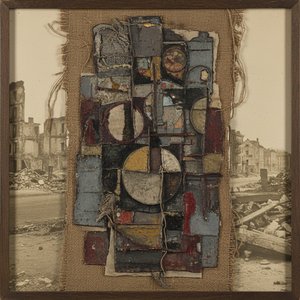
Lech Jankowski: Polish Abstraction & the Materiality of Post-War Identity
Explore the compelling work of Lech Jankowski, a leading figure in Polish post-war abstraction. Discover his unique exploration of materiality, identity, and surreal landscapes – a valuable addition to any discerning art collection.

Masterpieces of Abstraction: The Top 25 Wassily Kandinsky Artworks
Explore 25 iconic Wassily Kandinsky masterpieces. Journey through abstract expressionism and discover the full collection on OriginalUniqueArt.com.
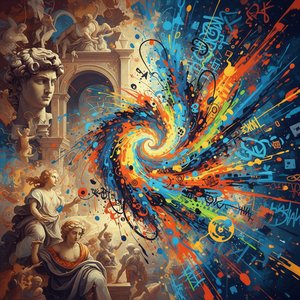
The Energetic Canvas: Exploring Dynamic Composition in Art History & Contemporary Practice
Explore the history of dynamic composition in art, from Renaissance chiaroscuro to modern asymmetry. Learn how masterful artists used balance & symmetry – and what collectors should look for.
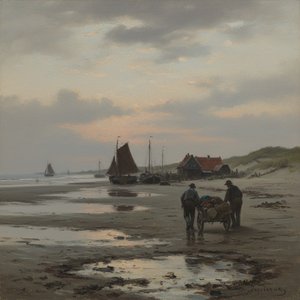
Jan Hendrik Weissenbruch: A Master of Dutch Realism & Atmospheric Light
Explore the captivating world of Jan Hendrik Weissenbruch, a master of Dutch Realism. Discover his atmospheric landscapes, influences, and legacy within the Hague School. Learn about this 19th-century artist's unique style & enduring impact.