

 Pregledaj u stvarnoj veličini
 Podijeli
 Podijeli
 Detalji
 Vodič
Vodič

 Preuzmi datoteku
 Slični predmeti
 Rentgenska snimka
 Slide show
 Statistika
Čajska posuda


 Pročitajte više
Giclée / Umjetnički otisak
Giclée tisak muzejske kvalitete ili otisak na platnu uz brzu proizvodnju i fleksibilne opcije završne obrade. ( Naručite ručno oslikano reprodukciju Prebacite na digitalnu prodaju slika)




P118B €10

P118H €10

P118W €10

P438Z €10

P508JH €12

P508YH €12

P805H €10

P805Z €10

P919BZ €10

P919G €10

P919XJ €10

P959ZH €10

P968JZ €12

W106C €8

W218G €10

W218JH €8

W218Y €10

W307PJ €10

W316G €10

W316PJ €8

W316Y €10

W398PJ €8

W4111J €10

W500HY €15

W500JH €15

W692G €12

W849H €8

W940BG €15

W953PJ €8




Odaberite jednu od naših unaprijed definiranih veličina koje odgovaraju izvornim proporcijama umjetničkog djela.

Unesite širinu i visinu koja vam je potrebna, kako bi odgovarali vašem okviru ili zidu. Print se može samo izrezati, nikada ne može biti veći od slike, stoga veličina s drugačijim oblikom gubi dio slike. Šaljemo vam digitalni prikaz (mockup) na odobrenje prije bilo kakve štampe. Slika prikazana na ovoj stranici ne prikazuje stvarni rez — to čini samo digitalni prikaz.
Dostava širom svijeta () u roku od 2 tjedna umjesto standardnih 4/5 tjedana. (21 Listopad)

Besplatna ekspresna dostava širom svijeta

Visokokvalitetno laneno platno

Potpuno osiguranje transporta

Jamstvo povrata carine i uvoznih poreza

Jamstvo vjernosti boja

Politika povrata u roku od 100 dana (samo u slučaju nedostataka)

Jamstvo povrata 100% novca

Popust na više proizvoda
 Opcija stakla dostupna je samo za dimenzije manje od 110 cm

Čajska posuda
Giclée / Umjetnički otisak
Veličina reprodukcije
-


Ukupna cijena
€ 70
A Delicate Echo of Antiquity: Exploring Balthasar Wigand’s Tea Container
The painting “Tea Container” by Austrian artist Balthasar Wigand, created in 1820, offers a captivating glimpse into the artistic fervor of early Romanticism. More than just a depiction of an everyday object—a simple tea container—it embodies a profound fascination with classical ideals and meticulous craftsmanship that speaks volumes about Wigand’s artistic vision. Currently housed at the Wien Museum in Vienna, Austria, this miniature masterpiece invites contemplation on beauty, precision, and the enduring influence of Greco-Roman art.The Artist's Singular Pursuit: John Henning and Miniature Sculpture
Before delving into the specifics of Wigand’s work, it’s crucial to appreciate the context surrounding his artistic endeavors. John Henning (1771–1851), a Scottish sculptor whose career took an extraordinary turn, achieved fame not through grand monuments but through an astonishing undertaking: recreating the Parthenon and Bassae friezes on a scale that defied convention. These monumental replicas, stretching over twenty-four feet in length yet only two inches high, demonstrated Henning’s unparalleled dedication to accuracy and his passion for reviving classical forms within British artistic circles. This ambitious project underscores the broader cultural preoccupation with antiquity during Wigand's time—a desire to emulate the grandeur and intellectual rigor of ancient Greece.Style and Technique: Gouache on Canvas – A Celebration of Detail
“Tea Container” exemplifies Wigand’s masterful technique, utilizing gouache paint on canvas. Gouache is known for its opacity and ability to achieve vibrant colors while maintaining a matte finish—a deliberate choice that enhances the painting's understated elegance. Wigand’s meticulous attention to detail is evident in every brushstroke, capturing the subtle textures of the wooden base, the gleaming gold trim, and most notably, the delicate scattering of tea leaves within the container. This painstaking process speaks to Wigand’s commitment to faithfully reproducing reality, mirroring Henning's dedication to recreating monumental sculptures with astonishing precision. The resulting image possesses a serene beauty—a testament to Wigand’s skill in conveying atmosphere and capturing the essence of his subject matter.Symbolism Beyond Form: Echoes of Classical Ideals
The choice of depicting a tea container itself carries symbolic weight. Tea, originating from China, represented exotic luxury and refinement during the Victorian era – a period marked by an intense interest in Oriental culture. Wigand’s selection subtly nods to this cultural exchange, aligning with the broader artistic movement's embrace of influences from distant lands. Furthermore, the container’s form—simple yet elegant—reflects classical ideals of harmony and balance, mirroring the architectural principles championed by artists like Henning. The painting isn’t merely a representation of an object; it’s a conduit for conveying values rooted in antiquity – beauty, order, and contemplation.Emotional Resonance: A Quiet Reflection on Artistic Mastery
Ultimately, “Tea Container” transcends its subject matter to evoke a feeling of quiet reverence. Its muted palette and meticulous rendering invite viewers to appreciate the artistry involved—the dedication required to achieve such remarkable accuracy. Like Henning’s miniature sculptures, Wigand's work speaks to an enduring fascination with classical art and a belief in the transformative power of artistic imitation. Reproductions of this piece offer not only visual delight but also access to a rich artistic heritage, allowing collectors and interior designers alike to incorporate a subtle reminder of timeless beauty into their spaces.Pitanja i odgovori
Prikazuje li "Čajska posuda" snažne kontraste svjetla i sjene?
Svijetlo-tamni kontrast djela "Čajska posuda" zabilježen je kao Izjava. Kontrast opisuje razliku u intenzitetu između svijetlijih i tamnijih područja.
Odakle dolaze posjetitelji djela "Čajska posuda" autora Balthasar Wigand?
Postoji Statistika stranica za "Čajska posuda". Ona prikazuje mjesečne posjete umjetničkom djelu i drugim djelima umjetnika, uz podelu prema zemljama i jezicima.
Čemu je namijenjena reprodukcija djela "Čajska posuda" autora Balthasar Wigand?
Preporučena upotreba djela "Čajska posuda" autora Balthasar Wigand je Akcent. Može poslužiti i u druge svrhe.
Povezani članci

Neo-Classicism's Greatest Hits: 10 Masterpieces for Your Home |
Journey through Neo-Classicism's finest! Explore 10 iconic masterpieces by David, Ingres & Canova. Discover art history, techniques & timeless beauty – perfect for inspiring your home decor. Find museum-quality reproductions at
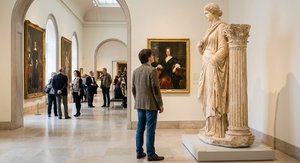
The Enduring Legacy of Classical Style: Form, Narrative & Influence in Art
Explore the enduring legacy of classical art – from ancient Greece & Rome to Neoclassicism. Discover key artists, philosophical roots & build a timeless collection with OriginalUniqueArt's expert guidance.
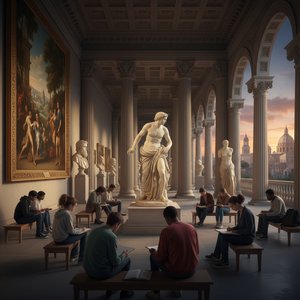
The Enduring Legacy of Classicism: Principles, Evolution & Influence in Western Art
Explore the enduring legacy of Classicism in Western art! Discover its historical context, key principles, iconic masterpieces & lasting influence. Learn about Renaissance and Neoclassical movements with OriginalUniqueArt.
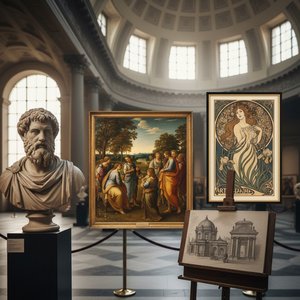
Timeless Resonance: Exploring Classic Vibe in Art – A Historical & Aesthetic Analysis
Explore the rich history & enduring aesthetic of Classicism art! Discover key movements, iconic artists like Raphael & David, and its lasting influence on Western art. Deepen your appreciation today.
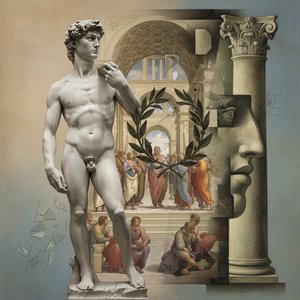
The Enduring Echo of Antiquity: Classical Ideals in Art from Renaissance to Modernism
Explore the lasting impact of classical ideals on art from the Renaissance to Modernism. Discover key movements, iconic artists & find museum-quality reproductions at OriginalUniqueArt.
