

 Pregledaj u stvarnoj veličini
 Podijeli
 Podijeli
 Detalji
 Vodič
Vodič

 Preuzmi datoteku
 Slični predmeti
 Rentgenska snimka
 Slide show
 Statistika
Fruit, Flowers, and Shells
 Oil On Canvas
- WallArt
- Baroque Still Life
 1629
1629- Renaissance
 55.0 x 89.0 cm
 Toledo Museum of Art
 Pročitajte više
Giclée / Umjetnički otisak
Giclée tisak muzejske kvalitete ili otisak na platnu uz brzu proizvodnju i fleksibilne opcije završne obrade. ( Naručite ručno oslikano reprodukciju Prebacite na digitalnu prodaju slika)




P118B €10

P118H €10

P118W €10

P438Z €10

P508JH €12

P508YH €12

P805H €10

P805Z €10

P919BZ €10

P919G €10

P919XJ €10

P959ZH €10

P968JZ €12

W106C €8

W218G €10

W218JH €8

W218Y €10

W307PJ €10

W316G €10

W316PJ €8

W316Y €10

W398PJ €8

W4111J €10

W500HY €15

W500JH €15

W692G €12

W849H €8

W940BG €15

W953PJ €8




Odaberite jednu od naših unaprijed definiranih veličina koje odgovaraju izvornim proporcijama umjetničkog djela.

Unesite širinu i visinu koja vam je potrebna, kako bi odgovarali vašem okviru ili zidu. Print se može samo izrezati, nikada ne može biti veći od slike, stoga veličina s drugačijim oblikom gubi dio slike. Šaljemo vam digitalni prikaz (mockup) na odobrenje prije bilo kakve štampe. Slika prikazana na ovoj stranici ne prikazuje stvarni rez — to čini samo digitalni prikaz.
Dostava širom svijeta () u roku od 2 tjedna umjesto standardnih 4/5 tjedana. (22 Listopad)

Besplatna ekspresna dostava širom svijeta

Visokokvalitetno laneno platno

Potpuno osiguranje transporta

Jamstvo povrata carine i uvoznih poreza

Jamstvo vjernosti boja

Politika povrata u roku od 100 dana (samo u slučaju nedostataka)

Jamstvo povrata 100% novca

Popust na više proizvoda
 Opcija stakla dostupna je samo za dimenzije manje od 110 cm

Fruit, Flowers, and Shells
Giclée / Umjetnički otisak
Veličina reprodukcije
-


Ukupna cijena
€ 70
A Symphony of Natural Wonders: Balthasar van der Ast’s *Fruit, Flowers, and Shells*
Balthasar van der Ast's 1629 masterpiece, *Fruit, Flowers, and Shells*, is more than a still life; it’s a meticulously crafted window into the burgeoning world of Dutch Golden Age artistry and intellectual curiosity. This painting, measuring 55 x 89 cm, immediately captivates with its astonishing detail – a profusion of exquisitely rendered fruit, flowers, and shells that seem poised to leap from the canvas. Van der Ast’s skill isn't merely in depicting these objects; it lies in his ability to imbue them with a sense of scientific observation and humanist contemplation, reflecting the profound shifts occurring across Europe during the 16th and 17th centuries.
The Art of Shell Painting and Scientific Observation
Van der Ast’s reputation rests largely on his pioneering work in shell painting, a technique demanding an almost obsessive attention to detail. He elevates the humble shell – sourced from exotic locales like the South Pacific and Indian Ocean – into objects of profound beauty and scientific interest. The inclusion of these shells, alongside rare tulips (introduced to Europe from Turkey around 1550), parrots, lizards, and crickets, speaks to the era’s fascination with natural history and the collecting of curiosities. This wasn't simply about aesthetic pleasure; it mirrored the burgeoning scientific revolution, where artists like Van der Ast were engaged in a rigorous study of form, texture, and color – mirroring the advancements being made in astronomy, physics, and medicine.
A Dutch Masterpiece: Technique and Composition
The painting’s composition is masterful. Each element—the apples, grapes, pears, plums, peaches, cherries, oranges, rose, and carnation – occupies a distinct space, inviting the viewer to examine each object with careful attention. The inclusion of the Chinese Wan-li porcelain vase, enhanced with a gilded base crafted by a European goldsmith, further underscores the cross-cultural influences shaping Dutch art at the time. Van der Ast’s use of light and shadow is particularly noteworthy, creating a sense of depth and volume that brings the still life to vibrant life. His meticulous layering of glazes – a hallmark of Flemish painting – ensures an incredible richness of color and texture, allowing for subtle variations in tone that contribute significantly to the work's realism.
Symbolism and Emotional Resonance
*Fruit, Flowers, and Shells* transcends mere representation; it’s laden with symbolic meaning. The abundance of fruit represents fertility, prosperity, and the bounty of nature – themes frequently explored in Dutch art. The flowers, particularly the rose and carnation, carry their own traditional associations, adding layers of interpretation. Beyond this, the painting evokes a sense of quiet contemplation and appreciation for the beauty of the natural world. It’s a testament to Van der Ast's ability to capture not just what he saw, but also the emotions and ideas associated with his subject matter – a skill that continues to resonate with viewers today.
Pitanja i odgovori
Koji umjetnik se pripisuje djelu "Fruit, Flowers, and Shells"?
Autor djela "Fruit, Flowers, and Shells" je Balthasar Van Der Ast.
Koliko je "Fruit, Flowers, and Shells" popularno unutar pokreta Baroque Still Life?
Unutar Baroque Still Life pokreta, "Fruit, Flowers, and Shells" ima Recognized razinu popularnosti.
U kojoj je godini nastalo djelo "Fruit, Flowers, and Shells" autora Balthasar Van Der Ast?
Djelo "Fruit, Flowers, and Shells" datira iz 1629. Taj datum smješta rad unutar karijere Balthasar Van Der Ast i pripadajućeg mu doba.
Biografija umjetnika
Majstor minijaturnog svemira: Balthasar van der Ast
U zlatnoj svjetlosti nizozemskog šesnaestog stoljeća, razdoblja koje je obilježilo neviđeno prosperitet i znanstvena znatiželja, Balthasar van der Ast pojavio se kao virtuoz malih remek-djela. Rođen u Middelburgu oko 1593. godine, van der Ast nije samo slikao predmete; on je na platnu orkestrirao tihe drame. Njegov život bio je duboko isprepleten s rastućom trgovačkom kulturom Zeelanda, kao sin prosperitetnog trgovca vunenom tkaninom, Hansa van der Ast. Ovakva pozadina pružila mu je više od same društvene stabilnosti; donijela mu je rano upoznavanje s egzotičnom robom i dragocjenim uzorcima koji će kasnije postati protagonisti njegovih slavnih mrtvih priroda.
Put kojim se kretala njegova umjetnička duša nepovratno je oblikovan povezanost s dinastijom Bosschaert. Putem obiteljske veze, van der Ast postao je štitnik legendarnog Ambrosija Bosschaerta starijeg, svog očaja. Pod ovim mentorstvom, usavršio je pedantnu preciznost potrebnu za "cvjetne kompozicije", žanr koji je zahtijevao gotovo mikroskopsku razinu promatranja. Ova linija izvrsnosti omogućila mu je usavršavanje tehnike koju karakteriziraju suptilne tonalne gradacije i duboko poštovanje prema fizičkoj teksturi prirode. Nije bio sam u toj potrazi za savršenstvom; zajedno sa svojim zetovima, pomogao je uzgajati stilski pokret koji je davao prednost delikatnoj interakciji svjetla i sjene, pretvarajući jednostavne botaničke studije u duboke meditacije o postojanju.
Simfonija školjki i flora
Dok su se mnogi njegovi suvremenici fokusirali isključivo na prolaznu ljepotu cvijeća, van der Ast je postigao povijesnu besmrtnost kroz svoja pionirska istraživanja konholoških tema. Postao je pionir slikanja školjaka, tretirajući kalcificirane ostatke morskih stvorenja s istim poštovanjem kao i najmekši latice. U djelima poput "Mrtve prirode s šljivama, trešnjama i školjkama," može se svjedočiti nevjerojatnom spoju različitih tekstura: sočnog, prozirnog op Policija voća u kontrastu s tvrdim, bisernim površinama egzotičnih školjki. Ova fascinacija nije bila samo estetska; ona je odražavala rastuće znanstveno zanimanje tog doba za prirodnom poviješću i globalni dosegnut nizozemske pomorske trgovine.
Njegove kompozicije često su funkcionirale kao mnogo više od pukog prikaza bogatstva ili botaničke točnosti. Pažljivo promatrati van der Astovu sliku znači uroniti u složenu mrežu simbolike ukorijenjenu u humanističkoj filozofiji. Unutar njegovih aranžmana mogli bismo pronaći:
- Prolaznu prirodu života: Prikazanu kroz venile latice ili kukce koji konzumiraju upravo onu ljepotu u kojoj borave.
- Znanstveno promatranje: Pedantno bilježenje vrsta, što odražava Doba otkrića i tadašnju žeđ za znanjem.
- Teme Vanitasa: Suptilne podsjetnike na smrtnost, gdje truljenje voća služi kao potresno memento mori.
Naslijeđe i umjetnička važnost
Utjecaj Balthasara van der Asta protezao se daleko izvan njegovog vlastitog studija u Utrechtu. Prihvaćanjem umjetnika poput Roelandta Saveryja u lokalnu ceh, pomogao je potaknuti okruženje u kojem su tonalnost i realizam mogli cvjetati. Njegova sposobnost da nežnim potezom infuzira nežive predmete osjećajem života — kvaliteta koja se vidi u njegovim prikazima guštera i kukaca koji se vuku među voćem — postavila je novi standard za nizozemsko Zlatno doba. Pomaknuo je žanr mrtve prirode od statičnog aranžmana prema dinamičnijoj, živoj stvarnosti.
Danas njegova djela ostaju temelj svjetskih muzejskih kolekcija, od British Museuma do velikih europskih galerija. Njegovo naslijeđe nalazi se u svakom potezu kista koji bilježi kap rose na listu ili iridiscentni sjaj morske školjke. Balthasar van der Ast ostaje titan Stillevena, umjetnik koji je naučio svijet pronaći beskrajno u beskrajno malom, i koji je skromne predmete prirodnog svijeta pretvorio u vječne ikone ljepote.

Balthasar Van Der Ast
1593 - 1657 , Nizozemska
Brzi pregled
- Artistic Movement Or Style: Zlatnodobsko slikarstvo
- Artists Or Movements Influenced By This Artist: Dutch Baroque
- Artists Who Influenced This Artist: Ambrosius Bosschaert
- Date Of Birth: 1593
- Date Of Death: 1657
- Full Name: Balthasar van der Ast
- Nationality: Nizemac
- Notable Artworks:
- Voće i školjke na klupku
- Tulipan
- Gušter i školjka
- Place Of Birth: Middelburg, Nizemlanda
Povezani članci
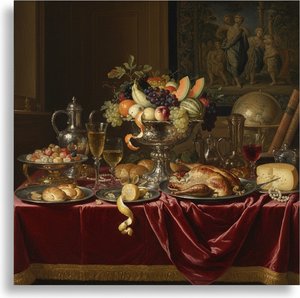
Abraham Hendricksz van Beyeren: Pioneering Dutch Still Life & the Banquet Tradition
Explore the captivating world of Dutch Golden Age still life with Abraham van Beyeren. Discover his innovative techniques, symbolic banquet scenes & lasting influence on art history. Learn about collecting these masterpieces.

Rembrandt van Rijn: 25 Majstorstava Svjetla i Sjene | Reprodukcije za Vaš Dom
Uronite u svijet Rembrandta van Rijna! Otkrijte 25 najpoznatijih djela nizozemskog baroka, priče iza portreta i biblijskih scena te majstorstvo svjetla i sjene. Kupite reprodukcije vrhunske kvalitete za vaš dom na OriginalUniqueArt.com

Golden Light & Dutch Skies: The Timeless Magic of Dutch Golden Age Landscapes
Discover the breathtaking beauty of Dutch Golden Age landscapes. Explore the mastery of light, chiaroscuro, and 17th-century realism through an expert art history lens, celebrating the enduring legacy of the Dutch Masters for discerning collectors and art lovers.

Golden Age Reflections: Dutch Baroque Painting & Cultural Innovation
Explore the Dutch Golden Age of painting! Discover key artists like Vermeer & ter Borch, their innovative techniques, and the rich cultural context behind these Baroque masterpieces. Learn about collecting & appreciating this iconic art period.

Zlatno Dobo Nizozemske: 10 Remekdjela Koja Su Definirala Umjetnost i Dekor
Otkrijte remekdjela nizozemskog Zlatnog doba! Uronite u svijet Rembrandta, Vermeera i drugih majstora. 10 slika koje su definirale holandsku umjetnost & barokni stil. Inspirirajte se za dekoraciju doma s OriginalUniqueArt.com – reprodukcije vrhunske kvalitete!