
 Pregledaj u realnoj veličini
 Pošalji
 Podijeli
 Detalji o umjetničkom djelu
 Vodič
Vodič

 Preuzmi umjetničko djelo
 Slični predmeti
 Rentgenska snimka
 Slide show
 Statistika
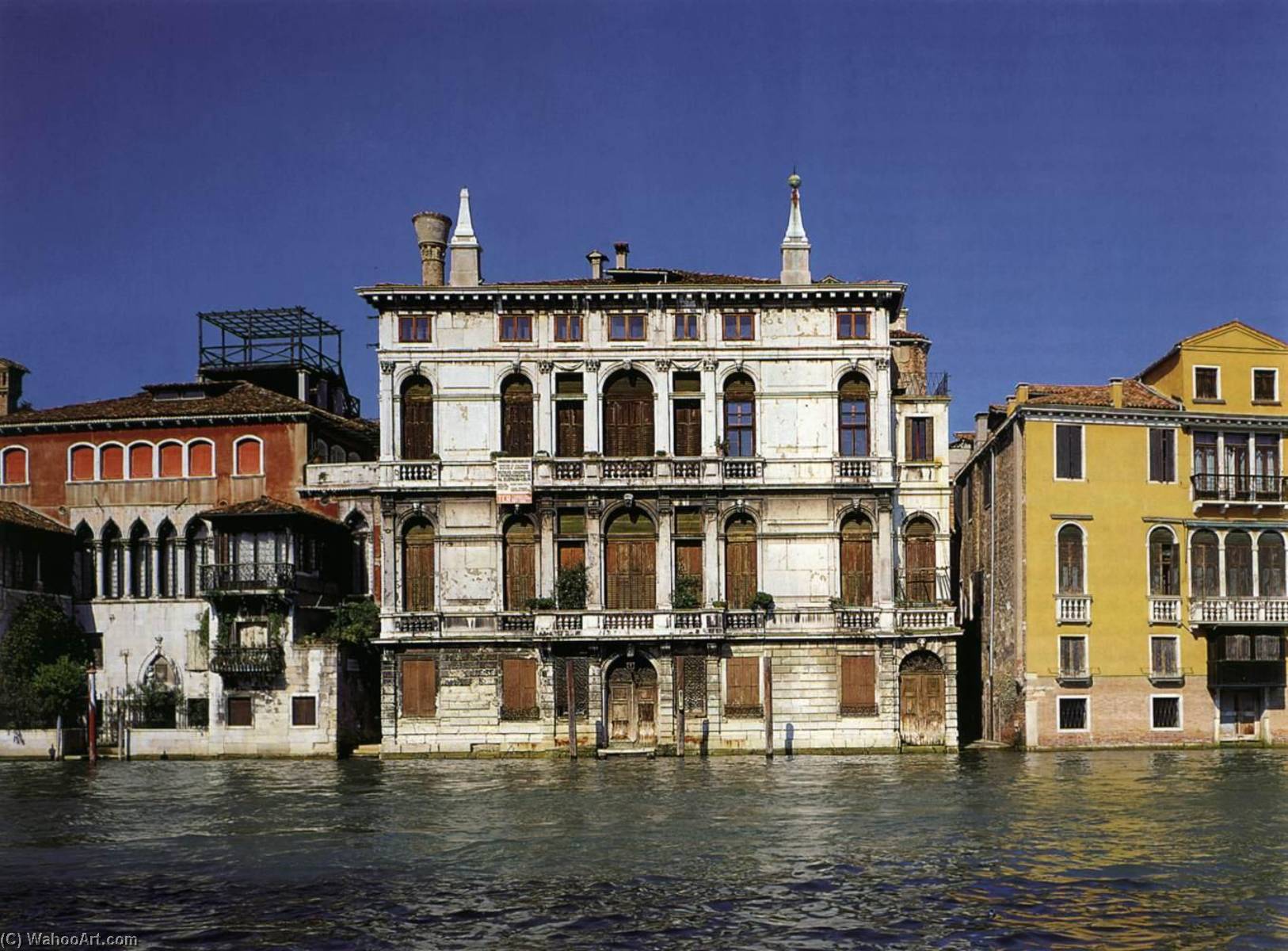
Palazzo Giustinian Lolin Façade


 Prikaži više
Giclée / Umjetnički otisak
Giclée tisak muzejske kvalitete ili otisak na platnu uz brzu izradu i raznolike opcije završne obrade. ( Kupi ručno oslikano djelo Prebacite na digitalnu sliku)




































Odaberite jednu od naših unaprijed definiranih veličina koje odgovaraju izvornim proporcijama umjetničkog djela.

Unesite potrebnu širinu i visinu kako bi odgovarali vašem okviru ili zidu. Print se može samo izrezati, nikada ne može biti veći od slike, stoga format s drugačijim omjerom stranica uzrokuje gubitak dijela slike. Prije bilo kakve štampe šaljemo vam digitalni prikaz (mockup) na odobrenje. Slika prikazana na ovoj stranici ne prikazuje stvarni rez — to prikazuje isključivo digitalni prikaz.
Dostava širom svijeta () u roku od 2 tjedna umjesto standardnih 4/5 tjedana. (28 Listopad)

Besplatna ekspresna dostava širom svijeta

Visokokvalitetno laneno platno

Potpuno osiguranje dostave

Jamstvo povrata carine i uvoznih poreza

Jamstvo vjernosti boja

Politika povrata u roku od 100 dana (samo u slučaju nedostataka)

Jamstvo povrata 100% novca

Popust na više proizvoda
 Opcija stakla dostupna je samo za dimenzije manje od 110 cm

Palazzo Giustinian Lolin Façade
Giclée / Umjetnički otisak
Veličina reprodukcije
-


Ukupna cijena
€ 71
Biografija umjetnika
Baldassare Longhena: Architect of Venetian Dreams
Born in the heart of Venice in 1598, Baldassare Longhena’s life was inextricably linked to the city's artistic and architectural destiny. His father, a skilled stone carver, recognized his son’s innate talent early on, securing him an apprenticeship under the renowned architect Vincenzo Scamozzi – a pivotal connection that would shape Longhena’s entire career. This formative period instilled in him not only technical mastery but also a deep appreciation for classical principles and a burgeoning desire to transform Venice into a city of unparalleled beauty. Longhena's legacy isn't simply one of buildings; it’s the embodiment of Venetian spirit, reflecting its grandeur, resilience, and enduring connection to the sea.
Early Influences and Apprenticeship
Scamozzi’s workshop proved to be a crucible for Longhena’s artistic development. He immersed himself in the study of Roman architecture, meticulously analyzing the proportions and harmonies of ancient structures. Scamozzi's influence extended beyond mere technique; he instilled a profound understanding of spatial relationships and the importance of light and shadow – elements that would become hallmarks of Longhena’s distinctive style. Crucially, Scamozzi introduced him to the principles of Palladian architecture, a movement that profoundly impacted Venetian design during this period. This exposure to both Scamozzi's more restrained approach and Palladio’s classical elegance laid the foundation for Longhena’s own unique synthesis.
Mastering the Grand Canal: Palaces and Public Spaces
Following Scamozzi’s death in 1647, Longhena assumed responsibility for completing several significant projects, demonstrating his immediate capacity to lead. He masterfully executed Scamozzi's ambitious Procuratie Nuove in St. Mark’s Square – a complex of imposing residences and offices that dramatically reshaped the Piazza and established a new standard for Venetian civic architecture. This project showcased his ability to integrate classical elements with contemporary needs, creating a space both functional and aesthetically compelling. His subsequent designs included the Palazzo Belloni Battaglia and the Palazzo Giustiniani Lolin, further solidifying his reputation as a leading architect of Venice’s elite.
The Basilica di Santa Maria della Salute: A Monument to Faith and Innovation
Longhena's most celebrated achievement is undoubtedly the Basilica di Santa Maria della Salute (1631/32–1687), a masterpiece that stands as a testament to his genius. Commissioned in thanksgiving for deliverance from the devastating plague of 1630, the basilica’s design was revolutionary for its time. Its imposing façade, modeled on Roman triumphal arches, dominates the Venetian skyline and serves as a powerful symbol of faith and resilience. The church's interior is equally impressive, featuring soaring domes, intricate frescoes, and a masterful use of light – all orchestrated to create an atmosphere of awe and reverence. Longhena’s innovative approach to structural engineering, particularly in the design of the dome and its supporting buttresses, was groundbreaking and set a new precedent for Venetian architecture.
Legacy and Influence
Baldassare Longhena's influence extended far beyond his own lifetime. His designs served as models for subsequent architects, both in Venice and throughout Europe. The principles of spatial organization, light manipulation, and classical harmony that he championed continue to resonate in Venetian architecture today. His work exemplifies the culmination of centuries of artistic tradition, blending Roman grandeur with Venetian sensibility. Longhena’s legacy is not merely one of buildings; it's a reflection of Venice itself – a city of beauty, innovation, and enduring spirit. His contributions remain integral to understanding the evolution of Baroque architecture and the unique character of the Serenissima.

Baldassare Longhena
1598 - 1682
Osnovne informacije
- Artistic Movement Or Style: Baroque Architecture
- Artists Or Movements Influenced By This Artist:
- Italian Baroque Art
- Venetian Architecture
- Artists Who Influenced This Artist:
- Vincenzo Scamozzi
- Andrea Palladio
- Date Of Birth: 1598
- Date Of Death: 1682
- Full Name: Baldassare Longhena
- Nationality: Italian
- Notable Artworks:
- Santa Maria della Salute
- Ca' Rezzonico
- Ca' Pesaro Facade
- Place Of Birth: Venice, Italy