

 Pregledaj u stvarnoj veličini
 Podijeli
 Podijeli
 Detalji
 Vodič
Vodič

 Preuzmi datoteku
 Slični predmeti
 Rentgenska snimka
 Slide show
 Statistika
Bathsheba
 Baroque Realism
 258.0 x 218.0 cm
 Neues Palais
 Pročitajte više
Giclée / Umjetnički otisak
Giclée tisak muzejske kvalitete ili otisak na platnu uz brzu proizvodnju i fleksibilne opcije završne obrade. ( Naručite ručno oslikano reprodukciju Prebacite na digitalnu prodaju slika)




P118B €10

P118H €10

P118W €10

P438Z €10

P508JH €12

P508YH €12

P805H €10

P805Z €10

P919BZ €10

P919G €10

P919XJ €10

P959ZH €10

P968JZ €12

W106C €8

W218G €10

W218JH €8

W218Y €10

W307PJ €10

W316G €10

W316PJ €8

W316Y €10

W398PJ €8

W4111J €10

W500HY €15

W500JH €15

W692G €12

W849H €8

W940BG €15

W953PJ €8




Odaberite jednu od naših unaprijed definiranih veličina koje odgovaraju izvornim proporcijama umjetničkog djela.

Unesite širinu i visinu koja vam je potrebna, kako bi odgovarali vašem okviru ili zidu. Print se može samo izrezati, nikada ne može biti veći od slike, stoga veličina s drugačijim oblikom gubi dio slike. Šaljemo vam digitalni prikaz (mockup) na odobrenje prije bilo kakve štampe. Slika prikazana na ovoj stranici ne prikazuje stvarni rez — to čini samo digitalni prikaz.
Dostava širom svijeta () u roku od 2 tjedna umjesto standardnih 4/5 tjedana. (24 Listopad)

Besplatna ekspresna dostava širom svijeta

Visokokvalitetno laneno platno

Potpuno osiguranje transporta

Jamstvo povrata carine i uvoznih poreza

Jamstvo vjernosti boja

Politika povrata u roku od 100 dana (samo u slučaju nedostataka)

Jamstvo povrata 100% novca

Popust na više proizvoda
 Opcija stakla dostupna je samo za dimenzije manje od 110 cm

Bathsheba
Giclée / Umjetnički otisak
Veličina reprodukcije
-


Ukupna cijena
€ 70
Artemisia Gentileschi’s “Bathsheba”: A Portrait of Resilience and Caravaggio’s Shadow
OriginalUniqueArt.com presents a breathtaking hand-painted reproduction of Artemisia Gentileschi's enigmatic "Bathsheba," a work steeped in the drama and emotional intensity that defined the artist’s extraordinary career. Dating from an unknown period, this painting offers a compelling glimpse into a pivotal biblical narrative – the story of Bathsheba, David’s loyal wife after his adulterous affair – filtered through Gentileschi's masterful lens. The scene unfolds with a palpable sense of quiet contemplation and underlying tension, immediately drawing the viewer into its complex emotional landscape.
Caravaggism at its Finest: Light, Shadow, and Human Drama
Born in Rome in 1593, Artemisia Gentileschi was a product of her father, Orazio Gentileschi’s, artistic tutelage. Heavily influenced by the revolutionary realism championed by Caravaggio, Artemisia inherited his signature style – a dramatic use of tenebrism, where stark contrasts between light and dark sculpt the forms and heighten the emotional impact. Observe how Gentileschi expertly manipulates light to focus attention on Bathsheba herself, subtly illuminating her face and gestures while casting the surrounding figures in deeper shadow. This technique isn’t merely stylistic; it serves to underscore the vulnerability and quiet strength of the central figure, a hallmark of Caravaggio's approach to portraying biblical subjects.
- Tenebrism: The dramatic use of light and dark creates a powerful sense of drama.
- Realism: Gentileschi’s commitment to realistic depiction – evident in the textures of clothing, the expressions on faces – grounds the biblical story in a tangible human experience.
- Composition: The carefully arranged figures contribute to the overall narrative tension and invite contemplation about Bathsheba's internal struggle.
Symbolism and Narrative Depth: A Complex Scene
The painting’s composition is rich with symbolic detail, reflecting the complexities of the biblical story. The presence of multiple women – standing close together, engaged in conversation – suggests a network of relationships and potential alliances. The carefully placed objects—the bowls, cups, and vases—are not merely decorative; they evoke a sense of domesticity and perhaps hint at the social rituals surrounding Bathsheba’s position. While the exact narrative context remains open to interpretation, it is widely believed that this scene depicts the aftermath of David's sin, a moment of reflection and potential judgment. The painting powerfully conveys the emotional weight of guilt, loyalty, and the consequences of transgression.
A Masterpiece of Emotional Resonance – Perfect for Your Space
This hand-painted reproduction captures not just an image but the very soul of Artemisia Gentileschi’s artistic vision. Measuring 258 x 218 cm, this artwork commands attention and adds a touch of historical gravitas to any interior space. Its dramatic composition, masterful use of light and shadow, and profound emotional depth make it a truly exceptional piece for art collectors, design enthusiasts, and anyone seeking to infuse their surroundings with the power and beauty of Baroque artistry. OriginalUniqueArt.com offers this stunning reproduction as a testament to Artemisia’s legacy – a legacy of courage, talent, and enduring artistic impact.
Pitanja i odgovori
Je li "Bathsheba" dostupan kao umjetnička litografija?
Otisak djela "Bathsheba" autora Artemisia Gentileschi možete naručiti izravno na njegovoj stranici Umjetnička litografija: umjetnički otisak na pamučnom platnu ili arhivskom kanvas papiru.
U kojem se muzeju čuva izvornik djela "Bathsheba"?
Originalno djelo "Bathsheba" autora Artemisia Gentileschi čuva se u muzeju Neues Palais, Potsdam, Njemačka. Reprodukcija omogućuje prikazivanje ovog djela u vašem domu.
Tko je stvorio "Bathsheba"?
Autor djela "Bathsheba" je Artemisia Gentileschi.
Biografija umjetnika
A Daughter of Rome: The Life and Art of Artemisia Gentileschi
Artemisia Gentileschi’s name echoes through the halls of art history, resonating not simply as that of a painter, but as an emblem of resilience, defiance, and extraordinary artistic talent in a world determined to silence female voices. Born in Rome in 1593, she entered a milieu steeped in artistry—her father, Orazio Gentileschi, was a respected painter deeply influenced by the revolutionary realism of Caravaggio. From her earliest years, Artemisia’s gift was undeniable, nurtured within her father's workshop where she absorbed techniques of composition and the dramatic use of light and shadow that would become hallmarks of her distinctive style. This formative training wasn’t merely about mastering brushstrokes; it was an immersion into a world of artistic ambition, one typically closed to women. Recognizing his daughter’s exceptional talent, Orazio provided opportunities unavailable to most females of the era, allowing her to study from life models—a crucial step in developing anatomical accuracy and expressive power.
Early Artistic Development & Influences
Gentileschi’s artistic development was profoundly shaped by Caravaggio’s tenebrism—the stark contrast between light and darkness that imbued his paintings with an intense emotionality. Yet, she didn’t simply mimic her father or Caravaggio; she forged her own unique voice, characterized by a raw psychological depth and a compelling focus on female subjects often depicted with unprecedented agency and strength. Even in her early works, like *Susanna and the Elders* (1610), a biblical scene depicting Susanna being spied upon by two lecherous old men, Artemisia’s interpretation diverges from traditional portrayals. Here, Susanna isn't passively vulnerable; she displays a quiet dignity and resistance, foreshadowing the powerful female figures that would dominate her later oeuvre. Caravaggio’s dramatic style instilled in Gentileschi a conviction to convey emotion with uncompromising honesty—a characteristic that would define her artistic vision for decades to come.
The Trial & Trauma: Shaping Artistic Expression
Artemisia’s life was irrevocably altered by a horrific event: her rape at the hands of Agostino Tassi, a fellow painter and collaborator of her father. The ensuing trial (1612-1613) became a public spectacle, subjecting Artemisia to grueling questioning and societal scrutiny. While she bravely testified against Tassi, the proceedings were marred by bias and attempts to discredit her character. This trauma profoundly impacted her life and art, imbuing her work with an emotional intensity that some scholars believe is directly linked to her personal experiences. The trial itself became a symbol of the challenges faced by women seeking justice in a patriarchal society. Despite this ordeal, Artemisia refused to be defined by it. She continued to paint, moving between Rome, Florence, and Naples, establishing herself as a successful artist in her own right.
Florence & Recognition: Establishing Artistic Independence
Shortly after the trial, Artemisia married Pierantonio di Vincenzo Stiattesi, and in 1616 she achieved another milestone: becoming the first woman admitted to Florence’s *Accademia delle Arti del Disegno*—a testament to her talent and perseverance. This achievement was not merely symbolic; it opened doors for future generations of female artists. She joined the Academy alongside other prominent figures, demonstrating a determination to pursue artistic excellence despite societal obstacles.
Legacy & Artistic Significance
Artemisia Gentileschi’s career spanned decades, marked by both artistic innovation and personal resilience. She worked for prominent patrons, including the Medici family, and established a thriving workshop, proving that women could not only excel as artists but also succeed in a traditionally male-dominated profession. Her paintings are celebrated for their emotional depth, dramatic realism, and powerful depictions of women—not as passive objects but as active agents in their own narratives. Artemisia Gentileschi is more than just an artist; she’s a feminist icon, a trailblazer who defied societal expectations and left behind a legacy that continues to inspire generations. Her story serves as a potent reminder of the importance of recognizing and celebrating the contributions of women throughout history—and of ensuring that their voices are never silenced again.

Artemisia Gentileschi
1593 - 1656 , Italija
Brzi pregled
- Artistic Movement Or Style: Barok
- Artists Who Influenced This Artist:
- Orazio Gentileschi
- Caravaggio
- Date Of Birth: 8. srpnja 1593.
- Date Of Death: oko 1652./1653.
- Full Name: Artemisia Gentileschi
- Nationality: Talijanka
- Notable Artworks:
- Judita ubija Holoferna
- Susanna i stariji
- Danaë
- Place Of Birth: Rim, Italija
Povezani članci

Beyond the Shadows: The Powerful Legacies of Artemisia Gentileschi and Berthe Morisot
Explore the profound legacies of Artemisia Gentileschi and Berthe Morisot. Discover how these female masters redefined the Baroque and Impressionist eras through dramatic chiaroscuro and luminous light in this expert art-history guide for collectors and enthusiasts.

Barokna Genijalnost: Top 10 Remekdjela Koja Su Definirala Umjetnički Pokret
Otkrijte 10 remekdjela barokne umjetnosti koja su obilježila epohu! Karavaggio, Bernini, Rubens i drugi majstori. Istražite priče iza slika, tehnike i vječne ljepote. Inspirirajte se za svoj interijer s OriginalUniqueArt.com - vrhunskim reprodukcijama i kuriranim idejama za dekoraciju doma.
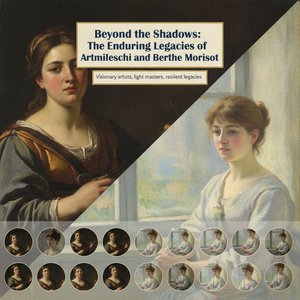
Beyond the Shadows: The Resurgence of Female Masters Artemisia Gentileschi and Berthe Morisot
Explore the profound resurgence of female masters Artemisia Gentileschi and Berthe Morisot. Discover how their revolutionary use of light, shadow, and intimacy redefined art history and continues to inspire sophisticated modern collections.
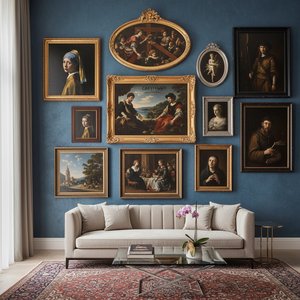
Baroque Painting's Greatest Hits: 10 Masterpieces for Your Home | OriginalUniqueArt
Journey through Baroque painting's glory! Explore 10 masterpieces by Caravaggio, Rembrandt & Vermeer. Discover dramatic lighting, rich colors & timeless stories. Find museum-quality art reproductions for your home at OriginalUniqueArt.com.

Beyond the Shadows: The Powerful Legacies of Artemisia Gentileschi and Berthe Morisot
Explore the profound legacies of Artemisia Gentileschi and Berthe Morisot. Discover how these female masters redefined the Baroque and Impressionist eras through dramatic chiaroscuro and luminous light, leaving an indelible mark on art history and modern aesthetics.


