

 Pregledaj u stvarnoj veličini
 Podijeli
 Podijeli
 Detalji
 Vodič
Vodič

 Preuzmi datoteku
 Slični predmeti
 Rentgenska snimka
 Slide show
 Statistika
Shield with Gorgon


 Pročitajte više
Ručno rađena uljana reprodukcija
Ručno oslikano uljanim bojama na platnu u dimenzijama i okviru po vašem izboru, izrađeno po narudžbi od strane naših umjetnika. ( Prebacite na prodaju printova Prebacite na digitalnu prodaju slika)




P118B €10

P118H €10

P118W €10

P438Z €10

P508JH €12

P508YH €12

P805H €10

P805Z €10

P919BZ €10

P919G €10

P919XJ €10

P959ZH €10

P968JZ €12

W106C €8

W218G €10

W218JH €8

W218Y €10

W307PJ €10

W316G €10

W316PJ €8

W316Y €10

W398PJ €8

W4111J €10

W500HY €15

W500JH €15

W692G €12

W849H €8

W940BG €15

W953PJ €8




Odaberite jednu od naših unaprijed definiranih veličina koje odgovaraju izvornim proporcijama umjetničkog djela.

Unesite širinu i visinu koja vam je potrebna, kako bi odgovarali vašem okviru ili zidu. Budući da je ovo ručno oslikano djelo, umjetnik može malo proširiti rubove slike ili ih skratiti kako bi postigao željeni oblik — izbor je vaš. Prije početka slikanja poslat ćemo vam digitalni prikaz (mockup) radi potvrde. Slika prikazana na ovoj stranici ne predstavlja stvarni rezultat — samo digitalni prikaz to čini.
Nakon narudžbe, tim OriginalUniqueArt.com kontaktirat će klijenta putem e-pošte radi dobivanja uputa te dostaviti probni prikaz (mockup)
Isporuka širom svijeta () u roku od 3-4 tjedna umjesto standardnih 5 tjedana. (22 Listopad). Bez kompromisa u kvaliteti.

Besplatna ekspresna dostava širom svijeta

Visokokvalitetno laneno platno

Potpuno osiguranje transporta

Jamstvo povrata carine i uvoznih poreza

Jamstvo vjernosti boja

Politika povrata u roku od 100 dana (samo u slučaju nedostataka)

Jamstvo povrata 100% novca

Popust na više proizvoda
 Opcija stakla dostupna je samo za dimenzije manje od 110 cm

Shield with Gorgon
Tehnika izrade
Veličina reprodukcije
-


Ukupna cijena
€ 263
Shield with Gorgon – A Meditation on Mortality and Ancient Myth
The sculpture “Shield with Gorgon’s Head,” created by Arnold Böcklin in 1897, stands as a haunting testament to the artist's fascination with Greco-Roman mythology and his profound contemplation of death. Exhibited prominently at the Musée d’Orsay in Paris, this piece transcends mere representation; it invites viewers into a realm of psychological exploration where beauty intertwines with unsettling truths. Böcklin, deeply influenced by Nietzschean philosophy – specifically the concept of eternal recurrence – sought to capture not just an image but an experience, mirroring the cyclical nature of existence and confronting us with our inevitable demise.Style and Technique: Symbolist Precision
Böcklin’s style aligns perfectly with the tenets of Symbolism, a movement that rejected realism in favor of conveying emotions and ideas through suggestive imagery rather than literal depiction. Unlike Impressionists who aimed to capture fleeting moments of light and color, Böcklin meticulously crafted his sculpture using a technique rooted in meticulous observation and symbolic distillation. The artist employed a combination of modeling clay and bronze casting – a process demanding considerable skill and patience – to achieve an astonishing level of detail. Notice the subtle gradations of tone within the Gorgon’s head; these aren't merely aesthetic choices but deliberate efforts to convey texture and depth, mirroring the complexities of human emotion. The smooth surface contrasts sharply with the rough contours of the snake’s coils, creating a visual dialogue that underscores the sculpture’s thematic concerns.Historical Context: Nietzschean Echoes and Late Romantic Sentiment
Böcklin's artistic output flourished during the waning years of the Romantic era, a period characterized by an obsession with emotion, imagination, and the sublime—experiences perceived as exceeding human comprehension yet simultaneously elevating the soul. However, Böcklin’s vision extended beyond traditional Romantic tropes; he actively engaged with the burgeoning intellectual currents of his time, particularly Nietzsche's proclamation that “God is dead.” This existential crisis fueled Böcklin’s exploration of themes like nihilism and mortality—concepts central to both Nietzschean thought and Symbolist art. The sculpture reflects a broader cultural preoccupation with confronting death not as an end but as a transformative stage in the cosmic cycle, mirroring Nietzsche's assertion that life itself is an affirmation of eternal recurrence.Symbolism Unleashed: Gorgon’s Head – Terror and Transformation
The Gorgon Medusa represents more than just monstrous horror; she embodies the terrifying power of transformation—a concept inextricably linked to Böcklin’s Symbolist worldview. According to Greek mythology, Medusa possessed snakes for hair that turned anyone who gazed upon them into stone. This image served as a potent symbol of inescapable fate and the destructive force of repressed emotions. The sculptor skillfully captures this duality: the Gorgon's gaze exudes palpable terror, yet simultaneously hints at an underlying process of metamorphosis—a suggestion that confronting death can lead to profound spiritual renewal. Böcklin’s deliberate use of serpentine coils reinforces this symbolism, representing both constriction and liberation – mirroring the artist’s own preoccupation with reconciling beauty and darkness.Emotional Impact: A Confrontation With Eternity
Ultimately, “Shield with Gorgon’s Head” compels viewers to confront their own mortality—to grapple with the inescapable reality that life is finite yet perpetually reborn. The sculpture's unsettling stillness invites contemplation, prompting us to consider our place within the grand scheme of cosmic time. Böcklin doesn’t offer comfort or reassurance; instead, he presents a stark portrait of existence stripped bare – confronting us with the beauty and terror inherent in accepting death as an inevitable component of life’s eternal dance. It is precisely this unflinching gaze—this refusal to shy away from uncomfortable truths—that secures “Shield with Gorgon’s Head”'s enduring power as a masterpiece of Symbolist art and a timeless meditation on the human condition.Pitanja i odgovori
Koja je postava prikladna za format djela "Shield with Gorgon" autora Arnold Böcklin?
Format Square djela "Shield with Gorgon" autora Arnold Böcklin preporučuje se za Living Room. Format i prostor zajedno usmjeravaju postavljanje reprodukcije.
Kako se tema djela "Shield with Gorgon" povezuje s uobičajenim temama umjetnika Arnold Böcklin?
Među zabilježenim temama umjetnika Arnold Böcklin – greek mythology, symbolism, death, mortality themes, romantic idealism vision, classical forms beauty, medieval gothic style – djelo "Shield with Gorgon" donosi vlastiti fokus na mythology, gorgon, snake, sculpture, classical, death, symbolism, medieval.
Od čega je izrađeno "Shield with Gorgon"?
Arnold Böcklin koristio je tehniku Acrylic On Canvas za "Shield with Gorgon". Ova tehnika definira materijalnu prirodu izvornog djela.
Biografija umjetnika
Rano život i edukacija
Arnold Böcklin, švicarski simbolistički slikar, rođen je 16. listopada 1827. godine u Baselu, u Švicarskoj. Njegov otac, Christian Frederick Böcklin, potjecao je iz stare obitelji iz Schaffhausena i bavio se trgovinom svilom, dok je Arnoldova majka, Ursula Lippe, bila sugrađanka Basela. Svoje umjetničko obrazovanje stekao je u Düsseldorfskoj akademiji pod mentorstvom Schirmera, gdje je stekao prijateljstvo s Anselmom Feuerbachom. Böcklin se čvrsto povezuje s poznatom Düsseldorfskom školom slikarstva.Umjetnička karijera i simbolizam
Böcklinovo umjetničko putovanje vodilo ga je kroz brojne europske metropole, uključujući Pariz, gdje je radio u Louvru, te Rim, čiji su mu prizori duboko utjecali na stvaralaštvo. Njegova djela često prikazuju alegorijske i mitološke figure smještene u okruženja s klasičnom arhitekturom, istražujući teme smrti i prolaznosti.- Great Park, jedno od njegovih najranijih djela, predstavljalo je drevnu mitologiju.
- Djela poput Nimefe i satira (1858) te Safone (1859) bila su značajna ostvarenja tog razdoblja.
- Böcklinov Portret sebe, dok smrt svira violinu (1872) postao je vrhunac njegovog jedinstvenog stila.
Nasljeđe i utjecaj
Böcklin je najpoznatiji po pet verzija djela Otok mrtvih (1880-1886), koje je evociralo englesko groblje u Firenci, gdje je njegova kći bila pokopana. Njegov rad utjecao je na mlađe umjetnike poput Hansa Thome te je poslužio kao inspiracija brojnim kompozitorima kasne romantike.- Clement Greenberg opisao je Böcklinovo djelo kao "jedan od najsavršenijih izraza" svog vremena.
- Böcklinov stil preklapao se s predrafaelitima, naglašavajući svijet snova i mistizma.
Muzeji i kolekcije
Böcklinova djela mogu se pronaći u brojnim prestižnim muzejima, uključujući:- Öffentliche Kunstsammlung (Basel, Švicarska)
- Kunstmuseum Basel (Švicarska)
- Museum Kunsthaus Zürich (Zürich, Švicarska)
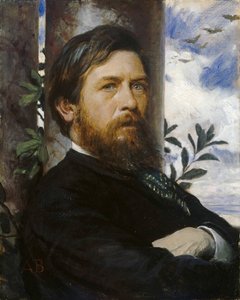
Arnold Böcklin
1827 - 1901 , Švicarska
Brzi pregled
- Artistic Movement Or Style: Simbolizam
- Artists Or Movements Influenced By This Artist:
- Hans Thoma
- Pre-rafaeliti
- Artists Who Influenced This Artist:
- Schirmer
- Feuerbach
- Date Of Birth: 16. listopada 1827.
- Date Of Death: 16. siječnja 1901.
- Full Name: Arnold Böcklin
- Nationality: Švicarac
- Notable Artworks:
- Otok mrtvih
- Nimfa i satir
- Safona
- Moj autoportret
- Place Of Birth: Basel, Švicarska
Povezani članci

Theatricality & Triumph: Baroque Drama in Painting & Sculpture
Explore the dramatic world of Baroque art! Discover its history, defining characteristics, & lasting influence on painting & sculpture. Expert insights into Caravaggio, Zurbarán, and Bernini – plus high-quality reproductions at OriginalUniqueArt.

The Enduring Form: Exploring Themes & Techniques in Sculpture Across Historical Periods
Explore the rich history of sculpture from ancient masterpieces to contemporary innovations. Discover key techniques, influential artists & investment potential for discerning art collectors.

Bronze Sculptures That Defined Art History | OriginalUniqueArt
Journey through art history with our Top 10 bronze sculptures! Explore masterpieces by Rodin, Michelangelo & more. Discover stories behind iconic statues and find museum-quality reproductions for your home decor at OriginalUniqueArt.com.

The Enduring Form: Sculpture Across History, Technique & Emotional Resonance
Explore the rich history of sculpture with OriginalUniqueArt. Discover key techniques, influential artists & investment potential for discerning collectors. Expert insights into valuing and collecting timeless masterpieces.

Bronze Age to Modern Masters: 10 Sculptures That Redefined Art | OriginalUniqueArt
Journey through art history with 10 legendary bronze sculptures – from Michelangelo's David to Rodin’s Thinker. Explore the stories, techniques & timeless beauty of these masterpieces. Find museum-quality reproductions & elevate your home decor on OriginalUniqueArt.com.
