
 Pregledaj u realnoj veličini
 Pošalji
 Podijeli
 Detalji o umjetničkom djelu
 Vodič
Vodič

 Preuzmi umjetničko djelo
 Slični predmeti
 Rentgenska snimka
 Slide show
 Q&A
Q&A Statistika
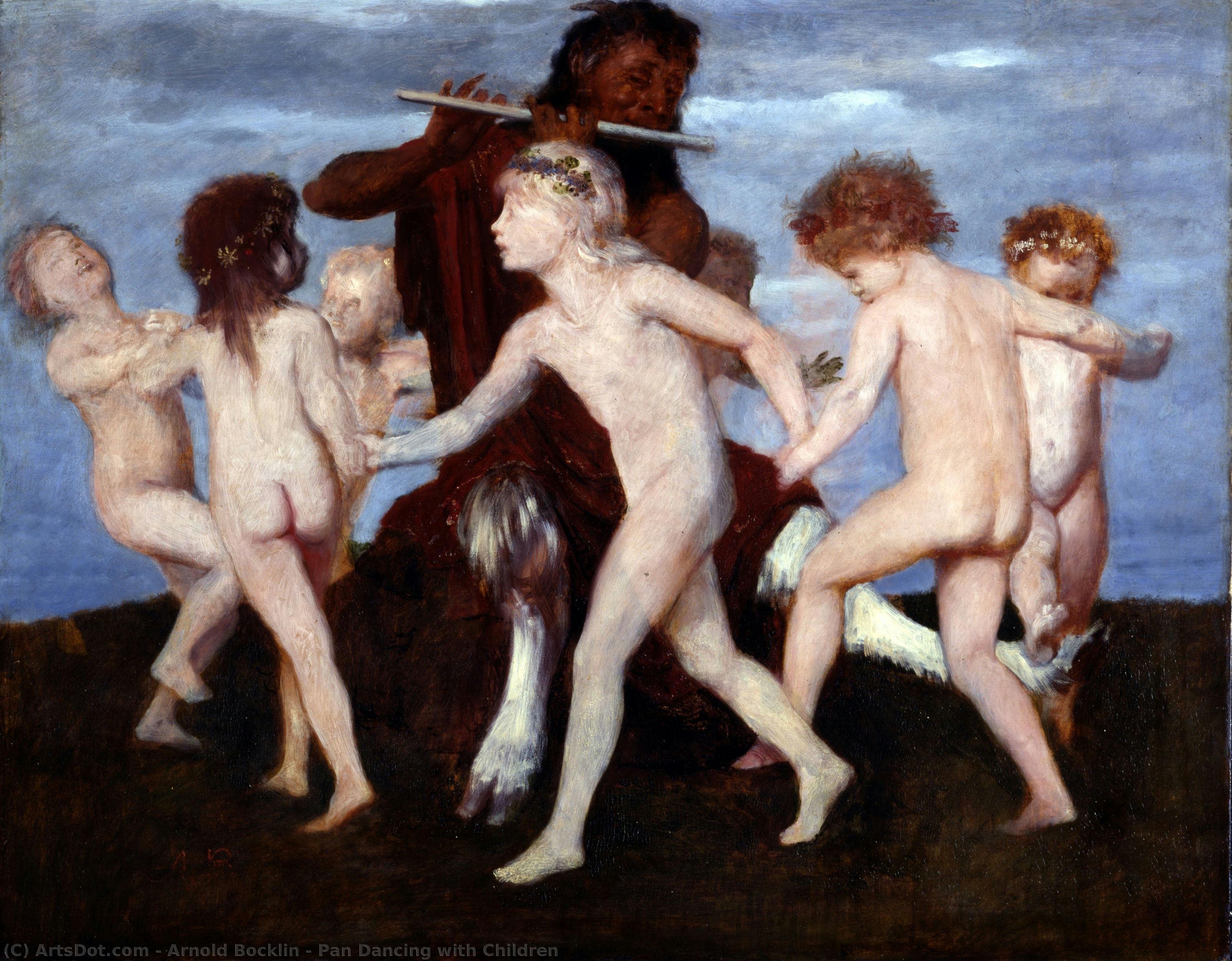
Pan Dancing with Children


 Prikaži više
Giclée / Umjetnički otisak
Giclée tisak muzejske kvalitete ili otisak na platnu uz brzu izradu i raznolike opcije završne obrade. ( Kupi ručno oslikano djelo Prebacite na digitalnu sliku)




P118B €10

P118H €10

P118W €10

P438Z €10

P508JH €12

P508YH €12

P805H €10

P805Z €10

P919BZ €10

P919G €10

P919XJ €10

P959ZH €10

P968JZ €12

W106C €8

W218G €10

W218JH €8

W218Y €10

W307PJ €10

W316G €10

W316PJ €8

W316Y €10

W398PJ €8

W4111J €10

W500HY €15

W500JH €15

W692G €12

W849H €8

W940BG €15

W953PJ €8




Odaberite jednu od naših unaprijed definiranih veličina koje odgovaraju izvornim proporcijama umjetničkog djela.

Unesite potrebnu širinu i visinu kako bi odgovarali vašem okviru ili zidu. Print se može samo izrezati, nikada ne može biti veći od slike, stoga format s drugačijim omjerom stranica uzrokuje gubitak dijela slike. Prije bilo kakve štampe šaljemo vam digitalni prikaz (mockup) na odobrenje. Slika prikazana na ovoj stranici ne prikazuje stvarni rez — to prikazuje isključivo digitalni prikaz.
Dostava širom svijeta () u roku od 2 tjedna umjesto standardnih 4/5 tjedana. (31 Listopad)

Besplatna ekspresna dostava širom svijeta

Visokokvalitetno laneno platno

Potpuno osiguranje dostave

Jamstvo povrata carine i uvoznih poreza

Jamstvo vjernosti boja

Politika povrata u roku od 100 dana (samo u slučaju nedostataka)

Jamstvo povrata 100% novca

Popust na više proizvoda
 Opcija stakla dostupna je samo za dimenzije manje od 110 cm

Pan Dancing with Children
Giclée / Umjetnički otisak
Veličina reprodukcije
-


Ukupna cijena
€ 71
The Enigmatic Dance: Arnold Böcklin’s “Pan Dancing with Children”
Arnold Böcklin's "Pan Dancing with Children," painted around 1884, isn’t merely a depiction of a pastoral scene; it’s an immersion into a realm of mythic beauty and unsettling serenity. This captivating work, currently residing within the Museum Folkwang in Essen, Germany, transcends simple representation, offering instead a profound meditation on childhood innocence, primal connection to nature, and the lingering presence of ancient spirits. Böcklin, a key figure in the Symbolist movement, masterfully employed a muted palette—primarily ochres, browns, and deep greens—to create an atmosphere thick with twilight and dreamlike suggestion. The figures themselves are rendered with a remarkable degree of detail, yet possess an almost ethereal quality, as if caught between worlds.
The painting’s composition is deliberately ambiguous. A central group of nude children, seemingly unburdened by adult concerns, frolic around Pan, the god of the wild, shepherds, and flocks. They are engaged in a variety of activities: playing musical instruments crafted from branches, holding hands in playful circles, and gazing upwards with an expression that blends curiosity and contentment. The inclusion of putti—small winged infants—further enhances the sense of otherworldly grace and innocence. Notice how Böcklin subtly integrates elements of classical mythology – the flute Pan holds is a direct reference to the god’s traditional instrument – alongside the rustic setting, creating a harmonious blend of ancient lore and contemporary observation.
A Glimpse into Symbolist Aesthetics
Böcklin's work firmly establishes him as a pivotal figure in the Symbolist movement, which sought to evoke emotions and ideas rather than simply depict reality. Rejecting the naturalism prevalent in earlier art movements, Symbolists like Böcklin prioritized subjective experience and explored themes of death, memory, and the subconscious. “Pan Dancing with Children” exemplifies this approach through its evocative atmosphere and symbolic imagery. The painting’s muted colors, soft lighting, and dreamlike quality contribute to a sense of melancholy and longing—a feeling that resonates deeply within the viewer.
The choice of nudity is particularly significant. It isn't presented in a provocative manner but rather as an embodiment of primal innocence and connection to nature. The children’s vulnerability underscores their purity, while their joyful dance suggests a liberation from worldly concerns. Böcklin’s meticulous attention to detail—from the texture of the children’s skin to the delicate folds of their clothing—further emphasizes their tangible presence within the scene.
Technique and Materials: A Masterful Blend
While often categorized as a painting, “Pan Dancing with Children” incorporates elements of mixed media. Böcklin skillfully combined oil paints with photographic techniques, creating a unique visual texture that blends the immediacy of photography with the depth and richness of traditional painting. This hybrid approach allowed him to capture fleeting moments of light and shadow, imbuing the scene with an unparalleled sense of realism. The use of layering and glazing—applying thin washes of paint over previous layers—contributes to the work’s luminous quality and creates a subtle interplay of colors.
The artist's background in Düsseldorf, associated with the school known for its emphasis on realistic depiction, is evident in the meticulous rendering of the figures and their surroundings. However, Böcklin departs from traditional academic techniques by prioritizing atmosphere and emotional impact over precise representation. This deliberate shift reflects his commitment to Symbolist principles and his desire to create a work that transcends mere visual observation.
Symbolism and Interpretation: Echoes of Ancient Myths
Beyond its aesthetic qualities, “Pan Dancing with Children” is rich in symbolic meaning. Pan himself represents the untamed spirit of nature—a force both benevolent and potentially dangerous. The children’s dance can be interpreted as a celebration of life, joy, and connection to the natural world. However, there's also an undercurrent of melancholy—a sense that this idyllic scene is fleeting and destined to fade away. The painting subtly evokes themes of mortality and the cyclical nature of time.
The inclusion of ancient myths – Pan’s role as a shepherd god, the presence of putti – connects the work to a broader cultural heritage, suggesting a timeless resonance between humanity and the natural world. Böcklin's masterful use of symbolism invites viewers to engage in their own interpretations, creating a deeply personal and emotionally resonant experience. Reproductions of this iconic artwork continue to captivate audiences with its haunting beauty and profound sense of mystery.
Pitanja i odgovori
Je li "Pan Dancing with Children" autora Arnold Böcklin svijetlo ili tamno umjetničko djelo?
U pogledu percepcije svjetline, "Pan Dancing with Children" autora Arnold Böcklin je balanced.
Gdje se "Pan Dancing with Children" autora Arnold Böcklin nalazi u povijesti umjetnosti?
Povijesno gledano, "Pan Dancing with Children" je Symbolist Painting rad iz šire ere 19th Century.
Na koji način se preporučuje tisak djela "Pan Dancing with Children" – koja je preporučena veličina i orijentacija?
Veličina Medium, orijentacija Landscape: to su preporučene postavke za tisak djela "Pan Dancing with Children" autora Arnold Böcklin.
Biografija umjetnika
Rano život i edukacija
Arnold Böcklin, švicarski simbolistički slikar, rođen je 16. listopada 1827. godine u Baselu, u Švicarskoj. Njegov otac, Christian Frederick Böcklin, potjecao je iz stare obitelji iz Schaffhausena i bavio se trgovinom svilom, dok je Arnoldova majka, Ursula Lippe, bila sugrađanka Basela. Svoje umjetničko obrazovanje stekao je u Düsseldorfskoj akademiji pod mentorstvom Schirmera, gdje je stekao prijateljstvo s Anselmom Feuerbachom. Böcklin se čvrsto povezuje s poznatom Düsseldorfskom školom slikarstva.Umjetnička karijera i simbolizam
Böcklinovo umjetničko putovanje vodilo ga je kroz brojne europske metropole, uključujući Pariz, gdje je radio u Louvru, te Rim, čiji su mu prizori duboko utjecali na stvaralaštvo. Njegova djela često prikazuju alegorijske i mitološke figure smještene u okruženja s klasičnom arhitekturom, istražujući teme smrti i prolaznosti.- Great Park, jedno od njegovih najranijih djela, predstavljalo je drevnu mitologiju.
- Djela poput Nimefe i satira (1858) te Safone (1859) bila su značajna ostvarenja tog razdoblja.
- Böcklinov Portret sebe, dok smrt svira violinu (1872) postao je vrhunac njegovog jedinstvenog stila.
Nasljeđe i utjecaj
Böcklin je najpoznatiji po pet verzija djela Otok mrtvih (1880-1886), koje je evociralo englesko groblje u Firenci, gdje je njegova kći bila pokopana. Njegov rad utjecao je na mlađe umjetnike poput Hansa Thome te je poslužio kao inspiracija brojnim kompozitorima kasne romantike.- Clement Greenberg opisao je Böcklinovo djelo kao "jedan od najsavršenijih izraza" svog vremena.
- Böcklinov stil preklapao se s predrafaelitima, naglašavajući svijet snova i mistizma.
Muzeji i kolekcije
Böcklinova djela mogu se pronaći u brojnim prestižnim muzejima, uključujući:- Öffentliche Kunstsammlung (Basel, Švicarska)
- Kunstmuseum Basel (Švicarska)
- Museum Kunsthaus Zürich (Zürich, Švicarska)
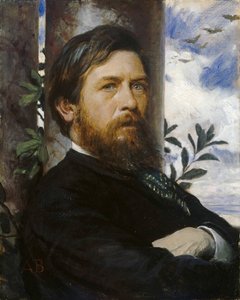
Arnold Böcklin
1827 - 1901 , Švicarska
Osnovne informacije
- Artistic Movement Or Style: Simbolizam
- Artists Or Movements Influenced By This Artist:
- Hans Thoma
- Pre-rafaeliti
- Artists Who Influenced This Artist:
- Schirmer
- Feuerbach
- Date Of Birth: 16. listopada 1827.
- Date Of Death: 16. siječnja 1901.
- Full Name: Arnold Böcklin
- Nationality: Švicarac
- Notable Artworks:
- Otok mrtvih
- Nimfa i satir
- Safona
- Moj autoportret
- Place Of Birth: Basel, Švicarska
Srodni članci
Timeless Legends: A Curated Guide to the Eternal Allure of Mythological Masterpieces
Embark on a sophisticated journey through the eternal allure of mythological art. Discover how master painters breathe life into ancient legends, from Greek deities to Baroque masterpieces, and learn to curate these timeless narratives within your own exquisite art collection.

Echoes of Olympus: Mythological Narratives in Western Art Through the Ages
Explore the captivating history of mythological narratives in Western art! From ancient Greece to modern masterpieces, discover iconic artworks & symbolism. Expert analysis and high-quality reproductions at OriginalUniqueArt.
Sir Nathaniel Dance-Holland: Portraiture, Patronage & Georgian Identity
Explore the life & art of Sir Nathaniel Dance-Holland, a leading Georgian portraitist. Discover his masterful technique, influential patrons, and lasting impact on 18th-century British society. A guide for discerning collectors.
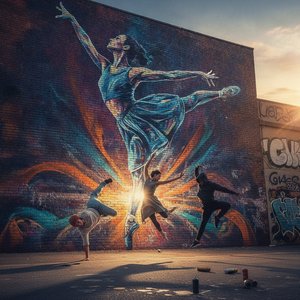
Move to the Beat: Bold & Iconic Dance Art to Electrify Your Space
Elevate your space with bold, iconic dance art. From street art vibes to Pop Art masterpieces, discover high-impact, hand-painted reproductions and custom commissions designed to move you. Transform your walls with the rhythm of contemporary culture.

Timeless Legends: The Eternal Allure of Mythological Figures in Masterpiece Art
Explore the profound beauty of mythological figures through the lens of art history. From Renaissance masterpieces to custom oil reproductions, discover how legendary tales of heroism and divinity are immortalized in fine art for discerning collectors.
