
 Pregledaj u stvarnoj veličini
 Pošalji
 Podijeli
 Detalji o umjetničkom djelu

 Preuzmi
 Slični predmeti
 Rentgenska snimka
 Automatska prezentacija
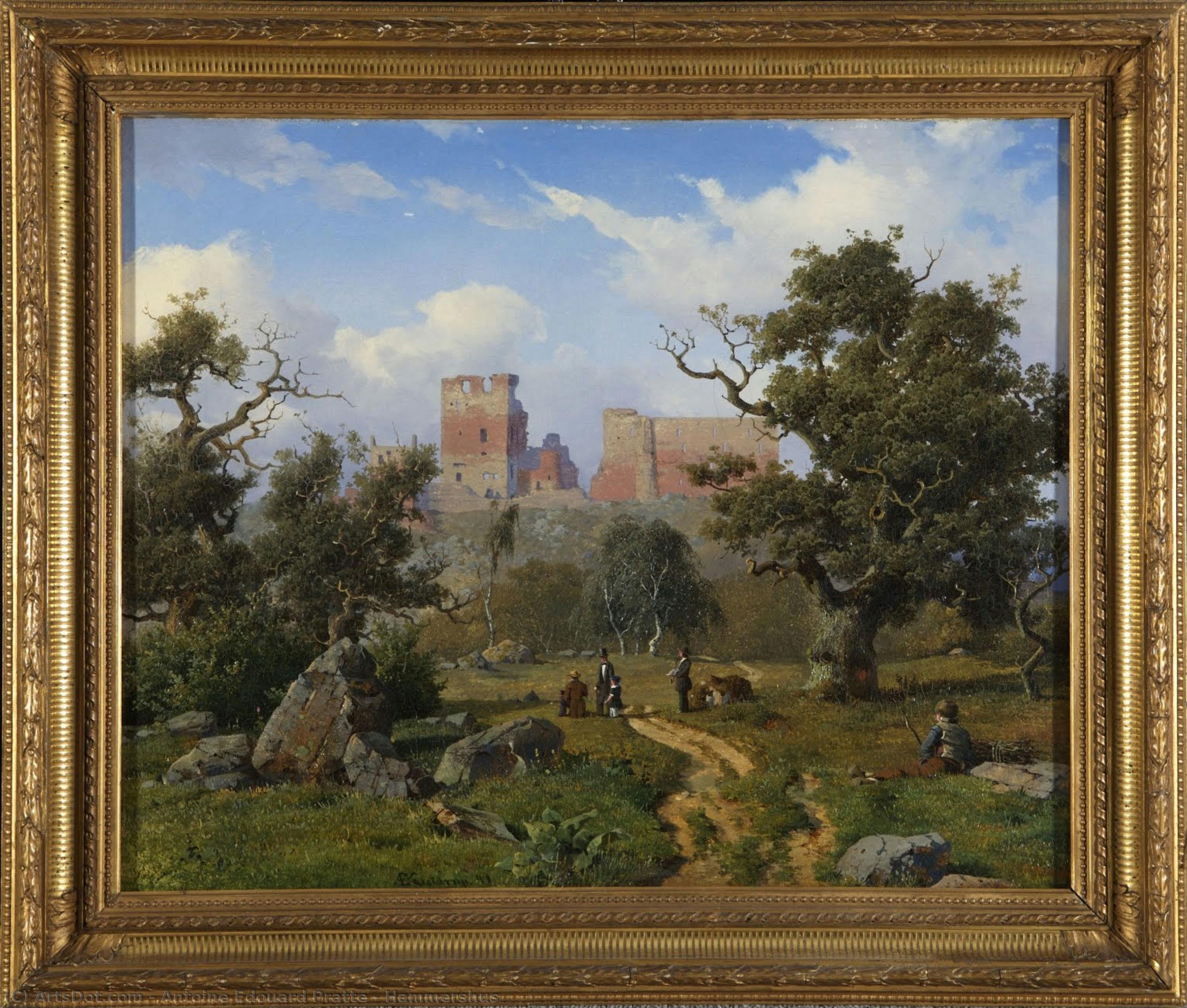
Hammershus
 Oil
Oil- WallArt
- Romanticism
 1849
1849- 19th Century
 56.0 x 46.0 cm
 Bornholm Art Museum
 Prikaži više
Ručno rađena uljana reprodukcija
Ručno oslikano uljanim bojama na platnu u dimenzijama i okviru po vašem izboru, izrađeno po narudžbi od strane naših umjetnika. ( Kupi print Kupi digitalnu sliku)




P118B $10

P118H $10

P118W $10

P438Z $10

P508JH $12

P508YH $12

P805H $10

P805Z $10

P919BZ $10

P919G $10

P919XJ $10

P959ZH $10

P968JZ $12

W106C $8

W218G $10

W218JH $8

W218Y $10

W307PJ $10

W316G $10

W316PJ $8

W316Y $10

W398PJ $8

W4111J $10

W500HY $15

W500JH $15

W692G $12

W849H $8

W940BG $15

W953PJ $8




Odaberite jednu od naših unaprijed definiranih veličina koje odgovaraju izvornim proporcijama umjetničkog djela.

Možete unijeti vlastite dimenzije kako bi odgovarale određenom okviru ili prostoru. Ako odabrana veličina ne odgovara proporcijama izvorne slike, izrezat ćemo umjetničko djelo ili proširiti sliku dodatnim ručno oslikanim elementima. Digitalni nacrt bit će vam poslan na odobrenje prije početka proizvodnje.
Imajte na umu da pregled na ekranu ne prikazuje stvarno izrezivanje ili proširivanje. Samo će nacrt točno prikazati konačni sastav.
Iako su dostupne prilagođene veličine, preporučujemo odabir dimenzije s preddefiniranog popisa kako bismo očuvali izvorne proporcije.
Nakon narudžbe, tim OriginalUniqueArt.com kontaktirat će klijenta putem e-pošte radi dobivanja uputa te dostaviti probni prikaz (mockup).
Isporuka širom svijeta () u roku od 3-4 tjedna umjesto standardnih 5 tjedana. (13 Kolovoz). Bez kompromisa u kvaliteti.

Besplatna ekspresna dostava širom svijeta

Visokokvalitetno laneno platno

Potpuno osiguranje dostave

Jamstvo povrata carine i uvoznih poreza

Garancija vjernog podudaranja boja

Politika povrata u roku od 60 dana (samo u slučaju nedostataka)

Jamstvo povrata 100% novca

Popust na više proizvoda
 Opcija stakla dostupna je samo za dimenzije manje od 110 cm

Hammershus
Tehnika reprodukcije
Veličina reprodukcije
-


Ukupna cijena
$ 300
Biografija umjetnika
The Harp King of the North: The Enigmatic Life of Antoine Edouard Pratté
Antoine Edouard Pratté remains one of the most captivating, yet curiously shadowed, figures of the nineteenth-century Romantic era. Born in 1796 in the Bohemian village of Haida, his origins were far removed from the refined concert halls of Stockholm and beyond. He was born into a world of traveling spectacle, the son of a renowned marionette master, Georg Anton Brát. This childhood, spent amidst the mechanical wonders of puppet theaters and the flickering lights of traveling shows, instilled in him a profound sense of theatricality and performance. As a young boy, Pratté was already contributing to his family’s craft, playing the kinnor—the ancient harp of David—during the interludes of his father's dramatic marionette plays. This early immersion in the arts provided the foundation for a life defined by virtuosity and expressive nuance. The trajectory of Pratté’s life took a dramatic turn during his teenage years. Seeking to escape a harsh and abusive domestic life, he severed ties with his father while touring Denmark and eventually sought refuge in Sweden. It was here that he adopted his more permanent name and began the ascent toward becoming an international sensation. By 1875, he had become known as the "Harp King of the North," a title reflecting not just his technical mastery but his ability to command the emotional landscape of his audience. His career was marked by a relentless touring schedule, where he moved between the grander urban centers and the quiet elegance of Swedish and Norwegian manor houses, serving both as a concert virtuoso and a dedicated music teacher.A Symphony of Strings and Soul
Pratté’s musical language was a sophisticated tapestry woven from the threads of Romanticism. His compositions were characterized by a remarkable ability to blend the lyrical simplicity of Bohemian folk melodies with the complex harmonic structures favored by his contemporaries, such as Schubert and Beethoven. As a performer, he possessed what critics described as a miraculous technique—a delicate yet energetic touch that allowed him to bridge the gap between the musician and the instrument. His playing was often compared to the greatest harpists of his age, with some even suggesting he stood as a masterly predecessor to figures like Bochsa. His creative output was vast and varied, spanning much more than just solo harp pieces. While the harp remained his primary vessel for expression, Pratté was a prolific composer of symphonic works and choral arrangements. His music sought to capture the very essence of the Romantic spirit:- The transformation of folk motifs into sophisticated orchestral textures.
- A profound sense of deep expression that resonated with both the aristocracy and the public.
- An innovative use of orchestration that showcased a mastery of dynamic contrast.
Legacy and the Rediscovery of a Master
The historical significance of Antoine Edouard Pratté lies in his role as a cultural bridge between the Bohemian traditions of his birth and the burgeoning musical identity of Scandinavia. His election into the Royal Swedish Academy of Music in 1850 stands as a testament to his recognized importance within the European musical hierarchy. Though his name may have faded from the mainstream consciousness for decades, recent efforts to unearth his scores have breathed new life into his compositions, revealing a composer of immense depth and structural intelligence. Today, Pratté is remembered not merely as a traveling performer's son, but as an artist who achieved artistic perfection through sheer dedication and innate talent. His life story—a journey from the mechanical puppets of Bohemia to the prestigious academies of Sweden—serves as a powerful narrative of resilience and the transformative power of art. Through his rediscovered works, the echoes of the "Harp King" continue to resonate, offering a window into the lush, emotive world of the nineteenth-century Romantic era.
antoine edouard pratté
1796 - 1875 , Czech Republic
Osnovne informacije
- Artistic Movement Or Style: Classical Harp Music
- Artists Or Movements Influenced By This Artist:
- Mozart
- Haydn
- Artists Who Influenced This Artist: ['Franz Lachner']
- Date Of Birth: November 22, 1796
- Date Of Death: 1875
- Full Name: Antoine Edvard Pratté
- Nationality: Swedish
- Notable Artworks:
- Harp Concerto No. 1
- Harp Sonata in C Major
- Place Of Birth: Haida, Czech Republic
Srodni članci

Glavna 10 Remek-djela Romantizma: Uljepšajte Svoj Dom Umjetnošću
Otkrijte 10 remek-djela romantizma koja su definirala pejzažno slikarstvo! Uronite u svijet Friedricha, Turnera i Aivazovskog. Inspirirajte svoj interijer vrhunskim umjetničkim djelima. Kupujte reprodukcije na OriginalUniqueArt.com!
Beyond the Horizon: 10 Landscape Masterpieces for Your Home Decor
Journey through 10 breathtaking landscape paintings by Monet, Van Gogh & more! Explore iconic artworks, artistic techniques & find inspiration for your home decor. Museum-quality reproductions at OriginalUniqueArt.com. Discover all masterpieces on OriginalUniqueArt.com

John Constable: 25 Remek-djela Engleskog Majstora Krajolika | OriginalUniqueArt
Uronite u svijet John Constabla! Otkrijte 25 remek-djela engleskog romantizma i pejzaža. Ekskluzivne reprodukcije slika, zidna dekoracija & inspiracija za dizajn interijera na OriginalUniqueArt.com. Istražite cijelu kolekciju online!

The Sublime and the Picturesque: Exploring Emotion & Nature in Romantic Landscape Painting
Explore the emotional power of Romantic landscape painting! Discover the sublime & picturesque traditions, key artists like Friedrich & Cole, and find your perfect artwork at OriginalUniqueArt.

Evocations of Place: A Historical Journey Through Landscape Art
Explore the rich history of landscape art with OriginalUniqueArt. Discover renowned artists, movements like Impressionism & Romanticism, and expert guidance for collecting timeless pieces. Find your perfect serene escape today!

