
 Pregledaj u stvarnoj veličini
 Pošalji
 Podijeli
 Detalji o umjetničkom djelu

 Preuzmi
 Slični predmeti
 Rentgenska snimka
 Automatska prezentacija
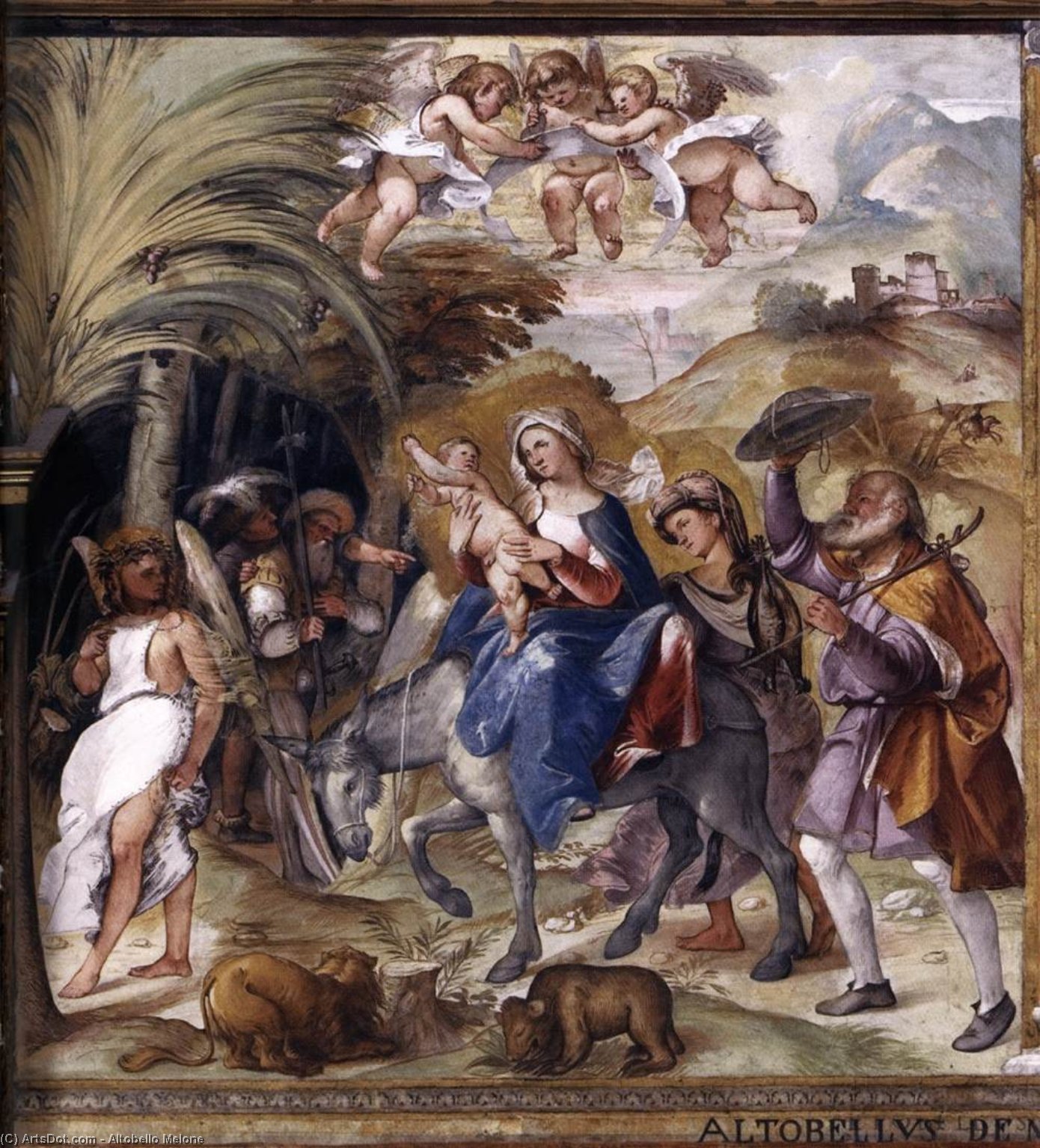
Flight to Egypt


 Prikaži više
Ručno rađena uljana reprodukcija
Ručno oslikano uljanim bojama na platnu u dimenzijama i okviru po vašem izboru, izrađeno po narudžbi od strane naših umjetnika. ( Kupi print Kupi digitalnu sliku)




































Odaberite jednu od naših unaprijed definiranih veličina koje odgovaraju izvornim proporcijama umjetničkog djela.

Možete unijeti vlastite dimenzije kako bi odgovarale određenom okviru ili prostoru. Ako odabrana veličina ne odgovara proporcijama izvorne slike, izrezat ćemo umjetničko djelo ili proširiti sliku dodatnim ručno oslikanim elementima. Digitalni nacrt bit će vam poslan na odobrenje prije početka proizvodnje.
Imajte na umu da pregled na ekranu ne prikazuje stvarno izrezivanje ili proširivanje. Samo će nacrt točno prikazati konačni sastav.
Iako su dostupne prilagođene veličine, preporučujemo odabir dimenzije s preddefiniranog popisa kako bismo očuvali izvorne proporcije.
Nakon narudžbe, tim OriginalUniqueArt.com kontaktirat će klijenta putem e-pošte radi dobivanja uputa te dostaviti probni prikaz (mockup).
Isporuka širom svijeta () u roku od 3-4 tjedna umjesto standardnih 5 tjedana. (17 Kolovoz). Bez kompromisa u kvaliteti.

Besplatna ekspresna dostava širom svijeta

Visokokvalitetno laneno platno

Potpuno osiguranje dostave

Jamstvo povrata carine i uvoznih poreza

Garancija vjernog podudaranja boja

Politika povrata u roku od 60 dana (samo u slučaju nedostataka)

Jamstvo povrata 100% novca

Popust na više proizvoda
 Opcija stakla dostupna je samo za dimenzije manje od 110 cm

Flight to Egypt
Tehnika reprodukcije
Veličina reprodukcije
-


Ukupna cijena
$ 425
Opis umjetničkog djela
Composition and Symbolism
The painting is rich with symbolism and detail, typical of religious art from the Renaissance period. The use of color, light, and shadow creates a sense of depth and movement in the scene. The figures are depicted with a high level of realism, which was characteristic of the style at that time. The overall composition conveys a narrative of divine intervention and protection during a perilous journey. Some notable elements include:- A woman dressed in blue robes, holding a child who appears to be sleeping or resting, representing Mary with the infant Jesus.
- A man standing next to her, wearing a brown robe and a hat, possibly representing Joseph.
- An angel dressed in white, hovering above the group, symbolizing divine protection.
For those interested in learning more about the Cathedral of Cremona, Italy and its artistic treasures, visit OriginalUniqueArt.com's page on the Museum Oratory of San Bernardino, Siena, Italy.
Biografija umjetnika
The Renaissance Visionary of Cremona
In the heart of the Italian Renaissance, amidst the vibrant cultural resurgence of Cremona, the name Altobello Melone emerges as a profound bridge between the harmonious traditions of Lombardy and the burgeoning complexity of Mannerism. Born around 1491, Melone’s early life was shaped by the intellectual currents of his era, particularly the humanist ideals flowing from Ferrara under the influence of Cesare Borgia. This exposure to classical aesthetics provided the foundational bedrock upon which he would build a career defined by both meticulous detail and an expressive, almost restless, grandeur. His artistic journey was not merely a solitary pursuit but a deep immersion into the stylistic evolution of Northern Italy, where the grace of the High Renaissance began to yield to the more dramatic and elongated forms of the later sixteenth century.
The development of Melone’s unique hand is inextricably linked to the mentorship of Girolamo Romanino. It was through this connection that Melone absorbed a sense of monumental scale and an ability to imbue frescoes with a palpable, living energy. While his early training focused on the precision and balanced compositions characteristic of the Lombard school, he gradually moved toward a more sophisticated use of light and shadow. This transition is nowhere more evident than in his mastery of chiaroscuro, a technique that allowed him to sculpt figures out of darkness, lending his religious narratives a sense of profound psychological depth and physical presence.
Masterworks and Monumental Commissions
The true measure of Melone’s legacy lies in the monumental scale of his public works, most notably his ambitious contributions to the Cremona Cathedral. Beginning in December 1516, Melone undertook a massive fresco cycle that sought to surpass the established greatness of Boccaccio Bicentino. This endeavor was more than a mere commission; it was a bold artistic statement that solidified his reputation as a master of large-scale narrative painting. Within these sacred walls, works such as Flight to Egypt (1517) showcase his ability to weave complex symbolism with the tender, humanized depictions of Mary and Joseph, creating scenes that are as much about divine grace as they are about earthly journeying.
Beyond the cathedral, Melone’s oeuvre is scattered across the Lombardy region, leaving behind a trail of masterpieces that continue to captivate the modern eye. His ability to navigate different artistic modes allowed him to produce works of varying emotional intensities:
- The Lamentation: Housed in the prestigious Brera Art Gallery, this work exemplifies his capacity for profound sorrow and dramatic composition.
- Christ Carrying the Cross: A striking example of his 1515 period, where the use of light creates a hauntingly dramatic atmosphere.
- The Road to Emmaus: A vibrant display of his Mannerist tendencies, capturing movement and interaction through a more fluid, expressive lens.
- The Seven Scenes: Adorning the chapel of Saint Lorenzo in Brescia, these frescoes demonstrate his skill in large-scale storytelling and architectural integration.
Legacy and Historical Significance
Altobello Melone did not exist in a vacuum; he was a central node in a dynamic creative network that shaped the Cremonese art scene. Through collaborations with artists like Giovanni Francesco Bembo and Paolo da Drizzona, he helped foster an environment where stylistic innovation could flourish. His influence extended to the next generation of painters, most notably Francesco Prata, who absorbed Melone’s vision of expressive gestures and classical themes. This lineage ensured that the specific nuances of the Cremonese style—a blend of Lombard precision and Mannerist drama—would persist through the sixteenth century.
Today, Melone is remembered not just as a painter of religious devotion, but as a pivotal figure who navigated the transition between two great eras of Italian art. His work remains a testament to a period of intense experimentation, where the stability of the Renaissance was beginning to fracture into the beautiful, distorted, and emotionally charged world of Mannerism. To study Melone is to witness the very moment when the classical ideal met the human impulse for drama, leaving an indelible mark on the history of European painting.
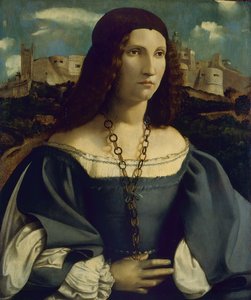
Altobello Melone
1491 - 1543 , Italy
Osnovne informacije
- Artistic Movement Or Style: Lombard & Mannerist
- Artists Or Movements Influenced By This Artist: ['Marcantonio Michiel']
- Artists Who Influenced This Artist:
- Girolamo Romanino
- Francesco Prata
- Date Of Birth: Cremona, Italy (1491)
- Date Of Death: Before 3 May 1543
- Full Name: Altobello Melone
- Nationality: Italian
- Notable Artworks:
- The Lamentation
- Tobias and the Angel
- Flight to Egypt
- Place Of Birth: Cremona
Srodni članci
Mario Sironi: A Poetic of Modern Italian Identity Through Symbolism & Social Commentary
Explore the profound works of Mario Sironi, a key figure in Italian Modernism. Discover his evolution from Futurism to Metaphysical painting and his powerful social commentary. Learn about his legacy at OriginalUniqueArt.

Drama and Light: A Definitive Guide to the Italian Baroque Masterpieces and the Revolution of Chiaroscuro
Explore the dramatic world of Italian Baroque art. Discover how masters like Caravaggio used chiaroscuro and tenebrism to revolutionize painting through light, shadow, and profound realism. A definitive guide for history lovers and art collectors.

Giovanni Fattori: Realism, Identity & the Tuscan Landscape – A Macchiaioli Master
Explore the life & art of Giovanni Fattori, a leading figure of the Macchiaioli movement. Discover his revolutionary realism, captivating Tuscan landscapes, and lasting impact on Italian painting. Learn more at OriginalUniqueArt.

Carlo Carrà: Futurist Visions & Metaphysical Transformations in Early 20th-Century Italian Painting
Explore the artistic journey of Carlo Carrà, a pivotal figure in Italian Futurism & Metaphysical painting. Discover his dynamic compositions, collaborations with de Chirico, and lasting influence on modern art history.
Civic Virtue and Artistic Rivalry: Patronage and Innovation in the Italian Renaissance Republics, 1400–1600
Explore the Italian Renaissance! Discover how competitive patronage & humanist ideals fueled artistic innovation in republics like Florence & Venice. Expert insights for art lovers and collectors.

