
 Pregledaj u stvarnoj veličini
 Pošalji
 Podijeli
 Detalji o umjetničkom djelu

 Preuzmi
 Slični predmeti
 Rentgenska snimka
 Automatska prezentacija
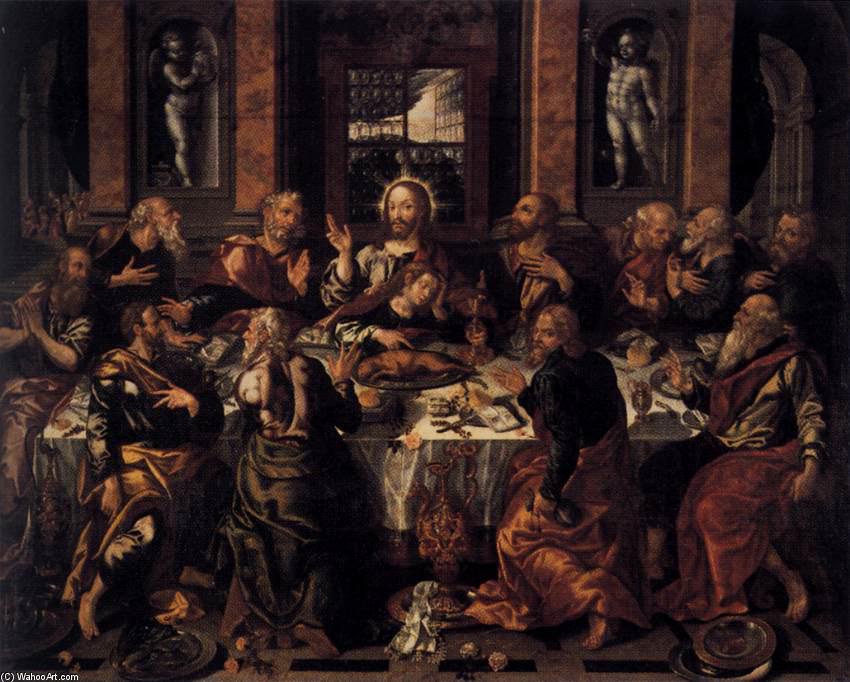
Last Supper


 Prikaži više
Ručno rađena uljana reprodukcija
Ručno oslikano uljanim bojama na platnu u dimenzijama i okviru po vašem izboru, izrađeno po narudžbi od strane naših umjetnika. ( Kupi print Kupi digitalnu sliku)




































Odaberite jednu od naših unaprijed definiranih veličina koje odgovaraju izvornim proporcijama umjetničkog djela.

Možete unijeti vlastite dimenzije kako bi odgovarale određenom okviru ili prostoru. Ako odabrana veličina ne odgovara proporcijama izvorne slike, izrezat ćemo umjetničko djelo ili proširiti sliku dodatnim ručno oslikanim elementima. Digitalni nacrt bit će vam poslan na odobrenje prije početka proizvodnje.
Imajte na umu da pregled na ekranu ne prikazuje stvarno izrezivanje ili proširivanje. Samo će nacrt točno prikazati konačni sastav.
Iako su dostupne prilagođene veličine, preporučujemo odabir dimenzije s preddefiniranog popisa kako bismo očuvali izvorne proporcije.
Nakon narudžbe, tim OriginalUniqueArt.com kontaktirat će klijenta putem e-pošte radi dobivanja uputa te dostaviti probni prikaz (mockup).
Isporuka širom svijeta () u roku od 3-4 tjedna umjesto standardnih 5 tjedana. (14 Kolovoz). Bez kompromisa u kvaliteti.

Besplatna ekspresna dostava širom svijeta

Visokokvalitetno laneno platno

Potpuno osiguranje dostave

Jamstvo povrata carine i uvoznih poreza

Garancija vjernog podudaranja boja

Politika povrata u roku od 60 dana (samo u slučaju nedostataka)

Jamstvo povrata 100% novca

Popust na više proizvoda
 Opcija stakla dostupna je samo za dimenzije manje od 110 cm

Last Supper
Tehnika reprodukcije
Veličina reprodukcije
-


Ukupna cijena
$ 300
Biografija umjetnika
A Life Immersed in Sacred Imagery: The World of Alonso Vázquez
Alonso Vázquez, a name perhaps less celebrated than some of his contemporaries, nevertheless occupies a significant niche within the vibrant tapestry of Spanish Renaissance art. Born in Ronda around 1565, his artistic journey unfolded against a backdrop of religious fervor and burgeoning Baroque sensibilities. While biographical details remain somewhat fragmented, we can piece together a portrait of an artist deeply committed to expressing faith through meticulously crafted paintings and sculptures. His early training took place in Seville under the tutelage of Arfian, a master who instilled in him the foundational skills necessary for navigating the demanding world of religious commissions. This apprenticeship wasn’t merely technical; it was an immersion into the iconography and devotional practices that would define his oeuvre. He began with *sargas* – inexpensive paintings on rough canvas – honing his abilities before graduating to more substantial works like frescoes and oil panels, a testament to his growing mastery.From Seville Canvases to Mexican Devotion
Vázquez’s artistic career blossomed primarily in Seville, a city pulsating with religious life and serving as a crucial port for the Spanish Empire. He quickly became sought after for decorating churches and convents, leaving behind a trail of works that, though many are now lost, reveal a distinctive style characterized by emotional intensity and refined technique. The Cathedral of Seville, along with the convents of St. Francis and St. Paul, were among his earliest patrons, providing him with opportunities to explore various themes within Christian narrative. A particularly noteworthy series of canvases depicted the life of Saint Raymond, commissioned for the cloister of the Order of Mercy. These paintings weren’t simply illustrations; they were intended to inspire piety and evoke a sense of empathy in viewers. Beyond these devotional works, Vázquez also contributed his talents to grand public displays, notably participating in the creation of an elaborate *catafalque* – a funerary monument – erected in Seville Cathedral following the death of Philip II. This undertaking demonstrates not only his technical skill but also his standing within the artistic community. The circumstances surrounding his later life are shrouded in some mystery; it is believed he traveled to Mexico, likely around the turn of the 17th century, where he continued to practice his art until his death, probably around 1608.Influences and Artistic Development
Pinpointing specific influences on Vázquez’s style proves challenging, as his work represents a synthesis of various currents prevalent in Spanish Renaissance painting. The influence of Italian Mannerism is discernible in the elegant elongation of figures and the sophisticated use of color, yet he also absorbed elements from Flemish realism, evident in the meticulous detail and naturalistic rendering of textures. However, it’s perhaps more accurate to view Vázquez as a transitional figure, bridging the gap between the High Renaissance and the emerging Baroque style. His paintings gradually moved away from the idealized forms of earlier Renaissance masters towards a greater emphasis on emotional expression and dramatic lighting – hallmarks of the Baroque aesthetic. This shift is particularly noticeable in his later works, where he employed bolder compositions and more dynamic brushwork to convey a sense of spiritual fervor.Themes and Techniques: A Language of Faith
The overwhelming majority of Vázquez’s surviving work revolves around religious themes – scenes from the lives of saints, depictions of the Virgin Mary, and representations of Christ's Passion. He wasn’t interested in groundbreaking innovation; rather, he sought to communicate established theological narratives with clarity and emotional resonance. His technique was characterized by a remarkable attention to detail, particularly evident in the rendering of fabrics, facial expressions, and architectural settings. He possessed a masterful command of oil painting, utilizing layers of glazing to create luminous effects and subtle gradations of color. While his frescoes demonstrate a more direct approach, they nonetheless reveal a sensitivity to form and composition. His use of symbolism was deliberate and nuanced, drawing upon established iconographic traditions to reinforce the devotional message of his paintings. He often employed specific colors – blue for Mary’s purity, red for Christ's sacrifice – to enhance the emotional impact of his work.Historical Significance and Legacy
Although not as widely recognized as some of his contemporaries like El Greco or Zurbarán, Alonso Vázquez played a crucial role in shaping the artistic landscape of Seville during a period of significant religious and cultural change. His paintings served as powerful tools for reinforcing Catholic doctrine and inspiring piety among the faithful.- His work exemplifies the transition from Renaissance classicism to Baroque emotionalism.
- He contributed significantly to the decorative programs of numerous churches and convents in Seville, leaving behind a lasting legacy within the city’s artistic heritage.
- His later activities in Mexico suggest his involvement in disseminating Spanish religious art throughout the New World.

alonso vázquez
1565 - 1608
Osnovne informacije
- Artistic Movement Or Style: Renaissance
- Artists Or Movements Influenced By This Artist: ['Italian Renaissance']
- Artists Who Influenced This Artist:
- Luis de Vargas
- Antonio de Arjián
- Date Of Birth: ca. 1565
- Date Of Death: ca. 1608
- Full Name: Alonso Vázquez
- Nationality: Spanish
- Notable Artworks:
- St Raymond Paintings
- Great Catafalque
- Place Of Birth: Ronda, Spain
Srodni članci
Masterpieces of the Last Supper: An Art Historian's Journey Through Iconic Depictions of a Sacred Moment
Explore the profound artistry of The Last Supper through an art historian's lens. From Leonardo da Vinci’s genius to diverse Renaissance interpretations, discover the symbolism and technique behind history's most iconic sacred depictions.

The Enduring Legacy of Oil on Canvas: Technique, History & Aesthetic Impact
Explore the rich history & techniques of oil painting – from Renaissance masters to Impressionism. Discover pigments, layering methods, and why this timeless medium endures. Expert insights for artists & art enthusiasts.

The Enduring Power of Painting: A Historical & Contemporary Exploration of Form and Emotion
Explore the rich history & enduring techniques of oil painting with OriginalUniqueArt. Discover masterpieces, learn about art collecting, and find authentic handmade reproductions crafted by skilled artists.

Oil on Canvas: A Historical & Technical Exploration of a Timeless Artistic Medium
Explore the rich history & enduring techniques of oil painting on canvas. Discover the science behind its longevity, conservation practices, and contemporary relevance. Expert insights for art enthusiasts.
The Timeless Charm of Oil on Board: Reimagining Texture and Light through the Impressionist Lens
Discover the profound intimacy of oil on panel. Explore how Impressionist masters used rigid supports to capture light, texture, and impasto depth through exquisite, handmade oil reproductions for discerning collectors.

