

 Pregledaj u stvarnoj veličini
 Podijeli
 Podijeli
 Detalji
 Vodič
Vodič

 Preuzmi datoteku
 Slični predmeti
 Rentgenska snimka
 Slide show
 Statistika
Self-Portrait
 Oil On Canvas
- WallArt
- Baroque Painting
 1699
1699- Contemporary
 81.0 x 66.0 cm
 Rijksmuseum
 Pročitajte više
Ručno rađena uljana reprodukcija
Ručno oslikano uljanim bojama na platnu u dimenzijama i okviru po vašem izboru, izrađeno po narudžbi od strane naših umjetnika. ( Prebacite na prodaju printova Prebacite na digitalnu prodaju slika)




P118B €10

P118H €10

P118W €10

P438Z €10

P508JH €12

P508YH €12

P805H €10

P805Z €10

P919BZ €10

P919G €10

P919XJ €10

P959ZH €10

P968JZ €12

W106C €8

W218G €10

W218JH €8

W218Y €10

W307PJ €10

W316G €10

W316PJ €8

W316Y €10

W398PJ €8

W4111J €10

W500HY €15

W500JH €15

W692G €12

W849H €8

W940BG €15

W953PJ €8




Odaberite jednu od naših unaprijed definiranih veličina koje odgovaraju izvornim proporcijama umjetničkog djela.

Unesite širinu i visinu koja vam je potrebna, kako bi odgovarali vašem okviru ili zidu. Budući da je ovo ručno oslikano djelo, umjetnik može malo proširiti rubove slike ili ih skratiti kako bi postigao željeni oblik — izbor je vaš. Prije početka slikanja poslat ćemo vam digitalni prikaz (mockup) radi potvrde. Slika prikazana na ovoj stranici ne predstavlja stvarni rezultat — samo digitalni prikaz to čini.
Nakon narudžbe, tim OriginalUniqueArt.com kontaktirat će klijenta putem e-pošte radi dobivanja uputa te dostaviti probni prikaz (mockup)
Isporuka širom svijeta () u roku od 3-4 tjedna umjesto standardnih 5 tjedana. (23 Listopad). Bez kompromisa u kvaliteti.

Besplatna ekspresna dostava širom svijeta

Visokokvalitetno laneno platno

Potpuno osiguranje transporta

Jamstvo povrata carine i uvoznih poreza

Jamstvo vjernosti boja

Politika povrata u roku od 100 dana (samo u slučaju nedostataka)

Jamstvo povrata 100% novca

Popust na više proizvoda
 Opcija stakla dostupna je samo za dimenzije manje od 110 cm

Self-Portrait
Tehnika izrade
Veličina reprodukcije
-


Ukupna cijena
€ 264
A Window into the Baroque Soul: Adriaen van der Werff’s Self-Portrait
Adriaen van der Werff's 1699 Self-Portrait is more than just a likeness; it’s a meticulously crafted window into the mind of a prominent Dutch artist during a pivotal era. Housed within the hallowed halls of the Rijksmuseum in Amsterdam, this oil on canvas painting transcends mere portraiture, offering a profound glimpse into the values, ambitions, and artistic sensibilities of 17th-century Europe. The work immediately commands attention with its dramatic use of chiaroscuro – the masterful interplay of light and shadow – which sculpts Van der Werff’s features and imbues the scene with an almost theatrical intensity. The artist doesn't simply present himself; he actively engages the viewer, inviting us into his world of artistic creation.
Van der Werff’s skill isn’t merely technical; it’s deeply rooted in a Baroque aesthetic that prized drama, emotion, and a heightened sense of realism. The composition itself is carefully orchestrated: the artist stands before a table laden with his tools – brushes, palettes, and a partially completed portrait of his wife and daughter – each element contributing to a narrative of dedication and artistic pride. The inclusion of this family portrait isn’t merely decorative; it speaks volumes about Van der Werff's life and priorities, suggesting a desire for domestic harmony alongside his professional pursuits. The gilt-framed miniature further emphasizes this familial connection, elevating the importance of his loved ones within his artistic world.
Decoding Baroque Techniques: Light, Shadow, and Detail
A closer examination reveals the intricate techniques that define Van der Werff’s style. The strong contrasts between light and dark – a hallmark of Baroque painting – aren't simply employed for visual effect; they serve to draw our attention to key focal points, particularly the artist himself. His face is rendered with an almost photographic precision, capturing every nuance of expression—a subtle hint of self-awareness mingled with quiet confidence. The meticulous detail extends beyond his features to encompass the textures of his clothing, the sheen of the gold trim, and even the delicate brushstrokes that define the miniature portrait.
Van der Werff’s mastery of color is equally noteworthy. He utilizes a rich palette of reds, browns, and golds, creating a sense of warmth and opulence. The dark background serves as a dramatic foil to these vibrant hues, further enhancing the impact of the figure in the foreground. The artist's use of sfumato – a subtle blurring technique – softens the edges of forms, lending an air of mystery and sophistication to the overall composition. This careful attention to detail and masterful manipulation of light and color are hallmarks of his distinctive style, setting him apart from many of his contemporaries.
A Reflection of its Time: Context and Symbolism
To fully appreciate Van der Werff’s Self-Portrait, it's essential to understand the historical context in which it was created. The Baroque period (roughly 1600-1750) witnessed a dramatic shift in artistic sensibilities, moving away from the restrained elegance of the Renaissance and embracing a more dynamic, emotional, and often theatrical style. The Catholic Church remained a significant patron of the arts during this time, commissioning works that celebrated religious themes and reinforced spiritual values. However, secular commissions also flourished, reflecting the growing wealth and influence of merchants and nobility.
Within the portrait itself, several symbolic elements contribute to its layered meaning. The artist’s pose—standing before his work—suggests a deliberate act of self-promotion and an assertion of artistic authority. The inclusion of his family underscores the importance of domesticity and legacy in 17th-century Dutch society. And the miniature portrait, depicting his wife and daughter, serves as a poignant reminder of the personal relationships that shaped his life and work. The overall impression is one of a man deeply connected to both his craft and his family—a testament to the values of his time.
Bringing Van der Werff’s Vision Home: A Reproduction for Today
OriginalUniqueArt offers meticulously crafted, hand-painted reproductions of Adriaen van der Werff's Self-Portrait, allowing you to experience this masterpiece in stunning detail. Our skilled artisans replicate the artist’s techniques with unparalleled accuracy, capturing the chiaroscuro, color palette, and nuanced expressions that define this iconic work. Whether displayed in a grand salon or a cozy study, our reproduction will serve as a beautiful reminder of the artistic brilliance of the Baroque era—a timeless piece of art that continues to inspire and captivate audiences today.
To explore more works by Adriaen van der Werff and delve deeper into his life and legacy, we invite you to visit our online gallery. For further insights into the Rijksmuseum’s collection, please see this resource.
Pitanja i odgovori
Nalazi li se "Self-Portrait" autora Adriaen Van Der Werff u domovini umjetnika?
Da – umjetničko djelo se nalazi u domovini umjetnika. Djelo "Self-Portrait" nalazi se u državi Nizozemska, dok je Adriaen Van Der Werff rođen/a u državi Nizozemska.
Gdje i u koje svrhe se preporučuje "Self-Portrait"?
"Self-Portrait" autora Adriaen Van Der Werff preporučuje se za Statement, idealno u Living Room. Namjena i prostor zajedno sugeriraju gdje reprodukcija najbolje pristaje.
Koja je tehnika i dimenzija originalnog djela "Self-Portrait" autora Adriaen Van Der Werff?
"Self-Portrait" je izvedeno u tehnici Oil On Canvas i u svom izvornom obliku ima dimenzije 81 x 66 cm.
Biografija umjetnika
Majstor pedantne miline: Život Adriena van der Werffa
U veličanstvenom tapiseriji zlatnog doba Nizozemske, malo je niti koje sjaje s toliko uglađenog sjaja kao djelo Adriena van der Werffa. Rođen u Haagu 1659. godine, Van der Werff je proizašao iz loze umjetničkog talenta; kao sin slikara, rano i intimno je upoznao nijanse svjetla i forme. Njegove su formativne godine oblikovale stroga podučavanja Eglona van der Neera, majstora kostima i draperija čiji se utjecaj i danas vidi u izvrsnim, svilenkastim teksturama koje obilježavaju Van derffova kasnija remek-djelca. Ta je rana obuka u njemu usadila posvećenost preciznosti, pretvarajući njegovu kist u instrument sposoban uhvatiti najnježnije prijelaze kože i tkanine.
Kako je njegova karijera napredovala, Van der Werff je nadilazio čistu tehničku vještinu kako bi postigao razinu psihološke dubine koja je očarala europsko plestvo. Uz svog brata i učenika, Pietera van der Werffa, utemeljio je moćan studio u Rotterdamu. Njegov uspon unutar umjetničke zajednice obilježen je vodstvom nad esnadom Svetog Luke, položajem od neizmjerne prestiža koji mu je omogućio da privuče pažnju najutjecajnijih poklonika tog doba. Njegovo je djelo postalo most između sirove realističnosti ranijih nizozemskih majstora i rafiniranih, elegantnih osjećaja usredblando rađajućeg rokokoskog pokreta.
Simfonija svjetla i mitologije
Prava magija Van derffova djela leži u njegovoj sposobnosti da oživljava mitološke i biblijske narative antike. On nije samo ilustrirao priče; on ih je režirao s dramskom intenzitetom koristeći chiaroscuro kako bi izazvao duboke emocije. U djelima poput 'Lot i njegove kćeri', može se svjedočiti majstorstvu igre sjena i svjetla, gdje svaki treptaj svijeće služi za pojačavanje napetosti i simboličke težine scene. Njegova platna često služe kao prozori u svijet klasične elegancije, gdje je ljudski oblik prikazan s porculanskom dovršenošću koja djeluje istovremeno eterično i opipljivo prisutno.
Njegov tehnički repertoar bio je iznimno raznolik, omogućujući mu kretanje između različitih načina portretiranja i narativnog slikarstva:
- Mitološka veličanstvenost: Njegovi prikazi bogova i heroja često su koristili monumentalne kompozicije kako bi prenijeli moć i milinu.
- Intimni portreti: U djelima poput njegovog 'Autoportreta', pokazao je nepokolebljivu iskrenost, hvatajući samopouzdanje i karakter subjekta kroz pedantne detalje.
- Žanrovsko slikarstvo i skupine: Djela poput 'Djeca koja se igraju pred skupinom Herakla' pokazuju njegovu sposobnost spajanja domaće nježnosti s impresivnim prisustvom klasične skulpture, stvarajući slojevitu narativ o susretu nevinosti i antike.
Naslijeđe i povijesni značaj
Domet Adriena van der Werffa protezao se daleko izvan granica Nizozemske. Njegova reputacija "finog slikara" donijela mu je pokroviteljstvo najviših slojeva europskih plemića, uključujući Johanna Wilhelma, kurjač Palatinata, i slavnu Annu Mariju Luisu de' Medici. Naručivanje monumentalnih djela za firentinski dvor stoji kao svjedočanstvo njegovog statusa međunarodne figure barokne ere. Njegova sposobnost da zadovolji sofisticirani ukus obitelji Medici učvrstila je njegovo naslijeđe umjetnika koji je mogao spojiti sjevernu preciznost s južnom elegancijom.
U konačnici, značaj Van der Werffa leži u njegovoj ulozi tranzicijske figure. Uzeo je temeljne elemente nizozemskog realizma — opsesiju teksturom, svjetlom i istinom — i uzdigao ih u rafinirani, dvorski jezik koji će utjecati na smjer umjetnosti 18. stoljeća. Iako će era velikih nizozemskih majstora na kraju ustupiti mjesto novim pokretima, blistavi, uglađeni svijet koji je stvorio Van der Werff ostaje trajni spomenik vrhuncima barokne umjetničke izvedbe.

Adriaen Van Der Werff
1659 - 1722 , Nizozemska
Brzi pregled
- Artistic Movement Or Style: Barok
- Artists Or Movements Influenced By This Artist: ['Dutch Masters']
- Artists Who Influenced This Artist: ['Eglon van der Neer']
- Date Of Birth: Haag, Nizemlanda (1659)
- Date Of Death: 1722
- Full Name: Adriaen van der Werff
- Nationality: Nizemac
- Notable Artworks:
- SAINTE MADELEINE MEDITANT DANS LA SOLITUDE
- ADAM ET EVE
- SARAH PRESENTE AGAR A ABRAHAM
- Place Of Birth: Haag
Povezani članci
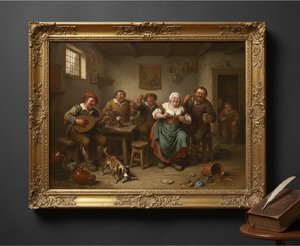
Adriaen van Ostade: A Master of Dutch Genre Painting & Social Commentary
Explore the life & work of Adriaen van Ostade, a leading Dutch Golden Age painter. Discover his realistic genre scenes, social commentary, and lasting influence on art history. Learn more at OriginalUniqueArt.

Early Netherlandish Masters: 10 Paintings That Revolutionized Art & Decor
Journey into the Early Netherlandish Renaissance! Explore 10 iconic paintings by Jan van Eyck, Rogier van der Weyden & more. Discover stunning detail, symbolism, and oil painting techniques. Find museum-quality art reproductions for your home at OriginalUniqueArt.com.

Hugo van der Goes: Devotion, Innovation & the Psychological Depth of Early Netherlandish Painting
Explore the revolutionary art of Hugo van der Goes – a master of Early Netherlandish painting renowned for his dramatic realism, psychological depth & profound influence on Renaissance artists. Discover his iconic works and lasting legacy.

Dutch Baroque Masters: 10 Paintings That Shaped an Era | OriginalUniqueArt
Journey through the Golden Age with our guide to the Top 10 Dutch Baroque masterpieces! Explore iconic paintings by Rembrandt, Vermeer & Frans Hals. Find museum-quality art reproductions and elevate your home decor at OriginalUniqueArt.com.

Rembrandt van Rijn: 25 Majstorstava Svjetla i Sjene | Reprodukcije za Vaš Dom
Uronite u svijet Rembrandta van Rijna! Otkrijte 25 najpoznatijih djela nizozemskog baroka, priče iza portreta i biblijskih scena te majstorstvo svjetla i sjene. Kupite reprodukcije vrhunske kvalitete za vaš dom na OriginalUniqueArt.com

