

 Pregledaj u stvarnoj veličini
 Pošalji
 Podijeli
 Detalji o umjetničkom djelu

 Preuzmi
 Slični predmeti
 Rentgenska snimka
 Automatska prezentacija
 Statistika
Portret van David de Moor
 Prikaži više
Kupite digitalnu sliku visoke rezolucije i poboljšane kvalitete, koja je znatno superiornija od online prikaza.
Svaka datoteka pedantno je pripremljena od strane naših internih stručnjaka koristeći napredne alate i vještinsku ručnu retušu. Osiguravamo da svaka slika ima iznimnu jasnoću, preciznu točnost boja i visoku razinu detalja.
Konačna datoteka dostavlja se putem e-pošte u roku od 72 sata, optimizirana za neposrednu upotrebu u profesionalnim, uredničkim i tiskarskim okruženjima. To je ista kvaliteta kojoj vjeruju vrhunski studiji dizajna, izdavači i galerije.
Digitalna slika
Preuzmite datoteku visoke rezolucije za osobnu izložbu, tisak i kreativne projekte. ( Prebacite na print Kupi ručno naslikanu sliku)
Uključeno uz svaku narudžbu digitalne slike
Profesionalna digitalna dostava, zajamčena
Odabirom OriginalUniqueArt.com ne dobivate samo sliku – dobivate profesionalno unapređeno digitalno umjetničko djelo, izrađeno s najvećom preciznošću uz jamstvo zadovoljstva. Evo svega što automatski dolazi uz vašu narudžbu:

Brza dostava e-poštom
Vaša digitalna slika visoke rezolucije bit će vam poslana e-mailom u roku od 72 sata od narudžbe – spremna za neposrednu upotrebu.

Digitalna datoteka poboljšana AI-om
Vaše umjetničko djelo profesionalno je optimizirano pomoću naprednih AI alata i ručnog uređivanja, čime se osigurava maksimalna razina detalja, oštrine i točnosti boja.

Besplatna ponovna dostava doživotno
Slučajno ste obrisali ili izgubili svoju datoteku? Ne brinite – ponovno ćemo vam je poslati u bilo kojem trenutku, potpuno besplatno.

Bez uvoznih carina – ikada
Uživajte u svojim umjetničkim djelima trenutno, bez carina, pristojbi ili troškova dostave – digitalne datoteke uvijek su oslobođene poreza.

Jamstvo točnosti boja
Uz pomoć profesionalnih alata i upravljanja bojama, osiguravamo da vaša digitalna slika što vjernije odražava izvorne boje.

Jamstvo zadovoljstva u trajanju od 100 dana
Ako niste zadovoljni svojom digitalnom slikom, revidirat ćemo je ili vratiti 100% iznosa u roku od 100 dana – bez suvišnih pitanja.

100% Jamstvo povrata novca
Niste zadovoljni? Osigurajte puni povrat novca u roku od 100 dana od primitka digitalne datoteke – bez suvišnih pitanja.

Popusti na velike narudžbe
Kupite 3 slike, uštedite 10% - Kupite 5 slika, uštedite 15% - Kupite 10+ slika, uštedite 20%. Odlično za kreativne projekte, galerije i agencije.
Biografija umjetnika
A Peripatetic Life in Paint: Abraham de Vries and the Dutch Golden Age
Abraham de Vries, a name perhaps less immediately recognizable than some of his contemporaries, nevertheless occupies a fascinating and significant niche within the vibrant tapestry of 17th-century Dutch and Flemish painting. Born around 1590 – with recent scholarship leaning towards The Hague rather than Rotterdam as his birthplace – de Vries led a remarkably mobile life for an artist of his era, traversing France, Antwerp, and various cities within the Dutch Republic. This peripatetic existence profoundly shaped his artistic development, resulting in a style that skillfully blended diverse influences, reflecting a keen eye for both Dutch realism and Flemish dynamism. Biographical details remain somewhat fragmented, pieced together from guild records, archival documents, and contemporary accounts, yet they reveal a portrait of an ambitious artist constantly seeking to refine his craft and navigate the complex art world of his time. His early training remains shrouded in some mystery, though a self-portrait from 1621 hints at both artistic skill and intellectual curiosity, depicting him as a learned practitioner aware of broader cultural currents.From French Sojourns to Flemish Flourishes
De Vries’s travels began early, with evidence suggesting a visit to Lyon in France as early as 1613. The following decades saw him establish a pattern of extended stays in various French cities – Aix-en-Provence, Toulouse, Montpellier, and Paris – where he not only practiced his art but also cultivated important connections. His time in Aix-en-Provence proved particularly formative, as he took on the young Flemish artist Jan Cossiers as a pupil, demonstrating an early willingness to share his knowledge and engage with artistic communities beyond his own origins. A pivotal moment arrived during his stay in Paris in 1629 when he encountered Peter Paul Rubens. This meeting left an indelible mark on de Vries’s work, introducing him to the dramatic energy and refined technique that characterized Flemish Baroque painting. Later, a sojourn in Antwerp from 1634 onwards solidified this influence. His portrait of Simon de Vos, painted during this period, exemplifies the dynamism and stylistic echoes of Anthony van Dyck that now permeated his oeuvre. Even a brief but impactful stint at the Brussels court in 1636, where his talents were reportedly favored even over Van Dyck’s, underscores his growing reputation and artistic prowess.A Synthesis of Styles: Dutch Roots and Rembrandt's Shadow
Despite his extended periods abroad, de Vries never entirely abandoned the sensibilities of his Dutch heritage. His early works demonstrate an affinity for the restrained realism favored by artists in Amsterdam and The Hague, such as Thomas de Keyser and Jan van Ravesteyn. However, the Flemish influence gradually became more pronounced, particularly in his portraits, where he embraced a richer palette, more dramatic lighting, and a greater emphasis on capturing the personality of his sitters. By the 1640s, another significant force entered the equation: Rembrandt van Rijn. The Dutch master’s innovative approach to portraiture – prioritizing psychological depth and characterization over mere physical likeness – resonated deeply with de Vries. This influence is strikingly evident in works like “Portrait of a Dutch Gentleman” (1647), which was initially mistaken for a Rembrandt painting, showcasing the artist's ability to convey inner life through subtle nuances of expression and masterful use of *chiaroscuro*.Beyond Individual Portraits: Innovation in Group Portraiture
While celebrated primarily as a portraitist, de Vries also demonstrated his versatility through group portraits – a particularly important genre in the Dutch Golden Age. His “Regents of the Burgerweeshuis Orphanage in Amsterdam” (1633) stands out for its innovative composition. Rather than arranging the regents in a static, symmetrical formation, de Vries divided them into standing and seated groups, connected by a staff member leading an orphan girl – a remarkably unusual inclusion that imbues the painting with a sense of compassion and social awareness. This subtle yet powerful detail elevates the work beyond a mere record of civic duty, transforming it into a poignant commentary on the responsibilities of those entrusted with the care of vulnerable children. This innovative approach demonstrates de Vries’s willingness to experiment with form and narrative within the conventions of his time.A Lasting Legacy: De Vries in the Context of His Era
Abraham de Vries's historical significance lies not in a single, revolutionary innovation but rather in his remarkable ability to synthesize diverse artistic influences into a cohesive and compelling style. He was a master adapter, seamlessly blending Dutch realism with Flemish dynamism and later incorporating Rembrandt’s psychological insights. His peripatetic lifestyle, while making it challenging to define a singular stylistic identity, ultimately enriched his art, exposing him to a wider range of techniques and perspectives. Though perhaps not as widely celebrated as some of his more famous contemporaries, de Vries's portraits offer invaluable glimpses into the social and cultural landscape of 17th-century Europe, showcasing a diverse array of individuals – artists, regents, and ordinary citizens – with sensitivity, skill, and an enduring sense of humanity. His work continues to captivate viewers today, offering a testament to the power of artistic exchange and the enduring appeal of masterful portraiture.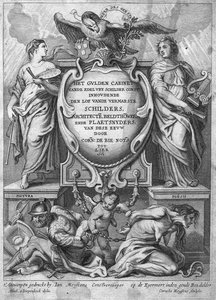
Abraham de Vries
1590 - 1662 , Netherlands
Kratke činjenice
- Artistic Movement Or Style: Dutch Golden Age portraiture
- Artists Who Influenced This Artist:
- Thomas de Keyser
- Jan van Ravesteyn
- Peter Paul Rubens
- Rembrandt
- Date Of Birth: c. 1590
- Date Of Death: c. 1650
- Full Name: Abraham de Vries
- Nationality: Dutch
- Notable Artworks:
- Figure of Christ
- Portrait of Erminia Van Beresteyn
- Portrait of a Man
- Regents of the Burgerweeshuis
- Place Of Birth: The Hague, Netherlands