

 Pregledaj u stvarnoj veličini
 Podijeli
 Podijeli
 Detalji
 Vodič
Vodič

 Preuzmi datoteku
 Slični predmeti
 Rentgenska snimka
 Slide show
 Statistika
Pavilion
 Oil On Canvas
- WallArt
- Bengal School of Art
 23.0 x 16.0 cm
 Victoria Memorial Hall
 Pročitajte više
Ručno rađena uljana reprodukcija
Ručno oslikano uljanim bojama na platnu u dimenzijama i okviru po vašem izboru, izrađeno po narudžbi od strane naših umjetnika. ( Prebacite na prodaju printova Prebacite na digitalnu prodaju slika)




P118B €10

P118H €10

P118W €10

P438Z €10

P508JH €12

P508YH €12

P805H €10

P805Z €10

P919BZ €10

P919G €10

P919XJ €10

P959ZH €10

P968JZ €12

W106C €8

W218G €10

W218JH €8

W218Y €10

W307PJ €10

W316G €10

W316PJ €8

W316Y €10

W398PJ €8

W4111J €10

W500HY €15

W500JH €15

W692G €12

W849H €8

W940BG €15

W953PJ €8




Odaberite jednu od naših unaprijed definiranih veličina koje odgovaraju izvornim proporcijama umjetničkog djela.

Unesite širinu i visinu koja vam je potrebna, kako bi odgovarali vašem okviru ili zidu. Budući da je ovo ručno oslikano djelo, umjetnik može malo proširiti rubove slike ili ih skratiti kako bi postigao željeni oblik — izbor je vaš. Prije početka slikanja poslat ćemo vam digitalni prikaz (mockup) radi potvrde. Slika prikazana na ovoj stranici ne predstavlja stvarni rezultat — samo digitalni prikaz to čini.
Nakon narudžbe, tim OriginalUniqueArt.com kontaktirat će klijenta putem e-pošte radi dobivanja uputa te dostaviti probni prikaz (mockup)
Isporuka širom svijeta () u roku od 3-4 tjedna umjesto standardnih 5 tjedana. (25 Listopad). Bez kompromisa u kvaliteti.

Besplatna ekspresna dostava širom svijeta

Visokokvalitetno laneno platno

Potpuno osiguranje transporta

Jamstvo povrata carine i uvoznih poreza

Jamstvo vjernosti boja

Politika povrata u roku od 100 dana (samo u slučaju nedostataka)

Jamstvo povrata 100% novca

Popust na više proizvoda
 Opcija stakla dostupna je samo za dimenzije manje od 110 cm

Pavilion
Tehnika izrade
Veličina reprodukcije
-


Ukupna cijena
€ 263
Abanindranath Tagore’s “Pavilion”: A Bridge Between East and West
The artwork presented here, Abanindranath Tagore's "Pavilion," isn’t merely a depiction of a building; it’s a carefully constructed visual poem, a pivotal moment in the history of Indian art. Painted in 1907, during a period of intense nationalistic fervor and artistic experimentation, this work represents Tagore’s audacious attempt to synthesize traditional Indian aesthetics with Western influences – a strategy that fundamentally reshaped the landscape of modern Indian painting. It's a piece brimming with symbolism, inviting viewers to contemplate themes of spirituality, identity, and the evolving relationship between tradition and modernity.
Tagore, deeply influenced by the Japanese aesthetic—particularly its emphasis on calligraphy and flattened perspective—and inspired by the Mughal and Rajput miniature traditions, sought to create an art form that resonated with Indian sensibilities. He deliberately rejected the academic realism prevalent in Western art schools, which he viewed as cold and devoid of spiritual depth. Instead, he drew upon the rich visual vocabulary of ancient India – its vibrant colors, stylized forms, and symbolic imagery—and infused it with a distinctly modern sensibility. “Pavilion” exemplifies this approach perfectly; it’s not a photographic representation but rather an evocative interpretation, prioritizing mood and feeling over strict adherence to reality.
A Symphony of Color and Symbolism
The painting immediately captivates the eye with its rich palette—a deliberate departure from the muted tones favored by Western artists. Deep blues and greens dominate the composition, evoking a sense of tranquility and spirituality, while bursts of crimson, gold, and saffron inject vibrancy and energy. These colors aren’t simply decorative; they carry profound symbolic weight. Blue represents the heavens and spiritual realms, red signifies passion and life force, and gold embodies divinity and enlightenment. The use of these hues is deeply rooted in Hindu iconography and reflects Tagore's desire to reconnect with India’s ancient spiritual heritage.
The pavilion itself—a structure reminiscent of Mughal palaces but imbued with a distinctly Indian character—is rendered with a flattened perspective, echoing the style of Japanese woodblock prints. The arched doorway, framed by intricate floral motifs and stylized clouds, serves as a focal point, drawing the viewer’s eye into the heart of the composition. Notice the deliberate simplification of forms – a hallmark of both Mughal and Japanese art—which contributes to the painting's serene and contemplative atmosphere. The figures depicted within the pavilion are not realistically rendered but rather presented as stylized silhouettes, further emphasizing the work’s symbolic nature.
Historical Context and Artistic Significance
“Pavilion” was created during a crucial period in Indian history—the early 20th century—a time marked by growing nationalist sentiment and a desire to reclaim India's cultural identity after centuries of colonial rule. Tagore’s art played a significant role in this movement, providing a visual language for expressing Indian values and traditions. He founded the Bengal School of Art, which championed a distinctly Indian style of painting that drew inspiration from both ancient and contemporary sources. This school challenged the dominance of Western artistic styles and paved the way for a new generation of Indian artists.
Tagore’s work wasn't without its critics. Some accused him of diluting traditional Indian art by incorporating Western elements, while others praised his innovative approach to blending Eastern and Western aesthetics. However, “Pavilion” remains a testament to Tagore’s artistic vision—a bold and ambitious attempt to create an art form that was both deeply rooted in India's cultural heritage and open to new influences. It stands as a pivotal work in the development of modern Indian painting, demonstrating the power of art to shape national identity and express complex ideas.
A Timeless Masterpiece for Your Space
Reproduced on high-quality canvas or paper, Abanindranath Tagore’s “Pavilion” offers a captivating glimpse into India's rich artistic heritage. Its serene composition, vibrant colors, and evocative symbolism make it an ideal addition to any home or office space. Whether you are drawn to its spiritual depth, its historical significance, or simply its aesthetic beauty, this artwork is sure to inspire contemplation and add a touch of timeless elegance to your surroundings. Consider commissioning a hand-painted reproduction from OriginalUniqueArt.com for a truly authentic experience.
Pitanja i odgovori
Jesu li boje djela "Pavilion" autora Abanindranath Tagore zasićene ili prigušene?
"Pavilion" autora Abanindranath Tagore je zabilježeno s Balanced Soft zasićenjem.
Je li dostupna datoteka za preuzimanje za "Pavilion"?
Preuzimanje je dostupno za "Pavilion": stranica Preuzimanje umjetninog djela nudi preuzimanje digitalne slike visoke rezolucije.
Koja su tehnika i dimenzije djela "Pavilion" autora Abanindranath Tagore?
Originalno djelo "Pavilion" autora Abanindranath Tagore je rad u tehnici Oil On Canvas dimenzija 23 x 16 cm. Tehnika i veličina opisuju izvorni predmet.
Biografija umjetnika
Rano djetinjstvo i podrijetlo
- Rođen: 7. svibnja 1861., Joransanko, Kalkuta, Britanska Indija
- Preminuo: 5. prosinca 1951.
- Obitelj: Član uglađenog obitelji Tagore; nećak Rabindranatha Tagorea. Njegov djed bio je Girindranath Tagore, a otac Gunendranath Tagore.
- Obrazovanje: Studirao na Sanskrit Collegeu u Kolkati 1880-ih, a kasnije pohađao Calcutta School of Art.
Umjetnički razvoj i utjecaji
- Prvo školovanje: Učio koristiti pastel od O. Ghilardija i ulje na platnu od Charlesa Palmera u Calcutta School of Art.
- Mogulska i Rajput stilovi: Težio modernizaciji ovih stilova, odbacujući zapadne umjetničke modele.
- Swadeshi vrijednosti: U svoje je umjetničko stvaralaštvo utkao Swadeshi vrijednosti, promovirajući indijske tradicije.
- Whistlerov esteticizam: Bio pod utjecajem Whistlerovih estetskih načela.
- Japanski utjecaj: Kasnije je u svoj stil uključio kineske i japanske kaligrafske tradicije nakon susreta s umjetnicima Tikanom i Hesidom.
Značajna djela i umjetnički doprinosi
- Rohini II: Značajno djelo koje prikazuje njegovu umjetničku vještinu.
- Passing of Shajahan: Još jedna značajna slika koja odražava njegov stil.
- Season Flower in a Vase: Demonstrira njegovu majstorstvo u tehnici i tematici.
- Serija Arabian Nights (1930): Smatra se jednim od njegovih najvećih uspjeha, koristeći priče iz "Arabskih noći" za istraživanje kolonijalne Kalkute.
- Bharat Mata: Značajna slika koja simbolizira Majku Indiju.
- Osnivač Bengalske škole umjetnosti: Odigrao je ključnu ulogu u oblikovanju moderne indijske slike i promociji nacionalističke umjetnosti.
- Indijsko društvo orijentalne umjetnosti (1907): Osnovao je ovo društvo kako bi promovirao tradicionalne indijske oblike umjetnosti.
Naslijeđe i povijesni značaj
- Pionir moderne indijske slike: Prepoznat kao ključna figura u razvoju moderne indijske umjetnosti.
- Utjecaj na kasnije umjetnike: Mentor istaknutim umjetnicima kao što su Nandalal Bose, Asit Halder, Kshitindranath Majumdar i Jamini Roy.
- Obnova tradicionalnih oblika umjetnosti: Zagovarao povratak tradicionalnim indijskim tehnikama i stilovima.
- Utjecaj na bengalsku dječju književnost: Pisao je utjecajne dječje knjige poput Rajkahini, Budo Angla, Nalak i Khirer Putul.
- Nacionalna umjetnička blaga: Njegova djela smatraju se nacionalnim umjetničkim blagima.

Abanindranath Tagore
1871 - 1951 , Indija
Brzi pregled
- Artistic Movement Or Style: Bengal School of Art
- Artists Or Movements Influenced By This Artist:
- Nandalal Bose
- Kshitindranath Majumdar
- Jamini Roy
- Artists Who Influenced This Artist:
- Whistler
- Mughal artists
- Rajput artists
- Date Of Birth: 7. svibnja 1871.
- Date Of Death: 5. prosinca 1951.
- Full Name: Abanindranath Tagore
- Nationality: Indijski
- Notable Artworks:
- Rohini II
- Passing of Shajahan
- Season Flower in a Vase
- Place Of Birth: Jorasanko, Indija
Povezani članci

Raja Ravi Varma: Bridging Tradition & Modernity in 19th-Century Indian Art
Explore the life & art of Raja Ravi Varma, a pioneer who fused European techniques with Indian iconography. Discover his iconic paintings, lasting legacy, and influence on modern Indian art at OriginalUniqueArt.
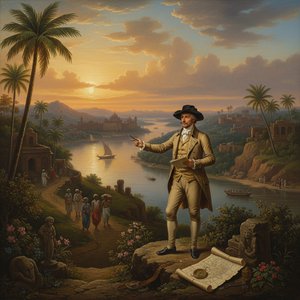
Thomas Daniell: Navigating Light, Landscape & Cultural Exchange in Early 19th-Century India
Explore the captivating landscapes of Thomas Daniell, a pioneering artist who documented India's beauty in the 19th century. Discover his 'Oriental Scenery,' aquatint technique & lasting legacy. Hand-painted reproductions available at OriginalUniqueArt.
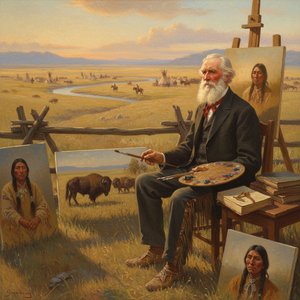
Joseph Henry Sharp: Capturing the Spirit of the Plains – Life, Art & Legacy
Explore the life & art of Joseph Henry Sharp, a founding member of the Taos Society of Artists renowned for his realistic depictions of Native American culture and Western landscapes. Discover his legacy with OriginalUniqueArt.
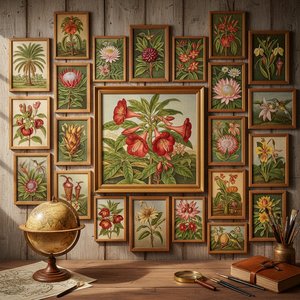
Marianne North's Masterpieces: 25 Botanical Paintings That Bloom With Adventure | OriginalUniqueArt
Journey through the vibrant world of Marianne North’s botanical paintings! Explore 25 iconic artworks from this Victorian artist, celebrating exotic flora & travel. Find museum-quality reproductions and curated decor ideas at OriginalUniqueArt.com.
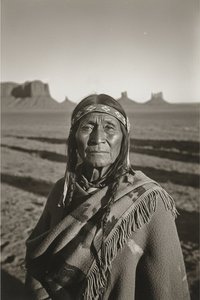
Shadow Catcher: Edward S. Curtis & the Ethnographic Portraiture of a Vanishing West
Explore the life & work of Edward S. Curtis, the 'Shadow Catcher,' and his groundbreaking photographic documentation of Native American cultures. Discover iconic images from *The North American Indian* and a critical look at his lasting legacy.
