Rococo, one artist at a time
100 Famous Rococo Painters Who Shaped the Movement
एंथोनी वातेऊ (1684–1721) is the most famous Rococo painter, whose singular vision gave us साइथेरा के लिए प्रस्थान and प्यार का पाठ. Next stand कनालेट्टो, जियोवानी बातिस्ता टिएपोलो, फ्रांस्वा बूशे and जीन-ऑनोरे फ्रागोनार्ड. These 100 painters, from जीन फ्रेंकोइस डी ट्रॉय (born 1645) to एडुआर्ड ओनोरे एवे (born 1818), came from 20 countries.
Our selection. Artists whose works our catalogue attaches to Rococo, in the order of our fame ranking. Artists born after 1955 with no Wikidata identifier stay out until verified. The Wikipedia figure counts our 32 languages with an article on the artist.


In brief
Rococo in brief
- 100Artists
- 1645–1818Years of birth
- 20Countries of birth
- 5Women
- 1Living artists
- 11037Works in our catalogue
- Museums holding the most key works
- एर्मिटेज संग्रहालय (15), लुव्र संग्रहालय (12), Nationalmuseum (9), मेट्रोपॉलिटन म्यूज़ियम ऑफ़ आर्ट (8)
- The women of this list
- रोसाल्बा कारिएरा, Adélaïde Labille-Guiard, ऐन वैलेयर-कोस्टर, Elisabeth-Louise Vigée-Lebrun, Anna Dorothea Therbusch
One artist at a time
100 Rococo Painters and their signature works


2of 100
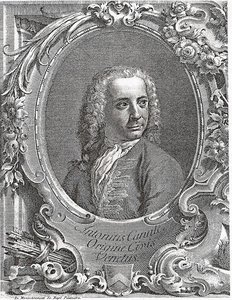
कनालेट्टो 1697–1768
इतालवी Born in वेनिस वेड्यूटे, टोपोग्राफिकल शैली Wikipedia in 30/32 languages
Signature works · The 100 signature works
 प्रारंभिक जीवन और प्रशिक्षण जियोवानी एंटोनियो कनालेटो, जिसे आमतौर पर कनालेटो के नाम से जाना जाता है, का जन्म 18 अक्टूबर, 1697 को वेनिस, इटली में हुआ था। वह बर्नार्डो कनाल के पुत्र थे, जो एक रंगमंच दृश्य सेटिंग्स के चित्रकार थे, और आर्टेमिसिया बारबेरी। कना
 The Bucintoro Returning to the Molo on Ascension Day
 Capriccio of a Renaissance Triumphal Arch seen from the Portico of a Palace
- 549All 549 works by कनालेट्टो
3of 100
जियोवानी बातिस्ता टिएपोलो 1696–1770
इतालवी Born in वेनिस रोकोको और बारोक Wikipedia in 30/32 languages


6of 100
जीन-बैप्टिस्ट-सिमोन चार्दिन 1699–1779
फ्रांसीसी Born in पैरिस प्रकृतिवाद Wikipedia in 27/32 languages

Signature works · The 100 signature works
 जीन-बैप्टिस्ट सिमोन चार्डीन
पेरिस
फ्रांस
1699
1779
एक शांत कृति: शार्डीन के 'नाशपाती की टोकरी' को उजागर करना
जीन-बैप्टिस्ट सिमोन शार्डीन की 'नाशपाती की टोकरी' (1768) केवल फलों का चित्रण नहीं है; यह रुकने, देखने और रोजमर्रा की जिंदगी की सादगी में सुं
 युवा शिक्षिका
 The kitchen maid
- 439All 439 works by जीन-बैप्टिस्ट-सिमोन चार्दिन
7of 100
थॉमस गेन्सबोरो 1727–1788
ब्रिटिश Born in सडबरी रोकोको, स्वच्छंदतावाद Wikipedia in 29/32 languages


8of 100
सर जोशुवा रेनालड्स 1723–1792
ब्रिटिश Born in प्लिमथ ग्रैंड स्टाइल Wikipedia in 31/32 languages
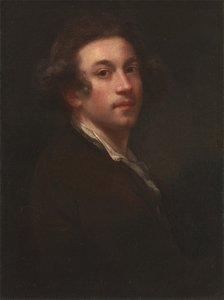
The 4th Duke of Queensberry as Earl of March.


9of 100
जॉन-बैप्टिस्ट ग्रेज़ 1725–1805
French Born in Tournus Rococo, Genre painting Wikipedia in 22/32 languages


10of 100
बर्नार्डो बेलोटो 1722–1780
इतालवी Born in वेनिस वेदुता, शहरी परिदृश्य, प्रिंटमेकर Wikipedia in 27/32 languages


12of 100
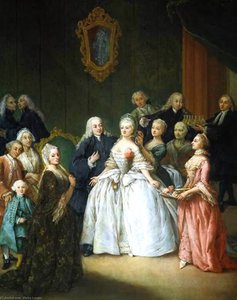
पिएत्रो लॉन्घी 1701–1785
इतालवी Born in वेनिस वेनेशियन पेंटिंग, रोकोको Wikipedia in 18/32 languages


13of 100
जियोवानी डोमेनिको टिएपोलो 1727–1804
इतालवी Born in वेनिस रोकोको Wikipedia in 18/32 languages


14of 100
जियोवानी बतिस्ता पियाज़ेटा 1683–1754
इतालवी Born in वेनिस रोकोको (Rococo) Wikipedia in 16/32 languages


16of 100
क्लॉड-जोसेफ वर्नेट 1714–1789
फ्रांसीसी Born in अविगनोन लैंडस्केप, समुद्री दृश्य Wikipedia in 26/32 languages


19of 100
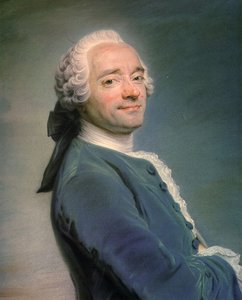
मॉरिस क्वेंटिन दे ला टूर 1704–1788
फ्रांसीसी Born in संत-क्वेंटिन रोकोको Wikipedia in 23/32 languages


22of 100
लुई मिशेल वैन लू 1707–1771
फ्रांसीसी Born in तुलों रोकोको Wikipedia in 17/32 languages

He was a master of capturing the nuances of texture and light, creating portraits that possessed both realism and an air of aristocratic refinement. Van Loo’s work played a crucial role in shaping the visual image of European royalty during the 18th century. Even at this nascent stage, van Loo demonstrated exceptional talent, earning a prize from the prestigious Académie Royale de Peinture et de Sculpture in Paris in 1725 – a testament to his burgeoning skill and promise.
Pupil of Jean-Baptiste van Loo #53


24of 100
फ्रैंकोइस लेमोइन 1688–1737
फ्रांसीसी (French) Born in पैरिस रोकोको (Rococo) Wikipedia in 14/32 languages


25of 100
जीन फ्रेंकोइस डी ट्रॉय 1645–1730
फ्रांसीसी Born in तुलूज़ रोकोको, बारोक Wikipedia in 12/32 languages


26of 100
जीन-बैप्टिस्ट पाटर 1695–1736
फ्रांसीसी Born in वालेन्सिएन रोकोको पेस्टल पैलेट Wikipedia in 13/32 languages
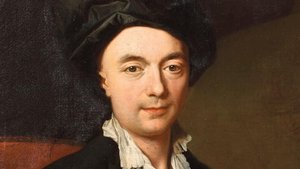


27of 100
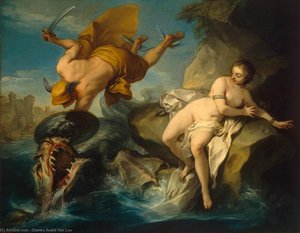
चार्ल्स-एंड्रे वैन लू 1705–1765
फ्रांसीसी Born in नीस रोकोको चित्रकला Wikipedia in 16/32 languages
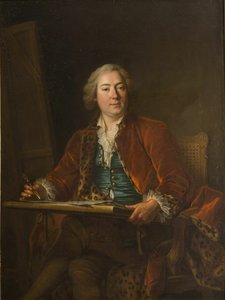
Pupil of Jean-Baptiste van Loo #53


28of 100
फ्रांसेस्को ज़ुकारिली 1702–1788
इतालवी Born in पिटिग्लियानो रोकोको, बारोक Wikipedia in 15/32 languages


29of 100
जकोपो अमीगोनी 1682–1752
इतालवी Born in नापोलि उत्तर बारोक और रोकोको Wikipedia in 21/32 languages


31of 100
फ्रांज़ एंटोन माउलबर्टश 1724–1796
जर्मन/ऑस्ट्रियाई Born in लेंगेनार्गेन रोकोको, बारोक Wikipedia in 16/32 languages


32of 100
चार्ल्स एंटोनी कोयपेल 1694–1752
फ्रांसीसी Born in पैरिस बरोक रोकोको Wikipedia in 11/32 languages


33of 100
Adélaïde Labille-Guiard 1749–1803
French Born in Paris Rococo to Neoclassicism Wikipedia in 20/32 languages

Adélaïde Labille-Guiard (1749–1803) stands as a remarkable figure in the history of French art, not merely for her exquisite portraits but also for her courageous challenge to the restrictive conventions that governed women’s roles within the artistic world. She defied societal expectations, navigated institutional barriers, and ultimately paved the way for future generations of female painters.


34of 100
दिमित्री ग्रिगोरिएविच लेविट्स्की 1735–1822
यूक्रेनी-रूसी Born in कीव शास्त्रीय चित्रकला Wikipedia in 16/32 languages


35of 100
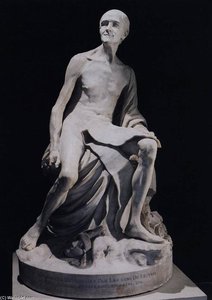
जीन-बैप्टिस्ट पिगैल 1725–1805
फ्रांसीसी Born in टूर्नस बरोक और नवशास्त्रीय (Baroque & Neoclassical)



36of 100
ऐन वैलेयर-कोस्टर 1744–1818
फ्रांसीसी Born in पैरिस रोकोको, स्टिल लाइफ Wikipedia in 14/32 languages


38of 100
जियाम्बतिस्टा पिटोनी 1687–1767
Born in वेनिस Late Baroque, Rococo Wikipedia in 19/32 languages

Classical Mythology: His depictions of tales such as The Continence of Scipio and Bacchus and Ariadne highlight his skill in rendering the grandeur and drama of ancient legends with a distinctly Venetian flair.
Pupil of Antonio Balestra #69


39of 100
गस्पार वैन विटेल (कैस्पर एंड्रियान्स वैन विटेल) 1653–1736
डच Born in अमरस्फूर्त वेडुटा पेंटिंग Wikipedia in 14/32 languages


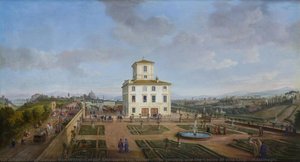


45of 100
Elisabeth-Louise Vigée-Lebrun

The French Revolution brought upheaval to Vigée Le Brun’s world. In 1792, fearing for her safety, she fled Paris with her daughter, embarking on an exile that would last over a decade. Vigée Le Brun returned to France after the fall of Napoleon in 1804.


48of 100
क्रिश्चियन विल्हेम एर्न्स्ट डिट्रिच 1712–1774
जर्मन Born in वेमार डच और इतालवी उस्तादों का अनुकरण Wikipedia in 11/32 languages

He was an artist who found his voice through the voices of others, ensuring that the brilliance of the Dutch and Italian masters continued to shine brightly within the German courts.


49of 100
Charles Amédée Philippe Van Loo 1719–1795
French Born in Rivoli Rococo, Portraiture Wikipedia in 13/32 languages

Vanloo's artistic style was deeply rooted in the traditions of the Baroque and Roman art academies, but he also drew inspiration from the work of contemporary artists such as Nicolas Lancret and Jean-Honoré Fragonard. His compositions are often dynamic and asymmetrical, creating a sense of movement and energy.
Pupil of Jean-Baptiste van Loo #53


50of 100
गुस्ताव लंडबर्ग 1695–1786
स्वीडिश Born in स्टॉकहोम रोकोको पेस्टलिस्ट Wikipedia in 14/32 languages


51of 100
लाग्रेनी ल'ऐने (Lagrenée L'Aîné) 1725–1805
English Born in पैरिस Romanticism, Animal Painting Wikipedia in 15/32 languages


53of 100
Jean-Baptiste van Loo 1684–1745
French Born in Aix-en-Provence Baroque, Rococo Wikipedia in 15/32 languages

His father, Louis-Abraham van Loo, himself the son of Jacob van Loo, instilled in him not only technical skill but also an appreciation for the power and prestige associated with portraiture.


54of 100
John Wollaston 1742–1775
English Rococo Painting

His work bears an unmistakable resemblance to the portraits of Thomas Hudson and Allan Ramsay, capturing not just the likeness of his subjects but the very essence of their social standing. His journey across the Atlantic in 1749 marked a transformative chapter for both the artist and the colonies. While later giants like Benjamin West and Gilbert Stuart would command the spotlight of American portraiture, Wollaston’s true contribution lies in his role as a pioneer, introducing the delicate elegance and shimmering sophistication of the Rococo style to North America.
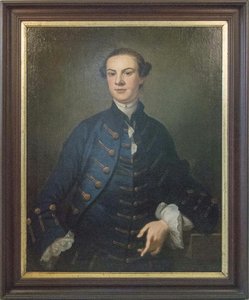


55of 100
Carl Gustaf Pilo 1711–1793
Swedish Born in Runtuna Rococo Wikipedia in 12/32 languages

In this composition, King Gustav III is depicted in white coronation robes that seem to radiate an ethereal light, surrounded by the intricate social hierarchy of the era—from the nobility and burghers to the priests and farmers.


56of 100
Anna Dorothea Therbusch 1721–1782
German Born in Berlin Rococo Wikipedia in 13/32 languages

Anna Dorothea Therbusch (1721-1782) stands as a remarkable figure in the annals of Rococo art history —a woman artist who defied societal expectations and achieved considerable renown during the Enlightenment. Born into a family steeped in artistic tradition, her father, Georg Lisiewski, was himself a celebrated Berlin portrait painter, establishing a lineage dedicated to visual representation. Therbusch's artistic journey took an extraordinary turn when she relocated to Paris in 1765, seeking opportunities for advancement within the vibrant artistic landscape of the French capital.


59of 100
Michele Marieschi 1710–1743
Italian Born in Venice Vedute Venice Wikipedia in 9/32 languages

In the golden age of the Venetian Rococo, few artists captured the ephemeral magic of the Serenissima with as much vitality as Michele Giovanni Marieschi. Scholars often point to the influence of masters such as Gaspare Diziani and the legendary Canaletto, whose works provided a blueprint for capturing the grandeur of urban environments.


60of 100
Antonio Corradini 1668–1752
Italian Born in Este Rococo

Corradini’s artistic significance lies not only in his technical virtuosity but also in his role as a transitional figure between the Baroque and Rococo movements. He built upon the dramatic energy of the former while embracing the lightness, elegance, and playful sensuality of the latter. After leaving Vienna, Corradini spent his final years in Rome and Naples, continuing to refine his art until his death in 1752.


61of 100
रॉयल-पॉलिश और इलेक्टोरल-सैक्सन पोर्सिलेन मैन्युफैक्चररी born 1710
जर्मन Born in मैसेन हार्ड-पेस्ट पोर्सिलेन

"एलेगोरिकल फिगर्स ऑफ वर्च्यू" – यह मूर्तिकला के रूप में जटिल अवधारणाओं को पकड़ने की फैक्ट्री की क्षमता को प्रदर्शित करता है, जो सूक्ष्म विवरण और परिष्कृत कलात्मक दृष्टि को दर्शाता है।. "रेकम्बेंट लेपर्ड" – यह यथार्थवाद और भव्यता के एक शानदार मिश्रण का प्रतिनिधित्व करता है, जो उल्लेखनीय सटीकता और शालीनता के साथ जानवरों को चित्रित करने के प्रति माइसेन के समर्पण को दर्शाता है।.


62of 100
Gerard van Spaendonck 1746–1822
Born in Tilburg Wikipedia in 12/32 languages

He contributed over fifty works to Les Vélins du Roi, a renowned collection of botanical watercolors commissioned by the French royal family. These pieces demonstrate his exceptional skill in capturing the nuances of floral forms. 1788: Appointed as an advisor to the Académie. 1795: Became a founding member of the Institut de France. 1804: Received the Légion d'honneur and was ennobled by Napoleon Bonaparte, acknowledging his contributions to French art and culture.


66of 100
फ्रांसिस हेमैन 1708–1776
अंग्रेजी Born in एक्सेर रोकोको, चित्रकला Wikipedia in 10/32 languages


67of 100
लुई टॉक़े 1696–1772
फ्रांसीसी Born in पैरिस पोर्ट्रेट पेंटिंग Wikipedia in 11/32 languages

Nattier’s atelier became Tocqué’s formative environment, where he honed his skills under the tutelage of masters like Hyacinthe Rigaud and Nicolas Bertin. Invited to Copenhagen, he accepted a position at the Royal Danish Academy of Fine Arts, where he not only taught but also produced stunning portraits of the Danish royal family.


68of 100
डोनाटो क्रेटी 1671–1749
इतालवी Born in क्रेमोना रोकोको, नवशास्त्रीयवाद Wikipedia in 8/32 languages


69of 100
Antonio Balestra 1666–1740
Born in Verona Wikipedia in 11/32 languages

By 1690, Balestra moved to Venice, where he further honed his skills under the guidance of Antonio Bellucci for three years. Venetian Influence: His time in Venice instilled a sense of color and dramatic composition. He then traveled to Bologna and subsequently Rome, working in the workshop of the renowned Carlo Maratta.


71of 100
Georg Desmarées 1697–1776
Swedish-German Born in Stockholm City Rococo, Portraiture Wikipedia in 9/32 languages

His early works, heavily influenced by his uncle Meytens and the French masters, exhibited a meticulous attention to detail and a restrained elegance. However, the Venetian influence introduced a new dynamism – a play of light and shadow that imbued his portraits with greater emotional depth and visual intrigue. Other notable works include portraits of members of the Elector’s family, such as The Countess Holstein (Lenbachhaus, Munich) and The Princess Portia (Staatsgalerie, Stuttgart).


72of 100
जीन-बैप्टिस्ट पिलमेंट 1728–1808
फ्रांसीसी Born in ल्यों रोकोको और नवशास्त्रीय (Rococo & Neoclassical) Wikipedia in 8/32 languages


73of 100
कॉर्नेलिस ट्रूस्ट 1696–1750
डच Born in ऐम्स्टर्डैम रोकोको शैली के दृश्य Wikipedia in 8/32 languages


74of 100
Jacques De Lajoue 1686–1761
French Born in Paris Neoclassical Painting Wikipedia in 8/32 languages

In pieces such as " Fantaisie architecturale," the viewer is invited to wander through spaces where neoclassical elegance meets the untamed beauty of nature. While his name may not resonate with the same immediate thunder as contemporaries like Boucher or Watteau, Lajoue occupied a unique niche in the French canon, serving as an artist who could bridge the gap between the rigid grandeur of classical structure and the delicate, emotive spirit of the Rococo.


75of 100
रिचर्ड कॉस्वे 1742–1821
ब्रिटिश Born in तिवरटन रीजेंसी पोर्ट्रेट मिनिएचर्स Wikipedia in 10/32 languages


77of 100
Per Krafft the Elder 1724–1793
Swedish Born in Arboga Rococo Wikipedia in 7/32 languages

Beyond his individual achievements, Per the Elder Krafft’s historical significance is cemented by the artistic legacy he left within his own family. Ultimately, the work of Per the Elder Krafft remains a vital touchstone for understanding the cultural heartbeat of eighteenth-century Sweden. His children, Per Krafft the Younger and the miniaturist Wilhelmina Krafft, both studied at the Royal Swedish Academy of Fine Arts, carrying forward the technical excellence and emotive depth instilled by their father.


78of 100
Johann Georg Pinzel 1715–1761
Ukrainian, Czech Born in Buchach Baroque, Rococo

His close collaboration with architect Bernard Meretyn proved pivotal. This synergy is particularly evident in projects like the Buchach Town Hall (1750s) and the Trinitarian Church (1756-1757), where architecture and sculpture coalesce into a unified expression of Baroque grandeur. Despite his prolific output, Pinsel’s life ended relatively early, between September 16, 1761, and October 24, 1762, likely in Buchach.


79of 100
Alessandro Longhi 1733–1813
Born in Venice Wikipedia in 10/32 languages

Unlike some contemporaries who focused on grand historical or mythological scenes, Longhi concentrated on portraying individuals within their social context. His portraits often feature elaborate robes and emblems of office, reflecting his subjects’ positions and power – a characteristic noted in comparison to artists like Sebastiano Bombelli. This is evident in the “tumultuous and unusual” quality of his etchings, as described by Olimpia Theodoli, showcasing a first-hand knowledge of Rembrandt's techniques.


80of 100
Giuseppe Bonito 1707–1789
Italian Born in Castellammare di Stabia Rococo Wikipedia in 11/32 languages

His journey was shaped by the prestigious studio of Francesco Solimena, the titan of Neapolitan painting, whose influence provided Bonito with a rigorous foundation in composition and light. While he possessed the technical mastery required for grand religious commissions—such as his ambitious altarpieces for the Caserta Royal Palace—he found his true voice in the genre scene. The historical significance of Giuseppe Bonito lies in his role as a chronicler of the Neapolitan spirit.


81of 100
क्रिस्टोफ़ ह्यूएट 1700–1759
फ्रांसीसी Born in पोंटोइस आदर्श दृश्य (Idyllic Scenes) Wikipedia in 4/32 languages
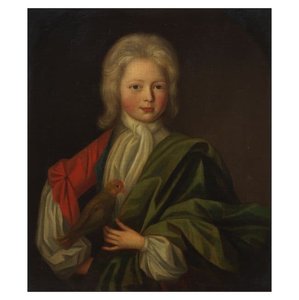


83of 100
Luis Paret Y Alcázar 1746–1799
Spanish Born in Madrid Rococo Wikipedia in 8/32 languages

In the vibrant, sun-drenched tapestry of 18th-century Spain, few artists captured the delicate interplay of light and social elegance as masterfully as Luis Paret y Alcázar. Under the tutelage of Antonio González Velázquez, he absorbed the rigorous techniques of the Spanish tradition, yet his spirit yearned for something more cosmopolitan. His influence traveled across oceans, notably shaping the trajectory of Puerto Rican art through his pupil, José Campeche.


85of 100
Giuseppe Nogari 1699–1766
Italian Born in Venice Rococo Wikipedia in 8/32 languages

His talent attracted the attention of powerful international patrons, most notably the German nobility residing in Venice, such as Sigismund Streit and Johann Matthias von der Schulenburg.


86of 100
जीन रेंक 1674–1735
फ्रांसीसी Born in मोंपेलियर बरोक/नवशास्त्रीय Wikipedia in 8/32 languages

Rigaud's influence extended beyond technique; he championed a new iconography for the Bourbon monarchy, emphasizing dignity and composure—principles Ranc skillfully adopted in his portraits. Notable Commissions: Ranc’s portraits of Verdier and Carlos III exemplify his dedication to capturing character and conveying emotion through nuanced observation. Jean Ranc's contribution to 18th-century portraiture lies in his embodiment of the Rigaudian style—a synthesis of Baroque grandeur and Rococo delicacy that solidified its position as a dominant aesthetic during Philip V’s reign.


87of 100
नथानिएल होन द एल्डर 1718–1784
आयरिश Born in डबलिन बार्विसन परिदृश्य और रोकोको पोर्ट्रेट Wikipedia in 4/32 languages

His depictions of figures like ‘The Honourable Mrs Curzon,’ exemplify Rococo elegance, utilizing pastel hues and delicate ornamentation to convey aristocratic status. “ Portrait of a Gentleman ” (circa 1770): Hone’s depiction of a gentleman exemplifies Neoclassical ideals through its restrained composition and idealized portrayal. Despite a relatively short career, Hone I left an indelible mark on British art history.


88of 100
Jean Raoux 1677–1734
French Born in Montpellier Symbolist Art Wikipedia in 7/32 languages

While not achieving the widespread renown of contemporaries like Watteau or Boucher, Raoux carved a unique niche for himself with his subtly evocative portraits and scenes imbued with a delicate, almost melancholic charm. Raoux’s works were widely disseminated through engravings by prominent artists such as Poilly, Moyreau, and Dupuis, ensuring that his style reached a broader audience.


90of 100
Francesco Zugno 1708–1787
Italian Born in Venice Rococo Wikipedia in 6/32 languages

Within the luminous and often overwhelming splendor of eighteenth-century Venice, the name Francesco Zugno emerges as a vital, if somewhat enigmatic, thread in the tapestry of the Rococo era. His early years were shaped by the prestigious traditions of his ancestors, including the fifteenth-century painter Giambattista Zugno, and he received formal training at the Academy of Painting and Sculpture of Venice.


91of 100
Joseph Boze 1745–1826
French Born in Martigues Portraiture Wikipedia in 7/32 languages

Notably, he survived the Reign of Terror thanks to his unwavering loyalty and diplomatic connections, demonstrating an astute awareness of political realities. The Palace of Versailles became his canvas for many years, where he created stunning depictions of royal families and dignitaries. Despite the upheavals of his time, Joseph Boze persevered, continuing to produce portraits until his death in Paris in 1826.


92of 100
Louis Joseph Watteau 1731–1798
French Born in Valenciennes Fêtes galantes Wikipedia in 6/32 languages

Watteau’s formative years were marked by a privileged upbringing within the aristocratic circles of Lille, Belgium. His father, Jean Watteau, was a silk merchant and instilled in François a keen appreciation for craftsmanship and visual aesthetics. Watteau’s aesthetic ideals—characterized by elegance, grace, and a preoccupation with sensual pleasure—became synonymous with the aristocratic culture of the Enlightenment.


93of 100
Jacobus Buys 1724–1801
Dutch Born in Amsterdam Rococo Wikipedia in 5/32 languages

His studies under Pronk and de Wit undoubtedly shaped his understanding of color theory and composition, while Troost likely instilled in him a deeper appreciation for portraiture techniques. Buys’s ability to seamlessly blend these influences—the Dutch tradition of realism with the French Rococo's emphasis on elegance and ornamentation—is what sets him apart. The influence of earlier Dutch masters is subtly present in Buys's work, particularly in his meticulous attention to detail and the use of light and shadow reminiscent of the Golden Age painters.


94of 100
Jeremiah Theus 1716–1774
Swiss Born in Chur Rococo Wikipedia in 5/32 languages

Theus’ distinctive style is characterized by its adherence to Rococo principles—a movement originating in France that prioritized grace, ornamentation, and pastel hues. Teaching & Artistic Legacy: Recognizing the importance of fostering artistic talent, Theus opened an evening drawing school in 1744—a pioneering initiative that nurtured aspiring artists within Charleston’s intellectual circles. His work serves as a compelling visual record of Charleston’s social landscape—a testament to the dynamism and sophistication of colonial America.


95of 100
Vigilius Eriksen 1722–1782
Danish Born in Copenhagen Rococo Wikipedia in 7/32 languages

These small-scale works, which included depictions of Frederick V and Catherine the Great, showcased a different facet of his virtuosity, requiring an even more intense focus on minute detail and color gradation.


96of 100
Georg David Matthieu 1737–1778
German Born in Berlin Rococo Wikipedia in 6/32 languages

Matthieu utilizes specific elements to communicate status: The inclusion of books and maps to suggest intellectual pursuit and territorial dominion. His friendship with Jakob Philipp Hackert likely brings broader European influences into his practice, particularly through shared study trips to Italy.


97of 100
Robert Tournières 1667–1752
Born in Ifs Wikipedia in 6/32 languages

He skillfully blended elements of Dutch intimacy – particularly evident in his genre scenes – with the emerging lightness and elegance that would come to define the Rococo style. His palette was noted for its delicate coloring, and he demonstrated a keen talent for capturing both pose and drapery. Tournières was deeply influenced by Dutch masters such as Godfried Schalken and Gerard Dou, dedicating considerable study to their techniques.


98of 100
Jose Del Castillo 1737–1793
Spanish Born in Madrid Neoclassical Wikipedia in 7/32 languages

Religious Works: Occasional but powerful devotional pieces, such as his depiction of Saint Dominic and Saint Francis, which demonstrated his ability to handle spiritual gravity.


99of 100
Agostino Brunias 1730–1796
Italian Born in Rome Vérité ethnographique Wikipedia in 2/32 languages

Leaving behind the grand estates and classical landscapes of England, Brunias immersed himself in the bustling markets, verdant plantations, and diverse communities of colonial Dominica. He meticulously depicted clothing styles, social interactions, and the vibrant cultural tapestry woven from African, European, and Caribbean influences. These prints circulated widely throughout Europe, providing Europeans with their first visual glimpses of Caribbean life beyond the stereotypical depictions of sugar plantations and exotic landscapes.


100of 100
Domenico Duprà 1689–1770
Italian Born in Turin Rococo Wikipedia in 6/32 languages

To reflect upon the breadth of his contributions, one might consider the following pillars of his career: Stylistic Synthesis: The seamless blending of Roman classical training with the light, decorative elegance of French Rococo portraiture. Courtly Service: A distinguished career serving the House of Braganza in Portugal, the Stuart family in Rome, and the House of Savoy in Italy.


Signature works
Signature Rococo works
A timeline
Rococo through its signature works
- 1678
- 1723
- 1729
- 1730
- 1735
- 1736
- 1739
- 1741
- 1744
- 1745
- 1758
- 1763
- 1768
- 1770
Figures
The figures
| फ़्रान्स | 24 |
|---|---|
| इटली | 15 |
| Italy | 10 |
| जर्मनी | 7 |
| France | 7 |
| यूनाइटेड किंगडम | 6 |
| फ्रांस | 6 |
| नीदरलैण्ड | 3 |
| 17th century | 36 |
|---|---|
| 18th century | 62 |
| 19th century | 1 |
| एर्मिटेज संग्रहालय | 15 |
|---|---|
| लुव्र संग्रहालय | 12 |
| Nationalmuseum | 9 |
| मेट्रोपॉलिटन म्यूज़ियम ऑफ़ आर्ट | 8 |
| Museo del Prado | 7 |
| नेशनल गैलरी ऑफ़ आर्ट | 6 |
| Statens Museum For Kunst | 6 |
| आर्ट इंस्टीट्यूट ऑफ शिकागो | 5 |
Every name
List of 100 famous Rococo painters, every name
- 1
 एंथोनी वातेऊफ्रांसीसी · 1684–1721
- 2कनालेट्टोइतालवी · 1697–1768
- 3जियोवानी बातिस्ता टिएपोलोइतालवी · 1696–1770
- 4
 फ्रांस्वा बूशेफ्रांसीसी · 1703–1770
- 5
 जीन-ऑनोरे फ्रागोनार्डफ्रेंच · 1732–1806
- 6जीन-बैप्टिस्ट-सिमोन चार्दिनफ्रांसीसी · 1699–1779
- 7थॉमस गेन्सबोरोब्रिटिश · 1727–1788
- 8सर जोशुवा रेनालड्सब्रिटिश · 1723–1792
- 9जॉन-बैप्टिस्ट ग्रेज़French · 1725–1805
- 10बर्नार्डो बेलोटोइतालवी · 1722–1780
- 11
 फ्रांसेस्को गार्डि1712–1793
- 12पिएत्रो लॉन्घीइतालवी · 1701–1785
- 13जियोवानी डोमेनिको टिएपोलोइतालवी · 1727–1804
- 14जियोवानी बतिस्ता पियाज़ेटाइतालवी · 1683–1754
- 15
 निकोलस लानक्रेटफ्रांसीसी · 1689–1743
- 16क्लॉड-जोसेफ वर्नेटफ्रांसीसी · 1714–1789
- 17
 रोसाल्बा कारिएराइतालवी · 1675–1757
- 18
 मार्क नैटियरफ्रांसीसी · 1685–1766
- 19मॉरिस क्वेंटिन दे ला टूरफ्रांसीसी · 1704–1788
- 20
 अलेक्जेंडर रोसलिनस्वीडिश · 1718–1793
- 21
 जोहान ज़ोफनी1733–1810
- 22लुई मिशेल वैन लूफ्रांसीसी · 1707–1771
- 23
 जीन-एटिएन लिओटार्डस्विस · 1702–1789
- 24फ्रैंकोइस लेमोइनफ्रांसीसी (French) · 1688–1737
- 25जीन फ्रेंकोइस डी ट्रॉयफ्रांसीसी · 1645–1730
- 26जीन-बैप्टिस्ट पाटरफ्रांसीसी · 1695–1736
- 27चार्ल्स-एंड्रे वैन लूफ्रांसीसी · 1705–1765
- 28फ्रांसेस्को ज़ुकारिलीइतालवी · 1702–1788
- 29जकोपो अमीगोनीइतालवी · 1682–1752
- 30
 चार्ल्स-जोसेफ नेटोइरेफ्रांसीसी · 1700–1777
- 31फ्रांज़ एंटोन माउलबर्टशजर्मन/ऑस्ट्रियाई · 1724–1796
- 32चार्ल्स एंटोनी कोयपेलफ्रांसीसी · 1694–1752
- 33Adélaïde Labille-GuiardFrench · 1749–1803
- 34दिमित्री ग्रिगोरिएविच लेविट्स्कीयूक्रेनी-रूसी · 1735–1822
- 35जीन-बैप्टिस्ट पिगैलफ्रांसीसी · 1725–1805
- 36ऐन वैलेयर-कोस्टरफ्रांसीसी · 1744–1818
- 37
 लुई-जीन-फ्रांस्वा लग्रेने1756–1827
- 38जियाम्बतिस्टा पिटोनी1687–1767
- 39गस्पार वैन विटेल (कैस्पर एंड्रियान्स वैन विटेल)डच · 1653–1736
- 40
 फ़्योदोर रोकोटोव1730–1808
- 41
 फ्रांस्वा ह्यूबर्ट ड्रुआइस1727–1775
- 42
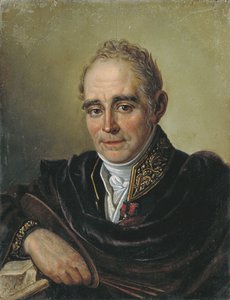 व्लादिमीर लुकिच बोरोविकोवस्की1757–1825
- 43
 एंटोनी पेस्नेफ्रांसीसी · 1683–1757
- 44
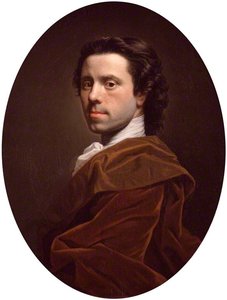 एलन राम्से1713–1784
- 45Elisabeth-Louise Vigée-Lebrun
- 46
 कोराडो जियाक्विंटोइतालवी · 1703–1766
- 47
 जोहान हेनरिक टिशबीनजर्मन · 1722–1789
- 48क्रिश्चियन विल्हेम एर्न्स्ट डिट्रिचजर्मन · 1712–1774
- 49Charles Amédée Philippe Van LooFrench · 1719–1795
- 50गुस्ताव लंडबर्गस्वीडिश · 1695–1786
- 51लाग्रेनी ल'ऐने (Lagrenée L'Aîné)English · 1725–1805
- 52
 जैकब डी विटडच · 1695–1754
- 53Jean-Baptiste van LooFrench · 1684–1745
- 54John WollastonEnglish · 1742–1775
- 55Carl Gustaf PiloSwedish · 1711–1793
- 56Anna Dorothea TherbuschGerman · 1721–1782
- 57
 जोहान जॉर्ज प्लैटज़रऑस्ट्रियाई · 1704–1761
- 58
 नथानिएल होनडच · 1718–1784
- 59Michele MarieschiItalian · 1710–1743
- 60Antonio CorradiniItalian · 1668–1752
- 61रॉयल-पॉलिश और इलेक्टोरल-सैक्सन पोर्सिलेन मैन्युफैक्चररीजर्मन · born 1710
- 62Gerard van Spaendonck1746–1822
- 63
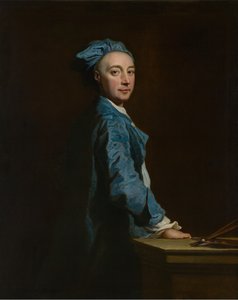 जोसेफ हाईमोरब्रिटिश · 1692–1780
- 64
 जीन जैक्स कैफ़िएरीफ्रांसीसी · 1678–1755
- 65
 जीन-बैप्टिस्ट पेरोनोफ्रांसीसी · 1715–1783
- 66फ्रांसिस हेमैनअंग्रेजी · 1708–1776
- 67लुई टॉक़ेफ्रांसीसी · 1696–1772
- 68डोनाटो क्रेटीइतालवी · 1671–1749
- 69Antonio Balestra1666–1740
- 70
 गस्पारे ट्रैवर्सीइतालवी · 1722–1770
- 71Georg DesmaréesSwedish-German · 1697–1776
- 72जीन-बैप्टिस्ट पिलमेंटफ्रांसीसी · 1728–1808
- 73कॉर्नेलिस ट्रूस्टडच · 1696–1750
- 74Jacques De LajoueFrench · 1686–1761
- 75रिचर्ड कॉस्वेब्रिटिश · 1742–1821
- 76
 फिलिप मर्सिएफ्रांसीसी · 1689–1760
- 77Per Krafft the ElderSwedish · 1724–1793
- 78Johann Georg PinzelUkrainian, Czech · 1715–1761
- 79Alessandro Longhi1733–1813
- 80Giuseppe BonitoItalian · 1707–1789
- 81क्रिस्टोफ़ ह्यूएटफ्रांसीसी · 1700–1759
- 82
 लुई डी सिल्वेस्टरफ्रांसीसी · 1675–1760
- 83Luis Paret Y AlcázarSpanish · 1746–1799
- 84
 जोहान सालोमन वालजर्मन, डेनिश · 1689–1765
- 85Giuseppe NogariItalian · 1699–1766
- 86जीन रेंकफ्रांसीसी · 1674–1735
- 87नथानिएल होन द एल्डरआयरिश · 1718–1784
- 88Jean RaouxFrench · 1677–1734
- 89
 एडुआर्ड ओनोरे एवेफ्रांसीसी · 1818–1890
- 90Francesco ZugnoItalian · 1708–1787
- 91Joseph BozeFrench · 1745–1826
- 92Louis Joseph WatteauFrench · 1731–1798
- 93Jacobus BuysDutch · 1724–1801
- 94Jeremiah TheusSwiss · 1716–1774
- 95Vigilius EriksenDanish · 1722–1782
- 96Georg David MatthieuGerman · 1737–1778
- 97Robert Tournières1667–1752
- 98Jose Del CastilloSpanish · 1737–1793
- 99Agostino BruniasItalian · 1730–1796
- 100Domenico DupràItalian · 1689–1770
Questions
Your questions
Which Rococo painter is the most famous?
First place goes to एंथोनी वातेऊ (#1); कनालेट्टो (#2) and जियोवानी बातिस्ता टिएपोलो (#3) complete the podium.
Who are the 5 most famous Rococo painters?
एंथोनी वातेऊ (#1), कनालेट्टो (#2), जियोवानी बातिस्ता टिएपोलो (#3), फ्रांस्वा बूशे (#4) and जीन-ऑनोरे फ्रागोनार्ड (#5).
Who was the first Rococo painter?
The earliest-born painter in this list is जीन फ्रेंकोइस डी ट्रॉय (#25), born in 1645.
Who are the most famous Rococo painters from फ़्रान्स?
The highest-ranked painters born in फ़्रान्स are एंथोनी वातेऊ (#1), फ्रांस्वा बूशे (#4), जीन-ऑनोरे फ्रागोनार्ड (#5), जीन-बैप्टिस्ट-सिमोन चार्दिन (#6) and जॉन-बैप्टिस्ट ग्रेज़ (#9).
Which city was home to the most Rococo painters?
पैरिस: 12 of the painters in this list were born there.
Which techniques define Rococo art?
“Van Loo’s artistic style is defined by its elegant compositions, refined brushwork, and flattering depictions of his subjects.” — from our biography of लुई मिशेल वैन लू (#22).
Who are the most famous female Rococo painters?
This list includes 5 women: रोसाल्बा कारिएरा (#17), Adélaïde Labille-Guiard (#33), ऐन वैलेयर-कोस्टर (#36), Elisabeth-Louise Vigée-Lebrun (#45) and Anna Dorothea Therbusch (#56).
Where are the great works of Rococo art today?
The museums holding the most key works of this list are एर्मिटेज संग्रहालय (15), लुव्र संग्रहालय (12) and Nationalmuseum (9).
Who are famous Rococo painters today?
The highest-ranked living painters in this list are रॉयल-पॉलिश और इलेक्टोरल-सैक्सन पोर्सिलेन मैन्युफैक्चररी (#61).
Where were most Rococo painters born?
फ़्रान्स: 24 of the 100 painters in this list were born there, then इटली (15) and Italy (10).
Who are the most famous Rococo painters from इटली?
The highest-ranked painters born in इटली are कनालेट्टो (#2), जियोवानी बातिस्ता टिएपोलो (#3), बर्नार्डो बेलोटो (#10), फ्रांसेस्को गार्डि (#11) and पिएत्रो लॉन्घी (#12).
Where can I see more works by these painters?
Our catalogue holds 11,037 works by these painters.
Read
Stories on OriginalUniqueArt.com
Other movements
Famous artists of other movements
 Famous Baroque artistsरेम्ब्रांट वैन रीन
लीडेन
नीदरलैंड
1606
1669
रेम्ब्रांट वैन रीन
1642
डच गोल्डन एज पेंटिंग में एक क्रांतिकारी क्षण
363 x 437 सेमी
रात्रि प्रहरी
रात्रि प्रहरी · रैम्ब्राण्ट
 Famous Contemporary Realist artistsद ग्लीनर्स · जीन-फ्रांस्वा मिले
 Famous Impressionist artistsतारांकित रात (न्यूयॉर्क, MoMA) · विन्सेंट वैन गो
 Famous Romanticist artistsसैटर्न अपने पुत्र को निगल रहा है · फ्रांसिस्को डि गोया
 Famous Neoclassicist artistsThe Death of Marat · जैक्स-लुई डेविड
 Famous Realist artistsएक विद्रोही का ब्रश: गुस्ताव कोर्टबेट का जीवन और विरासतऑर्नन के शांत गांव में जन्मे, फ्रांस में 1819, जीन Désiré Gustave Courbet अपने समय की स्थापित कलात्मक मानदंडों के खिलाफ एक defiant शक्ति के रूप में उभरा। उसकी कहानी सिर्फ पेंट और कैनवस की नहीं है; यह · गुस्ताव कूरबे
 Famous Renaissance artistsमोना लिसा (ला जियोकोंडा) · लिओनार्दो दा विंची
 Famous Dutch Golden Age artistsजोहान्स वेरमियर
उत्तरी प्रकाश में डूबा एक जीवन: जोहान्स वेरमियर की दुनिया
जोहान्स वेरमियर, 17वीं शताब्दी के डच जीवन की शांत अंतरंगता के साथ पर्याय है, विद्वानों के सदियों बाद भी एक रहस्य बना हुआ है। अक्टूबर 1632 को डेलफ्ट में जन्मे, उनका अस्तित्व अभूतपू · जान वर्मीर
 Famous Expressionist artistsसं состава सात · वासिली कैंडिंस्की
 Famous Pop Art artistsकैंपबेल के सूप कैन · एंडी वारहोल
Other periods
Famous artists across the periods
 Famous Early Medieval artistsSnowy River · वांग वेई
 Famous High Medieval artistsमैडोना इन मेस्ट (ओग्निसंति मैडोना) · गियोट्टो डी बोन्डोन
 Famous Late Medieval artistsदेवदूत घोषणा और दो संत · सिमोने मार्टिनी
 Famous Renaissance artistsमाइकल एंजेलो बोनारोटी, एक नाम जो उच्च पुनर्जागरण के साथ पर्याय है, सदियों से मानव कलात्मक क्षमता का प्रमाण है। 6 मार्च, 1475 को इटली के टस्कन पहाड़ियों में कैप्रेसे माइकेलांजेलो में जन्मे, उनका जीवन प्रतिभा, महत्वाकांक्षा और दिव्य प्रेरणा का एक असाधारण अभ · माइकल एंजेलो
 Famous Early Modern artistsकारावागियो
मिलान
स्पेन
1571
1599
1610
एक क्रांतिकारी क्षण बैरोक कला में
322 x 340 सेमी
सेंट मैथ्यू का आह्वान · कारावाजियो
 Famous 19th Century artistsजल लिली (या निम्फीस) · क्लाद मोने
 Famous Modern artistsगुएर्निका · पाब्लो पिकासो
 Famous Contemporary artistsWind Sculpture III (one in a series of nine) · Yinka Shonibare
Discover more