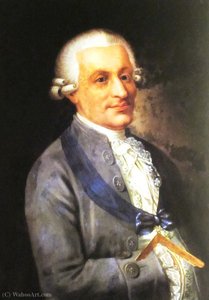
Georg David Matthieu का चित्र

19 सबसे प्रसिद्ध Georg David Matthieu पेंटिंग्स, जिनमें से प्रत्येक अद्वितीय है

नवमबर 2026 में अपडेट किया गया · हमारे लोकप्रियता स्कोर (प्रत्येक कृति के लिए खोज, विज़िट और ऑर्डर) के आधार पर रैंक किया गया · 21 कृतियाँ Georg David Matthieu की हमारे कैटलॉग में

संक्षेप में

Portrait of Charlotte of Mecklenburg-Strelitz (1762) वह Georg David Matthieu की पेंटिंग है जो सबसे अधिक ध्यान आकर्षित करती है; इसका मूल नेशनल पोर्ट्रेट गैलरी ऑफ स्वीडन, स्ट्रेंगनेस में है। इसके बाद, दृष्टि Joachim Ulrich Giese (1762) और Portrait of a man in armour पर जाती है। हमारे कैटलॉग में Georg David Matthieu की 21 कृतियों में से, ये 19 सबसे प्रसिद्ध हैं, जिनमें से प्रत्येक को उसके वर्ष, उसके संग्रहालय और उसके चिरस्थायी होने के कारण के साथ एक अद्वितीय मूल कृति के रूप में प्रस्तुत किया गया है।

1737 – 1778, Berlin Rococo सर्वाधिक कृतियाँ: Staatliche Museen zu Berlin

गैलरी की दृष्टि से Georg David Matthieu की शीर्ष 10 पेंटिंग्स

1
Portrait of Charlotte of Mecklenburg-Strelitz (1762) द्वारा Georg David Matthieu

Portrait of Charlotte of Mecklenburg-Strelitz

1762 · Oil On Canvas · नेशनल पोर्ट्रेट गैलरी ऑफ स्वीडन, स्ट्रेंगनेस

In this 1762 oil on canvas, Georg David Matthieu presents a formal portrait of Charlotte of Mecklenburg-Strelitz. The subject, known as Queen Charlotta or Sofia Charlotta, held the titles of Princess of Mecklenburg-Strelitz and Queen of England. Matthieu, a German painter who served as a court painter, captures her presence with a focus on the dignity inherent to her station. The work is signed GD, Matthieu.

2
Joachim Ulrich Giese (1762) द्वारा Georg David Matthieu

Joachim Ulrich Giese

1762 · Oil On Canvas · Staatliche Museen zu Berlin, बर्लिन

To gaze upon this portrait of Joachim Ulrich Giese is to step directly into the gilded salons of 18th-century Berlin. Painted in 1762 by Georg David Matthieu, the work transcends a mere likeness; it is a carefully constructed tableau of intellectual refinement and aristocratic grace. The very air surrounding the subject seems imbued with the delicate exuberance characteristic of the Rococo period. Everything about the composition whispers of an era…

5
The Wife of Joachim Ulrich Giese (1762) द्वारा Georg David Matthieu

The Wife of Joachim Ulrich Giese

1762 · Oil On Canvas · Staatliche Museen zu Berlin, बर्लिन

Georg David Matthieu’s “The Wife of Joachim Ulrich Giese,” painted in 1762, is more than just a portrait; it's a meticulously crafted tableau of Rococo elegance and subtle psychological depth. Created during the height of Matthieu’s career – a period marked by his association with influential figures like Jakob Philipp Hackert and his service as court painter for the Duke of Mecklenburg – this work offers a captivating glimpse into…

Georg David Matthieu की प्रसिद्ध पेंटिंग्स, संख्या 11 से 19 तक

वे विषय जिन्होंने Georg David Matthieu का मन मोह लिया

इन मूल कृतियों में बार-बार आने वाले चार विषय, जिनमें से प्रत्येक का सबसे उत्कृष्ट उदाहरण यहाँ प्रस्तुत है।

वे संग्रहालय जहाँ Georg David Matthieu की मूल कृतियाँ रखी गई हैं

वे 3 संग्रहालय जिनमें इस पृष्ठ की सर्वाधिक पेंटिंग्स मौजूद हैं।

संग्रहालय शहर Georg David Matthieu की कृतियाँ इस सूची की पेंटिंग्स
Staatliche Museen zu Berlin, बर्लिनStaatliche Museen zu Berlin बर्लिन 2 Joachim Ulrich Giese, The Wife of Joachim Ulrich Giese
नेशनल पोर्ट्रेट गैलरी ऑफ स्वीडन, स्ट्रेंगनेसनेशनल पोर्ट्रेट गैलरी ऑफ स्वीडन स्ट्रेंगनेस 1 Portrait of Charlotte of Mecklenburg-Strelitz
National Museum in Warsaw, वारसॉNational Museum in Warsaw वारसॉ 1 Portrait of a man in armour

वर्षों के दौरान Georg David Matthieu: प्रत्येक की अनूठी मूल कृतियाँ

यहाँ दिखाए गए Georg David Matthieu के सभी मूल कार्य एक ही वर्ष, 1762 के हैं: इन्हें प्रसिद्धि के क्रम में प्रदर्शित किया गया है।

वर्षानुसार कृतियाँ

मूल कृतियों को देखने के लिए एक वर्ष चुनें।

Georg David Matthieu की पेंटिंग्स: गैलरी के लिए प्रश्न

Georg David Matthieu की सबसे प्रसिद्ध कृति कौन सी है?उत्तर देखें

Portrait of Charlotte of Mecklenburg-Strelitz (1762), नेशनल पोर्ट्रेट गैलरी ऑफ स्वीडन, स्ट्रेंगनेस. इसके बाद Joachim Ulrich Giese (1762) और Portrait of a man in armour आते हैं।

Georg David Matthieu ने Portrait of Charlotte of Mecklenburg-Strelitz किस उम्र में बनाया था?उत्तर देखें

25 वर्ष की आयु: Portrait of Charlotte of Mecklenburg-Strelitz 1762 का है, और Georg David Matthieu का जन्म 1737 में हुआ था।

Georg David Matthieu की कौन सी दस पेंटिंग्स सबसे प्रसिद्ध हैं?उत्तर देखें

Portrait of Charlotte of Mecklenburg-Strelitz, Joachim Ulrich Giese, Portrait of a man in armour, Portrait of Amelie of Mecklenburg-Schwerin, The Wife of Joachim Ulrich Giese, Friedrich der Fromme, Portrait of Grand-duke Friedrich Franz I of Mecklenburg-Schwerin and his tutor, Portrait of duchess Ulrike Sophie of Mecklenburg, Louise Friderike of Württemberg और Portrait johann carl dähnert। ऊपर दी गई रैंकिंग में प्रत्येक का वर्ष और संग्रहालय दिया गया है।

Georg David Matthieu की कितनी कृतियाँ ज्ञात हैं?उत्तर देखें

हमारे कैटलॉग में Georg David Matthieu की 21 कृतियाँ उपलब्ध हैं।

सबसे प्रसिद्ध Georg David Matthieu मूल कृतियाँ कहाँ देखी जा सकती हैं?उत्तर देखें

अधिकतर Staatliche Museen zu Berlin (बर्लिन), नेशनल पोर्ट्रेट गैलरी ऑफ स्वीडन (स्ट्रेंगनेस) और National Museum in Warsaw (वारसॉ) में। ऊपर दी गई संग्रहालय तालिका में उन सभी की सूची दी गई है।

Georg David Matthieu ने अपनी सबसे प्रसिद्ध पेंटिंग किस काल के दौरान बनाई थीं?उत्तर देखें

1762 में: इस पृष्ठ पर मौजूद 19 कृतियों में से 3 उस समय बनाई गई थीं, जिनमें से Portrait of Charlotte of Mecklenburg-Strelitz इनमें से हैं।

Georg David Matthieu किन विषयों को पसंद करते थे?उत्तर देखें

इस पृष्ठ पर 19 कृतियों में Portraits (6), Royalty (4) और Woman (2)

Georg David Matthieu ने सबसे अधिक किन सामग्रियों से पेंटिंग की?उत्तर देखें

इस पृष्ठ पर मौजूद 19 कृतियों में से 3 के लिए Oil On Canvas।

Georg David Matthieu की कलाकृति किस आंदोलन (movement) से संबंधित है?उत्तर देखें

इस पृष्ठ पर मूल कृतियों को देखते हुए, Rococo।

मैं Staatliche Museen zu Berlin में Georg David Matthieu की कौन सी मूल कृतियाँ देख सकता हूँ?उत्तर देखें

Joachim Ulrich Giese और The Wife of Joachim Ulrich Giese: Staatliche Museen zu Berlin, बर्लिन में इस पृष्ठ पर मौजूद कृतियों में से 2 मौजूद हैं।

Georg David Matthieu: कलाकार का एक चित्र

A Lineage of Courtly Brushes

Berlin, 1737. The air in the studio of David Matthieu carries the scent of oil and pigment, a workspace where Georg David Matthieu begins his life within a family of established artists. He does not merely observe the craft; he breathes it through a lineage that connects him to the Prussian court. His father, David, holds the position of court painter in Prussia, providing a foundation of technical rigor. This connection extends through his stepmother, Anna Rosina, linking Georg to the influential Georg Lisiewski and the talented Anna Dorothea Therbusch.

The training is intimate and rigorous. He learns the precision required for engraving and the delicate touch needed for portraiture under his father's direct gaze. This early immersion in the mechanics of light and shadow prepares him for a life defined by the demands of the aristocracy. His path is not one of solitary wandering but of professional continuity, moving through the established circles of German and Swedish nobility.

The Mecklenburg Appointment

A shift occurs in 1764. Following his work on a portrait of Queen Sophie Charlotte, Georg David Matthieu secures a position that alters his social and professional standing: court painter to the Duke of Mecklenburg-Schwerin. He moves into an apartment within the newly built Ludwigslust Palace. The transition from a student of the Prussian tradition to a resident of the ducal court brings a new set of responsibilities and a specific aesthetic demand.

Life at the court follows a strict hierarchy. As a painter ranked 20th out of 24, his existence is governed by the system established by Duke Friedrich William. His compensation is fixed—250 Reichstalers annually, supplemented by free food and housing for his family. He spends his days documenting the ducal family and their relatives, capturing the physical presence of the Mecklenburg-Schwerin line. The work is constant. He is on call, tasked with projecting the dignity of the house through the Rococo style.

Technique and the Rococo Eye

The portraits produced during this period focus on the material reality of the 18th-century elite. In works such as the portrait of Joachim Ulrich Giese, the emphasis lies on texture and social signifiers. A red velvet coat is rendered with a weight that contrasts against white lace cuffs. The light does not merely illuminate; it sculpts figures from the surrounding darkness, providing a sense of three-dimensionality to the subjects.

Matthieu utilizes specific elements to communicate status:

  • The inclusion of books and maps to suggest intellectual pursuit and territorial dominion.
  • Detailed renderings of silk, lace, and embroidery to signal wealth.
  • Careful compositions involving plush couches, vases, and fine papers to establish an opulent interior setting.

His friendship with Jakob Philipp Hackert likely brings broader European influences into his practice, particularly through shared study trips to Italy. This exposure refines his ability to handle color schemes and the delicate exuberance of the Rococo period. Even in smaller works, such as his drawings in black and red chalk or blue pastel, the precision of his hand remains evident. He dies in 1778, leaving behind a body of work that remains housed in the collections of the Staatliches Museum Schwerin, the Gemäldegalerie Berlin, and The Metropolitan Museum of Art.