

1of 34
दुच्चिओ दि बुओसेग्ना 1255–1319
इतालवी Born in सियेना सिएनीज़ स्कूल, ट्रेसेंटो गोथिक Wikipedia in 31/32 languages

Christ Taking Leave of the Apostles, Museo dell'Opera del Duomo, Siena.
Gothic, one artist at a time
दुच्चिओ दि बुओसेग्ना (1255–1319) is the most famous Gothic कलाकार, whose singular vision gave us रुसेली मैडोना और ला माएस्ता। अन्नास के सामने यीशु और पतरस का इनकार. Next stand सिमोने मार्टिनी, जेंटिल दा फैब्रियानो, पिसानेलो और स्टीफन लोचन. These 34 कलाकार, from मास्टर माटेओ (born 1161) to Jan Baegert (born 1465), came from 9 countries.
Our selection. Artists whose works our catalogue attaches to Gothic, in the order of our fame ranking. Artists born after 1955 with no Wikidata identifier stay out until verified. The Wikipedia figure counts our 32 languages with an article on the artist.
In brief
One artist at a time
1of 34
इतालवी Born in सियेना सिएनीज़ स्कूल, ट्रेसेंटो गोथिक Wikipedia in 31/32 languages
Christ Taking Leave of the Apostles, Museo dell'Opera del Duomo, Siena.
2of 34
इतालवी Born in सियेना अंतर्राष्ट्रीय गोथिक Wikipedia in 28/32 languages

By 1315, Simone Martini was already making his mark on the civic life of Siena. Around 1324, he was commissioned to paint the Blessed Agostino Novello Altarpiece. By bringing the Sienese style across the mountains, he helped Sienese painting penetrate French territory, allowing his specific aesthetic to take root in new lands.
Where to see In Siena, the Palazzo Pubblico holds the Maestà fresco, a work that has occupied its space since 1315.
3of 34
इतालवी Born in फ़ब्रियानो इंटरनेशनल गोथिक Wikipedia in 23/32 languages

Wikipedia से प्राप्त जानकारी के साथ उनके जीवन और कार्य की गहराई में उतरें।.
4of 34
इतालवी Born in पीसा प्रारंभिक पुनर्जागरण, अंतर्राष्ट्रीय गोथिक Wikipedia in 28/32 languages

Signature works · The 100 signature works
5of 34
जर्मन Born in मीरसबर्ग उत्तर गोथिक, अंतर्राष्ट्रीय गोथिक Wikipedia in 19/32 languages

6of 34
इतालवी Born in फ़्लोरेन्स गोथिक, प्रारंभिक पुनर्जागरण Wikipedia in 20/32 languages

8of 34
इतालवी Born in वेनिस बाइजेंटाइन प्रभाव और गॉथिक कला Wikipedia in 15/32 languages

9of 34
इतालवी Born in सियेना अंतर्राष्ट्रीय गोथिक Wikipedia in 17/32 languages

10of 34
इतालवी Born in फ्लोरेंस गियॉटो और सिएनीज़ स्कूल के बीच का संबंध Wikipedia in 16/32 languages

11of 34
इतालवी Born in फ़्लोरेन्स प्रारंभिक पुनर्जागरण Wikipedia in 17/32 languages

14of 34
नीदरलैंडिश (डच) Born in निजमेंगें इंटरनेशनल गोथिक Wikipedia in 16/32 languages

16of 34
डच Born in Lower Rhine गोथिक पुनर्जागरण Wikipedia in 14/32 languages

Johannes Francke, known as Frater Francke, stands as a pivotal figure in the burgeoning artistic landscape of 15th-century Germany – specifically within the vibrant Gothic tradition of Hamburg.
18of 34
Italian Born in Florence Gothic Wikipedia in 7/32 languages

Jacopo's dedication extended beyond commissions; he actively participated in shaping Florence’s cultural landscape through his involvement with the cathedral workshop and his role as consul of the Arte dei Medici e Speziali (1384, 1387, 1392). His commitment to procuring marble for the cathedral underscored his understanding of artistic grandeur and civic responsibility. The dispersed predella depicting scenes from Saint Peter’s life – a collaborative effort with Niccolò di Pietro Gerini – remains a poignant reminder of Jacopo's artistic legacy and the enduring power of Florentine Gothic art.
19of 34
Catalan Born in फ्लोरेंस Late Gothic, Flemish influence Wikipedia in 10/32 languages

His workshop became a cornerstone of Catalan production, with works like the Saint Augustine Altarpiece involving collaborations with skilled artists such as Pau Vergós to meet the immense demands of religious guilds and monasteries.
20of 34
German Born in Weil der Stadt Late Gothic Art Wikipedia in 10/32 languages

Where International Gothic often favored elegant elongation, stylized drapery, and symbolic ornamentation, Moser embraced a more naturalistic approach. The landscape backgrounds, though still somewhat conventional, demonstrate an increasing attention to spatial depth and atmospheric perspective – qualities that foreshadow the developments of Early Netherlandish painting. However, scholars generally agree that he was exposed to both the late Gothic traditions prevalent in Southern Germany and the emerging artistic trends emanating from Flanders.
21of 34
German Born in Minden International Gothic Wikipedia in 13/32 languages

It is believed that Bertram was influenced by both French and Netherlandish artistic trends prevalent during his time. The influence of courtly art from France can be observed in the refined elegance of his figures and decorative elements, while the meticulous detail and realism characteristic of Early Netherlandish painting are evident in his depictions of architectural settings and objects.
22of 34
Spanish Gothic-Italian

Pere Serra, also known as Jaume Serra, stands as a compelling figure in the transition from the International Gothic style to the burgeoning Renaissance aesthetic within Catalonia. While biographical details remain scarce – a common fate for artists working before widespread documentation – Serra’s surviving works speak volumes about his skill, refinement, and the patronage that supported his endeavors. The city was a vibrant hub for trade and artistic exchange, exposed to influences from Italy, France, and Flanders.
23of 34
इतालवी Born in San Quirico d'Orcia यथार्थवाद, प्रोटो-पुनर्जागरण Wikipedia in 10/32 languages

Signature works · The 100 signature works
 The Coronation of the Virgin, and Saints
 The Presentation of the Virgin in the Temple
 Madonna and Child Enthroned with Saint John the Evangelist, Saint Peter, Saint Agnes, Saint Catherine of Alexandria, Saint Lucy, an Unidentified Female Saint, Saint Paul, and Saint John the Baptist, with Eve and the Serpent; the Annunciation
24of 34
Italian Born in Milan Gothic Illuminations

The historical significance of Giovannino de’ Grassi lies in his role as a bridge between eras.
25of 34
Catalan Born in Girona International Gothic Wikipedia in 8/32 languages

By successfully introducing and refining the International Gothic style in the Principality, he provided a bridge between the medieval past and the approaching Renaissance.
26of 34
Italian Born in Venice International Gothic Wikipedia in 10/32 languages

While the broader Renaissance would eventually move toward the anatomical realism and linear perspective of masters like Bellini, Giambono’s dedication to the International Gothic aesthetic provided the essential foundation of splendor upon which later Venetian art was built.
27of 34
Italian Born in फ़्लोरेन्स Late Gothic/Renaissance Wikipedia in 7/32 languages

His work for Illarione dei Bardi in 1422 brought him early recognition, leading to further prestigious commissions from families like the Biliotti and Bardo di Francesco de’ Bardi. Giovanni dal Ponte’s artistic style is characterized by its unique blend of late Gothic sensibilities and nascent Renaissance innovations.
29of 34
इतालवी Born in फ़्लोरेन्स उत्तर गॉथिक (Late Gothic) Wikipedia in 6/32 languages

30of 34
इतालवी Born in फ़्लोरेन्स गॉथिक कला Wikipedia in 4/32 languages

31of 34
German Late Gothic Wikipedia in 11/32 languages

The Master’s style is a compelling synthesis of Northern European Gothic and Early Renaissance influences. The influence of Netherlandish masters is readily apparent in his draftsmanship and compositional structure.
32of 34
Born in Wesel Late Gothic Wikipedia in 3/32 languages

He received his formal training under his father, Derick Baegert, a painter who provided the essential technical groundwork for Jan's later career. By 1492, Jan Baegert was recognized as a master in Kalkar, a significant milestone that confirmed his ability to manage large-scale commissions independently.
Where to see Tracing the physical remains of Jan Baegert’s output requires looking toward the Westphalian and Lower Rhine regions.
33of 34
Italian Late Gothic Wikipedia in 8/32 languages

While definitively named only recently thanks to meticulous research by Maria Falcone, this artist—now recognized as Sano di Pietro —left behind a remarkable cycle of eight panels depicting scenes from the life of Saint Anthony Abbot, works that continue to captivate viewers with their haunting beauty and psychological depth. Despite his anonymity for centuries, the Master of the Osservanza's work has exerted a significant influence on subsequent generations of Italian painters.
34of 34
Austrian International Gothic Wikipedia in 5/32 languages

The Master’s style is a complex synthesis of influences. However, he also incorporated elements of the International Gothic style, characterized by elongated figures, delicate hands, and an expressive use of color.
Signature works
A timeline
Figures
| इटली | 16 |
|---|---|
| Germany | 4 |
| Italy | 3 |
| जर्मनी | 2 |
| नीदरलैंड | 2 |
| स्पेन | 2 |
| नीदरलैण्ड | 1 |
| Spain | 1 |
| 12thवीं सदी | 1 |
|---|---|
| 13thवीं सदी | 6 |
| 14thवीं सदी | 18 |
| 15thवीं सदी | 5 |
| मेट्रोपॉलिटन म्यूज़ियम ऑफ़ आर्ट | 7 |
|---|---|
| नेशनल गैलरी ऑफ़ आर्ट | 5 |
| गैलरिया डेगली उफिज़ी | 4 |
| नेशनल गैलरी | 4 |
| Isabella Stewart Gardner Museum | 2 |
| Germanisches Nationalmuseum | 2 |
| Museum Boijmans Van Beuningen | 2 |
| Wallraf-Richartz-Museum | 2 |
Every name
दुच्चिओ दि बुओसेग्नाइतालवी · 1255–1319सिमोने मार्टिनीइतालवी · 1284–1344जेंटिल दा फैब्रियानोइतालवी · 1370–1427पिसानेलोइतालवी · 1395–1455स्टीफन लोचनजर्मन · 1410–1451एग्नोलो गादीइतालवी · 1350–1396 लिम्बर्ग ब्रदर्सडच · 1385–1416पाओलो वेनेज़ियानोइतालवी · 1333–1358लिप्पो मेम्मीइतालवी · 1291–1356स्पिनेलो एरेटिनोइतालवी · 1350–1410बर्नार्डो डैडीइतालवी · 1290–1348
 एंड्रिया पिसानोइतालवी · 1290–1348
 मास्टर माटेओस्पेनिश · 1161–1217जीन मालोएलनीदरलैंडिश (डच) · 1370–1415
 तिलमैन रीमेंशनाइडरजर्मन · 1460–1531मास्टर फ्रैंके (फ्रेटर फ्रैंके)डच · 1380–1435
 क्लॉस स्लटरडच · 1355–1406Jacopo di CioneItalian · 1325–1399जौमे ह्यूगेटCatalan · 1445–1492Lucas MoserGerman · 1390–1443Master BertramGerman · 1345–1415Pere SerraSpanish · 1357–1406पाओलो डी जियोवानी फेईइतालवी · 1345–1411Giovannino De' GrassiItalian · 1350–1398Lluís BorrassàCatalan · 1360–1425Michele GiambonoItalian · 1400–1462Giovanni dal PonteItalian · 1385–1438
 प्राग के थियोडोरिकचेक · निकोलो डी पिएत्रो गेरिनीइतालवी · 1368–1415पासिनो डी बोनागुइडाइतालवी · 1280–1340Master Of The Life Of The VirginGerman · Jan Baegert1465–1535Master Of The OsservanzaItalian · Master of Heiligenkreuz AbbeyAustrian ·
Questions
First place goes to दुच्चिओ दि बुओसेग्ना (#1); सिमोने मार्टिनी (#2) and जेंटिल दा फैब्रियानो (#3) complete the podium.
दुच्चिओ दि बुओसेग्ना (#1), सिमोने मार्टिनी (#2), जेंटिल दा फैब्रियानो (#3), पिसानेलो (#4) और स्टीफन लोचन (#5).
The earliest-born कलाकार in this list is मास्टर माटेओ (#13), born in 1161.
फ़्लोरेन्स: 5 of the कलाकार in this list were born there.
The museums holding the most key works of this list are मेट्रोपॉलिटन म्यूज़ियम ऑफ़ आर्ट (7), नेशनल गैलरी ऑफ़ आर्ट (5) और गैलरिया डेगली उफिज़ी (4).
The highest-ranked कलाकार born in इटली are दुच्चिओ दि बुओसेग्ना (#1), सिमोने मार्टिनी (#2), जेंटिल दा फैब्रियानो (#3), पिसानेलो (#4) और एग्नोलो गादी (#6).
Most कलाकार in this list were born in the 14thवीं सदी (18 of 34), between 1161 and 1465 overall.
इटली: 16 of the 34 कलाकार in this list were born there, then Germany (4) और Italy (3).
“That year, he painted the Maestà fresco for the Palazzo Pubblico, the seat of the city's government.” — from our biography of सिमोने मार्टिनी (#2).
Our catalogue holds 1,535 works by these कलाकार.
Read
Other movements
 प्रसिद्ध Baroque कलाकाररेम्ब्रांट वैन रीन
लीडेन
नीदरलैंड
1606
1669
रेम्ब्रांट वैन रीन
1642
डच गोल्डन एज पेंटिंग में एक क्रांतिकारी क्षण
363 x 437 सेमी
रात्रि प्रहरी
रात्रि प्रहरी · रैम्ब्राण्ट
 प्रसिद्ध Contemporary Realist कलाकारद ग्लीनर्स · जीन-फ्रांस्वा मिले
 प्रसिद्ध Impressionist कलाकारतारांकित रात (न्यूयॉर्क, MoMA) · विन्सेंट वैन गो
 प्रसिद्ध Romanticist कलाकारसैटर्न अपने पुत्र को निगल रहा है · फ्रांसिस्को डि गोया
 प्रसिद्ध Neoclassicist कलाकारThe Death of Marat · जैक्स-लुई डेविड
 प्रसिद्ध Realist कलाकारएक विद्रोही का ब्रश: गुस्ताव कोर्टबेट का जीवन और विरासतऑर्नन के शांत गांव में जन्मे, फ्रांस में 1819, जीन Désiré Gustave Courbet अपने समय की स्थापित कलात्मक मानदंडों के खिलाफ एक defiant शक्ति के रूप में उभरा। उसकी कहानी सिर्फ पेंट और कैनवस की नहीं है; यह · गुस्ताव कूरबे
 प्रसिद्ध Renaissance कलाकारमोना लिसा (ला जियोकोंडा) · लिओनार्दो दा विंची
 प्रसिद्ध Dutch Golden Age कलाकारजोहान्स वेरमियर
उत्तरी प्रकाश में डूबा एक जीवन: जोहान्स वेरमियर की दुनिया
जोहान्स वेरमियर, 17वीं शताब्दी के डच जीवन की शांत अंतरंगता के साथ पर्याय है, विद्वानों के सदियों बाद भी एक रहस्य बना हुआ है। अक्टूबर 1632 को डेलफ्ट में जन्मे, उनका अस्तित्व अभूतपू · जान वर्मीर
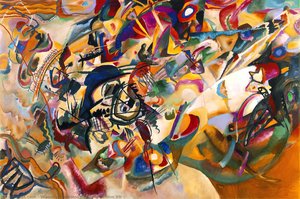 प्रसिद्ध Expressionist कलाकारसं состава सात · वासिली कैंडिंस्की
 प्रसिद्ध Rococo कलाकारप्यार का पाठ · एंथोनी वातेऊ
Other periods
 प्रसिद्ध Early Medieval कलाकारSnowy River · वांग वेई
 प्रसिद्ध High Medieval कलाकारमैडोना इन मेस्ट (ओग्निसंति मैडोना) · गियोट्टो डी बोन्डोन
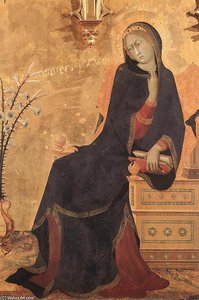
 प्रसिद्ध Late Medieval कलाकारदेवदूत घोषणा और दो संत · सिमोने मार्टिनी
 प्रसिद्ध Renaissance कलाकारमाइकल एंजेलो बोनारोटी, एक नाम जो उच्च पुनर्जागरण के साथ पर्याय है, सदियों से मानव कलात्मक क्षमता का प्रमाण है। 6 मार्च, 1475 को इटली के टस्कन पहाड़ियों में कैप्रेसे माइकेलांजेलो में जन्मे, उनका जीवन प्रतिभा, महत्वाकांक्षा और दिव्य प्रेरणा का एक असाधारण अभ · माइकल एंजेलो
 प्रसिद्ध Early Modern कलाकारकारावागियो
मिलान
स्पेन
1571
1599
1610
एक क्रांतिकारी क्षण बैरोक कला में
322 x 340 सेमी
सेंट मैथ्यू का आह्वान · कारावाजियो
 प्रसिद्ध 19th Century कलाकारजल लिली (या निम्फीस) · क्लाद मोने
 प्रसिद्ध Modern कलाकारगुएर्निका · पाब्लो पिकासो
 प्रसिद्ध Contemporary कलाकारWind Sculpture III (one in a series of nine) · Yinka Shonibare
Discover more


