


1


नवमबर 2026 में अपडेट किया गया · हमारे लोकप्रियता स्कोर (प्रत्येक कृति के लिए खोज, विज़िट और ऑर्डर) के आधार पर रैंक किया गया · 38 कृतियाँ थॉमस एंडर की हमारे कैटलॉग में
संक्षेप में
थॉमस एंडर द्वारा छोड़ी गई सभी मूल कृतियों में से, सबसे प्रसिद्ध The Grossglockner with the Pasterze Glacier (1830) है, जो साल्ज़बर्ग के Residenzgalerie के संग्रह में है। इसके ठीक बाद The Cemetery Gate (Cemetery near Wien) (1820) और Berchtesgaden with Watzmann (1818) का स्थान आता है। हमारे कैटलॉग में थॉमस एंडर की 38 कृतियाँ हैं; गैलरी ने उन 36 कृतियों को सहेज कर रखा है जिन्हें दुनिया सबसे अधिक पसंद करती है, जिनमें से प्रत्येक को उनकी तिथि, उनके संग्रहालय और उनकी कहानी के साथ प्रदर्शित किया गया है।


 The Großglockner with the Pasterze1832
12
 Southern Landscape with Cacti1837
13
 View of Rio de Janeiro1837 · Academy of Fine Arts Vienna
14
 Schloss Cles in Nonntal in South Tyrol1846
15
 View of Lake Garda1840
16
 Schloss Tirol near Meran1843
17
 View of Athens1853
18
 The Pieniny Mountains with the Dunajec River1860 · Library of the Hungarian Academy of Sciences
19
 Orava Castle1860 · Library of the Hungarian Academy of Sciences
20
 Povážský Hrad and the Renaissance Mansion1860 · Library of the Hungarian Academy of Sciences
21
 Grotto of Sorrento with a View of Capo Mahea
22
 Overlooking the St. Stephen's Cathedral from Glacis
23
 Forest Landscape in the High Mountains
24
 View of Bítov Castle of Count Daun in Moravia
25
 The Morteratsch Glacier in Grisons with the Bernina Range
26
 Italian courtyard and church
27
 The Monastery of St Benedict in Subiaco
28
 Ischian landscapeNational Museum in Warsaw
29
 Look at the Zenoburg near Merano
30
 Ischian landscape (detail)
31
 View from Nussdorf on the Danube
32
 Marianne in the storm on the Black Sea
33
 Wooded River Landscape in the Alps
34
 View of the Residence of Archduke Johann in Gastein Hot Springs
35
 ViolasMuseu Carlos Gomes
36
 Seated with red cape in landscape
इन मूल कृतियों में बार-बार आने वाले चार विषय, जिनमें से प्रत्येक का सबसे उत्कृष्ट उदाहरण यहाँ प्रस्तुत है।
वे 6 संग्रहालय जिनमें इस पृष्ठ की सर्वाधिक पेंटिंग्स मौजूद हैं।
| संग्रहालय | शहर | थॉमस एंडर की कृतियाँ | इस सूची की पेंटिंग्स |
|---|---|---|---|
 Library of the Hungarian Academy of Sciences |
बुडापेस्ट | 3 | The Pieniny Mountains with the Dunajec River, Orava Castle, Povážský Hrad and the Renaissance Mansion |
 Residenzgalerie |
साल्ज़बर्ग | 1 | The Grossglockner with the Pasterze Glacier |
 Museu de Arte de São Paulo Assis Chateaubriand |
साओ पाउलो | 1 | Landscape of Guanabara bay |
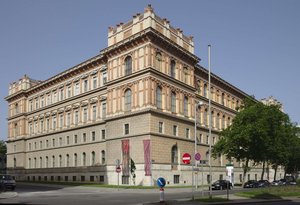 Academy of Fine Arts Vienna |
Vienna | 1 | View of Rio de Janeiro |
 National Museum in Warsaw |
वारसॉ | 1 | Ischian landscape |
 Museu Carlos Gomes |
कैम्पिनास | 1 | Violas |
उस दशक को चुनें जो उसकी पहचान है और उसकी मूल कृतियाँ देखें।


The Grossglockner with the Pasterze Glacier (1830), Residenzgalerie, साल्ज़बर्ग. इसके बाद The Cemetery Gate (Cemetery near Wien) (1820) और Berchtesgaden with Watzmann (1818) आते हैं।
37 वर्ष की आयु: The Grossglockner with the Pasterze Glacier 1830 का है, और थॉमस एंडर का जन्म 1793 में हुआ था।
The Grossglockner with the Pasterze Glacier, The Cemetery Gate (Cemetery near Wien), Berchtesgaden with Watzmann, Near Sparbach, Niederösterreich, Seidelwinkel in der Rauris, Landscape of Guanabara bay, Rocky coast in Italy, Coast of Sorrento, Area near Ischl और Large landscape with figures। ऊपर दी गई रैंकिंग में प्रत्येक का वर्ष और संग्रहालय दिया गया है।
हमारे कैटलॉग में थॉमस एंडर की 38 कृतियाँ हैं, जो 1818 से 1860 तक की हैं।
अधिकतर Library of the Hungarian Academy of Sciences (बुडापेस्ट), Residenzgalerie (साल्ज़बर्ग) और Museu de Arte de São Paulo Assis Chateaubriand (साओ पाउलो) में। ऊपर दी गई संग्रहालय तालिका में उन सभी की सूची दी गई है।
1810s में: इस पृष्ठ पर मौजूद 36 कृतियों में से 5 उस समय बनाई गई थीं, जिनमें से Berchtesgaden with Watzmann इनमें से हैं।
इस पृष्ठ पर, सबसे पुरानी कृति Berchtesgaden with Watzmann (1818) है और नवीनतम The Pieniny Mountains with the Dunajec River (1860) है।
इस पृष्ठ पर 36 कृतियों में Landscape (3) और Alpine landscape (2)
The Pieniny Mountains with the Dunajec River, Orava Castle और Povážský Hrad and the Renaissance Mansion: Library of the Hungarian Academy of Sciences, बुडापेस्ट में इस पृष्ठ पर मौजूद कृतियों में से 3 मौजूद हैं।