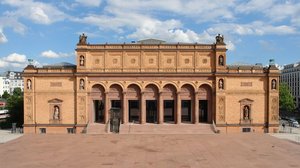
मास्टर फ्रैंके का चित्र

19 सबसे प्रसिद्ध मास्टर फ्रैंके पेंटिंग्स, एक गैलरी चयन

नवमबर 2026 में अपडेट किया गया · हमारे लोकप्रियता स्कोर (प्रत्येक कृति के लिए खोज, विज़िट और ऑर्डर) के आधार पर रैंक किया गया · 19 कृतियाँ मास्टर फ्रैंके की हमारे कैटलॉग में

संक्षेप में

मास्टर फ्रैंके द्वारा छोड़ी गई सभी मूल कृतियों में से, सबसे प्रसिद्ध Dormition of the Mother of God from Barbara altar from the Kalanti church in Finland (1415) है, जो हेलसिंकी के द नेशनल म्यूज़ियम ऑफ़ फिनलैंड के संग्रह में है। इसके ठीक बाद Adoration of the Magi (1426) और Birth of Jesus (1424) का स्थान आता है। हमारे कैटलॉग में मास्टर फ्रैंके की 19 कृतियाँ हैं; गैलरी ने उन 19 कृतियों को सहेज कर रखा है जिन्हें दुनिया सबसे अधिक पसंद करती है, जिनमें से प्रत्येक को उनकी तिथि, उनके संग्रहालय और उनकी कहानी के साथ प्रदर्शित किया गया है।

1380 – 1435, ज़ुटफेन्स Gothic सर्वाधिक कृतियाँ: हम्बर्ग कला हलले

मास्टर फ्रैंके की शीर्ष 10 पेंटिंग: गैलरी का चयन

1
Dormition of the Mother of God from Barbara altar from the Kalanti church in Finland (1415) द्वारा मास्टर फ्रैंके

Dormition of the Mother of God from Barbara altar from the Kalanti church in Finland

1415 · Tempera On Panel · द नेशनल म्यूज़ियम ऑफ़ फिनलैंड, हेलसिंकी

The Dormition of the Mother of God from Barbara altar from the Kalanti church in Finland is a significant component of the larger Saint Barbara Altarpiece. Created by the North German artist Master Francke, this specific work belongs to a larger Virgin Mary cycle that spans the corpus and the inner wings of the altarpiece. The subject matter focuses on the profound theological narrative of Mary's death and her subsequent…

2
Adoration of the Magi (1426) द्वारा मास्टर फ्रैंके

Adoration of the Magi

1426 · Tempera On Panel · हम्बर्ग कला हलले, हैम्बर्ग

The painting is a depiction of the Adoration of the Magi, a scene centered on Mary holding her baby Jesus in her arms. She is surrounded by a gathering of twelve people, some of whom stand in close proximity to the viewer while others are positioned further away in the composition. The scene is further detailed by the presence of two chairs, one located near the left side and another…

3
Birth of Jesus (1424) द्वारा मास्टर फ्रैंके

Birth of Jesus

1424 · Oil On Panel · हम्बर्ग कला हलले, हैम्बर्ग

In the quiet, hallowed atmosphere of the early fifteenth century, a masterpiece emerged that would capture the spiritual fervor of the late Gothic era. Master Francke, the enigmatic Dutch virtuoso known as Frater Francke, crafted his Birth of Jesus in 1424 with a profound sense of theatricality and devotion. This is not merely a depiction of a stable scene; it is a cosmic event rendered on wood. The painting commands…

4
The Martyrdom of Saint Thomas of Canterbury (1426) द्वारा मास्टर फ्रैंके

The Martyrdom of Saint Thomas of Canterbury

1426 · Tempera · हम्बर्ग कला हलले, हैम्बर्ग

A Moment of Violent Devotion The scene unfolds with a heavy, dramatic tension, capturing the precise moment of Saint Thomas Becket's death within the cathedral. Four knights surround the Archbishop, their presence defined by the cold steel of a sword and the weight of a shield. There is a palpable sense of movement in the composition, as if the air itself has thickened with the gravity of the act. The…

6
Resurrection of Christ (1430) द्वारा मास्टर फ्रैंके

Resurrection of Christ

1430 · हम्बर्ग कला हलले, हैम्बर्ग

In the profound stillness of the early fifteenth century, a moment of eternal victory was captured on panel by the hand of Master Francke. The Resurrection of Christ is not merely a depiction of a biblical event; it is a visceral experience of triumph over the shadows of mortality. As the eye meets the central figure of Jesus, one is immediately struck by the sheer kinetic energy of his ascent.…

7
Adoration of the Child (1426) द्वारा मास्टर फ्रैंके

Adoration of the Child

1426 · Tempera On Panel · हम्बर्ग कला हलले, हैम्बर्ग

In the quiet, hallowed atmosphere of the early fifteenth century, a profound moment of divine intimacy was captured by the hand of Master Francke. His masterpiece, Adoration of the Child, dating to approximately 1426, serves as a breathtaking window into the spiritual fervor of the North German Gothic tradition. The scene unfolds with a tender, almost breathless reverence, as the Virgin Mary cradles the infant Jesus, lifting him toward the…

8
The Mocking of Saint Thomas of Canterbury (1426) द्वारा मास्टर फ्रैंके

The Mocking of Saint Thomas of Canterbury

1426 · हम्बर्ग कला हलले, हैम्बर्ग

In the evocative scene of The Mocking of Saint Thomas of Canterbury, we are transported back to the visceral intensity of the early 15th century. Created around 1426 by the enigmatic North German master known as Frater Francke, this work captures a moment of profound tension and spiritual confrontation. The composition centers on a figure draped in a striking red robe, mounted upon a noble white horse, caught in the…

9
The Women at the Cross (fragment) (1435) द्वारा मास्टर फ्रैंके

The Women at the Cross (fragment)

1435 · Tempera On Panel · हम्बर्ग कला हलले, हैम्बर्ग

The fragment captures a moment of profound grief, centering on the Virgin Mary and a group of women gathered in sorrow. They are draped in long gowns, their heads covered by veils, their postures reflecting the weight of loss following the death of Jesus Christ. In the background, a horse and a smaller group of figures suggest a larger, more complex narrative unfolding beyond this immediate circle of lamentation. Scattered…

मास्टर फ्रैंके का चयन जारी है, 11 से 19 तक

वे विषय जिन्होंने मास्टर फ्रैंके का मन मोह लिया

इन मूल कृतियों में बार-बार आने वाले चार विषय, जिनमें से प्रत्येक का सबसे उत्कृष्ट उदाहरण यहाँ प्रस्तुत है।

वे संग्रहालय जहाँ मास्टर फ्रैंके की मूल कृतियाँ रखी गई हैं

वे 4 संग्रहालय जिनमें इस पृष्ठ की सर्वाधिक पेंटिंग्स मौजूद हैं।

संग्रहालय शहर मास्टर फ्रैंके की कृतियाँ इस सूची की पेंटिंग्स
हम्बर्ग कला हलले, हैम्बर्गहम्बर्ग कला हलले हैम्बर्ग 9 Adoration of the Magi, Birth of Jesus, The Martyrdom of Saint Thomas of Canterbury
द नेशनल म्यूज़ियम ऑफ़ फिनलैंड, हेलसिंकीद नेशनल म्यूज़ियम ऑफ़ फिनलैंड हेलसिंकी 1 Dormition of the Mother of God from Barbara altar from the Kalanti church in Finland
Museum der bildenden Künste, लाइपज़िगMuseum der bildenden Künste लाइपज़िग 1 Vir Dolorum (Man of Sorrows)
National Museum in Warsaw, वारसॉNational Museum in Warsaw वारसॉ 1 Holy trinity

मास्टर फ्रैंके दशक दर दशक: प्रत्येक को परिभाषित करने वाली मूल कृतियाँ

दशकवार कृतियाँ

उस दशक को चुनें जो उसकी पहचान है और उसकी मूल कृतियाँ देखें।

मास्टर फ्रैंके की पेंटिंग्स के बारे में संग्रहकर्ताओं के प्रश्न

मास्टर फ्रैंके किस कृति के लिए सबसे अधिक प्रसिद्ध हैं?उत्तर देखें

Dormition of the Mother of God from Barbara altar from the Kalanti church in Finland (1415), द नेशनल म्यूज़ियम ऑफ़ फिनलैंड, हेलसिंकी. इसके बाद Adoration of the Magi (1426) और Birth of Jesus (1424) आते हैं।

Dormition of the Mother of God from Barbara altar from the Kalanti church in Finland के निर्माण के समय मास्टर फ्रैंके की आयु क्या थी?उत्तर देखें

35 वर्ष की आयु: Dormition of the Mother of God from Barbara altar from the Kalanti church in Finland 1415 का है, और मास्टर फ्रैंके का जन्म 1380 में हुआ था।

मास्टर फ्रैंके की दस सबसे प्रसिद्ध पेंटिंग्स कौन सी हैं?उत्तर देखें

Dormition of the Mother of God from Barbara altar from the Kalanti church in Finland, Adoration of the Magi, Birth of Jesus, The Martyrdom of Saint Thomas of Canterbury, The Entombment, Resurrection of Christ, Adoration of the Child, The Mocking of Saint Thomas of Canterbury, The Women at the Cross (fragment) और Barbara Altar, inside the wing। ऊपर दी गई रैंकिंग में प्रत्येक का वर्ष और संग्रहालय दिया गया है।

मास्टर फ्रैंके ने कितनी पेंटिंगें छोड़ीं?उत्तर देखें

हमारे कैटलॉग में मास्टर फ्रैंके की 19 कृतियाँ हैं, जो 1415 से 1435 तक की हैं।

मास्टर फ्रैंके की उत्कृष्ट कृतियाँ किन संग्रहालयों में प्रदर्शित हैं?उत्तर देखें

अधिकतर हम्बर्ग कला हलले (हैम्बर्ग), द नेशनल म्यूज़ियम ऑफ़ फिनलैंड (हेलसिंकी) और Museum der bildenden Künste (लाइपज़िग) में। ऊपर दी गई संग्रहालय तालिका में उन सभी की सूची दी गई है।

मास्टर फ्रैंके ने अपने सबसे प्रसिद्ध कार्यों की रचना किन वर्षों में की थी?उत्तर देखें

1420s में: इस पृष्ठ पर मौजूद 19 कृतियों में से 6 उस समय बनाई गई थीं, जिनमें से Adoration of the Magi इनमें से हैं।

मास्टर फ्रैंके की पहली और आखिरी प्रसिद्ध मूल कृतियाँ कौन सी हैं?उत्तर देखें

इस पृष्ठ पर, सबसे पुरानी कृति Dormition of the Mother of God from Barbara altar from the Kalanti church in Finland (1415) है और नवीनतम The Women at the Cross (fragment) (1435) है।

मास्टर फ्रैंके ने सबसे अधिक बार किन विषयों को चुना?उत्तर देखें

इस पृष्ठ पर 19 कृतियों में People (3), Mary (3) और Man (3)

मास्टर फ्रैंके ने किस तकनीक का सबसे अधिक उपयोग किया?उत्तर देखें

इस पृष्ठ पर मौजूद 19 कृतियों में से 5 के लिए Tempera On Panel।

मास्टर फ्रैंके किस कला आंदोलन (art movement) से संबंधित हैं?उत्तर देखें

इस पृष्ठ पर मूल कृतियों को देखते हुए, Gothic।

हम्बर्ग कला हलले में मास्टर फ्रैंके की कौन सी कृतियाँ प्रदर्शित हैं?उत्तर देखें

Adoration of the Magi, Birth of Jesus और The Martyrdom of Saint Thomas of Canterbury: हम्बर्ग कला हलले, हैम्बर्ग में इस पृष्ठ पर मौजूद कृतियों में से 9 मौजूद हैं।

मास्टर फ्रैंके: जीवन और कार्य

A Master of Sorrowful Piety: The Legacy of Frater Francke

Johannes Francke, known as Frater Francke, stands as a pivotal figure in the burgeoning artistic landscape of 15th-century Germany – specifically within the vibrant Gothic tradition of Hamburg. While biographical details remain somewhat elusive, surviving documentation confirms his involvement in monumental religious commissions during his lifetime, cementing his reputation as one of the era’s most accomplished altarpiece painters.
  • Early Life and Training: Precise information regarding Francke's formative years is scarce. However, he emerged from Zutphens around 1380, likely receiving his initial artistic training within the guild system prevalent at the time – a cornerstone of medieval craftsmanship where apprenticeships fostered technical mastery alongside spiritual devotion.
  • Hamburg and The Birth of Jesus (1424): Francke’s career truly blossomed in Hamburg, where he secured a contract to create an altarpiece for St. Catharine’s Church. This ambitious project – ‘The Birth of Jesus,’ completed in 1424 – exemplifies his stylistic sensibilities: intense reds dominate the composition, conveying profound emotion and highlighting symbolic elements relating to Christ's divine incarnation. The painting showcases meticulous detail and masterful use of color, reflecting the prevailing Gothic aesthetic.
Francke’s artistic output extended beyond this singular masterpiece. Although few works definitively attributed to him exist with certainty—a common challenge faced by historians reconstructing artistic lineages—scholarly consensus points to a contribution in Leipzig and another notable piece housed in Hamburg's Kunsthalle. These paintings demonstrate a continued engagement with Gothic techniques, characterized by stylized figures and opulent gold leaf application – hallmarks of the period’s religious fervor.
  • Technique and Style: Francke’s artistic style is firmly rooted in Gothic painting conventions. He skillfully employed tempera on panel, achieving luminous colors and textural richness. His depictions of biblical scenes are imbued with dramatic emotion and psychological depth, prioritizing expressive gesture and conveying spiritual contemplation.
  • Influence and Legacy: Francke's work profoundly impacted subsequent generations of artists in Hamburg and beyond. He championed the Gothic style, establishing it as a dominant visual language for religious art during his time. His meticulous attention to detail and emotive portrayal of biblical narratives continue to resonate with viewers today, securing his place as an enduring symbol of piety and artistic excellence.

Notable Achievements: The Barbara Altar

Perhaps Francke’s most celebrated achievement is the ‘Barbara Altar,’ commissioned for St. Barbara’s Church in Hamburg around 1430. This monumental artwork—a testament to his artistic prowess—features a complex narrative depicting Saint Barbara's martyrdom and embodies the Gothic tradition's penchant for grandeur and symbolic representation. The altar’s intricate sculptural elements, combined with vibrant polychrome painting, underscore Francke’s mastery of both visual arts and craftsmanship.

Historical Significance

Master Francke’s contribution to German art history is undeniable. He represents a crucial link between medieval artistic traditions and the burgeoning Renaissance movement—a transitional period marked by renewed interest in classical ideals alongside enduring religious devotion. His altarpieces stand as powerful visual expressions of faith, reflecting the spiritual concerns of his era and shaping the aesthetic sensibilities of Hamburg’s artistic community for centuries to come.