
 पूर्वावलोकन देखें
 साझा करें
 साझा करें
 विस्तृत विवरण

 डाउनलोड करें
 समान कलाकृतियाँ
 एक्स-रे
 स्लाइड शो देखें
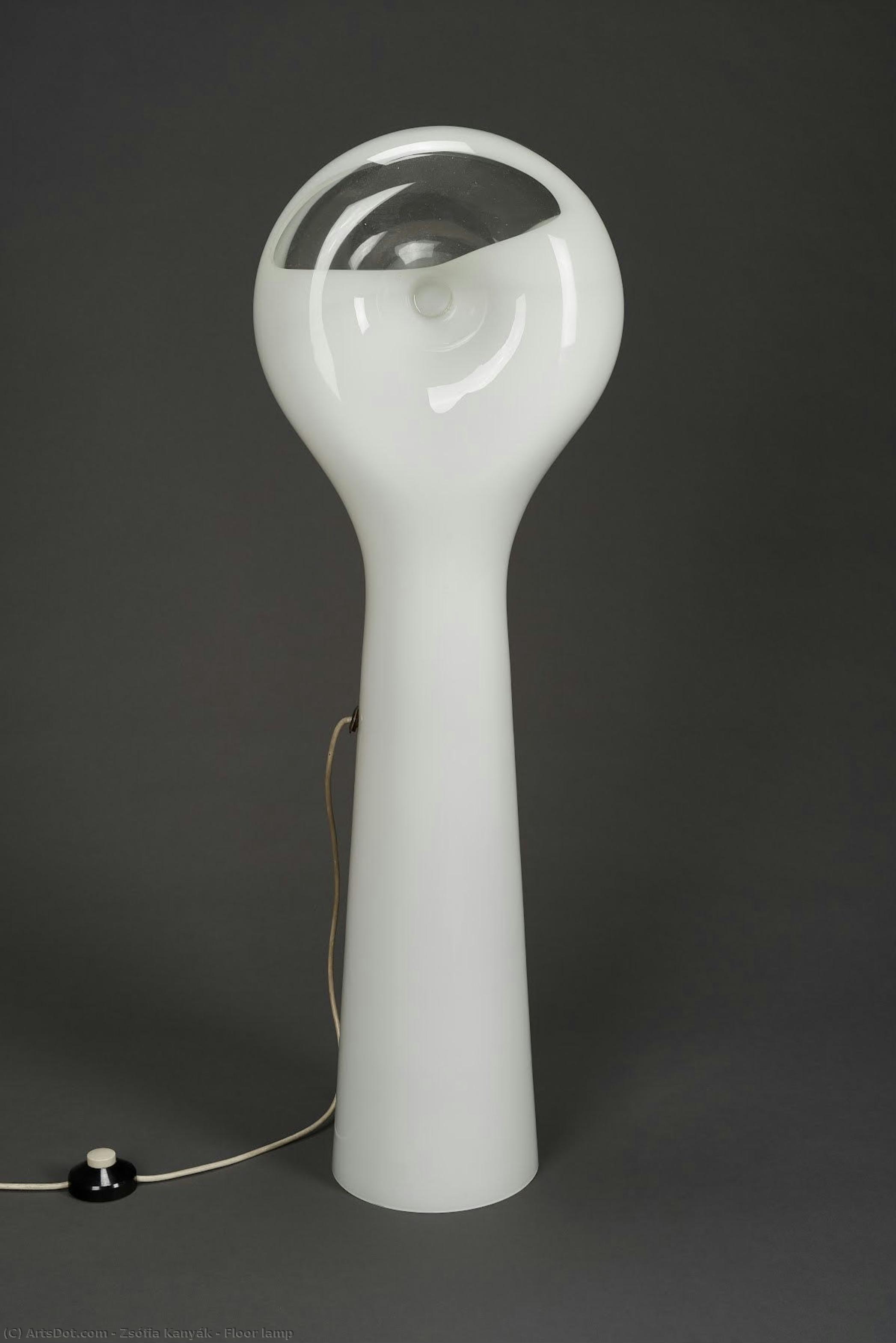
Floor lamp
 1971
1971 5.0 x 29.0 cm
 Museum of Applied Arts
 पूरा देखें
ऑनलाइन पूर्वावलोकन से कहीं अधिक बेहतर, उच्च-रिज़ॉल्यूशन वाली उन्नत डिजिटल छवि खरीदें।
प्रत्येक फ़ाइल हमारे आंतरिक विशेषज्ञों द्वारा उन्नत उपकरणों और विशेषज्ञ मैनुअल रीटचिंग का उपयोग करके सावधानीपूर्वक तैयार की जाती है। हम यह सुनिश्चित करते हैं कि प्रत्येक छवि में असाधारण स्पष्टता, सटीक रंग सटीकता और बारीक विवरण हो।
अंतिम फ़ाइल 72 घंटों के भीतर ईमेल के माध्यम से भेज दी जाती है, जिसे पेशेवर, संपादकीय और प्रिंट कार्यों में तत्काल उपयोग के लिए अनुकूलित किया गया है। यह वही गुणवत्ता है जिस पर शीर्ष स्तर के डिज़ाइन स्टूडियो, प्रकाशक और गैलरी भरोसा करते हैं।
डिजिटल इमेज
व्यक्तिगत प्रदर्शन, प्रिंटिंग और रचनात्मक परियोजनाओं के लिए एक उच्च-रिज़ॉल्यूशन फ़ाइल डाउनलोड करें। ( प्रिंट खरीदें हाथ से बनी पेंटिंग खरीदें)
प्रत्येक डिजिटल इमेज ऑर्डर के साथ शामिल है
विशेषज्ञ डिजिटल डिलीवरी, सुनिश्चित
जब आप OriginalUniqueArt.com को चुनते हैं, तो आपको केवल एक छवि ही नहीं मिलती - बल्कि आपको प्राप्त होती है एक पेशेवर रूप से संवर्धित डिजिटल कलाकृति, जिसे पूरी सटीकता के साथ तैयार किया गया है और जिसकी संतुष्टि की गारंटी दी जाती है। आपके ऑर्डर के साथ स्वचालित रूप से ये सभी चीजें शामिल हैं:

त्वरित ईमेल डिलीवरी
आपकी उच्च-रिज़ॉल्यूशन वाली डिजिटल इमेज फ़ाइल ऑर्डर करने के 72 घंटों के भीतर आपको ईमेल कर दी जाएगी - जो तुरंत उपयोग के लिए तैयार है।

एआई-संवर्धित डिजिटल फ़ाइल
आपकी कलाकृति को उन्नत एआई (AI) उपकरणों और मैनुअल संपादन के माध्यम से पेशेवर रूप से अनुकूलित किया जाता है, जो अधिकतम विवरण, स्पष्टता और रंगों की सटीक सटीकता सुनिश्चित करता है।

आजीवन मुफ्त पुन: वितरण सेवा
क्या आपकी फाइल गलती से डिलीट या खो गई है? चिंता न करें - हम इसे आपके लिए किसी भी समय, बिना किसी शुल्क के, फिर से भेज देंगे।

कोई आयात शुल्क नहीं - हमेशा के लिए
बिना किसी कस्टम ड्यूटी, शुल्क या डिलीवरी शुल्क के अपनी कलाकृति का तुरंत आनंद लें - डिजिटल डाउनलोड हमेशा टैक्स-फ्री होते हैं।

सटीक रंगों की गारंटी
हम पेशेवर उपकरणों और कलर मैनेजमेंट का उपयोग करके यह सुनिश्चित करते हैं कि आपकी डिजिटल छवि मूल रंगों को यथासंभव सटीक रूप से दर्शाती है।

60 दिनों की संतुष्टि गारंटी
यदि आप अपनी डिजिटल इमेज से संतुष्ट नहीं हैं, तो हम 60 दिनों के भीतर इसमें सुधार करेंगे या 100% की वापसी करेंगे - बिना कोई सवाल पूछे।

100% मनी-बैक गारंटी
संतुष्ट नहीं हैं? अपनी डिजिटल फ़ाइल प्राप्त करने के 60 दिनों के भीतर पूरा रिफ़ंड प्राप्त करें - बिना किसी सवाल के।

थोक ऑर्डर पर छूट
3 इमेज खरीदें, 10% बचाएं - 5 खरीदें, 15% बचाएं - 10 से अधिक खरीदें, 20% बचाएं। रचनात्मक परियोजनाओं, दीर्घाओं और एजेंसियों के लिए बेहतरीन।
संग्रहणीय का विवरण
कलाकार का जीवन परिचय
A Visionary of Light and Glass
The brief, luminous career of Zsófia Kanyák (1944–1975) remains one of the most poignant chapters in the history of Hungarian mid-century modernism. Emerging from the vibrant artistic landscape of Budapest, Kanyák possessed a rare ability to marry the structural rigor of industrial design with the ethereal, organic grace of fine sculpture. Her work did not merely occupy space; it manipulated light, transforming cold glass into breathing, sculptural forms that seemed to pulse with an inner vitality. Though her life was tragically cut short, the legacy she left behind—a collection of pieces that bridge the gap between functional utility and pure aesthetic expression—continues to resonate within the halls of prestigious institutions like the Museum of Applied Arts in Budapest.
Kanyák’s artistic journey began with a profound exploration of texture and tradition. During her formative years at the College of Applied Arts, she was mentored by the esteemed Zoltán Gács György, a relationship that proved foundational to her technical mastery. Under his guidance, she delved into the intricate complexities of Gobeline weaving, a craft that instilled in her a deep respect for interlacing patterns and structural integrity. This early immersion in textile arts would later manifest in her glasswork through a sophisticated understanding of layering, opacity, and the delicate interplay between transparent and solid surfaces.
The Venetian Influence and Global Horizons
As her talent expanded beyond the borders of Hungary, Kanyák sought to refine her mastery of medium and form on the international stage. Her studies at the École Nationale Supérieure des Beaux-Arts in Paris under Jean Aujam provided a cosmopolitan perspective, but it was her transformative encounter with the glassmaking traditions of Italy that would redefine her aesthetic. In 1971, through a prestigious scholarship, Kanyák immersed herself in the legendary workshops of Murano, specifically at the La Murrina and Moretti factories. This period of intense study allowed her to absorb the centuries-old secrets of Venetian artisans, particularly their mastery of vibrant color and fluid, molten shapes.
The influence of Murano is etched into the very DNA of her most celebrated works. One can observe a subtle dialogue between her Hungarian roots—characterized by a certain disciplined elegance—and the exuberant, flowing energy of Italian glass artistry. This synthesis allowed her to develop a signature style that felt both modern and timeless. Her ability to manipulate glass to create pieces like her iconic floor lamp, which features a tapering cylindrical form and a large, disc-like head, demonstrates a profound command over the medium's capacity for both simplicity and complexity.
A Legacy of Innovation and Design
Kanyák’s professional trajectory was marked by remarkable achievements that saw her work move from local workshops to the global stage. In 1971, she joined the Hollow Glass Works of Salgótarján as a designer, where she began translating her sculptural visions into tangible objects. Her designs were not confined to the studio; they were celebrated at the prestigious Milan Fair, proving that her aesthetic language possessed universal appeal. This success even led to an invitation to work within the Design Studio of the renowned German company Rosenthal in 1972, further cementing her status as a leading figure in European design.
The breadth of her creative output can be categorized by several key elements:
- Sculptural Innovation: The development of the Lichtobjekt series, which included glass sculptures, lidded boxes, and lamps that utilized organic, soft forms.
- Material Mastery: An expert use of contrasting textures, such as layering opaque white glass over translucent bases to create depth and mystery.
- Functional Elegance: The seamless integration of art into daily life through objects that served a purpose while maintaining the presence of high art.
Though she passed away at the young age of thirty-one, Zsófia Kanyák’s impact on the world of glass design remains undiminished. Her work stands as a testament to a period of intense creativity and the enduring power of a singular vision that sought to capture the very essence of light itself.

zsófia kanyák
1944 - 1975 , Hungary
संक्षिप्त जानकारी
- Artistic Movement Or Style: Modern Glass Art
- Artists Or Movements Influenced By This Artist: ['Murano glass design']
- Artists Who Influenced This Artist: ['Jean Aujam']
- Date Of Birth: Budapest, Hungary (1944)
- Date Of Death: Amszterdam, Netherlands (1975)
- Full Name: Zsófia Kanyák
- Nationality: Hungarian
- Notable Artworks:
- Just a moment...
- Floor lamp
- Place Of Birth: Budapest

