

 पूर्वावलोकन देखें
 साझा करें
 साझा करें
 विस्तृत विवरण

 डाउनलोड करें
 समान कलाकृतियाँ
 एक्स-रे
 स्लाइड शो देखें
Lightnude II


 पूरा देखें
गिक्ली / आर्ट प्रिंट
तेज़ उत्पादन और विभिन्न फिनिश विकल्पों के साथ म्यूजियम-क्वालिटी गिकली (giclée) या कैनवस प्रिंट। ( हाथ से बनी पेंटिंग खरीदें छवि खरीदें)




































कलाकृति के मूल अनुपात से मेल खाने वाले हमारे पूर्व निर्धारित आकारों में से चुनें।

आप किसी विशिष्ट फ्रेम या स्थान के अनुसार अपने स्वयं के आयाम (dimensions) दर्ज कर सकते हैं। यदि आपके द्वारा चुना गया आकार मूल छवि के अनुपात से मेल नहीं खाता है, तो हम कलाकृति को क्रॉप कर देंगे या मिरर किए गए या सॉलिड-फिल किनारे के साथ छवि का विस्तार करेंगे। उत्पादन शुरू होने से पहले आपकी स्वीकृति के लिए एक डिजिटल मॉकअप भेजा जाएगा।
कृपया ध्यान दें कि स्क्रीन पर दिखने वाला प्रीव्यू वास्तविक क्रॉपिंग या विस्तार को नहीं दर्शाता है। केवल मॉकअप ही अंतिम संरचना को सटीक रूप से दिखाएगा।
हालाँकि कस्टम आकार उपलब्ध हैं, फिर भी हम मूल अनुपात बनाए रखने के लिए पूर्व-निर्धारित सूची में से एक आयाम चुनने की सलाह देते हैं।
विश्वव्यापी डिलीवरी (), मानक 4/5 सप्ताह के बजाय मात्र 2 सप्ताह में। (5 सितमबर)

दुनिया भर में मुफ़्त एक्सप्रेस शिपिंग

उच्च गुणवत्ता वाला लिनेन कैनवास

पूर्ण शिपिंग बीमा

सीमा शुल्क और आयात कर वापसी की गारंटी

सटीक रंग मिलान की गारंटी

60-दिन की वापसी नीति (केवल दोषों के लिए)

100% पैसे वापसी की गारंटी

थोक छूट का लाभ
 ग्लास का विकल्प केवल 110 सेमी से कम आकार में ही उपलब्ध है।

Lightnude II
गिक्ली / आर्ट प्रिंट
प्रतिकृति का आकार
-


कुल देय राशि
$ 80
The Emergence of Form: A Journey Through Lightnude II
In the evocative landscape of mid-20th-century Polish abstraction, few works command attention with as much visceral intensity as Zdzisław Stanek’s Lightnude II. Created in 1975, this masterpiece serves as a profound testament to an artist who refused to be confined by the flat boundaries of the canvas. At first glance, the viewer is met with a surreal and stylized depiction of a human visage, an organic form that seems to struggle for breath amidst a sea of textured shadows. It is not merely a painting of a face; it is an exploration of a face emerging from the very primordial matter of the paint itself. The composition is dominated by this central, mask-like figure, which possesses a haunting, sculptural presence that blurs the line between two-dimensional art and three-dimensional relief.
The technique employed in Lightnude II is nothing short of transformative. Stanek, deeply influenced by the theoretical frameworks of Władysław Strzemiński, utilized light not as a mere tool for illumination, but as an active, sculptural force. Through a masterful application of oil paint, he achieved a rich, impasto-like texture that invites the eye to wander over rough surfaces and deep, rhythmic grooves. The interplay of light and shadow—a dramatic chiaroscuro—emphasizes the physical depth of the work, creating an illusionistic quality that pushes the subject forward toward the spectator. This tactile approach results in a surface where the brushstrokes are not just visible but are integral to the structural integrity of the image, making the artwork feel like an autonomous, living entity.
Symbolism and the Soul of Abstraction
Beyond its striking physical presence, Lightnude II resonates with deep symbolic complexity. The abstracted human features, caught in a state of metamorphosis, evoke themes of identity, introspection, and the duality of the human condition. There is a sense of something hidden being revealed, as if the layers of paint represent the many veils of the psyche. The warm, earthy palette—rich with golds, deep browns, and subtle greens—contributes to a dreamlike, almost primordial atmosphere, suggesting a connection to the natural world and the cyclical nature of life and decay. It is a work that speaks to the tension between what is seen and what remains obscured in the shadows of our own consciousness.
For the discerning collector or interior designer, this piece offers an unparalleled opportunity to introduce a sense of mystery and intellectual depth into a space. The artwork’s ability to command a room through its dramatic lighting and organic, flowing lines makes it a centerpiece of profound emotional impact. Whether placed in a contemporary gallery setting or a sophisticated private study, Lightnude II acts as a window into the experimental spirit of Polish modernism. It is an invitation to contemplate the boundaries of perception and to find beauty in the textured, the distorted, and the sublime.
कलाकार का जीवन परिचय
The Luminous Legacy of Zdzisław Stanek
In the storied landscape of mid-20th-century Polish art, few names resonate with the same quiet intensity as Zdzisław Stanek. Born in 1925 in the industrial heart of Łódź, Stanek emerged not merely as a painter, but as a profound investigator of the very mechanics of sight. His life’s work was a continuous dialogue between the tangible and the ethereal, a pursuit driven by an almost scientific curiosity regarding how light interacts with form to shape human perception. To encounter a Stanek canvas is to step into a world where the boundaries between matter and radiance begin to dissolve, leaving the viewer suspended in a state of luminous contemplation.
The foundation of Stanek’s artistic identity was deeply rooted in the revolutionary theoretical frameworks established by Władmentsław Strzemiński. From his earliest years, Stanek was captivated by Strzemiński’s radical notion that light should not be treated as a mere external source of illumination, but as an active, transformative force capable of sculpting space and evoking deep psychological resonance. This intellectual lineage became the heartbeat of his practice. He embraced the idea that light could breathe life into geometric structures, turning static shapes into dynamic participants in a cosmic dance of color and shadow.
A Synthesis of Geometry and Light
As his career progressed, Stanek’s aesthetic language underwent a fascinating evolution, characterized by a refusal to be tethered to any single passing trend. While he drew significant inspiration from the structural rigor of Cubism, he infused these geometric foundations with an experimental spirit that bordered on the futuristic. His compositions frequently utilized the stark, clean lines of cubes and spheres, yet these were never cold or clinical. Instead, through a masterful application of vibrant pigments and layered textures, he achieved a sense of depth and dimensionality that felt almost organic.
His later explorations into Cyber Art and more abstract geometric forms demonstrated his ability to bridge the gap between classical painterly traditions and the burgeoning technological consciousness of the era. In these works, the interplay of form and color becomes a complex puzzle of light:
- The Role of Form: The use of spheres and cubes serves as an anchor for the eye, providing a structural stability that allows the more fluid elements of the painting to roam freely.
- Chromatic Vibrancy: Stanek utilized color not just for decoration, but as a tool to generate heat, coolness, and movement within the frame.
- Atmospheric Depth: Through subtle gradations, he created an illusion of infinite space, where light seems to emerge from deep within the canvas itself.
Historical Significance and Artistic Spirit
The historical importance of Zdzisław Stanek lies in his role as a bridge between the avant-garde traditions of early 20th-century Poland and the experimental movements that followed. In an era often defined by political and social upheaval, Stanek remained steadfast in his commitment to pure visual experimentation. He resisted the pressure to conform to more literal or propagandistic styles, choosing instead to focus on the universal language of light and geometry. This dedication ensured that his work remained timeless, transcending the specific historical moment of its creation.
Today, Stanek is remembered as a pioneer who dared to treat the canvas as a laboratory for perception. His ability to synthesize the rigid logic of geometric abstraction with the emotive power of light continues to inspire those who seek beauty in the intersection of science and art. His legacy remains etched in the luminous glow of his masterpieces, reminding us that even the most structured forms can be imbued with an eternal, breathing soul.

zdzisław stanek
1925 - 1996 , Poland
मुख्य तथ्य
- Artistic Movement Or Style: Cubism, Cyber art, Surrealism
- Artists Or Movements Influenced By This Artist: ['Cyber art']
- Artists Who Influenced This Artist: ['Władysław Strzemiński']
- Date Of Death: 1996
- Full Name: zdzisław stanek
- Nationality: Polish
- Notable Artworks:
- Still life with leeks bunch,
- Apples and cheese
- Lightnude II
- Place Of Birth: Poland
संबंधित लेख
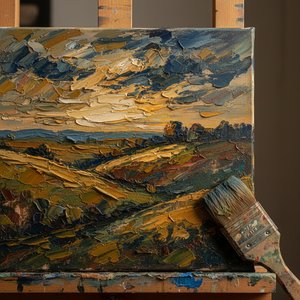
The Timeless Beauty of Oil on Canvas: A Masterclass in Texture, Impasto, and Artistic Mastery
Discover the profound allure of oil on canvas. Explore the mastery of impasto textures, the science of pigment longevity, and expert guides to selecting museum-quality reproductions that elevate your collection with timeless elegance and tactile depth.
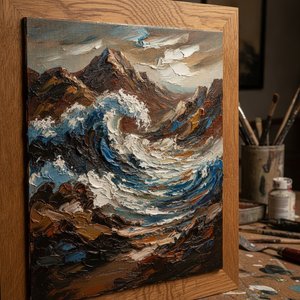
Oil on Panel: The Ultimate Guide to Bold, High-Impact Texture & Depth
Master the art of impact with our expert guide to oil on panel. Discover how impasto textures and heavy-body pigments create 3D depth and bold visual energy for modern interiors. Elevate your space with high-impact, hand-painted masterpieces designed for maximum aesthetic punch.

The Enduring Legacy of Oil on Canvas: Technique, History & Aesthetic Impact
Explore the rich history & techniques of oil painting – from Renaissance masters to Impressionism. Discover pigments, layering methods, and why this timeless medium endures. Expert insights for artists & art enthusiasts.
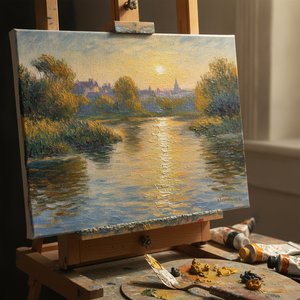
The Soul of Impressionism: Why Oil on Canvas Captures Eternal Light and Timeless Emotion
Discover the enchanting alchemy of Impressionism. Explore how the mastery of oil on canvas, through glazing and impasto, captures eternal light and emotion. Perfect for lovers of Monet and Van Gogh seeking the profound depth of hand-painted fine art.

OriginalUniqueArt.com F.A.Q.: बनावट वाले प्रिंट – अभिजात संग्राहकों के लिए तेल चित्रकला जैसा अनुभव और अहसास प्राप्त करना
OriginalUniqueArt.com पर अभिजात संग्राहकों के लिए उच्च गुणवत्ता वाले बनावट वाले प्रिंट खोजें। हमारे हस्तनिर्मित तेल चित्रकला जैसे अनुभव और अहसास प्राप्त करें। अनुकूलन विकल्प, विशेषज्ञ सलाह और 100% संतुष्टि गारंटी।

