
 पूर्वावलोकन देखें
 साझा करें
 साझा करें
 विस्तृत विवरण
 मार्गदर्शिका

 डाउनलोड करें
 समान वस्तुएं
 एक्स-रे
 स्लाइड शो देखें
 प्रश्न और उत्तर
 आंकड़े
The Road to Jiming Temple

- 66.0 x 77.0 cm


 पूरा देखें
गिक्ली / आर्ट प्रिंट
तेज़ उत्पादन और विभिन्न फिनिश विकल्पों के साथ म्यूजियम-क्वालिटी गिकली (giclée) या कैनवस प्रिंट। ( इस संग्रहणीय वस्तु की हाथ से बनी प्रतिकृति मंगवाएं डिजिटल इमेज पर स्विच करें)




P118B ₹10

P118H ₹10

P118W ₹10

P438Z ₹10

P508JH ₹12

P508YH ₹12

P805H ₹10

P805Z ₹10

P919BZ ₹10

P919G ₹10

P919XJ ₹10

P959ZH ₹10

P968JZ ₹12

W106C ₹8

W218G ₹10

W218JH ₹8

W218Y ₹10

W307PJ ₹10

W316G ₹10

W316PJ ₹8

W316Y ₹10

W398PJ ₹8

W4111J ₹10

W500HY ₹15

W500JH ₹15

W692G ₹12

W849H ₹8

W940BG ₹15

W953PJ ₹8




कलाकृति के मूल अनुपात से मेल खाने वाले हमारे पूर्व निर्धारित आकारों में से चुनें।

अपने फ्रेम या अपनी दीवार के अनुसार आवश्यक चौड़ाई और ऊंचाई दर्ज करें। प्रिंट को केवल काटा जा सकता है, चित्र से बड़ा कभी नहीं बनाया जा सकता, इसलिए अलग आकार का साइज चित्र का एक हिस्सा खो देता है। किसी भी चीज़ को प्रिंट करने से पहले हम आपकी स्वीकृति के लिए आपको एक डिजिटल मॉकअप भेजते हैं। इस पृष्ठ पर दिखाया गया चित्र वास्तविक कटिंग नहीं दिखाता है — केवल मॉकअप ही इसे दर्शाता है।
विश्वव्यापी डिलीवरी (), मानक 4/5 सप्ताह के बजाय मात्र 2 सप्ताह में। (8 नवमबर)

दुनिया भर में मुफ़्त एक्सप्रेस शिपिंग

उच्च गुणवत्ता वाला लिनेन कैनवास

पूर्ण शिपिंग बीमा

सीमा शुल्क और आयात कर वापसी की गारंटी

सटीक रंग मिलान की गारंटी

100 दिनों की वापसी नीति (केवल दोष होने पर)

100% पैसे वापसी की गारंटी

थोक छूट का अवसर
 ग्लास का विकल्प केवल 110 सेमी से कम आकार में ही उपलब्ध है।

The Road to Jiming Temple
गिक्ली / आर्ट प्रिंट
प्रतिकृति का आकार
-


कुल देय राशि
₹ 7843
The Road to Jiming Temple: A Journey Through Time and Spirit
Xu Beihong’s “The Road to Jiming Temple” is more than just a depiction of a mountain village; it's a vibrant window into 1943 China, a testament to the artist’s unique vision, and a poignant reflection on tradition and modernity. Painted during a period of immense upheaval and transformation, this oil-on-canvas masterpiece captures not only the physical landscape but also the spirit of a nation navigating its identity. The scene unfolds with remarkable detail – a winding path ascending through lush greenery, leading to the venerable Jiming Temple nestled amongst the peaks. The composition immediately draws the viewer in, inviting them on a silent journey alongside the figures traversing the road.
Beihong’s artistic style is instantly recognizable—a masterful blend of Chinese ink painting techniques and Western realism. He eschewed purely academic approaches, instead prioritizing dynamic brushwork and a bold sense of perspective. Notice how he utilizes loose, expressive strokes to convey the texture of the mountains, the rustle of leaves, and the movement of the figures. This technique, honed through years of study in Paris, allows for an immediacy and vitality rarely found in traditional Chinese landscape painting. The color palette is rich and earthy—deep greens, browns, and ochres dominate, creating a sense of warmth and tranquility despite the rugged terrain. The use of light and shadow further enhances the depth and realism of the scene, guiding the viewer’s eye through the composition.
A Temple Steeped in History
Jiming Temple itself holds immense significance within Nanjing's cultural heritage. Founded during the Western Jin Dynasty (265-317 AD), it stands as one of the oldest Buddhist temples in the city, a repository of centuries of spiritual practice and artistic patronage. Its history is intertwined with numerous dynasties and political shifts, reflecting China’s complex past. The temple's enduring presence speaks to its resilience and continued importance within the local community. Beihong’s painting serves as a visual tribute to this venerable institution, capturing its serene beauty and timeless appeal.
The choice of Jiming Temple as the subject is particularly revealing. Built in the Western Jin Dynasty, it represents a connection to China's ancient past – a deliberate nod to tradition amidst the rapid changes occurring during Beihong’s time. The temple’s longevity symbolizes continuity and stability, offering a counterpoint to the turmoil of war and political upheaval that characterized 1943 China. The painting subtly suggests a longing for these foundational values within a rapidly modernizing nation.
Xu Beihong: Bridging Worlds
Understanding Xu Beihong’s artistic journey is crucial to appreciating “The Road to Jiming Temple.” Born in 1895, he was a pioneer who sought to synthesize Eastern and Western artistic traditions. His early training in classical Chinese painting instilled within him a deep respect for brushwork, composition, and the spiritual essence of art. However, his time in Paris exposed him to European techniques—particularly oil painting—which he skillfully integrated into his own style. This fusion resulted in a uniquely powerful visual language that resonated with both local audiences and international critics.
Beihong’s biography reveals a man deeply committed to promoting Chinese art on the world stage. He actively sought opportunities to exhibit his work abroad, fostering cross-cultural understanding and challenging Western perceptions of Chinese art. His dedication to preserving and revitalizing traditional techniques while embracing modern approaches cemented his legacy as one of China's most influential artists of the 20th century. His life story is a testament to the power of artistic innovation and cultural exchange.
Symbolism and Emotional Resonance
Beyond its technical brilliance, “The Road to Jiming Temple” is rich in symbolic meaning. The winding path represents the journey of life—a progression towards enlightenment and spiritual fulfillment. The figures traversing the road symbolize humanity’s collective quest for meaning and purpose. The temple itself serves as a beacon of hope and stability amidst the uncertainties of the world. The inclusion of horses and people further emphasizes the connection between humans and nature, reflecting a core value in Chinese philosophy.
Looking at this painting today, one can’t help but feel a sense of quiet contemplation and profound beauty. It evokes a feeling of serenity, reminding us of the enduring power of tradition and the importance of seeking spiritual guidance. “The Road to Jiming Temple” is not merely a landscape; it's an invitation—an invitation to reflect on our own journeys, to appreciate the richness of Chinese culture, and to find solace in the timeless beauty of art.
प्रश्न और उत्तर
शू बेइहोंग द्वारा "The Road to Jiming Temple" किस वर्ष में बनाया गया था?
शू बेइहोंग द्वारा "The Road to Jiming Temple" का निर्माण 1943 में किया गया था।
शू बेइहोंग द्वारा "The Road to Jiming Temple" की एक प्रतिकृति कमरे में कैसा वातावरण लाएगी?
शू बेइहोंग द्वारा "The Road to Jiming Temple" में एक Calm वातावरण है और इसे Living Room के लिए अनुशंसित किया जाता है। 'मूड' से तात्पर्य उस भाव से है जो यह कलाकृति अपने आस-पास के स्थान में भर देती है।
"The Road to Jiming Temple" का स्वरूप और आकार क्या है?
शू बेइहोंग द्वारा "The Road to Jiming Temple" एक Landscape रचना है, जिसका मूल आकार 66 x 77 cm है।
कलाकार की जीवनी
दो दुनियाओं को जोड़ने वाले अग्रदूत: जू बेइहोंग का जीवन और कला
जू बेइहोंग, जिनका जन्म 1895 में जियांगसू प्रांत के शांत शहर यीक्सिंग में हुआ था, 20वीं सदी की चीनी कला के एक महान स्तंभ के रूप में प्रतिष्ठित हैं। उनका जीवन कलात्मक विकास की एक सम्मोहक गाथा है, जो चीनी चित्रकला के लिए एक नया मार्ग प्रशस्त करने के प्रति समर्पित थी—एक ऐसा मार्ग जिसने उनकी मातृभूमि की समृद्ध परंपराओं को पश्चिमी कला के नवाचारों के साथ सामंजस्यपूर्ण रूप से मिश्रित किया। अपने पिता जू दाझांग के संरक्षण में शास्त्रीय शिक्षा और पारंपरिक ब्रशवर्क के बीच हुए उनके साधारण जीवन की शुरुआत में, युवा बेइहोंग का प्रारंभिक काल कलात्मक संभावनाओं और आर्थिक कठिनाइयों दोनों से चिह्नित था। इस परिवर्तनकारी काल ने न केवल उनमें तकनीकी कौशल विकसित किया, बल्कि चीनी संस्कृति के प्रति एक गहरी प्रशंसा और एक ऐसा जुझारू स्वभाव भी पैदा किया जिसने उनके पूरे करियर को परिभाषित किया। जीविकोपार्जन के लिए चित्र और परिदृश्य बनाने वाले परिवार के घुमंतू जीवन ने उन्हें ग्रामीण चीन की वास्तविकताओं से परिचित कराया और कला एवं कलाकारों के स्तर को ऊपर उठाने की उनकी प्रारंभिक महत्वाकांक्षा को बल दिया। एक महत्वपूर्ण क्षण तब आया जब उन्होंने "बेइहोंग" नाम अपनाया, जिसका अर्थ है "दुखी जंगली हंस," जो शायद उनके युवा दिनों की चिंताओं और आकांक्षाओं का प्रतिबिंब था।यूरोपीय जागरण: एक नई कलात्मक दृष्टि का निर्माण
ज्ञान की प्यास और चीनी कला को आधुनिक बनाने की इच्छा से प्रेरित होकर, जू बेइहोंग ने 1917 में यूरोप की एक परिवर्तनकारी यात्रा शुरू की। शुरुआत में टोक्यो में अध्ययन करने के बाद, उन्हें जल्द ही पेरिस के प्रतिष्ठित 'एकोले नेशनल सुप्रीयर डेस ब्यूक्स-आर्ट्स' में छात्रवृत्ति प्राप्त हुई। यह अवधि उनके कलात्मक दर्शन और तकनीक को आकार देने में अत्यंत महत्वपूर्ण सिद्ध हुई। यूरोपीय कला के केंद्र में डूबे हुए, उन्होंने तेल चित्रकला (ऑयल पेंटिंग) और रेखांकन का सूक्ष्मता से अध्ययन किया, तथा परिप्रेक्ष्य, संरचना और यथार्थवाद के पश्चिमी सिद्धांतों में महारत हासिल की। इन नई तकनीकों को अपनाते हुए भी, जू बेइहोंग उस समय प्रचलित कुछ आधुनिकतावादी प्रवृत्तियों के प्रति आलोचनात्मक रहे, और इसके बजाय उन शास्त्रीय परंपराओं को प्राथमिकता दी जिनसे उनका सामना हुआ था। अपनी प्रवास के दौरान उन्होंने फ्रांसीसी नाम "जू पीऑन" अपनाया, जो यूरोपीय संस्कृति में उनके विसर्जन का प्रमाण था। हालाँकि, वे केवल तकनीकी कौशल की तलाश में नहीं थे; उनका लक्ष्य पश्चिमी कला के अंतर्निहित सिद्धांतों को समझना और उन्हें चीनी चित्रकला को पुनर्जीवित करने के लिए अनुकूलित करना था—एक ऐसा दृष्टिकोण जो उनके बाद के लेखन और शिक्षण में स्पष्ट रूप से दिखाई देता है। इस काल ने उनकी अनूठी कलात्मक शैली की नींव रखी, जो पूर्वी सौंदर्यशास्त्र और पश्चिमी तकनीकों के एक शक्तिशाली संश्लेषण द्वारा पहचानी जाती है।प्रतिष्ठित विषय और कलात्मक शैली: पूर्व और पश्चिम का संगम
1927 में चीन लौटने पर, जू बेइहोंग ने एक ऐसे उत्पादक करियर की शुरुआत की, जो उन क्रांतिकारी कार्यों से चिह्नित था जिन्होंने गहरे परिवर्तन से गुजर रहे एक राष्ट्र की आत्मा को कैद किया। वे जल्द ही घोड़ों और पक्षियों के अपने गतिशील चित्रणों के लिए प्रसिद्ध हो गए—ऐसे विषय जो केवल चित्रण से कहीं आगे बढ़कर शक्ति, स्वतंत्रता और राष्ट्रीय गौरव के शक्तिशाली प्रतीक बन गए। उनके घोड़े, विशेष रूप से, अपनी मांसलता, ऊर्जा और अभिव्यंजक शक्ति के लिए सराहे जाते हैं, जिन्हें अक्सर एक अदम्य भावना के साथ विशाल परिदृश्यों में दौड़ते हुए दिखाया जाता है। गैलपिंग हॉर्स (दौड़ता हुआ घोड़ा), जो संभवतः उनकी सबसे प्रतिष्ठित कृति है, इसे पूरी तरह से साकार करता है—जो चीनी लोगों की जीवंतता और लचीलेपन का एक प्रमाण है। इन विशिष्ट विषयों के अलावा, जू बेस्थोंग चित्रकला और ऐतिहासिक पेंटिंग में भी उत्कृष्ट थे, जिसने तेल चित्रकला और पारंपरिक स्याही वॉश (इंक वॉश) तकनीकों दोनों पर उनकी महारत को प्रदर्शित किया। उनकी शैली बोल्ड ब्रशस्ट्रोक, सटीक रेखांकन और प्रकाश एवं छाया पर उनके कुशल नियंत्रण के अनूठे मिश्रण द्वारा पहचानी जाती थी। उन्होंने पश्चिमी परिप्रेक्ष्य और संरचना को चीनी ब्रशवर्क की तरलता में सहजता से एकीकृत किया, जिससे एक ऐसी दृश्य भाषा का निर्माण हुआ जो अभिनव होने के साथ-साथ परंपरा में गहराई से निहित थी। एक पारंपरिक चीनी कथा से प्रेरित फूलिश ओल्ड मैन हू रिमूव्ड द माउंटेन्स, शास्त्रीय विषयों को आधुनिक ऊर्जा और सामाजिक टिप्पणी से भरने की उनकी क्षमता का उदाहरण पेश करती है।विरासत और प्रभाव: आधुनिक चीनी कला शिक्षा को आकार देना
जू बेइहोन्ग का प्रभाव उनकी अपनी कलात्मक कृतियों से कहीं आगे तक फैला हुआ था; वे एक अग्रणी कला शिक्षक भी थे जिन्होंने आधुनिक चीनी कला शिक्षा के विकास को गहराई से आकार दिया। चीन लौटने के बाद, उन्होंने नेशनल सेंट्रल यूनिवर्सिटी और पेकिंग यूनिवर्सिटी सहित कई प्रतिष्ठित विश्वविद्यालयों में शिक्षण कार्य किया, जहाँ उन्होंने पाठ्यक्रम सुधार के लिए अथक प्रयास किए। उन्होंने पारंपरिक चीनी कला कार्यक्रमों में पश्चिमी स्केचिंग और तेल चित्रकला तकनीकों के समावेश का समर्थन किया, यह विश्वास करते हुए कि चीनी कलात्मक अभिव्यक्ति को पुनर्जीवित करने के लिए यह एकीकरण आवश्यक था। 1949 में चीन के जनवादी गणराज्य की स्थापना के बाद, वे सेंट्रल एकेडमी ऑफ फाइन आर्ट्स के अध्यक्ष और चाइना आर्टिस्ट एसोसिएशन के अध्यक्ष बने, जिससे राष्ट्र के कला परिदृश्य पर उनका प्रभाव और भी सुदृढ़ हो गया। उन्होंने कलाकारों की ऐसी पीढ़ियों को प्रशिक्षित किया जो चीनी कला के प्रमुख व्यक्तित्व बने, और उनके आधुनिक लेकिन सांस्कृतिक रूप से सुदृढ़ सौंदर्यबोध के दृष्टिकोण को आगे बढ़ाया। कलात्मक अवधारणा, जीवन के अनुभवों के महत्व, और पूर्वी एवं पश्चिमी परंपराओं के एकीकरण पर जू बेइहोंग के जोर ने चीनी कला इतिहास पर एक अमिट छाप छोड़ी, जिससे एक अत्यंत प्रभावशाली व्यक्तित्व के रूप में उनकी विरासत स्थापित हुई। उनका कार्य आज भी दुनिया भर के कलाकारों को प्रेरित करता है और दर्शकों को मंत्रमुग्ध करता है, जो संस्कृतियों को जोड़ने और सीमाओं को पार करने की कला की स्थायी शक्ति के एक शक्तिशाली अनुस्मारक के रूप में कार्य करता है।
शू बेइहोंग
1895 - 1953 , चीन
प्रमुख तथ्य
- Artistic Movement Or Style: आधुनिक चीनी चित्रकला
- Artists Or Movements Influenced By This Artist: ['आधुनिक चीनी कलाकार']
- Date Of Birth: 19 जुलाई, 1895
- Date Of Death: 26 सितंबर, 1953
- Full Name: Xu Beihong
- Nationality: चीनी
- Notable Artworks:
- Galloping Horse
- Foolish Old Man...
- Mother and Daughter
- Portrait of Xu
- HORSE
- Place Of Birth: Yixing, China
संबंधित लेख

Oil on Canvas: A Historical & Technical Exploration of a Timeless Artistic Medium
Explore the rich history & enduring techniques of oil painting on canvas. Discover the science behind its longevity, conservation practices, and contemporary relevance. Expert insights for art enthusiasts.

कैनवस पर चित्रित विरासत: तकनीक, इतिहास और समकालीन अभ्यास
कैनवस पर चित्रित विरासत की गहराई में उतरें। तकनीक, इतिहास और समकालीन कला अभ्यास जानें। OriginalUniqueArt के साथ उच्च गुणवत्ता वाली पेंटिंग खरीदें और अपनी दीवारों को जीवंत करें।
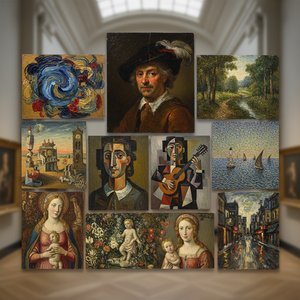
Oil on Board Masters: 10 Paintings That Redefined Art | OriginalUniqueArt
Explore 10 legendary 'Oil on Board' masterpieces by Van Gogh, Monet & more! Discover art history, iconic styles like Impressionism, and find museum-quality reproductions to elevate your home decor. Explore the full collection online at OriginalUniqueArt.com.

The Enduring Legacy of Oil on Canvas: Technique, History & Aesthetic Impact
Explore the rich history & techniques of oil painting – from Renaissance masters to Impressionism. Discover pigments, layering methods, and why this timeless medium endures. Expert insights for artists & art enthusiasts.

The Enduring Power of Painting: A Historical & Contemporary Exploration of Form and Emotion
Explore the rich history & enduring techniques of oil painting with OriginalUniqueArt. Discover masterpieces, learn about art collecting, and find authentic handmade reproductions crafted by skilled artists.
