पूर्वावलोकन देखें
 साझा करें
 साझा करें
 विस्तृत विवरण
 मार्गदर्शिका

 डाउनलोड करें
 समान वस्तुएं
 एक्स-रे
 स्लाइड शो देखें
 प्रश्न और उत्तर
 आंकड़े
Dressing for the Carnival

- 50.0 x 76.0 cm


 पूरा देखें
गिक्ली / आर्ट प्रिंट
तेज़ उत्पादन और विभिन्न फिनिश विकल्पों के साथ म्यूजियम-क्वालिटी गिकली (giclée) या कैनवस प्रिंट। ( इस संग्रहणीय वस्तु की हाथ से बनी प्रतिकृति मंगवाएं डिजिटल इमेज पर स्विच करें)




P118B ₹10

P118H ₹10

P118W ₹10

P438Z ₹10

P508JH ₹12

P508YH ₹12

P805H ₹10

P805Z ₹10

P919BZ ₹10

P919G ₹10

P919XJ ₹10

P959ZH ₹10

P968JZ ₹12

W106C ₹8

W218G ₹10

W218JH ₹8

W218Y ₹10

W307PJ ₹10

W316G ₹10

W316PJ ₹8

W316Y ₹10

W398PJ ₹8

W4111J ₹10

W500HY ₹15

W500JH ₹15

W692G ₹12

W849H ₹8

W940BG ₹15

W953PJ ₹8




कलाकृति के मूल अनुपात से मेल खाने वाले हमारे पूर्व निर्धारित आकारों में से चुनें।

अपने फ्रेम या अपनी दीवार के अनुसार आवश्यक चौड़ाई और ऊंचाई दर्ज करें। प्रिंट को केवल काटा जा सकता है, चित्र से बड़ा कभी नहीं बनाया जा सकता, इसलिए अलग आकार का साइज चित्र का एक हिस्सा खो देता है। किसी भी चीज़ को प्रिंट करने से पहले हम आपकी स्वीकृति के लिए आपको एक डिजिटल मॉकअप भेजते हैं। इस पृष्ठ पर दिखाया गया चित्र वास्तविक कटिंग नहीं दिखाता है — केवल मॉकअप ही इसे दर्शाता है।
विश्वव्यापी डिलीवरी (), मानक 4/5 सप्ताह के बजाय मात्र 2 सप्ताह में। (8 नवमबर)

दुनिया भर में मुफ़्त एक्सप्रेस शिपिंग

उच्च गुणवत्ता वाला लिनेन कैनवास

पूर्ण शिपिंग बीमा

सीमा शुल्क और आयात कर वापसी की गारंटी

सटीक रंग मिलान की गारंटी

100 दिनों की वापसी नीति (केवल दोष होने पर)

100% पैसे वापसी की गारंटी

थोक छूट का अवसर
 ग्लास का विकल्प केवल 110 सेमी से कम आकार में ही उपलब्ध है।

Dressing for the Carnival
गिक्ली / आर्ट प्रिंट
प्रतिकृति का आकार
-


कुल देय राशि
₹ 7846
A Moment of Transition: Winslow Homer’s “Dressing for the Carnival”
Winslow Homer's "Dressing for the Carnival," painted in 1877, isn’t merely a depiction of a festive gathering; it’s a poignant meditation on cultural displacement and the evolving spirit of America. This oil painting, measuring just over a foot square, immediately draws the viewer into a scene brimming with quiet anticipation – a snapshot frozen in time as a group prepares to celebrate the Fourth of July. Homer masterfully captures not the boisterous revelry often associated with such events, but rather a moment of focused preparation, imbued with a subtle undercurrent of melancholy and transformation.
The painting’s central figure is a man being adorned in elaborate costume – a Harlequin-like character reminiscent of European comic theater. Notice the deliberate layering of fabrics: strips of vibrant yellow, red, and blue are meticulously sewn onto his attire, drawing directly from African ceremonial dress and the traditions of Jonkonnu, a Caribbean festival celebrated by enslaved people in Virginia and North Carolina. This blending of influences is crucial to understanding Homer’s intent; he isn't simply portraying a party; he’s illustrating how elements of African culture were being integrated – sometimes awkwardly, sometimes with a sense of loss – into the burgeoning American identity following emancipation.
Realism in Detail: Technique and Composition
Homer’s signature Realist style is powerfully evident here. He eschews romanticized depictions, opting instead for an almost photographic level of detail. The textures of the fabrics—the rough weave of burlap, the delicate folds of silk—are rendered with astonishing accuracy. The artist's use of light and shadow creates a sense of depth and immediacy, pulling us into the scene as if we are witnesses to this intimate ritual. Observe how he subtly emphasizes the faces of the women involved in the dressing process – their expressions conveying both concentration and a quiet awareness of the historical context.
The composition itself is carefully orchestrated. The arrangement of figures—some clustered closely, others positioned further back—creates a dynamic sense of movement and interaction. A horse stands patiently in the background, adding to the lively atmosphere without dominating the scene. Homer’s strategic use of space directs our eye towards the central figure, reinforcing his importance within the narrative. The limited palette – dominated by earthy tones punctuated by bursts of color – further enhances the painting's visual impact.
Historical Context and Symbolic Weight
“Dressing for the Carnival” was originally titled “Sketch–4th of July in Virginia,” reflecting its origins during Homer’s time as an artist-correspondent documenting life in the South following the Civil War. This period was marked by profound social upheaval and a complex negotiation between Reconstruction ideals and the realities of racial inequality. The painting's creation coincided with a brief period of legal rights for African Americans, but also with widespread discrimination and violence. The inclusion of elements from Jonkonnu—a tradition rooted in African cultural heritage—highlights the displacement experienced by formerly enslaved people as they sought to maintain their traditions within a rapidly changing society.
Consider the symbolism of the Liberty Cap adorning the Harlequin figure’s head – a potent emblem of freedom and revolution. Yet, juxtaposed with the preparation for a celebratory event, it subtly suggests the ongoing struggle for true liberation. The painting isn't simply celebrating a holiday; it’s quietly acknowledging the complexities and contradictions inherent in America’s journey towards equality.
A Legacy of Observation: Relevance Today
“Dressing for the Carnival” remains remarkably relevant today, serving as a powerful reminder of the importance of cultural exchange and the enduring impact of historical events. Homer's ability to capture the essence of everyday life—and to imbue it with profound social commentary—continues to resonate with contemporary artists. The painting’s exploration of identity, displacement, and the blending of traditions offers valuable insights into our own increasingly diverse and interconnected world. It is a testament to Homer’s genius that this seemingly simple scene holds such depth and significance.
प्रश्न और उत्तर
American Realism की कृति "Dressing for the Carnival" किस भावना को व्यक्त करती है?
"Dressing for the Carnival" की Melancholic भावना इसकी American Realism शैली के साथ समाहित है।
"Dressing for the Carnival" के लिए कहाँ और किस उपयोग हेतु सुझाव दिया जाता है?
"Dressing for the Carnival" को Statement के लिए सुझाया गया है, और इसके लिए अनुशंसित स्थान एक Living Room है।
क्या "Dressing for the Carnival" का हाई-रिज़ॉल्यूशन डाउनलोड उपलब्ध है?
"Dressing for the Carnival" उच्च-रिज़ॉल्यूशन वाली डिजिटल इमेज डाउनलोड के रूप में उपलब्ध है, जिसे सीधे इसके डिजिटल चित्र पेज से खरीदा जा सकता है।
कलाकार की जीवनी
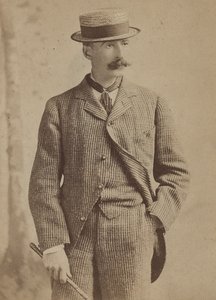
विन्सलो होमर: अमेरिकी आत्मा का एक चित्रकार
विन्सलो होमर, जिनका जन्म 1836 में बोस्टन में हुआ था, पारंपरिक यूरोपीय कला अकादमियों द्वारा आकार दिए गए कई समकालीनों के विपरीत, एक विशिष्ट अमेरिकी अनुभव से उभरे। उनका सफर भव्य ऐतिहासिक कैनवस के साथ शुरू नहीं हुआ, बल्कि बारह साल की उम्र में हार्पर वीकली के लिए एक वाणिज्यिक चित्रकार के रूप में शुरू हुआ। यह प्रारंभिक प्रशिक्षुता उनके काम का आधार बनी, स्पष्टता और विवरण के साथ दृश्यों को कैप्चर करने की असाधारण क्षमता को निखारना – कौशल जो उनकी परिपक्व कृतियों की hallmarks बन जाएंगे। वे पेरिस में परिप्रेक्ष्य नहीं सीख रहे थे; वे अमेरिका को देख रहे थे, उसके लोगों को और इसके उभरती हुई कहानी को। बोस्टन की हलचल भरी सड़कें, ग्रामीण न्यू इंग्लैंड जीवन की शांत गरिमा - ये उनके पहले विषय थे, प्रिंट मीडिया की मांगों के लिए आवश्यक सटीकता के साथ प्रस्तुत किए गए। इस नींव ने उन्हें पेंटिंग में परिवर्तन करने की अनुमति दी, शुरू में जलरंग में, इससे पहले कि वे तेल रंगों की अभिव्यंजक क्षमता को पूरी तरह से अपना सकें।ग्रामीण दृश्यों से प्रकृति की कच्ची शक्ति तक
होमर के शुरुआती चित्रों में अक्सर सुखद दृश्य चित्रित किए जाते थे - बच्चे खेलते हैं, किसान अपनी जमीन की देखभाल करते हैं, घरेलू जीवन के शांत क्षण। ये काम, हालांकि आकर्षक, एक गहरी कलात्मक संवेदनशीलता का संकेत देते थे जो उजागर होने की प्रतीक्षा कर रही थी। इस परिवर्तन को उत्प्रेरित करने वाला निश्चित रूप से गृहयुद्ध था। हार्पर वीकली के लिए युद्ध संवाददाता के रूप में, होमर ने संघर्ष की क्रूर वास्तविकताओं को प्रत्यक्ष रूप से देखा। उन्होंने वीर लड़ाइयों या भव्य रणनीतियों पर ध्यान केंद्रित नहीं किया; इसके बजाय, उन्होंने सैनिकों और नागरिकों के रोजमर्रा के जीवन का दस्तावेजीकरण किया, अराजकता के बीच शोक और लचीलापन के शांत क्षणों को कैद किया। इस अनुभव ने उनके कलात्मक दृष्टिकोण को गहराई से बदल दिया। ग्रामीण दृश्य अधिक चुनौतीपूर्ण विषयों को रास्ता देते हैं: आघात से जूझ रहे दिग्गजों, एक नई दुनिया में नेविगेट करने वाले मुक्त दासों और कठिनाई से छूटे परिदृश्यों की कठोर सुंदरता। उन्होंने संघर्ष, अलगाव और प्रकृति के साथ मानवता के नाजुक संबंध जैसे विषयों का पता लगाना शुरू कर दिया - विषय जो उनकी सबसे शक्तिशाली कृतियों पर हावी रहेंगे। उनके शैली भी विकसित हुई, बोल्ड और अधिक प्रत्यक्ष हो गई, जो उन्होंने देखा था उसकी भावनात्मक प्रभाव को दर्शाती है।प्रकाश, बनावट और अमेरिकी परिदृश्य में महारत हासिल करना
विन्सलो होमर की कलात्मक तकनीक अपनी ठोसता और बनावट के लिए तुरंत पहचानने योग्य है। वे क्षणभंगुर छाप में रुचि नहीं रखते थे; वे कैनवास पर मूर्त वास्तविकता की भावना का निर्माण करना चाहते थे। उनके तेल चित्रों को प्रत्यक्ष पेंटिंग दृष्टिकोण द्वारा चिह्नित किया गया है - आत्मविश्वास से लागू रंगों की परतें, गहराई और चमक पैदा करती हैं। उन्होंने प्रकाश को कैप्चर करने की असाधारण क्षमता रखी, चाहे वह समुद्र पर सूर्य की शानदार चमक हो या ग्रामीण परिदृश्य पर गोधूलि का नरम चमक। यह महारत उनके जलरंगों तक फैली हुई थी, जहां उन्होंने जीवंत रंगों और नाजुक धुलाई के माध्यम से उल्लेखनीय वायुमंडलीय प्रभाव प्राप्त किए। ब्रीजिंग अप (ए फेयर विंड), 1876 में चित्रित, इस कौशल का एक विशिष्ट चित्रण है - अमेरिकी समुद्री जीवन का एक आदर्श चित्र, ऊर्जा और गति से भरा हुआ है। दशकों बाद बनाया गया द गल्फ स्ट्रीम शायद उनकी सबसे प्रतिष्ठित कृति है, जो एक आदमी के प्रकृति की ताकतों के खिलाफ जूझने का एक शक्तिशाली और प्रतीकात्मक चित्रण है, जो भारी बाधाओं के सामने मानव संघर्ष के लिए एक रूपक है। वे केवल वही चित्रित नहीं कर रहे थे जो उन्होंने देखा था; वे एक भावना, मानव स्थिति के बारे में एक भावनात्मक सच्चाई संप्रेषित कर रहे थे।अमेरिकी यथार्थवाद में निर्मित विरासत
हालांकि होमर ने बारबाइजोन स्कूल के कलाकारों जैसे यूरोपीय कलाकारों की प्रशंसा की - जो ग्रामीण जीवन के यथार्थवादी चित्रण के लिए जाने जाते हैं - और कोर्टे और मिल्लेट से प्रभाव को स्वीकार किया, उन्होंने अंततः अपना एक विशिष्ट अमेरिकी मार्ग प्रशस्त किया। उन्होंने प्रचलित अकादमिक सम्मेलनों को अस्वीकार कर दिया और इसके बजाय अपने देश की अनूठी भावना को कैप्चर करने पर ध्यान केंद्रित किया। उनकी विरासत अपनी ईमानदारी और प्रामाणिकता के साथ अमेरिका को चित्रित करने की क्षमता में निहित है, इसे रोमांटिक या आदर्श बनाने से परहेज करते हुए। वे यूरोपीय शैलियों की नकल करने में रुचि नहीं रखते थे; वे एक ऐसी कला बनाना चाहते थे जो विशुद्ध रूप से अमेरिकी हो, अपने परिदृश्यों, अपने लोगों और अपनी चुनौतियों को दर्शाती हो। इन्नोसेंस, प्रकृति के खिलाफ स्थापित बचपन के चित्रण का एक मार्मिक चित्रण, और मैन ऑफ साइंस, मानव मनोविज्ञान को कैप्चर करने में उनकी क्षमता का प्रदर्शन करते हुए, इस प्रतिबद्धता के प्रमाण हैं। बाद के अमेरिकी चित्रकारों पर उनका प्रभाव देखा जा सकता है जो समान प्रत्यक्षता और भावनात्मक गहराई के साथ अपने देश को चित्रित करने की मांग करते थे।एक स्थायी छाप: होमर का ऐतिहासिक महत्व
विन्सलो होमर की कला 19 वीं शताब्दी के अमेरिका में एक गहन खिड़की प्रदान करती है, जो उस समय के सामाजिक, राजनीतिक और सांस्कृतिक परिदृश्य में अमूल्य अंतर्दृष्टि प्रदान करती है। उनके चित्रों न केवल सुंदर प्रतिनिधित्व हैं; वे मानव लचीलापन, प्रकृति की सुंदरता और शक्ति और अमेरिकी अनुभव की जटिलताओं के बारे में शक्तिशाली बयान हैं। 1910 में उनकी मृत्यु हो गई, जिससे एक विपुल रचना पीछे छूट गई जो आज भी दर्शकों को प्रेरित करती रहती है। उन्होंने तेजी से बदल रहे राष्ट्र को चित्रित करने की क्षमता सुनिश्चित करती है कि वह अमेरिका के सबसे महत्वपूर्ण और स्थायी कलाकारों में से एक के रूप में अपनी जगह बनाए रखें। वे सिर्फ चित्र नहीं बना रहे थे; वे एक पल को दस्तावेजीकरण कर रहे थे, आने वाली पीढ़ियों के लिए इसे संरक्षित कर रहे थे।- उनकी कला समकालीन कलाकारों को प्रेरित करती रहती है।
- होमर अमेरिकी यथार्थवाद के विकास में एक महत्वपूर्ण व्यक्ति बने हुए हैं।
विन्सलो होमर
1836 - 1910 , संयुक्त राज्य अमेरिका
प्रमुख तथ्य
- कलात्मक शैली: अमेरिकी यथार्थवाद
- जन्म तिथि: 24 फरवरी 1836
- जन्म स्थान: बोस्टन, संयुक्त राज्य अमेरिका
- पूरा नाम: विन्सलो होमर
- प्रभावित आंदोलन: ['अमेरिकी चित्रकार']
- प्रभावित कलाकार:
- गुस्ताव कोर्टे
- जीन-फ्रांकोइस मिल्लेट
- प्रमुख कलाकृतियाँ:
- ब्रीज़िंग अप
- गल्फ स्ट्रीम
- इनोसेंस
- मैन ऑफ़ साइंस
- मृत्यु तिथि: 29 सितंबर 1910
- राष्ट्रीयता: अमेरिकी
संबंधित लेख

बोस्टन ललित कला संग्रहालय की शीर्ष 25 उत्कृष्ट कृतियाँ: कला और संस्कृति का खजाना
बोस्टन ललित कला संग्रहालय की शीर्ष 25 उत्कृष्ट कृतियों का अन्वेषण करें! प्रसिद्ध कलाकारों, कला इतिहास और भावनात्मक रंग पैलेट के साथ दीवार कला प्रेरणा पाएं। उच्च गुणवत्ता वाले कला पुनरुत्पादन और घर की सजावट के लिए OriginalUniqueArt.com पर खोजें।

American Realism's Defining Works: 10 Masterpieces for Your Home
Explore 10 defining American Realism masterpieces – Hopper, Homer & more. Discover the stories behind these iconic paintings and bring timeless art to your home with OriginalUniqueArt's museum-quality reproductions. Explore the full collection online.

Grant Wood & American Regionalism: Identity, Myth & the Rural Landscape
Explore the world of Grant Wood & American Regionalism with OriginalUniqueArt. Discover the symbolism behind 'American Gothic', recurring themes, and the movement's lasting impact on art history. High-quality reproductions available.

American Regionalism: The Soul of the Heartland and the Mastery of Grant Wood
Explore the profound history of American Regionalism. Discover how Grant Wood captured the heart of the Midwest through masterpieces like American Gothic. An expert guide to the movement, its cultural impact, and the enduring beauty of American Realism.
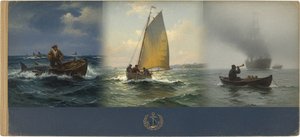
विंसलो होमर की शीर्ष 25 कलाकृतियाँ: अमेरिकी आत्मा का चित्रण | OriginalUniqueArt
विंसलो होमर की शीर्ष 25 कलाकृतियों का अन्वेषण करें! अमेरिकी चित्रकला के दिग्गजों की जल रंग और तेल चित्रों से भरी यह संग्रह, ग्रामीण जीवन और समुद्री दृश्यों को जीवंत करता है। OriginalUniqueArt.com पर उच्च गुणवत्ता वाले प्रिंट खोजें।