

 पूर्वावलोकन देखें
 साझा करें
 साझा करें
 विस्तृत विवरण

 डाउनलोड करें
 समान कलाकृतियाँ
 एक्स-रे
 स्लाइड शो देखें
Two Figures
 Acrylic On Canvas
- WallArt
- Abstract Expressionism
 1964
1964 74.0 x 58.0 cm
 पूरा देखें
गिक्ली / आर्ट प्रिंट
तेज़ उत्पादन और विभिन्न फिनिश विकल्पों के साथ म्यूजियम-क्वालिटी गिकली (giclée) या कैनवस प्रिंट। ( हाथ से बनी पेंटिंग पर स्विच करें इमेज पर बदलें)




P118B $10

P118H $10

P118W $10

P438Z $10

P508JH $12

P508YH $12

P805H $10

P805Z $10

P919BZ $10

P919G $10

P919XJ $10

P959ZH $10

P968JZ $12

W106C $8

W218G $10

W218JH $8

W218Y $10

W307PJ $10

W316G $10

W316PJ $8

W316Y $10

W398PJ $8

W4111J $10

W500HY $15

W500JH $15

W692G $12

W849H $8

W940BG $15

W953PJ $8




कलाकृति के मूल अनुपात से मेल खाने वाले हमारे पूर्व निर्धारित आकारों में से चुनें।

आप किसी विशिष्ट फ्रेम या स्थान के अनुसार अपने स्वयं के आयाम (dimensions) दर्ज कर सकते हैं। यदि आपके द्वारा चुना गया आकार मूल छवि के अनुपात से मेल नहीं खाता है, तो हम कलाकृति को क्रॉप कर देंगे या मिरर किए गए या सॉलिड-फिल किनारे के साथ छवि का विस्तार करेंगे। उत्पादन शुरू होने से पहले आपकी स्वीकृति के लिए एक डिजिटल मॉकअप भेजा जाएगा।
कृपया ध्यान दें कि स्क्रीन पर दिखने वाला प्रीव्यू वास्तविक क्रॉपिंग या विस्तार को नहीं दर्शाता है। केवल मॉकअप ही अंतिम संरचना को सटीक रूप से दिखाएगा।
हालाँकि कस्टम आकार उपलब्ध हैं, फिर भी हम मूल अनुपात बनाए रखने के लिए पूर्व-निर्धारित सूची में से एक आयाम चुनने की सलाह देते हैं।
विश्वव्यापी डिलीवरी (), मानक 4/5 सप्ताह के बजाय मात्र 2 सप्ताह में। (5 अगस्त)

दुनिया भर में मुफ़्त एक्सप्रेस शिपिंग

उच्च गुणवत्ता वाला लिनेन कैनवास

पूर्ण शिपिंग बीमा

सीमा शुल्क और आयात कर वापसी की गारंटी

सटीक रंग मिलान की गारंटी

60-दिन की वापसी नीति (केवल दोषों के लिए)

100% पैसे वापसी की गारंटी

थोक छूट का लाभ
 ग्लास का विकल्प केवल 110 सेमी से कम आकार में ही उपलब्ध है।

Two Figures
गिक्ली / आर्ट प्रिंट
प्रतिकृति का आकार
-


कुल देय राशि
$ 80
संग्रहणीय वस्तु का विवरण
A Portrait of Turbulent Emotion: Willem de Kooning’s “Two Figures”
The painting "Two Figures," executed in 1964 by Willem de Kooning, stands as a cornerstone of Abstract Expressionism and embodies the artist's signature approach to conveying profound psychological states. Measuring 74 x 58 cm, this monumental canvas immediately commands attention with its visceral energy and unsettling beauty—a testament to De Kooning’s unwavering commitment to capturing raw emotion rather than adhering to representational conventions.Style and Technique: Action Painting Unleashed
De Kooning's style is undeniably “action painting,” a technique pioneered by him alongside Jackson Pollock and others during the postwar period. Unlike traditional painting methods focused on meticulous detail, action painting prioritizes spontaneous gesture and physicality. In "Two Figures," thick impasto—meaning paint applied in heavily textured layers—dominates the surface, creating ridges and valleys that seem to pulsate with movement. Brushstrokes are aggressive, slashing across the canvas with furious energy, conveying a sense of unrestrained impulse and psychological turmoil. The artist deliberately avoids blending colors seamlessly; instead, he juxtaposes contrasting hues – reds, yellows, and blues – creating visual dissonance that mirrors the emotional complexity depicted within the composition.Historical Context: Navigating Postwar Anxiety
“Two Figures” emerged during a period marked by significant social upheaval following World War II. The anxieties of the time—the Cold War tensions, the threat of nuclear annihilation—found their reflection in the art world’s preoccupation with existential concerns. De Kooning himself wrestled with personal demons throughout his life, and “Two Figures” is widely interpreted as an exploration of these internal struggles. It reflects a broader artistic impulse to confront uncomfortable truths about human experience – fear, vulnerability, and the inherent instability of identity—themes that resonated deeply with audiences grappling with the uncertainties of their era.Symbolism: Fragmented Forms Reflect Inner Conflict
The figures themselves are deliberately fragmented and distorted, symbolizing the disintegration of psychological wholeness. Their poses convey a sense of precariousness and imbalance, mirroring the artist’s own preoccupation with confronting inner contradictions. The surrounding objects—a vase and what appears to be a draped cloth—add layers of symbolic meaning. These elements could represent domestic tranquility juxtaposed against internal conflict, or perhaps they serve as visual anchors amidst the swirling chaos of emotion. The deliberate lack of clarity invites contemplation on themes of repression, desire, and the elusive nature of perception.Emotional Impact: A Window Into the Artist’s Soul
Ultimately, “Two Figures” succeeds in transporting viewers into De Kooning's inner world—a realm characterized by intense feeling and unresolved tension. The painting evokes a profound sense of unease and vulnerability, prompting reflection on the complexities of human emotion and the challenges inherent in achieving psychological equilibrium. It is not merely an image; it’s an experience—a visceral confrontation with the darker recesses of the human psyche that continues to captivate audiences decades after its creation. Its enduring power lies in its ability to communicate unspoken anxieties and desires, cementing De Kooning's legacy as one of the most influential artists of the 20th century.कलाकार का जीवन परिचय
विलियम डी कुनिंग: अमूर्त अभिव्यक्तिवाद के एक पथप्रदर्शक
विलियम डी कुनिंग, जिनका जन्म 1904 में रॉटरडैम, नीदरलैंड्स में हुआ था, 20वीं सदी के सबसे प्रभावशाली अमेरिकी कलाकारों में से एक थे। उनका नाम अमूर्त अभिव्यक्तिवाद (Abstract Expressionism) के साथ अटूट रूप से जुड़ा हुआ है, जो युद्ध के बाद की कला का एक क्रांतिकारी आंदोलन था जिसने न्यूयॉर्क शहर को कलात्मक केंद्र के रूप में स्थापित करने में महत्वपूर्ण भूमिका निभाई। कुनिंग का जीवन एक निरंतर खोज और परिवर्तन की यात्रा थी, जो नीदरलैंड्स के अपने विनम्र मूल से लेकर न्यूयॉर्क शहर की जीवंत ऊर्जा तक फैली हुई थी, जहाँ उन्होंने अपनी अनूठी कलात्मक भाषा विकसित की। उनके शुरुआती वर्षों को पारिवारिक विघटन और औपचारिक शिक्षा की कमी ने चिह्नित किया था, लेकिन इन चुनौतियों ने उन्हें पारंपरिक सीमाओं को तोड़ने और अपनी रचनात्मकता को स्वतंत्र रूप से व्यक्त करने के लिए प्रेरित किया। वाणिज्यिक कला में एक प्रशिक्षुता ने उन्हें तकनीकी कौशल प्रदान किया, जबकि शाम की कक्षाओं ने उनकी कलात्मक नींव को मजबूत किया। 1926 में अमेरिका का साहसिक कदम उनके जीवन का एक निर्णायक क्षण था, जहाँ उन्होंने एक नई दुनिया और असीम संभावनाएं पाईं।शहरी दृश्यों से अमूर्त क्रोध तक: कलात्मक विकास
कनिंग के शुरुआती चित्रों में न्यूयॉर्क शहर के शहरी परिदृश्य और लोगों को दर्शाया गया है, जो उस समय की गतिशील ऊर्जा को पकड़ते हैं। हालाँकि, ये चित्र केवल प्रारंभिक चरण थे, जो उन्हें अधिक गहन भावनात्मक और रूप-रचनात्मक खोजों की ओर ले गए। आर्शिल गॉर्की (Arshile Gorky) से उनका संबंध परिवर्तनकारी साबित हुआ, जिसने उन्हें अमूर्तता के साथ प्रयोग करने के लिए प्रोत्साहित किया। 1930 के दशक में, उन्होंने वर्क्स प्रोग्रेस एडमिनिस्ट्रेशन (WPA) के माध्यम से सामाजिक यथार्थवाद और भित्ति चित्रों पर काम किया, जिससे उनके कौशल को निखारने का अवसर मिला, लेकिन यह भी स्पष्ट हो गया कि विशुद्ध रूप से प्रतिनिधित्व करने वाली कला की सीमाएँ क्या हैं। स्टुअर्ट डेविस (Stuart Davis) और जॉन ग्राहम (John Graham) जैसे कलाकारों के कार्यों ने उन्हें प्रेरित किया, जो अपनी सीमाओं को आगे बढ़ा रहे थे। धीरे-धीरे, उन्होंने एक अधिक अमूर्त शब्दावली विकसित की, पारंपरिक मानदंडों को चुनौती दी और कलात्मक सत्य की अथक खोज की।"महिला" श्रृंखला: एक मील का पत्थर
द्वितीय विश्व युद्ध के बाद, कुनिंग अमूर्त अभिव्यक्तिवाद आंदोलन में एक प्रमुख व्यक्ति के रूप में उभरे। इस अवधि ने उनकी "महिला" श्रृंखला (1950-1953) को जन्म दिया, जो कला इतिहास में एक महत्वपूर्ण उपलब्धि है। ये चित्र केवल महिला आकृतियों का चित्रण नहीं हैं; वे स्त्रीत्व, कामुकता और मानव भावनाओं की जटिलताओं की गहन खोज हैं। मोटे, भारी ब्रशस्ट्रोक, खंडित रूपों और रंगों के चौंकाने वाले संयोजन से चिह्नित, "महिला" श्रृंखला ने सौंदर्य के पारंपरिक विचारों को चुनौती दी और पश्चिमी मानकों पर पुरुष यौन कल्पनाओं और चिंताओं का पता लगाया। ये चित्र विवादास्पद थे, कुछ लोगों के लिए सदमे की बात थी, लेकिन उनकी शक्ति इसी में निहित थी कि वे अनुरूपता से इनकार करते थे। कुनिंग आदर्शित छवियों को बनाने में रुचि नहीं रखते थे; उन्होंने अपने विषयों के कच्चे, अनियंत्रित सार को पकड़ने की मांग की। "महिला" श्रृंखला के अलावा, *द ग्लेज़ियर* और *खुदाई* जैसे कार्यों ने उनके गतिशील दृष्टिकोण का प्रदर्शन किया, बनावट, रंग और रचना पर महारत हासिल करने का प्रमाण दिया।बदलते परिदृश्य और स्थायी विरासत
1960 के दशक में, कुनिंग की शैली में एक महत्वपूर्ण बदलाव आया। जबकि अमूर्तता उनकी कला के केंद्र में बनी रही, परिदृश्य तत्वों ने अधिक प्रमुख भूमिका निभाना शुरू कर दिया, अक्सर उज्ज्वल रंगों और अधिक तरल ब्रशस्ट्रोक के साथ प्रस्तुत किया गया। उन्होंने अपने जीवन भर लगातार प्रयोग करते रहे, विभिन्न तकनीकों और सामग्रियों का पता लगाया, कभी भी अपनी उपलब्धियों पर आराम करने से इनकार करते हुए। उनके बाद के कार्यों में खुद को नया रूप देने की एक उल्लेखनीय क्षमता प्रदर्शित होती है, जबकि उनकी मूल कलात्मक सिद्धांतों के प्रति सच्चे रहते हैं। विलियम डी कुनिंग का ऐतिहासिक महत्व निर्विवाद है। उन्होंने न्यूयॉर्क शहर को एक वैश्विक कला केंद्र के रूप में स्थापित करने में मदद की, यूरोपीय परंपराओं पर हावी होने की चुनौती दी और भविष्य की पीढ़ियों के कलाकारों के लिए मार्ग प्रशस्त किया। उनकी कला आज भी विस्मय और बहस पैदा करती है, जो हमें याद दिलाती है कि अमूर्तता गहन भावनात्मक सत्यों को व्यक्त करने की शक्ति रखती है। 1997 में उनका निधन हो गया, लेकिन उन्होंने एक विशाल और प्रभावशाली कार्य छोड़ दिया जो 20वीं सदी के सबसे महत्वपूर्ण अमेरिकी कलाकारों में से एक के रूप में उनकी स्थायी विरासत का प्रमाण है।उनकी छाप आज भी गूंजती है।
विलेम डी कुनिग
1904 - 1997 , नीदरलैंड
मुख्य तथ्य
- कलात्मक शैली: अमूर्त अभिव्यक्तिवाद
- जन्म तिथि: 24 अप्रैल 1904
- जन्म स्थान: रोटरडैम, नीदरलैंड्स
- पूरा नाम: विलेम डी कुनिंग
- प्रभावित आंदोलन: ['न्यूयॉर्क स्कूल']
- प्रभावित कलाकार:
- आर्शिले गोर्की
- स्टुअर्ट डेविस
- जॉन ग्राहम
- प्रमुख कलाकृतियाँ:
- महिला I
- मैरीलिन मोनरो
- reclining मैन (जेएफके)
- उत्खनन
- मृत्यु तिथि: 19 मार्च 1997
- राष्ट्रीयता: डच-अमेरिकी
संबंधित लेख

फ्रांसिस्को गोया की शीर्ष 25 कलाकृतियाँ: इतिहास, कहानी और सजावट के लिए प्रेरणा
फ्रांसिस्को गोया की शीर्ष 25 कलाकृतियों का अन्वेषण करें! स्पेनिश कला, ऐतिहासिक चित्र और भावनात्मक गहराई से भरी पेंटिंग देखें। घर की सजावट के लिए प्रेरणा पाएं और OriginalUniqueArt.com पर उच्च गुणवत्ता वाले कला पुनरुत्पादन खरीदें।

अमूर्त अभिव्यंजनावाद: शीर्ष 10 कलाकृतियाँ जिन्होंने परिभाषित किया कला की दुनिया
अमूर्त अभिव्यंजनावाद की 10 उत्कृष्ट कृतियाँ जानें! पोलक, रोथको जैसे कलाकारों के अनूठे रंगों और भावनाओं का अनुभव करें। OriginalUniqueArt.com पर कला इतिहास की गहराई में जाएँ और अपने घर के लिए अद्वितीय सजावट खोजें। ऑनलाइन संग्रह देखें!

Willem de Kooning: Abstraction, Gesture & the Evolution of Post-War American Painting
Explore the evolution of Willem de Kooning's iconic Abstract Expressionist paintings. Discover his signature style, key themes & investment potential with expert insights for discerning art collectors.

Kandinsky's Masterpieces: 25 Paintings That Define Abstract Art | OriginalUniqueArt
Journey through Wassily Kandinsky's 25 most iconic abstract paintings. Explore his revolutionary use of color, form & spiritual expressionism. Find museum-quality Kandinsky reproductions and elevate your home decor with OriginalUniqueArt.com. Discover all masterpieces on OriginalUniqueArt.com!
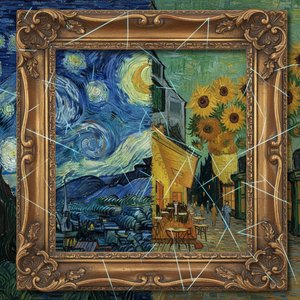
विन्सेंट वैन गॉग की 25 उत्कृष्ट कृतियाँ: कला और प्रेरणा का सफर | OriginalUniqueArt
विन्सेंट वैन गॉग की 25 सर्वश्रेष्ठ पेंटिंग! पोस्ट-इंप्रेशनिज्म के जादू और भावनात्मक रंगों का अनुभव करें। स्टार्री नाइट से सनफ्लॉवर तक, कला इतिहास जानें और अपने घर को OriginalUniqueArt.com पर अद्वितीय कलाकृतियों से सजाएं।



