पूर्वावलोकन देखें
 भेजें
भेजें साझा करें
 विवरण देखें
 मार्गदर्शिका

 डाउनलोड करें
 समान वस्तुएं
 एक्स-रे
 स्लाइड शो देखें
 आंकड़े
Untitled


 और पढ़ें
गिक्ली / आर्ट प्रिंट
तेज़ उत्पादन और विभिन्न फिनिश विकल्पों के साथ म्यूजियम-क्वालिटी गिकली (giclée) या कैनवस प्रिंट। ( हाथ से बनी पेंटिंग खरीदें डिजिटल इमेज पर जाएँ)




P118B ₹10

P118H ₹10

P118W ₹10

P438Z ₹10

P508JH ₹12

P508YH ₹12

P805H ₹10

P805Z ₹10

P919BZ ₹10

P919G ₹10

P919XJ ₹10

P959ZH ₹10

P968JZ ₹12

W106C ₹8

W218G ₹10

W218JH ₹8

W218Y ₹10

W307PJ ₹10

W316G ₹10

W316PJ ₹8

W316Y ₹10

W398PJ ₹8

W4111J ₹10

W500HY ₹15

W500JH ₹15

W692G ₹12

W849H ₹8

W940BG ₹15

W953PJ ₹8




कलाकृति के मूल अनुपात से मेल खाने वाले हमारे पूर्व निर्धारित आकारों में से चुनें।

अपने फ्रेम या अपनी दीवार के अनुसार आवश्यक चौड़ाई और ऊंचाई दर्ज करें। प्रिंट को केवल काटा जा सकता है, चित्र से बड़ा कभी नहीं बनाया जा सकता, इसलिए अलग आकार का साइज चित्र का एक हिस्सा खो देता है। किसी भी चीज़ को प्रिंट करने से पहले हम आपकी स्वीकृति के लिए आपको एक डिजिटल मॉकअप भेजते हैं। इस पृष्ठ पर दिखाया गया चित्र वास्तविक कटिंग नहीं दिखाता है — केवल मॉकअप ही इसे दर्शाता है।
विश्वव्यापी डिलीवरी (), मानक 4/5 सप्ताह के बजाय मात्र 2 सप्ताह में। (23 अक्टूबर)

दुनिया भर में मुफ़्त एक्सप्रेस शिपिंग

प्रीमियम ग्रेड लिनेन कैनवास

पूर्ण शिपिंग बीमा

सीमा शुल्क और आयात कर वापसी की गारंटी

सटीक रंग मिलान की गारंटी

100 दिनों की वापसी नीति (केवल निर्माण दोष होने पर)

100% पैसे वापसी की गारंटी

थोक छूट का अवसर
 ग्लास का विकल्प केवल 110 सेमी से कम आकार में ही उपलब्ध है।

Untitled
गिक्ली / आर्ट प्रिंट
प्रतिकृति का आकार
-


कुल मूल्य
₹ 7681
The Genesis of Abstraction: Unveiling "Untitled"
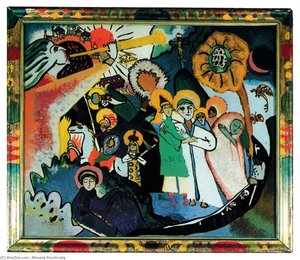
Wassily Kandinsky's “Untitled,” painted in 1915, isn’t merely a depiction of a scene; it’s an immersion into the nascent world of abstract expression. Born from a confluence of profound experiences – the visceral impact of Claude Monet’s “Haystacks,” and the transcendent power of Wagner’s opera – Kandinsky embarked on a radical journey to liberate art from representational constraints. This particular canvas, a watercolor executed during a pivotal period in his artistic evolution, embodies this shift with breathtaking intensity. It's a testament to the belief that color itself could communicate emotion and spiritual truth, a core tenet of Kandinsky’s developing philosophy.
The painting immediately draws the eye to its central figure: a woman engaged in an act of musical creation. She is not simply playing an instrument; she's channeling something deeper – a vibrant energy that seems to radiate outwards. The violin or guitar, though partially obscured, acts as a conduit for this force, suggesting a connection between sound and visual form. Around her swirl other figures, fragments of human interaction, hinting at a communal experience rooted in artistic expression. These aren’t portraits in the traditional sense; they are embodiments of feeling, rendered through simplified shapes and dynamic arrangements.
A Palette of Emotion: Color as Language
Kandinsky's masterful use of color is paramount to understanding “Untitled.” The dominant hues – a rich red and a warm yellow – create an immediate sense of dynamism and vitality. These aren’t colors that simply describe objects; they *are* the emotion. Red, often associated with passion and energy, pulsates through the composition, while yellow evokes joy and optimism. Notice how these colors interact, creating areas of tension and harmony, mirroring the complexities of human experience.
- Red’s Intensity: The bold application of red suggests a powerful emotional current, driving the scene forward with an almost palpable force.
- Yellow's Radiance: The yellow areas offer moments of respite and illumination, hinting at underlying hope and spiritual connection.
- Complementary Harmony: The interplay between red and yellow demonstrates Kandinsky’s understanding of color theory – how complementary colors can create visual excitement while maintaining a sense of balance.
Historical Context & Spiritual Intent
Painted in 1915, “Untitled” sits squarely within the context of early modernism and the burgeoning movement towards abstraction. Kandinsky was deeply influenced by theosophy, which posited that art could be a vehicle for accessing higher spiritual realms. He believed that colors possessed inherent symbolic meanings – red representing life force, blue symbolizing spirituality, and so on. This painting reflects his desire to move beyond mere representation and create works that directly evoked these inner states.
The background’s geometric shapes—circles, triangles, and squares—are not merely decorative elements; they are integral to Kandinsky's concept of “spiritual architecture.” He envisioned art as a building in which the soul could find refuge and experience transcendence. These forms, arranged with careful consideration, create a sense of spatial depth and suggest a hidden order beneath the surface chaos.
A Legacy of Inner Vision
“Untitled” is more than just a painting; it’s a window into Kandinsky's revolutionary mind. It represents a pivotal moment in art history – the birth of abstraction as a means of expressing inner experience and spiritual truth. Its enduring appeal lies in its ability to evoke powerful emotions, stimulate the imagination, and invite viewers to contemplate the fundamental relationship between color, form, and consciousness. Reproductions capture only a fraction of this vibrant energy, but they offer a tangible connection to one of art’s most profound pioneers.
प्रश्न और उत्तर
Expressionism की कृति "Untitled" किस भावना को व्यक्त करती है?
"Untitled" की Spiritual भावना इसकी Expressionism शैली के साथ समाहित है।
क्या मैं खरीदने से पहले अपनी दीवार पर वासिली वासिलीविच कैंडिंस्की द्वारा "Untitled" को देख सकता हूँ?
"Untitled" में एक ऑगमेंटेड रियलिटी प्रीव्यू उपलब्ध है: कलाकृति का एआर प्रीव्यू पेज एक संगत डिवाइस पर इसे आपके अपने स्थान में दिखाता है।
"Untitled" कब और किन सामग्रियों से बनाया गया था?
"Untitled" का निर्माण 1915 में Acrylic On Canvas तकनीक का उपयोग करके किया गया था। सामग्री और तिथि यह बताते हैं कि मूल कृति कैसे और कब बनाई गई थी।
कलाकार का परिचय
एक रंग और आत्मा में डूबी हुई जिंदगी
वासिली वासिलीविच कैंडिंस्की, जिनका जन्म 1866 में मास्को में हुआ था, एक क्रांतिकारी व्यक्ति थे जिन्होंने आधुनिक कला के पाठ्यक्रम को अपरिवर्तनीय रूप से बदल दिया। उनका सफर तत्काल कलात्मक बुलावा का नहीं था; शुरू में कानून और अर्थशास्त्र में करियर के लिए नियत, उन्होंने मॉस्को विश्वविद्यालय में अध्ययन किया। लेकिन लगभग तीस साल की उम्र में, क्लाउड मोनेट की "गैंहस्टैक" (Haystacks) को देखने और रिचर्ड वैग्नर के "लोहेनग्रिन" (Lohengrin) ओपेरा का अनुभव करने से उनके भीतर कला के प्रति एक अथाह इच्छा जागृत हुई। यह निर्णायक क्षण न केवल करियर परिवर्तन था, बल्कि दृष्टिकोण में एक पूर्ण बदलाव भी था, जिसने उन्हें अमूर्तता के अग्रणी बनने की राह पर अग्रसर किया। जल्द ही उन्होंने म्यूनिख चले गए, जहाँ वे प्रतिष्ठित फाइन आर्ट्स अकादमी में दाखिला लिया और फ्रांज वॉन स्टक के अधीन अध्ययन किया, हालाँकि औपचारिक प्रशिक्षण के भीतर भी, कैंडिंस्की की आत्मा पारंपरिक सीमाओं से परे अन्वेषण के लिए तरसती थी।
उनकी शुरुआती प्रेरणाओं में 1889 में वोलोडगा क्षेत्र में एक मानवविज्ञान यात्रा से प्राप्त रूसी लोक कला शामिल थी, जिसने उन्हें जीवंत रंग पैलेट और प्रतीकात्मक कल्पना के प्रति आकर्षित किया। यह नींव महत्वपूर्ण साबित होगी क्योंकि उन्होंने अपनी अनूठी कलात्मक भाषा विकसित करना शुरू कर दिया। ये प्रारंभिक अन्वेषण केवल सौंदर्य संबंधी प्राथमिकता के बारे में नहीं थे; वे गहरे सांस्कृतिक संबंध और इस समझ से उपजे थे कि कला शाब्दिक से परे कैसे संवाद कर सकती है। कैंडिंस्की ने रूसी लोक कला की सरलता और प्रतीकात्मकता को अपनाया, जो उनके बाद के अमूर्त कार्यों में रंग और आकार के उपयोग को प्रभावित करेगा। उन्होंने महसूस किया कि कला केवल बाहरी दुनिया का प्रतिनिधित्व करने तक ही सीमित नहीं होनी चाहिए, बल्कि भावनाओं और आध्यात्मिक अनुभवों को व्यक्त करने का एक माध्यम भी हो सकती है।
अभिव्यक्तिवाद से आंतरिक आवश्यकता: अमूर्तता की ओर कदम
कैंडिंस्की के शुरुआती कार्यों में एक मजबूत अभिव्यक्तिवादी प्रवृत्ति दिखाई देती है, जो बोल्ड रंगों और भावनात्मक तीव्रता द्वारा चिह्नित है - "पापेलन (पॉपलर)" (1902) जैसे टुकड़े इस अवधि को दर्शाते हैं। हालाँकि, वे केवल बाहरी दुनिया का प्रतिनिधित्व करने से संतुष्ट नहीं थे; उन्होंने आंतरिक वास्तविकताओं, आध्यात्मिक सत्यों को व्यक्त करना चाहा जो साधारण दृश्य चित्रण से परे थे। यह खोज धीरे-धीरे उन्हें प्रतिनिधित्वपूर्ण कला से दूर ले गई और रंग, रूप और उनकी भावनात्मक प्रतिध्वनि की एक क्रांतिकारी खोज की ओर ले गई। उन्होंने महसूस किया कि रंगों में अंतर्निहित मनोवैज्ञानिक प्रभाव होते हैं, जो दर्शक में विशिष्ट भावनाएँ और संवेदनाएँ पैदा करने में सक्षम होते हैं। यह विश्वास उनके थियोसोफी में बढ़ते रुचि के साथ गहराई से जुड़ा हुआ था, जो गूढ़ ज्ञान और सार्वभौमिक भाईचारे पर जोर देने वाली एक आध्यात्मिक आंदोलन था। जैसे-जैसे उन्होंने इन विचारों में गहराई से उतरना शुरू किया, कैंडिंस्की की पेंटिंगें तेजी से गैर-वस्तुनिष्ठ होती गईं, पहचानने योग्य रूपों को त्यागकर अमूर्त रचनाओं के पक्ष में जो एक "आंतरिक आवश्यकता" द्वारा संचालित थीं। यह केवल प्रतिनिधित्व को छोड़ने के बारे में नहीं था; यह एक नई दृश्य भाषा की खोज करने के बारे में था जो भावना और आध्यात्मिकता के अगम्य क्षेत्रों को व्यक्त करने में सक्षम थी। उन्होंने संगीत के समतुल्य दृश्य बनाने का प्रयास किया, जहाँ रंग और रूप गहरे भावनात्मक प्रतिक्रियाओं को जगाने के लिए सामंजस्यपूर्ण होते हैं।
ज्यामितीय सद्भाव और आध्यात्मिक प्रतिध्वनि
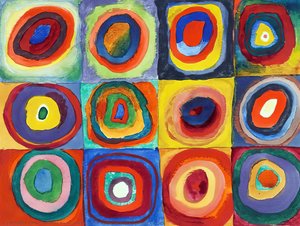
1911 में म्यूनिख में स्थापित प्रभावशाली कलाकार समूह डेर ब्लूए रीटर (द ब्लू राइडर) में उनकी भागीदारी के बाद की अवधि में कैंडिंस्की की शैली में और विकास देखा गया। उनके शुरुआती कार्यों में अक्सर तरल, जैविक आकार होते थे, लेकिन उन्होंने ज्यामितीय अमूर्तता का पता लगाना शुरू कर दिया, वृत्त, त्रिभुज और वर्गों के बीच परस्पर क्रिया पर ध्यान केंद्रित किया। "कई वृत्त" (140 x 140 सेमी) इस चरण का एक उत्कृष्ट उदाहरण है - एक गतिशील रचना जहाँ रंग और रूप एक सामंजस्यपूर्ण लेकिन ऊर्जावान नृत्य में बातचीत करते हैं। यह ठंडा या बाँझ ज्यामिति नहीं थी; बल्कि, इसमें आध्यात्मिक महत्व निहित था। कैंडिंस्की का मानना था कि ज्यामितीय आकृतियों में अंतर्निहित प्रतीकात्मक अर्थ होता है, और कैनवास के भीतर उनकी व्यवस्था विशिष्ट भावनात्मक प्रतिक्रियाओं को जगा सकती है। उन्होंने अपनी सैद्धांतिक रचनाओं में, विशेष रूप से "कला में आध्यात्मिक के बारे में" (1911) में इन मान्यताओं को व्यक्त किया, अमूर्त कला की समझ के लिए आधार तैयार किया जो गहरे आध्यात्मिक सत्यों को व्यक्त करने का एक माध्यम है। उनका तर्क था कि कला को प्रकृति की नकल करने का प्रयास नहीं करना चाहिए बल्कि कलाकार की आंतरिक दुनिया को प्रकट करना और दर्शक के साथ एक गहरा, अधिक सहज स्तर पर जुड़ना चाहिए। उन्होंने रंगों के सिद्धांत में भी गहराई से अध्ययन किया, यह समझने की कोशिश की कि विभिन्न रंग कैसे भावनाओं को जगाते हैं और रचनाओं में सद्भाव पैदा करते हैं।
बाउहाउस प्रभाव और स्थायी विरासत
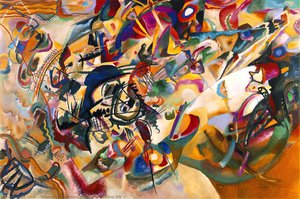
प्रथम विश्व युद्ध के प्रकोप ने 1914 में कैंडिंस्की की रूस वापसी के लिए मजबूर कर दिया, लेकिन रूसी क्रांति के बाद, उन्हें कलात्मक जलवायु में बढ़ती असहमति का अनुभव हुआ। 1920 में, उन्होंने जर्मनी के बाऊहाउस स्कूल में एक शिक्षण पद स्वीकार किया, जहाँ उन्होंने अपने रंग, रूप और अमूर्तता पर सिद्धांतों के साथ पीढ़ियों के कलाकारों को गहराई से प्रभावित किया। बाऊहाउस कैंडिंस्की के लिए अपने विचारों को विकसित करने और नए रचनात्मक रास्ते तलाशने के लिए एक आदर्श वातावरण प्रदान करता था। उन्होंने ज्यामितीय रूपों और जीवंत रंगों के साथ प्रयोग करना जारी रखा, अक्सर परतदार इम्पैस्टो तकनीकों को शामिल करते हुए जो उनकी रचनाओं में गहराई और जटिलता जोड़ने वाली बनावट सतहें बनाते हैं - जैसा कि "एक अंतरंग पार्टी" (1942) जैसे बाद के कार्यों में देखा जा सकता है। नाजी शासन द्वारा 1933 में बाऊहाउस के बंद होने के बाद, कैंडिंस्की फ्रांस चले गए, जहाँ वे अपनी मृत्यु तक रहे। आधुनिक कला पर उनका प्रभाव अकल्पनीय है; उन्हें व्यापक रूप से अमूर्त अभिव्यक्तिवाद के एक अग्रणी और गैर-प्रतिनिधित्वपूर्ण पेंटिंग के विकास में एक प्रमुख व्यक्ति के रूप में मान्यता प्राप्त है। उनके कार्यों को दुनिया भर के प्रमुख संग्रहालयों में रखा गया है, जिसमें मास्को का ट्रेत्याकोव गैलरी शामिल है, जो उनकी कलात्मक दृष्टि और स्थायी विरासत का प्रमाण है "रचना VII"।
कैंडिंस्की का रंग, रूप और आध्यात्मिकता की खोज आज भी कलाकारों को प्रेरित करती रहती है, जिससे 20वीं शताब्दी के कला इतिहास में सबसे महत्वपूर्ण आंकड़ों में से एक के रूप में उनकी जगह मजबूत होती है। उन्होंने सिर्फ चित्र नहीं बनाए; उन्होंने भावनाओं, विचारों और मानव आत्मा के सार को चित्रित किया।

वासिली वासिलीविच कैंडिंस्की
1866 - 1944 , रूस
संक्षिप्त जानकारी
- Artistic Movement Or Style: Абстрактное искусство, Экспрессионизм
- Artists Or Movements Influenced By This Artist: ['Абстрактное экспрессионизм']
- Artists Who Influenced This Artist:
- Клод Моне
- Ричард Вагнер
- Date Of Birth: 1866 год
- Date Of Death: 1944 год
- Full Name: Василий Васильевич Кандинский
- Nationality: Русский
- Notable Artworks:
- Мурнау с радугой
- Темперированный Элан
- Интимная вечеринка
- Place Of Birth: Москва, Россия
संबंधित लेखों की सूची

Ephemeral Visions: Exploring the History & Emotional Resonance of Watercolor Painting
Explore the captivating history of watercolor painting, from ancient techniques to modern masters like Kandinsky & Blake. Discover essential artists, collecting tips & the emotional power of this luminous medium. Expert insights for art enthusiasts.

Ephemeral Visions: Exploring the Artistic Legacy & Contemporary Practice of Watercolor Painting
Explore the captivating world of watercolor painting! Discover its rich history, essential techniques, influential artists & collecting tips. A comprehensive guide for art enthusiasts from OriginalUniqueArt.

अमूर्त अभिव्यंजनावाद: शीर्ष 10 कलाकृतियाँ जिन्होंने परिभाषित किया कला की दुनिया
अमूर्त अभिव्यंजनावाद की 10 उत्कृष्ट कृतियाँ जानें! पोलक, रोथको जैसे कलाकारों के अनूठे रंगों और भावनाओं का अनुभव करें। OriginalUniqueArt.com पर कला इतिहास की गहराई में जाएँ और अपने घर के लिए अद्वितीय सजावट खोजें। ऑनलाइन संग्रह देखें!

Kandinsky's Masterpieces: 25 Paintings That Define Abstract Art | OriginalUniqueArt
Journey through Wassily Kandinsky's 25 most iconic abstract paintings. Explore his revolutionary use of color, form & spiritual expressionism. Find museum-quality Kandinsky reproductions and elevate your home decor with OriginalUniqueArt.com. Discover all masterpieces on OriginalUniqueArt.com!

Watercolor Wonders: 10 Masterpieces That Redefined Art History | OriginalUniqueArt
Journey through 10 legendary watercolor masterpieces by Sargent, Turner & Homer! Explore iconic landscapes, portraits & floral art that redefined history. Find museum-quality reproductions and curated decor ideas at OriginalUniqueArt.com.