पूर्वावलोकन देखें
 साझा करें
 साझा करें
 विस्तृत विवरण
 मार्गदर्शिका

 डाउनलोड करें
 समान वस्तुएं
 एक्स-रे
 स्लाइड शो देखें
 Q&A
Q&A आंकड़े
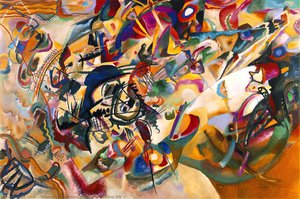
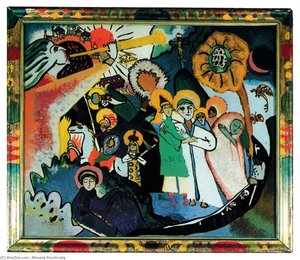
Romantic landscape

- 94.0 x 129.0 cm


 पूरा देखें
गिक्ली / आर्ट प्रिंट
तेज़ उत्पादन और विभिन्न फिनिश विकल्पों के साथ म्यूजियम-क्वालिटी गिकली (giclée) या कैनवस प्रिंट। ( इस संग्रहणीय वस्तु की हाथ से बनी प्रतिकृति मंगवाएं डिजिटल इमेज पर स्विच करें)




P118B ₹10

P118H ₹10

P118W ₹10

P438Z ₹10

P508JH ₹12

P508YH ₹12

P805H ₹10

P805Z ₹10

P919BZ ₹10

P919G ₹10

P919XJ ₹10

P959ZH ₹10

P968JZ ₹12

W106C ₹8

W218G ₹10

W218JH ₹8

W218Y ₹10

W307PJ ₹10

W316G ₹10

W316PJ ₹8

W316Y ₹10

W398PJ ₹8

W4111J ₹10

W500HY ₹15

W500JH ₹15

W692G ₹12

W849H ₹8

W940BG ₹15

W953PJ ₹8




कलाकृति के मूल अनुपात से मेल खाने वाले हमारे पूर्व निर्धारित आकारों में से चुनें।

अपने फ्रेम या अपनी दीवार के अनुसार आवश्यक चौड़ाई और ऊंचाई दर्ज करें। प्रिंट को केवल काटा जा सकता है, चित्र से बड़ा कभी नहीं बनाया जा सकता, इसलिए अलग आकार का साइज चित्र का एक हिस्सा खो देता है। किसी भी चीज़ को प्रिंट करने से पहले हम आपकी स्वीकृति के लिए आपको एक डिजिटल मॉकअप भेजते हैं। इस पृष्ठ पर दिखाया गया चित्र वास्तविक कटिंग नहीं दिखाता है — केवल मॉकअप ही इसे दर्शाता है।
विश्वव्यापी डिलीवरी (), मानक 4/5 सप्ताह के बजाय मात्र 2 सप्ताह में। (2 नवमबर)

दुनिया भर में मुफ़्त एक्सप्रेस शिपिंग

उच्च गुणवत्ता वाला लिनेन कैनवास

पूर्ण शिपिंग बीमा

सीमा शुल्क और आयात कर वापसी की गारंटी

सटीक रंग मिलान की गारंटी

100 दिनों की वापसी नीति (केवल दोष होने पर)

100% पैसे वापसी की गारंटी

थोक छूट का अवसर
 ग्लास का विकल्प केवल 110 सेमी से कम आकार में ही उपलब्ध है।

Romantic landscape
गिक्ली / आर्ट प्रिंट
प्रतिकृति का आकार
-


कुल देय राशि
₹ 7715
Romantic Landscape
Kandinsky's Romantic Landscape stands as a cornerstone of modern art, embodying the spirit of experimentation and emotional expression that defined the early 20th century. Painted in 1911, this monumental oil on canvas—measuring 94 x 129 cm—captures the essence of Wassily Kandinsky’s distinctive style: a harmonious blend of natural observation with vibrant color and geometric abstraction. Its enduring appeal lies not merely in its visual beauty but also in its profound exploration of spiritual ideas and artistic innovation.The Artistic Context
Kandinsky's creative journey was inextricably linked to the burgeoning Expressionist movement, which prioritized subjective experience over objective representation. Artists like Ernst Ludwig Kirchner and Emil Nolde sought to convey inner feelings through distorted forms and jarring colors—a reaction against the prevailing academic conventions of their time. Kandinsky’s affiliation with Der Blaue Reiter—a collective of avant-garde artists including Franz Marc and Gabriele Münter—further solidified his position at the forefront of artistic discourse. This group championed a radical vision of art as a conduit for spiritual insight, rejecting traditional aesthetics in favor of forms that communicated emotion directly.Composition and Elements
“Romantic Landscape” immediately draws the viewer’s eye with its dominant element: a radiant sun positioned centrally against a backdrop of swirling clouds. These clouds aren't merely atmospheric phenomena; they are rendered as dynamic shapes—circles, spirals, and undulating bands—that contribute to the painting’s palpable energy. Scattered throughout the scene are figures representing people, subtly integrated into the landscape rather than dominating it. The artist skillfully employs perspective to create depth, layering trees, grasses, and buildings to convey a sense of expansive space. Kandinsky's meticulous brushwork—characterized by loose strokes and bold color palettes—underscores this textural richness.Artistic Style
Kandinsky’s stylistic approach in Romantic Landscape exemplifies his pioneering experimentation with abstract forms and colors. Rejecting the illusionistic techniques of Impressionism, he prioritized conveying emotion through pure pigment and geometric shapes. The painting showcases a masterful use of chromatic harmony—warm earth tones juxtaposed against brilliant blues—creating a visual experience that transcends literal depiction. Kandinsky’s brushstrokes are deliberately expressive, capturing movement and rhythm while simultaneously hinting at underlying spiritual significance. He sought to liberate color from its descriptive role, allowing it to communicate feelings directly to the viewer's subconscious mind.Historical Significance
As one of the progenitors of abstract art, Kandinsky played a pivotal role in reshaping artistic conventions and inspiring subsequent generations of artists. His influence can be discerned across diverse movements—from Surrealism to Bauhaus—demonstrating the lasting impact of his conceptual breakthrough. The painting’s genesis coincided with a period of intense intellectual ferment, fueled by developments in psychology (particularly Sigmund Freud's theories on unconsciousness) and philosophy. Kandinsky believed that art could serve as a vehicle for accessing higher realms of consciousness, mirroring the broader cultural preoccupation with spirituality during the era.Relevance in Modern Art
Contemporary artists continue to draw inspiration from Kandinsky’s innovative vision—embracing abstraction as a means of conveying emotion and exploring the relationship between color and form. His legacy extends beyond painting itself, informing approaches to sculpture, architecture, and design. Romantic Landscape remains a testament to Kandinsky's unwavering conviction that art could transcend mere representation, achieving a profound connection with the human spirit. For those seeking to delve deeper into Kandinsky’s oeuvre, consider visiting Painting by 'Wassily Kandinsky' | Wassily Kandinsky: Romantic landscape on OriginalUniqueArt. To explore the broader context of modern art movements and their philosophical underpinnings, consult Modern Art and List of Paintings by Wassily Kandinsky.प्रश्न और उत्तर
वासिली वासिलीविच कैंडिंस्की द्वारा "Romantic landscape" की चमक (luminance) कितनी है?
वासिली वासिलीविच कैंडिंस्की द्वारा "Romantic landscape" की चमक (luminance) Bright Balance है। चमक यह दर्शाती है कि रंग कितनी मात्रा में प्रकाश को परावर्तित करते प्रतीत होते हैं।
वासिली वासिलीविच कैंडिंस्की द्वारा "Romantic landscape" के लिए किस स्थान का सुझाव दिया गया है?
वासिली वासिलीविच कैंडिंस्की द्वारा "Romantic landscape" के लिए अनुशंसित स्थान एक Living Room है। बेशक, इस सुझाव को आपके इंटीरियर के अनुसार बदला जा सकता है।
"Romantic landscape" के लिए कहाँ और किस उपयोग हेतु सुझाव दिया जाता है?
वासिली वासिलीविच कैंडिंस्की द्वारा "Romantic landscape" के लिए (Accent) का उपयोग और (Living Room) की जगह, ये दो सुझाव दिए गए हैं।
कलाकार की जीवनी
एक रंग और आत्मा में डूबी हुई जिंदगी
वासिली वासिलीविच कैंडिंस्की, जिनका जन्म 1866 में मास्को में हुआ था, एक क्रांतिकारी व्यक्ति थे जिन्होंने आधुनिक कला के पाठ्यक्रम को अपरिवर्तनीय रूप से बदल दिया। उनका सफर तत्काल कलात्मक बुलावा का नहीं था; शुरू में कानून और अर्थशास्त्र में करियर के लिए नियत, उन्होंने मॉस्को विश्वविद्यालय में अध्ययन किया। लेकिन लगभग तीस साल की उम्र में, क्लाउड मोनेट की "गैंहस्टैक" (Haystacks) को देखने और रिचर्ड वैग्नर के "लोहेनग्रिन" (Lohengrin) ओपेरा का अनुभव करने से उनके भीतर कला के प्रति एक अथाह इच्छा जागृत हुई। यह निर्णायक क्षण न केवल करियर परिवर्तन था, बल्कि दृष्टिकोण में एक पूर्ण बदलाव भी था, जिसने उन्हें अमूर्तता के अग्रणी बनने की राह पर अग्रसर किया। जल्द ही उन्होंने म्यूनिख चले गए, जहाँ वे प्रतिष्ठित फाइन आर्ट्स अकादमी में दाखिला लिया और फ्रांज वॉन स्टक के अधीन अध्ययन किया, हालाँकि औपचारिक प्रशिक्षण के भीतर भी, कैंडिंस्की की आत्मा पारंपरिक सीमाओं से परे अन्वेषण के लिए तरसती थी।
उनकी शुरुआती प्रेरणाओं में 1889 में वोलोडगा क्षेत्र में एक मानवविज्ञान यात्रा से प्राप्त रूसी लोक कला शामिल थी, जिसने उन्हें जीवंत रंग पैलेट और प्रतीकात्मक कल्पना के प्रति आकर्षित किया। यह नींव महत्वपूर्ण साबित होगी क्योंकि उन्होंने अपनी अनूठी कलात्मक भाषा विकसित करना शुरू कर दिया। ये प्रारंभिक अन्वेषण केवल सौंदर्य संबंधी प्राथमिकता के बारे में नहीं थे; वे गहरे सांस्कृतिक संबंध और इस समझ से उपजे थे कि कला शाब्दिक से परे कैसे संवाद कर सकती है। कैंडिंस्की ने रूसी लोक कला की सरलता और प्रतीकात्मकता को अपनाया, जो उनके बाद के अमूर्त कार्यों में रंग और आकार के उपयोग को प्रभावित करेगा। उन्होंने महसूस किया कि कला केवल बाहरी दुनिया का प्रतिनिधित्व करने तक ही सीमित नहीं होनी चाहिए, बल्कि भावनाओं और आध्यात्मिक अनुभवों को व्यक्त करने का एक माध्यम भी हो सकती है।
अभिव्यक्तिवाद से आंतरिक आवश्यकता: अमूर्तता की ओर कदम
कैंडिंस्की के शुरुआती कार्यों में एक मजबूत अभिव्यक्तिवादी प्रवृत्ति दिखाई देती है, जो बोल्ड रंगों और भावनात्मक तीव्रता द्वारा चिह्नित है - "पापेलन (पॉपलर)" (1902) जैसे टुकड़े इस अवधि को दर्शाते हैं। हालाँकि, वे केवल बाहरी दुनिया का प्रतिनिधित्व करने से संतुष्ट नहीं थे; उन्होंने आंतरिक वास्तविकताओं, आध्यात्मिक सत्यों को व्यक्त करना चाहा जो साधारण दृश्य चित्रण से परे थे। यह खोज धीरे-धीरे उन्हें प्रतिनिधित्वपूर्ण कला से दूर ले गई और रंग, रूप और उनकी भावनात्मक प्रतिध्वनि की एक क्रांतिकारी खोज की ओर ले गई। उन्होंने महसूस किया कि रंगों में अंतर्निहित मनोवैज्ञानिक प्रभाव होते हैं, जो दर्शक में विशिष्ट भावनाएँ और संवेदनाएँ पैदा करने में सक्षम होते हैं। यह विश्वास उनके थियोसोफी में बढ़ते रुचि के साथ गहराई से जुड़ा हुआ था, जो गूढ़ ज्ञान और सार्वभौमिक भाईचारे पर जोर देने वाली एक आध्यात्मिक आंदोलन था। जैसे-जैसे उन्होंने इन विचारों में गहराई से उतरना शुरू किया, कैंडिंस्की की पेंटिंगें तेजी से गैर-वस्तुनिष्ठ होती गईं, पहचानने योग्य रूपों को त्यागकर अमूर्त रचनाओं के पक्ष में जो एक "आंतरिक आवश्यकता" द्वारा संचालित थीं। यह केवल प्रतिनिधित्व को छोड़ने के बारे में नहीं था; यह एक नई दृश्य भाषा की खोज करने के बारे में था जो भावना और आध्यात्मिकता के अगम्य क्षेत्रों को व्यक्त करने में सक्षम थी। उन्होंने संगीत के समतुल्य दृश्य बनाने का प्रयास किया, जहाँ रंग और रूप गहरे भावनात्मक प्रतिक्रियाओं को जगाने के लिए सामंजस्यपूर्ण होते हैं।
ज्यामितीय सद्भाव और आध्यात्मिक प्रतिध्वनि
1911 में म्यूनिख में स्थापित प्रभावशाली कलाकार समूह डेर ब्लूए रीटर (द ब्लू राइडर) में उनकी भागीदारी के बाद की अवधि में कैंडिंस्की की शैली में और विकास देखा गया। उनके शुरुआती कार्यों में अक्सर तरल, जैविक आकार होते थे, लेकिन उन्होंने ज्यामितीय अमूर्तता का पता लगाना शुरू कर दिया, वृत्त, त्रिभुज और वर्गों के बीच परस्पर क्रिया पर ध्यान केंद्रित किया। "कई वृत्त" (140 x 140 सेमी) इस चरण का एक उत्कृष्ट उदाहरण है - एक गतिशील रचना जहाँ रंग और रूप एक सामंजस्यपूर्ण लेकिन ऊर्जावान नृत्य में बातचीत करते हैं। यह ठंडा या बाँझ ज्यामिति नहीं थी; बल्कि, इसमें आध्यात्मिक महत्व निहित था। कैंडिंस्की का मानना था कि ज्यामितीय आकृतियों में अंतर्निहित प्रतीकात्मक अर्थ होता है, और कैनवास के भीतर उनकी व्यवस्था विशिष्ट भावनात्मक प्रतिक्रियाओं को जगा सकती है। उन्होंने अपनी सैद्धांतिक रचनाओं में, विशेष रूप से "कला में आध्यात्मिक के बारे में" (1911) में इन मान्यताओं को व्यक्त किया, अमूर्त कला की समझ के लिए आधार तैयार किया जो गहरे आध्यात्मिक सत्यों को व्यक्त करने का एक माध्यम है। उनका तर्क था कि कला को प्रकृति की नकल करने का प्रयास नहीं करना चाहिए बल्कि कलाकार की आंतरिक दुनिया को प्रकट करना और दर्शक के साथ एक गहरा, अधिक सहज स्तर पर जुड़ना चाहिए। उन्होंने रंगों के सिद्धांत में भी गहराई से अध्ययन किया, यह समझने की कोशिश की कि विभिन्न रंग कैसे भावनाओं को जगाते हैं और रचनाओं में सद्भाव पैदा करते हैं।
बाउहाउस प्रभाव और स्थायी विरासत
प्रथम विश्व युद्ध के प्रकोप ने 1914 में कैंडिंस्की की रूस वापसी के लिए मजबूर कर दिया, लेकिन रूसी क्रांति के बाद, उन्हें कलात्मक जलवायु में बढ़ती असहमति का अनुभव हुआ। 1920 में, उन्होंने जर्मनी के बाऊहाउस स्कूल में एक शिक्षण पद स्वीकार किया, जहाँ उन्होंने अपने रंग, रूप और अमूर्तता पर सिद्धांतों के साथ पीढ़ियों के कलाकारों को गहराई से प्रभावित किया। बाऊहाउस कैंडिंस्की के लिए अपने विचारों को विकसित करने और नए रचनात्मक रास्ते तलाशने के लिए एक आदर्श वातावरण प्रदान करता था। उन्होंने ज्यामितीय रूपों और जीवंत रंगों के साथ प्रयोग करना जारी रखा, अक्सर परतदार इम्पैस्टो तकनीकों को शामिल करते हुए जो उनकी रचनाओं में गहराई और जटिलता जोड़ने वाली बनावट सतहें बनाते हैं - जैसा कि "एक अंतरंग पार्टी" (1942) जैसे बाद के कार्यों में देखा जा सकता है। नाजी शासन द्वारा 1933 में बाऊहाउस के बंद होने के बाद, कैंडिंस्की फ्रांस चले गए, जहाँ वे अपनी मृत्यु तक रहे। आधुनिक कला पर उनका प्रभाव अकल्पनीय है; उन्हें व्यापक रूप से अमूर्त अभिव्यक्तिवाद के एक अग्रणी और गैर-प्रतिनिधित्वपूर्ण पेंटिंग के विकास में एक प्रमुख व्यक्ति के रूप में मान्यता प्राप्त है। उनके कार्यों को दुनिया भर के प्रमुख संग्रहालयों में रखा गया है, जिसमें मास्को का ट्रेत्याकोव गैलरी शामिल है, जो उनकी कलात्मक दृष्टि और स्थायी विरासत का प्रमाण है "रचना VII"।
कैंडिंस्की का रंग, रूप और आध्यात्मिकता की खोज आज भी कलाकारों को प्रेरित करती रहती है, जिससे 20वीं शताब्दी के कला इतिहास में सबसे महत्वपूर्ण आंकड़ों में से एक के रूप में उनकी जगह मजबूत होती है। उन्होंने सिर्फ चित्र नहीं बनाए; उन्होंने भावनाओं, विचारों और मानव आत्मा के सार को चित्रित किया।

वासिली वासिलीविच कैंडिंस्की
1866 - 1944 , रूस
प्रमुख तथ्य
- Artistic Movement Or Style: Абстрактное искусство, Экспрессионизм
- Artists Or Movements Influenced By This Artist: ['Абстрактное экспрессионизм']
- Artists Who Influenced This Artist:
- Клод Моне
- Ричард Вагнер
- Date Of Birth: 1866 год
- Date Of Death: 1944 год
- Full Name: Василий Васильевич Кандинский
- Nationality: Русский
- Notable Artworks:
- Мурнау с радугой
- Темперированный Элан
- Интимная вечеринка
- Place Of Birth: Москва, Россия
संबंधित लेख

अमूर्त अभिव्यंजनावाद: शीर्ष 10 कलाकृतियाँ जिन्होंने परिभाषित किया कला की दुनिया
अमूर्त अभिव्यंजनावाद की 10 उत्कृष्ट कृतियाँ जानें! पोलक, रोथको जैसे कलाकारों के अनूठे रंगों और भावनाओं का अनुभव करें। OriginalUniqueArt.com पर कला इतिहास की गहराई में जाएँ और अपने घर के लिए अद्वितीय सजावट खोजें। ऑनलाइन संग्रह देखें!

रोमांटिक कला: 10 उत्कृष्ट लैंडस्केप कृतियाँ जो परिभाषित करती हैं | OriginalUniqueArt
रोमांटिक लैंडस्केप पेंटिंग की 10 उत्कृष्ट कृतियाँ! जानें कैस्पर डेविड फ्रेडरिक, टर्नर जैसे कलाकारों के बारे में और कला के इतिहास को समझें। OriginalUniqueArt.com पर उच्च गुणवत्ता वाले आर्ट रिप्रोडक्शन और सजावट के विचार खोजें।

ज्यामितीय अमूर्तता: शीर्ष 10 उत्कृष्ट कृतियाँ जो कला को नया आकार देती हैं | OriginalUniqueArt.com
ज्यामितीय अमूर्तता की शीर्ष 10 उत्कृष्ट कृतियों का अन्वेषण करें! पिकासो, मोंड्रियन और अन्य कलाकारों के प्रेरणादायक कार्यों से कला इतिहास जानें। OriginalUniqueArt.com पर उच्च गुणवत्ता वाली कला प्रिंट और कैनवास खरीदें।

Mastering Abstraction: The 25 Most Iconic Works by Wassily Kandinsky
Explore 25 iconic Kandinsky masterpieces and the birth of abstraction. Discover the full collection online at OriginalUniqueArt.com.
The Soul of Color: A Journey into the Emotional Resonance of Lyrical Abstraction
Embark on a cultural journey through Lyrical Abstraction. Explore how masters like Kandinsky used color and motion to translate emotion into visual poetry. Discover the profound beauty of abstract expressionism and learn to curate emotional resonance in your own art collection.