पूर्वावलोकन देखें
 भेजें
भेजें साझा करें
 विवरण देखें
 मार्गदर्शिका

 डाउनलोड करें
 समान वस्तुएं
 एक्स-रे
 स्लाइड शो देखें
 आंकड़े
Horses


 और पढ़ें
गिक्ली / आर्ट प्रिंट
तेज़ उत्पादन और विभिन्न फिनिश विकल्पों के साथ म्यूजियम-क्वालिटी गिकली (giclée) या कैनवस प्रिंट। ( हाथ से बनी पेंटिंग खरीदें डिजिटल इमेज पर जाएँ)




P118B ₹10

P118H ₹10

P118W ₹10

P438Z ₹10

P508JH ₹12

P508YH ₹12

P805H ₹10

P805Z ₹10

P919BZ ₹10

P919G ₹10

P919XJ ₹10

P959ZH ₹10

P968JZ ₹12

W106C ₹8

W218G ₹10

W218JH ₹8

W218Y ₹10

W307PJ ₹10

W316G ₹10

W316PJ ₹8

W316Y ₹10

W398PJ ₹8

W4111J ₹10

W500HY ₹15

W500JH ₹15

W692G ₹12

W849H ₹8

W940BG ₹15

W953PJ ₹8




कलाकृति के मूल अनुपात से मेल खाने वाले हमारे पूर्व निर्धारित आकारों में से चुनें।

अपने फ्रेम या अपनी दीवार के अनुसार आवश्यक चौड़ाई और ऊंचाई दर्ज करें। प्रिंट को केवल काटा जा सकता है, चित्र से बड़ा कभी नहीं बनाया जा सकता, इसलिए अलग आकार का साइज चित्र का एक हिस्सा खो देता है। किसी भी चीज़ को प्रिंट करने से पहले हम आपकी स्वीकृति के लिए आपको एक डिजिटल मॉकअप भेजते हैं। इस पृष्ठ पर दिखाया गया चित्र वास्तविक कटिंग नहीं दिखाता है — केवल मॉकअप ही इसे दर्शाता है।
विश्वव्यापी डिलीवरी (), मानक 4/5 सप्ताह के बजाय मात्र 2 सप्ताह में। (25 अक्टूबर)

दुनिया भर में मुफ़्त एक्सप्रेस शिपिंग

प्रीमियम ग्रेड लिनेन कैनवास

पूर्ण शिपिंग बीमा

सीमा शुल्क और आयात कर वापसी की गारंटी

सटीक रंग मिलान की गारंटी

100 दिनों की वापसी नीति (केवल निर्माण दोष होने पर)

100% पैसे वापसी की गारंटी

थोक छूट का अवसर
 ग्लास का विकल्प केवल 110 सेमी से कम आकार में ही उपलब्ध है।

Horses
गिक्ली / आर्ट प्रिंट
प्रतिकृति का आकार
-


कुल मूल्य
₹ 7673
A Symphony of Form and Color: Exploring Kandinsky’s “Horses”
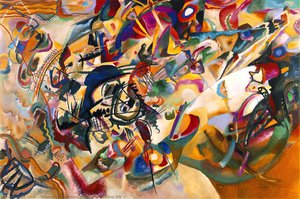
“Color is a power which directly influences the soul.” – Wassily KandinskyThis captivating work by Wassily Kandinsky, simply titled “Horses,” exemplifies his pivotal role in the development of abstract art. While the title suggests an equestrian theme, the painting transcends literal representation, offering instead a dynamic exploration of form, color, and emotional resonance. Created during a period of intense artistic experimentation – though the exact date remains unknown – this piece embodies Kandinsky’s belief in the spiritual power of art and its ability to evoke inner experience.
Deconstructing the Abstract: Subject & Style
“Horses” is a prime example of Kandinsky's foray into abstract expressionism, moving away from depicting recognizable objects towards a purely non-representational aesthetic. The canvas bursts with swirling shapes and vibrant hues, lacking any clear focal point or traditional perspective. Fragmented, human-like figures *appear* to be interwoven within the composition, hinting at movement – perhaps dance or celebration – but remain deliberately ambiguous. This deliberate ambiguity is key; Kandinsky wasn’t aiming to depict horses or people literally, but rather to express the *feeling* of energy, vitality, and perhaps even a primal connection to nature. The style aligns with early Expressionism, prioritizing subjective emotional experience over objective reality.Technique & Materials: A Textured Landscape
Kandinsky’s masterful technique is immediately apparent in the painting's rich texture. He employed thick impasto – layering paint heavily onto the canvas – creating a tactile surface that invites close inspection. The brushstrokes are loose and gestural, contributing to the sense of spontaneity and raw energy. Oil paints were likely used, allowing for this robust application and vibrant color saturation. Variations in color value create an implied lighting effect, suggesting an internal illumination rather than relying on external light sources.Historical Context: A Pioneer of Abstraction
Born in Russia in 1866, Wassily Kandinsky underwent a significant artistic transformation. Initially trained in law and economics, his encounter with Monet’s “Haystacks” sparked a lifelong passion for painting. He moved to Munich, where he became associated with the influential group *Der Blaue Reiter* (The Blue Rider), which championed spiritual and abstract art. Kandinsky's theories, articulated in his seminal work "Concerning the Spiritual in Art," profoundly influenced the course of 20th-century art. His exploration of abstraction was not merely a stylistic choice but a philosophical one – a belief that art could transcend the material world and connect with deeper spiritual truths.Symbolism & Emotional Impact: A World Within
While abstract, “Horses” is rich in potential symbolism. The swirling forms can be interpreted as representing movement, chaos, or even the subconscious mind. The vibrant color palette – a blend of warm and cool tones – evokes a range of emotions, from joy and excitement to anxiety and unrest. The absence of clear boundaries between shapes suggests interconnectedness and fluidity. Ultimately, the painting’s meaning is open to individual interpretation, inviting viewers to engage with it on a personal level. The overall effect is one of intense emotionality and subjective experience – a glimpse into Kandinsky's inner world.For Collectors & Designers
- A Statement Piece: “Horses” makes a bold statement in any collection, representing a pivotal moment in art history.
- Versatile Aesthetic: Its abstract nature allows it to complement a wide range of interior design styles, from modern and minimalist to eclectic and bohemian.
- Emotional Resonance: The painting’s vibrant colors and dynamic composition create an atmosphere of energy and inspiration.
- Investment Potential: As a work by a highly influential artist, “Horses” represents a valuable addition to any art investment portfolio.
प्रश्न और उत्तर
वासिली वासिलीविच कैंडिंस्की द्वारा "Horses" में कौन से विषय दिखाई देते हैं?
"Horses" के विषय abstract, color field, dynamic, movement, figures, symbolic, expressionist, energy हैं।
वासिली वासिलीविच कैंडिंस्की द्वारा "Horses" का कौन सा प्रिंट साइज अनुशंसित कमरे के लिए उपयुक्त है?
Living Room के लिए, वासिली वासिलीविच कैंडिंस्की द्वारा "Horses" का अनुशंसित प्रिंट आकार Large है।
"Horses" का वातावरण कैसा है?
वासिली वासिलीविच कैंडिंस्की द्वारा "Horses" का समग्र भाव Mystical है। यह भाव कलाकृति के सामान्य वातावरण का वर्णन करता है।
कलाकार का परिचय
एक रंग और आत्मा में डूबी हुई जिंदगी
वासिली वासिलीविच कैंडिंस्की, जिनका जन्म 1866 में मास्को में हुआ था, एक क्रांतिकारी व्यक्ति थे जिन्होंने आधुनिक कला के पाठ्यक्रम को अपरिवर्तनीय रूप से बदल दिया। उनका सफर तत्काल कलात्मक बुलावा का नहीं था; शुरू में कानून और अर्थशास्त्र में करियर के लिए नियत, उन्होंने मॉस्को विश्वविद्यालय में अध्ययन किया। लेकिन लगभग तीस साल की उम्र में, क्लाउड मोनेट की "गैंहस्टैक" (Haystacks) को देखने और रिचर्ड वैग्नर के "लोहेनग्रिन" (Lohengrin) ओपेरा का अनुभव करने से उनके भीतर कला के प्रति एक अथाह इच्छा जागृत हुई। यह निर्णायक क्षण न केवल करियर परिवर्तन था, बल्कि दृष्टिकोण में एक पूर्ण बदलाव भी था, जिसने उन्हें अमूर्तता के अग्रणी बनने की राह पर अग्रसर किया। जल्द ही उन्होंने म्यूनिख चले गए, जहाँ वे प्रतिष्ठित फाइन आर्ट्स अकादमी में दाखिला लिया और फ्रांज वॉन स्टक के अधीन अध्ययन किया, हालाँकि औपचारिक प्रशिक्षण के भीतर भी, कैंडिंस्की की आत्मा पारंपरिक सीमाओं से परे अन्वेषण के लिए तरसती थी।
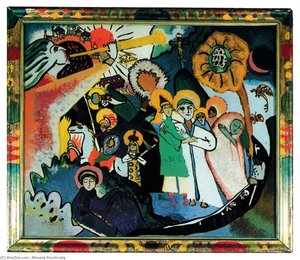
उनकी शुरुआती प्रेरणाओं में 1889 में वोलोडगा क्षेत्र में एक मानवविज्ञान यात्रा से प्राप्त रूसी लोक कला शामिल थी, जिसने उन्हें जीवंत रंग पैलेट और प्रतीकात्मक कल्पना के प्रति आकर्षित किया। यह नींव महत्वपूर्ण साबित होगी क्योंकि उन्होंने अपनी अनूठी कलात्मक भाषा विकसित करना शुरू कर दिया। ये प्रारंभिक अन्वेषण केवल सौंदर्य संबंधी प्राथमिकता के बारे में नहीं थे; वे गहरे सांस्कृतिक संबंध और इस समझ से उपजे थे कि कला शाब्दिक से परे कैसे संवाद कर सकती है। कैंडिंस्की ने रूसी लोक कला की सरलता और प्रतीकात्मकता को अपनाया, जो उनके बाद के अमूर्त कार्यों में रंग और आकार के उपयोग को प्रभावित करेगा। उन्होंने महसूस किया कि कला केवल बाहरी दुनिया का प्रतिनिधित्व करने तक ही सीमित नहीं होनी चाहिए, बल्कि भावनाओं और आध्यात्मिक अनुभवों को व्यक्त करने का एक माध्यम भी हो सकती है।
अभिव्यक्तिवाद से आंतरिक आवश्यकता: अमूर्तता की ओर कदम
कैंडिंस्की के शुरुआती कार्यों में एक मजबूत अभिव्यक्तिवादी प्रवृत्ति दिखाई देती है, जो बोल्ड रंगों और भावनात्मक तीव्रता द्वारा चिह्नित है - "पापेलन (पॉपलर)" (1902) जैसे टुकड़े इस अवधि को दर्शाते हैं। हालाँकि, वे केवल बाहरी दुनिया का प्रतिनिधित्व करने से संतुष्ट नहीं थे; उन्होंने आंतरिक वास्तविकताओं, आध्यात्मिक सत्यों को व्यक्त करना चाहा जो साधारण दृश्य चित्रण से परे थे। यह खोज धीरे-धीरे उन्हें प्रतिनिधित्वपूर्ण कला से दूर ले गई और रंग, रूप और उनकी भावनात्मक प्रतिध्वनि की एक क्रांतिकारी खोज की ओर ले गई। उन्होंने महसूस किया कि रंगों में अंतर्निहित मनोवैज्ञानिक प्रभाव होते हैं, जो दर्शक में विशिष्ट भावनाएँ और संवेदनाएँ पैदा करने में सक्षम होते हैं। यह विश्वास उनके थियोसोफी में बढ़ते रुचि के साथ गहराई से जुड़ा हुआ था, जो गूढ़ ज्ञान और सार्वभौमिक भाईचारे पर जोर देने वाली एक आध्यात्मिक आंदोलन था। जैसे-जैसे उन्होंने इन विचारों में गहराई से उतरना शुरू किया, कैंडिंस्की की पेंटिंगें तेजी से गैर-वस्तुनिष्ठ होती गईं, पहचानने योग्य रूपों को त्यागकर अमूर्त रचनाओं के पक्ष में जो एक "आंतरिक आवश्यकता" द्वारा संचालित थीं। यह केवल प्रतिनिधित्व को छोड़ने के बारे में नहीं था; यह एक नई दृश्य भाषा की खोज करने के बारे में था जो भावना और आध्यात्मिकता के अगम्य क्षेत्रों को व्यक्त करने में सक्षम थी। उन्होंने संगीत के समतुल्य दृश्य बनाने का प्रयास किया, जहाँ रंग और रूप गहरे भावनात्मक प्रतिक्रियाओं को जगाने के लिए सामंजस्यपूर्ण होते हैं।
ज्यामितीय सद्भाव और आध्यात्मिक प्रतिध्वनि
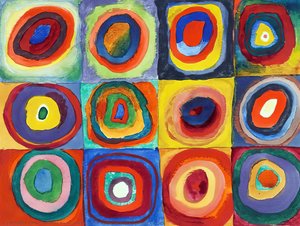
1911 में म्यूनिख में स्थापित प्रभावशाली कलाकार समूह डेर ब्लूए रीटर (द ब्लू राइडर) में उनकी भागीदारी के बाद की अवधि में कैंडिंस्की की शैली में और विकास देखा गया। उनके शुरुआती कार्यों में अक्सर तरल, जैविक आकार होते थे, लेकिन उन्होंने ज्यामितीय अमूर्तता का पता लगाना शुरू कर दिया, वृत्त, त्रिभुज और वर्गों के बीच परस्पर क्रिया पर ध्यान केंद्रित किया। "कई वृत्त" (140 x 140 सेमी) इस चरण का एक उत्कृष्ट उदाहरण है - एक गतिशील रचना जहाँ रंग और रूप एक सामंजस्यपूर्ण लेकिन ऊर्जावान नृत्य में बातचीत करते हैं। यह ठंडा या बाँझ ज्यामिति नहीं थी; बल्कि, इसमें आध्यात्मिक महत्व निहित था। कैंडिंस्की का मानना था कि ज्यामितीय आकृतियों में अंतर्निहित प्रतीकात्मक अर्थ होता है, और कैनवास के भीतर उनकी व्यवस्था विशिष्ट भावनात्मक प्रतिक्रियाओं को जगा सकती है। उन्होंने अपनी सैद्धांतिक रचनाओं में, विशेष रूप से "कला में आध्यात्मिक के बारे में" (1911) में इन मान्यताओं को व्यक्त किया, अमूर्त कला की समझ के लिए आधार तैयार किया जो गहरे आध्यात्मिक सत्यों को व्यक्त करने का एक माध्यम है। उनका तर्क था कि कला को प्रकृति की नकल करने का प्रयास नहीं करना चाहिए बल्कि कलाकार की आंतरिक दुनिया को प्रकट करना और दर्शक के साथ एक गहरा, अधिक सहज स्तर पर जुड़ना चाहिए। उन्होंने रंगों के सिद्धांत में भी गहराई से अध्ययन किया, यह समझने की कोशिश की कि विभिन्न रंग कैसे भावनाओं को जगाते हैं और रचनाओं में सद्भाव पैदा करते हैं।
बाउहाउस प्रभाव और स्थायी विरासत
प्रथम विश्व युद्ध के प्रकोप ने 1914 में कैंडिंस्की की रूस वापसी के लिए मजबूर कर दिया, लेकिन रूसी क्रांति के बाद, उन्हें कलात्मक जलवायु में बढ़ती असहमति का अनुभव हुआ। 1920 में, उन्होंने जर्मनी के बाऊहाउस स्कूल में एक शिक्षण पद स्वीकार किया, जहाँ उन्होंने अपने रंग, रूप और अमूर्तता पर सिद्धांतों के साथ पीढ़ियों के कलाकारों को गहराई से प्रभावित किया। बाऊहाउस कैंडिंस्की के लिए अपने विचारों को विकसित करने और नए रचनात्मक रास्ते तलाशने के लिए एक आदर्श वातावरण प्रदान करता था। उन्होंने ज्यामितीय रूपों और जीवंत रंगों के साथ प्रयोग करना जारी रखा, अक्सर परतदार इम्पैस्टो तकनीकों को शामिल करते हुए जो उनकी रचनाओं में गहराई और जटिलता जोड़ने वाली बनावट सतहें बनाते हैं - जैसा कि "एक अंतरंग पार्टी" (1942) जैसे बाद के कार्यों में देखा जा सकता है। नाजी शासन द्वारा 1933 में बाऊहाउस के बंद होने के बाद, कैंडिंस्की फ्रांस चले गए, जहाँ वे अपनी मृत्यु तक रहे। आधुनिक कला पर उनका प्रभाव अकल्पनीय है; उन्हें व्यापक रूप से अमूर्त अभिव्यक्तिवाद के एक अग्रणी और गैर-प्रतिनिधित्वपूर्ण पेंटिंग के विकास में एक प्रमुख व्यक्ति के रूप में मान्यता प्राप्त है। उनके कार्यों को दुनिया भर के प्रमुख संग्रहालयों में रखा गया है, जिसमें मास्को का ट्रेत्याकोव गैलरी शामिल है, जो उनकी कलात्मक दृष्टि और स्थायी विरासत का प्रमाण है "रचना VII"।
कैंडिंस्की का रंग, रूप और आध्यात्मिकता की खोज आज भी कलाकारों को प्रेरित करती रहती है, जिससे 20वीं शताब्दी के कला इतिहास में सबसे महत्वपूर्ण आंकड़ों में से एक के रूप में उनकी जगह मजबूत होती है। उन्होंने सिर्फ चित्र नहीं बनाए; उन्होंने भावनाओं, विचारों और मानव आत्मा के सार को चित्रित किया।

वासिली वासिलीविच कैंडिंस्की
1866 - 1944 , रूस
संक्षिप्त जानकारी
- Artistic Movement Or Style: Абстрактное искусство, Экспрессионизм
- Artists Or Movements Influenced By This Artist: ['Абстрактное экспрессионизм']
- Artists Who Influenced This Artist:
- Клод Моне
- Ричард Вагнер
- Date Of Birth: 1866 год
- Date Of Death: 1944 год
- Full Name: Василий Васильевич Кандинский
- Nationality: Русский
- Notable Artworks:
- Мурнау с радугой
- Темперированный Элан
- Интимная вечеринка
- Place Of Birth: Москва, Россия
संबंधित लेखों की सूची
Beyond Sight: Exploring Tactile Dimensions and Illumination in Abstract Painting
Explore the captivating world of tactile abstraction! Discover impasto techniques, influential artists like Richter & Hoyland, and expert insights for collecting textured art. Elevate your space with museum-quality pieces.

Kandinsky's Masterpieces: 25 Paintings That Define Abstract Art | OriginalUniqueArt
Journey through Wassily Kandinsky's 25 most iconic abstract paintings. Explore his revolutionary use of color, form & spiritual expressionism. Find museum-quality Kandinsky reproductions and elevate your home decor with OriginalUniqueArt.com. Discover all masterpieces on OriginalUniqueArt.com!
Beyond the Lines: Mastering the High-Impact World of Contemporary Abstraction
Master the high-impact world of contemporary abstraction. Discover how bold colors, textures, and modern movements like Abstract Expressionism can transform your space with premium, high-energy art curated for the design-conscious professional.

अमूर्त अभिव्यंजनावाद: शीर्ष 10 कलाकृतियाँ जिन्होंने परिभाषित किया कला की दुनिया
अमूर्त अभिव्यंजनावाद की 10 उत्कृष्ट कृतियाँ जानें! पोलक, रोथको जैसे कलाकारों के अनूठे रंगों और भावनाओं का अनुभव करें। OriginalUniqueArt.com पर कला इतिहास की गहराई में जाएँ और अपने घर के लिए अद्वितीय सजावट खोजें। ऑनलाइन संग्रह देखें!
The Soul of Color: A Journey into the Emotional Resonance of Lyrical Abstraction
Embark on a cultural journey through Lyrical Abstraction. Explore how masters like Kandinsky used color and motion to translate emotion into visual poetry. Discover the profound beauty of abstract expressionism and learn to curate emotional resonance in your own art collection.