

 पूर्वावलोकन देखें
 साझा करें
 साझा करें
 विस्तृत विवरण

 डाउनलोड करें
 समान कलाकृतियाँ
 एक्स-रे
 स्लाइड शो देखें
 आंकड़े
समय पर बर्फ के बाद धूप


 पूरा देखें
गिक्ली / आर्ट प्रिंट
तेज़ उत्पादन और विभिन्न फिनिश विकल्पों के साथ म्यूजियम-क्वालिटी गिकली (giclée) या कैनवस प्रिंट। ( हाथ से बनी पेंटिंग खरीदें डिजिटल इमेज पर स्विच करें)




P118B $10

P118H $10

P118W $10

P438Z $10

P508JH $12

P508YH $12

P805H $10

P805Z $10

P919BZ $10

P919G $10

P919XJ $10

P959ZH $10

P968JZ $12

W106C $8

W218G $10

W218JH $8

W218Y $10

W307PJ $10

W316G $10

W316PJ $8

W316Y $10

W398PJ $8

W4111J $10

W500HY $15

W500JH $15

W692G $12

W849H $8

W940BG $15

W953PJ $8




कलाकृति के मूल अनुपात से मेल खाने वाले हमारे पूर्व निर्धारित आकारों में से चुनें।

आप किसी विशिष्ट फ्रेम या स्थान के अनुसार अपने स्वयं के आयाम (dimensions) दर्ज कर सकते हैं। यदि आपके द्वारा चुना गया आकार मूल छवि के अनुपात से मेल नहीं खाता है, तो हम कलाकृति को क्रॉप कर देंगे या मिरर किए गए या सॉलिड-फिल किनारे के साथ छवि का विस्तार करेंगे। उत्पादन शुरू होने से पहले आपकी स्वीकृति के लिए एक डिजिटल मॉकअप भेजा जाएगा।
कृपया ध्यान दें कि स्क्रीन पर दिखने वाला प्रीव्यू वास्तविक क्रॉपिंग या विस्तार को नहीं दर्शाता है। केवल मॉकअप ही अंतिम संरचना को सटीक रूप से दिखाएगा।
हालाँकि कस्टम आकार उपलब्ध हैं, फिर भी हम मूल अनुपात बनाए रखने के लिए पूर्व-निर्धारित सूची में से एक आयाम चुनने की सलाह देते हैं।
विश्वव्यापी डिलीवरी (), मानक 4/5 सप्ताह के बजाय मात्र 2 सप्ताह में। (13 सितमबर)

दुनिया भर में मुफ़्त एक्सप्रेस शिपिंग

उच्च गुणवत्ता वाला लिनेन कैनवास

पूर्ण शिपिंग बीमा

सीमा शुल्क और आयात कर वापसी की गारंटी

सटीक रंग मिलान की गारंटी

100-दिन की वापसी नीति (केवल दोषपूर्ण होने पर)

100% पैसे वापसी की गारंटी

थोक छूट का लाभ
 ग्लास का विकल्प केवल 110 सेमी से कम आकार में ही उपलब्ध है।

समय पर बर्फ के बाद धूप
गिक्ली / आर्ट प्रिंट
प्रतिकृति का आकार
-


कुल देय राशि
$ 80
王羲之:時晴雪後帖——永恆的詩意與書法藝術的巔峰
王羲之(王羲之,公元303年至公元361年),中國歷史上最偉大的書聖,以其精湛的楷書、行書和草書技藝聞名於世。這幅作品《時晴雪後帖》,不僅記錄了當時的自然風光與人文情懷,更代表了中國書法藝術的巔峰成就,深深影響了後代書法家們的思想與創作風格。 這件作品出自中國國立故宮博物院藏品,尺寸為23厘米×14.8厘米。它是一張精美的古籍頁面,以濃墨重彩的筆畫呈現出極為優雅和靜謐的美感。畫面記錄了王羲之在雪後寫給朋友的一封簡短而充滿詩意的信箋,這封信不僅展現了當時中國書聖的藝術風格,也蘊含著對自然與人生的深刻思考。 《時晴雪後帖》的書法風格融合了秦代篆書和漢代隸書兩種經典書法形式,並將其巧妙地運用於標準、行書和草書之中,創造出理想的書法形態。這種創新精神不僅反映了當時書法家們對傳統技藝的尊重與繼承,更體現了他們追求卓越藝術境界的決心與勇氣。正如明代著名畫家陳景鳳所言,《時晴雪後帖》的筆法充滿了圓潤、遒勁和淡雅之美,深深影響了當時趙孟頫的行書風格,成為中國書法藝術史上的經典代表作之一。 畫面呈現出極為簡潔而平衡的視覺效果,這種設計手法不僅符合傳統中國繪畫的審美觀念,也傳遞出了作者內心的平和與寧靜。這幅作品被認為是唐代詩人李白所讚頌的「兼攝眾法,備成一家,為萬世宗師」,成為中國書法藝術史上的永恆經典。它不僅記錄了當時王羲之對自然的熱愛與欣賞,也表達了他對友情與詩歌的珍視與追求。這幅作品至今仍被認為是中國書法藝術的巔峰成就,值得我們細細品味和研究。- 尺寸:23厘米×14.8厘米
- 材質:紙張
- 顏色:濃墨重彩
- 風格:楷書、行書、草書
- 來源:國立故宮博物院
कलाकार का जीवन परिचय
The Sage of Calligraphy: A Life Dedicated to the Art of Brush and Ink
Wang Xizhi, born around 303 CE in Linyi, Shandong province, China, stands as a monumental figure in East Asian art history—a calligrapher whose name resonates with reverence even today. Often hailed as the “Sage of Calligraphy” (Shu Sheng), Wang didn’t simply practice calligraphy; he embodied it, elevating the art form to unprecedented heights and establishing standards that would influence generations of artists across China, Korea, and Japan. His life, though documented through historical accounts and anecdotes, reveals a journey marked by both aristocratic privilege and profound dedication to aesthetic pursuit.
Born into a prominent family during the Jin dynasty, Wang’s early years offered little indication of his future mastery. Accounts suggest he initially struggled with writing, yet driven by an unwavering commitment, he devoted himself tirelessly to honing his skills. Legend has it that he practiced so diligently, even inscribing characters on his arm with his finger, and that the pond beside his studio was perpetually stained black from the constant flow of ink. This relentless pursuit laid the foundation for a revolutionary approach to calligraphy.
A Flourishing Career Amidst Political Turmoil
The Jin dynasty was a period of significant political upheaval, and Wang Xizhi’s life mirrored this instability. Following the collapse of the Western Jin dynasty, his family fled south, seeking refuge from the turmoil. Despite these challenges, he managed to secure various government positions between 324 and 354 CE, reaching the esteemed title of “General of the Right Army” in 347 and later becoming administrator of Kuaiji (present-day Shaoxing, Zhejiang). However, Wang’s true passion lay not in politics but in the refinement of his artistic expression. He eventually retired from public service in 355 to fully immerse himself in Taoist practices and calligraphy.
His engagement to Xi Xuan around 323 CE proved pivotal, resulting in eight children, including Wang Xianzhi, who would also achieve renown as a calligrapher—cementing the family’s legacy within the art world. The collaborative spirit and shared dedication to calligraphy within the Wang family further amplified their influence on subsequent generations.
The Lantingji Xu: A Masterpiece Born of Celebration
Wang Xizhi's most celebrated work, composed in 353 CE, is the Lantingji Xu (蘭亭集序; “Preface to the Poems Composed at the Orchid Pavilion”). This remarkable piece emerged from a convivial gathering hosted by Wang for forty-one friends, relatives, and pupils at Mount Kuaiji. The occasion involved a "winding stream party," where participants composed poetry as they enjoyed wine flowing down a creek. It was during this spirited event that Wang penned the Lantingji Xu, a preface to the collection of poems created that day.
Written in the Running Style (xingshu), the Lantingji Xu is lauded for its effortless fluidity, dynamic brushwork, and harmonious balance between legibility and artistic expression. The work captures not only the joy of the gathering but also Wang’s profound connection to nature and his philosophical reflections on life's transience. While no original versions survive today—only rubbings and tracing copies remain—the Lantingji Xu continues to be revered as the pinnacle of Chinese calligraphy, studied and emulated by artists for centuries.
Legacy and Enduring Influence
Wang Xizhi’s mastery extended beyond the Running Style; he excelled in Regular Script (kaishu) and Cursive Script (caoshu) as well. However, his true innovation lay in his ability to synthesize these styles, creating a unique aesthetic that prioritized naturalness, spontaneity, and emotional resonance. He didn’t merely copy existing texts; he infused them with his own personality and artistic vision.
His impact on the art world was profound. Emperor Taizong of Tang (626-649 CE) recognized Wang Xizhi as the defining standard for Chinese calligraphy, mandating that imperial court scholars study his techniques. He commissioned calligraphers to create handwritten tracing copies and ink rubbings of Wang’s works, ensuring their preservation and dissemination. This patronage solidified Wang's position as a cultural icon and established his style as the benchmark for excellence.
Today, Wang Xizhi remains an enduring symbol of artistic dedication and innovation. His influence permeates East Asian calligraphy, inspiring artists to strive for balance, harmony, and emotional depth in their work. The “Sage of Calligraphy” continues to captivate audiences with his timeless masterpieces, reminding us of the power of brush and ink to transcend time and culture.
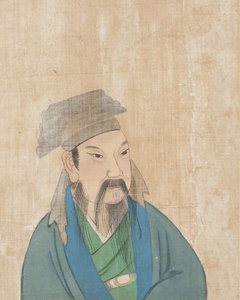
wang hsi-chih
China
मुख्य तथ्य
- Artistic Movement Or Style: Chinese calligraphy
- Artists Or Movements Influenced By This Artist:
- Wang Xianzhi
- Tang calligraphy
- Artists Who Influenced This Artist:
- Wei Shuo
- Zhao Mengfu
- Date Of Birth: c. 303
- Date Of Death: c. 361
- Full Name: Wang Xizhi
- Nationality: Chinese
- Notable Artworks:
- Lantingji Xu
- Timely Clearing After Snowfall
- Place Of Birth: Linyi, China
संबंधित लेख

Evocations of Place: A Historical Journey Through Landscape Art
Explore the rich history of landscape art with OriginalUniqueArt. Discover renowned artists, movements like Impressionism & Romanticism, and expert guidance for collecting timeless pieces. Find your perfect serene escape today!

रोमांटिक कला: 10 उत्कृष्ट लैंडस्केप कृतियाँ जो परिभाषित करती हैं | OriginalUniqueArt
रोमांटिक लैंडस्केप पेंटिंग की 10 उत्कृष्ट कृतियाँ! जानें कैस्पर डेविड फ्रेडरिक, टर्नर जैसे कलाकारों के बारे में और कला के इतिहास को समझें। OriginalUniqueArt.com पर उच्च गुणवत्ता वाले आर्ट रिप्रोडक्शन और सजावट के विचार खोजें।
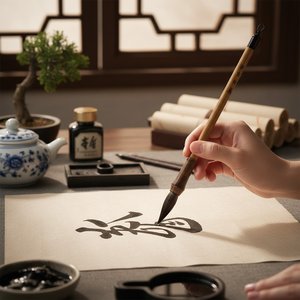
The Timeless Beauty of Chinese Calligraphy: An Exploration of Ink, Spirit, and the Art of the Brush
Embark on a profound journey through the soul of Chinese calligraphy. Explore the historical mastery of ink, brush, and script, from ancient Zhuanshu to elegant running script, and discover how this timeless art form reflects the enduring spirit of classical East Asian aesthetics.

जॉन कॉन्स्टेबल की शीर्ष 25 कलाकृतियाँ: प्रकृति का सौंदर्य और भावनात्मक गहराई | OriginalUniqueArt
जॉन कॉन्स्टेबल की शीर्ष 25 कलाकृतियों का अन्वेषण करें! ग्रामीण इंग्लैंड के रोमांटिक परिदृश्य, हे वेन और स्टूर नदी के सुंदर चित्रण। उच्च गुणवत्ता वाले कला प्रिंट और दीवार सजावट के लिए OriginalUniqueArt.com पर संग्रह देखें।

Evocations of Place: A Historical Journey Through Landscape Art
Explore the rich history of landscape art with OriginalUniqueArt. Discover renowned artists, movements like Impressionism & tonalism, and expert guidance for collecting timeless pieces. Find your perfect serene escape today!
