Early Renaissance
SAINT JULIEN (विटोरियो क्रिवेली)
विटोरियो क्रिवेली (1440–1501) द्वारा निर्मित SAINT JULIEN यह Early Renaissance आंदोलन से संबंधित है। यह Tempera On Panel में बनाया गया है। इसे एविग्नन, फ्रांस के Musée du Petit Palais में रखा गया है।
- Tempera On Panel
- Musée du Petit Palais, एविग्नन

 पूर्वावलोकन देखें

 हस्तनिर्मित ऑयल पेंटिंग
 साझा करें
 साझा करें
 तथ्य पत्रक


 डाउनलोड करें
 समान वस्तुएं
 एक्स-रे
 स्लाइड शो देखें
 प्रश्न और उत्तर

 आंकड़े
SAINT JULIEN, संक्षिप्त में
- शीर्षक
- SAINT JULIEN
- कलाकार
- विटोरियो क्रिवेली (1440–1501)
- कलाकार का जन्म स्थान
- वेनिस, इटली
- माध्यम
- Tempera On Panel
- इसे कहाँ देखें
- Musée du Petit Palais, एविग्नन, फ्रांस
- गतिविधि
- Early Renaissance
- कालखंड
- Renaissance
- विषय
- saint, man, staff, grass, gold, red
SAINT JULIEN में किसका चित्रण किया गया है?
Identification of the Portrait of Saint Julien
SAINT JULIEN is a portrait-like representation of an Italian saint, executed by the Early Renaissance painter Vittore Crivelli. The work focuses on the figure of the saint, presenting him in a manner that emphasizes his individual presence against a dark, minimalist background.
The subject is identified through specific iconographic attributes. He is depicted holding a staff and a bundle of grass, objects that characterize his traditional representation. These elements provide the primary visual cues for his identity within the devotional tradition.
Composition and Visual Elements
The vertical panel arrangement centers the figure of the saint against a dark, receding background. This placement creates a portrait-like focus, isolating the subject to emphasize his presence. A simple landscape provides the setting, featuring stylized foliage that suggests a natural environment without requiring deep perspectival complexity. The saint is identified by specific attributes: a staff held in one hand and a bundle of grass in the other.
The color palette relies on a series of warm tones. Gold, red, blue, and brown dominate the visual field, creating a devotional atmosphere. These colors define the figure's form and the folds of the drapery. The use of gold leaf adds a sense of opulence to the composition, contrasting with the darker, more muted tones of the background. Light appears diffused, as if emanating from a single, steady source like candlelight.
Technique and Material Composition
The work is executed in tempera on a wood panel. The artist employed a binding medium of egg tempera to achieve a precise, controlled application of pigment. This method requires meticulous layering of colors to build depth and form, particularly within the drapery and the figure's anatomy. Such technical rigor ensures a smooth surface texture, though subtle variations in the application suggest the deliberate movement of the brush.
The palette relies on high-quality pigments to establish a sense of divine luminosity. Notable materials include ultramarine blue and red lake, which provide deep, saturated tones. To enhance the visual impact and create a sense of sacred space, the panel is likely gilded. This use of gold leaf contributes to the opulent atmosphere characteristic of the period's devotional objects.
Artistic Style and Visual Characteristics
The work is characteristic of Early Renaissance Venetian art, maintaining a balance between decorative tradition and emerging naturalism. A prominent feature is the meticulous rendering of clothing, where precise lines define the figure's form and the complex folds of the drapery. These linear details provide a sense of structure to the saint's silhouette against the dark background. The application of gold leaf adds a layer of material opulence, typical of the period's devotional aesthetic.
Lighting is handled with a certain flatness, simulating a diffused light source similar to candlelight. This approach avoids dramatic shadows, instead creating a steady, even illumination across the subject. Such lighting, combined with the centered composition, produces an atmosphere of solemnity and reverence. The visual language relies on these controlled elements to direct the viewer's focus toward the saint's attributes, specifically the staff and the bundle of grass.
SAINT JULIEN किस संग्रहालय में है?
Musée du Petit Palais
एविग्नन, फ्रांस
प्रोवेनकल कला इतिहास का एक रत्न पोप के इतिहास और कलात्मक संरक्षण में डूबे एविग्नन शहर के हृदय में, Musée du Petit Palais स्थित है, जो यूरोपीय कला के प्रारंभिक विकास से मंत्रमुग्ध किसी भी व्यक्ति के लिए एक खजाना है। इसके दरवाजों से भीतर कदम रखना एक ऐसे अभयारण्य में प्रवेश करने जैसा है जहाँ मध्यकालीन युग की गूँज पुनर्जागरण (Renaissance) की प्रकाशमान भोर से मिलती है। यह संग्रहालय न केवल चित्रों के भंडार के रूप में, बल्कि दो उल्लेखनीय संग्रहों के संगम के प्रमाण के रूप में खुद को अलग पहचान देता है: जियामपिएत्रो कैंपना की वसीयत और एविग्नन स्कूल की विरासत। दुर्जेय 'पैलेस डेस पेपेस'—जो मध्यकाल के दौरान पूर्व पोप निवास था—के समीप इसकी स्थिति, प्रोवेन्स की सांस्कृतिक विरासत के एक आधारशिला के रूप में इसके महत्व को बढ़ा देती है, जो उस युग के साथ एक गहरा संबंध प्रदान करती है जब एविग्नन ईसाई जगत के केंद्र में स्थित था। इसका संग्रह इतालवी पुनर्जागरण और प्रिमिटिव कलाकृतियों पर केंद्रित होने के कारण सबसे अधिक चमकता है, जो एक ऐसी गैलरी प्रस्तुत करता है जो अंतरंग और भव्य दोनों महसूस होती है। आगंतुक सैंड्रो बोत्तीचेली जैसे उस्तादों की नाजुक सुंदरता के माध्यम से क्वाट्रोसेंटो (Quattrocento) युग में वापस चले जाते हैं, जिनकी “मैडोना विद चाइल्ड” मातृत्व की कृपा का एक शांत और अलौकिक चित्रण पेश करती है। संग्रहालय विटोर कार्पेचियो की “सेक्रेड कन्वर्सेशन” के माध्यम से वेनिस पुनर्जागरण के जीवंत और अलंकृत वैभव को भी प्रदर्शित करता है, जहाँ कुशल परिप्रेक्ष्य और समृद्ध रंग योजना दर्शक को एक सूक्ष्म रूप से विस्तृत दुनिया में आमंत्रित करती है। इन उत्कृष्ट कृतियों को सिमोन मार्टिनी, लोरेंजो मोनाको और बार्टोलो डी फ्रेडी के कार्यों द्वारा पूरक बनाया गया है, जो एक ऐसा कथा सूत्र बुनते हैं जो 13वीं शताब्दी के अंत की आध्यात्मिक तीव्रता को 16वीं शताब्दी की शुरुआत के बढ़ते मानवतावाद के साथ जोड़ता है। स्थापत्य भव्यता और मूर्तिकला की विरासत अपने कैनवस की चमक से परे, संग्रहालय में एक प्रभावशाली मूर्तिकला संग्रह है जो अतीत की गंभीरता को दर्शाता है। प्रमुख मकबरों की अंत्येष्टि प्रतिमाओं (funerary effigies) से सुसज्जित, ये कार्य मध्यकालीन कलात्मक परंपराओं और स्मृति बनाए रखने की स्थायी मानवीय इच्छा के मार्मिक अनुस्मारक के रूप में कार्य करते हैं। इन प्राचीन पत्थर की आकृतियों के साथ, यहाँ अल्फ्रेड फिलिप रोल के अधिक यथार्थवादी और भावनात्मक कार्य भी मिलते हैं, जिनकी यथार्थवादी आंदोलन (Realist movement) के प्रति प्रतिबद्धता संग्रहालय के कक्षों में बिना किसी बनावट के रोजमर्रा के जीवन का अहसास कराती है। यह स्थापत्य यात्रा स्वयं इमारत द्वारा और भी समृद्ध हो जाती है; मूल रूप से एविग्नन के बिशपों के निवास के रूप में परिकल्पित, यह संरचना मध्यकालीन और पुनर्जागरण शैलियों का एक सामंजस्यपूर्ण मिश्रण है, जिसकी देखरेख प्रभावशाली जुलियानो डेला रोवेरे द्वारा की गई थी। प्रत्येक पत्थर और मेहराब अपने पोप मूल की भव्यता को दर्शाता है। जो चीज़ वास्तव में Musée du Petit Palais को अलग बनाती है, वह इसकी दोहरी विरासत है, जो इतालवी महारत और स्थानीय परंपरा के बीच एक महत्वपूर्ण सेतु के रूप में कार्य करती है। यह संग्रहालय एविग्नन स्कूल की अनूठी भावना को संरक्षित करता है, जो एक विशिष्ट कलात्मक परंपरा थी जिसने पुनर्जागरण के दौरान प्रचलित शैलीगत प्रवृत्तियों से अलग हटकर कुछ अनूठा प्रोवेनकल बनाने के लिए खुद को विकसित किया था।


SAINT JULIEN की उच्च-रिज़ॉल्यूशन वाली छवियाँ
विटोरियो क्रिवेली, SAINT JULIEN, Musée du Petit Palais. सार्वजनिक डोमेन में उपलब्ध
SAINT JULIEN से संबंधित प्रश्न और उनके उत्तर
मैं मूल विटोरियो क्रिवेली द्वारा "SAINT JULIEN" कहाँ देख सकता हूँ?
मूल विटोरियो क्रिवेली द्वारा "SAINT JULIEN" Musée du Petit Palais, एविग्नन, फ्रांस में सुरक्षित है। इसकी एक प्रतिलिपि (reproduction) आपको इस कृति को अपने घर में प्रदर्शित करने का अवसर देती है।
विटोरियो क्रिवेली द्वारा "SAINT JULIEN" किस माध्यम में निर्मित है?
विटोरियो क्रिवेली द्वारा "SAINT JULIEN" की माध्यम Tempera On Panel है। पुनरुत्पादन (reproductions) का उद्देश्य इस तकनीक के स्वरूप को जीवंत रूप में प्रस्तुत करना है।
"SAINT JULIEN" में क्या दर्शाया गया है?
विटोरियो क्रिवेली द्वारा "SAINT JULIEN" में मौजूद विषयों में saint, man, staff, grass, gold, red, blue, cloak शामिल हैं। ये मिलकर कलाकृति की विषय-वस्तु का सार प्रस्तुत करते हैं।
क्या विटोरियो क्रिवेली द्वारा "SAINT JULIEN" सार्वजनिक डोमेन में है?
कॉपीराइट के संबंध में, "SAINT JULIEN" सार्वजनिक डोमेन में - इसका कॉपीराइट समाप्त हो चुका है है।
"SAINT JULIEN" के पीछे के कलाकार कौन हैं?
"SAINT JULIEN" का श्रेय विटोरियो क्रिवेली को दिया जाता है।
विटोरियो क्रिवेली द्वारा "SAINT JULIEN" किस कला आंदोलन (art movement) से संबंधित है?
विटोरियो क्रिवेली द्वारा "SAINT JULIEN" से जुड़ी कला शैली Early Renaissance है। यह वर्गीकरण इस कृति को संबंधित कलाकारों और कलाकृतियों के बीच स्थापित करता है।
विटोरियो क्रिवेली द्वारा "SAINT JULIEN" की कॉपीराइट स्थिति का क्या कारण है?
"SAINT JULIEN" की कॉपीराइट स्थिति - सार्वजनिक डोमेन में - इसका कॉपीराइट समाप्त हो चुका है - कलाकार की 1501 में मृत्यु के आधार पर निर्धारित होती है।
क्या "SAINT JULIEN" अपने कलाकार के गृह देश में ही रहा?
नहीं - यह कलाकृति विदेश में रखी गई है. विटोरियो क्रिवेली का जन्म देश इटली है, और "SAINT JULIEN" की मूल प्रति जिस संग्रहालय में रखी गई है, वह फ्रांस में स्थित है।
विटोरियो क्रिवेली के संपूर्ण कार्यों में "SAINT JULIEN" का स्थान कहाँ है?
विटोरियो क्रिवेली की कृतियों के बीच, "SAINT JULIEN" में Early Renaissance शैली के साथ-साथ gothic and renaissance synthesis, venetian and flemish influences, religious devotional work, part of venetian renaissance के विषय देखने को मिलते हैं।
कलाकार, विटोरियो क्रिवेली के बारे में

1440–1501, इटली
विटोरियो क्रिवेली
Vittore Crivelli: A Venetian Echo of Gothic Mysticism Vittore Crivelli (b. ca. 1440, Venezia, d. 1501/2, Venezia) stands as a fascinating figure within the Venetian Renaissance—a painter who simultaneously embraced the grandeur of his era and retained traces of the expressive fervor characteristic of Gothic art.
विटोरियो क्रिवेली के बारे में विटोरियो क्रिवेली की प्रमुख कृतियाँ
विटोरियो क्रिवेली की अन्य रचनाएँ
 Saint Jerome (panel from an altarpiece)1481
 Madonna and Child with Two Angels1481
 Madonna and Child Enthroned with Two Angels and a Donor1481
 Madonna and Child with a clove.1450
SAINT JULIEN पर आधारित निबंध
 25 Iconic Piero di Cosimo Paintings: A Visual Journey Through His Mythical and Realistic ArtExplore 25 iconic Piero di Cosimo paintings from the Florentine Renaissance. Discover the full collection online at OriginalUniqueArt.com.
 25 Essential Works by Sebastiano del Piombo: A Visual GuideExplore 25 iconic works by Sebastiano del Piombo. Trace his High Renaissance journey and explore the full collection online at OriginalUniq…
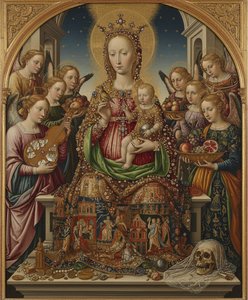 Carlo Crivelli: Mysticism & Materiality in Renaissance VeniceExplore the captivating world of Carlo Crivelli, a Renaissance master blending Gothic detail with profound symbolism. Discover his unique s…