

 पूर्वावलोकन देखें
 भेजें
भेजें साझा करें
 विवरण देखें
 मार्गदर्शिका

 डाउनलोड करें
 समान वस्तुएं
 एक्स-रे
 स्लाइड शो देखें
 आंकड़े
Holy Conversation
 High Renaissance
 1505
1505- Renaissance
 92.0 x 126.0 cm
 Musée du Petit Palais
 और पढ़ें
गिक्ली / आर्ट प्रिंट
तेज़ उत्पादन और विभिन्न फिनिश विकल्पों के साथ म्यूजियम-क्वालिटी गिकली (giclée) या कैनवस प्रिंट। ( हाथ से बनी पेंटिंग खरीदें डिजिटल इमेज पर जाएँ)




P118B ₹10

P118H ₹10

P118W ₹10

P438Z ₹10

P508JH ₹12

P508YH ₹12

P805H ₹10

P805Z ₹10

P919BZ ₹10

P919G ₹10

P919XJ ₹10

P959ZH ₹10

P968JZ ₹12

W106C ₹8

W218G ₹10

W218JH ₹8

W218Y ₹10

W307PJ ₹10

W316G ₹10

W316PJ ₹8

W316Y ₹10

W398PJ ₹8

W4111J ₹10

W500HY ₹15

W500JH ₹15

W692G ₹12

W849H ₹8

W940BG ₹15

W953PJ ₹8




कलाकृति के मूल अनुपात से मेल खाने वाले हमारे पूर्व निर्धारित आकारों में से चुनें।

अपने फ्रेम या अपनी दीवार के अनुसार आवश्यक चौड़ाई और ऊंचाई दर्ज करें। प्रिंट को केवल काटा जा सकता है, चित्र से बड़ा कभी नहीं बनाया जा सकता, इसलिए अलग आकार का साइज चित्र का एक हिस्सा खो देता है। किसी भी चीज़ को प्रिंट करने से पहले हम आपकी स्वीकृति के लिए आपको एक डिजिटल मॉकअप भेजते हैं। इस पृष्ठ पर दिखाया गया चित्र वास्तविक कटिंग नहीं दिखाता है — केवल मॉकअप ही इसे दर्शाता है।
विश्वव्यापी डिलीवरी (), मानक 4/5 सप्ताह के बजाय मात्र 2 सप्ताह में। (26 अक्टूबर)

दुनिया भर में मुफ़्त एक्सप्रेस शिपिंग

प्रीमियम ग्रेड लिनेन कैनवास

पूर्ण शिपिंग बीमा

सीमा शुल्क और आयात कर वापसी की गारंटी

सटीक रंग मिलान की गारंटी

100 दिनों की वापसी नीति (केवल निर्माण दोष होने पर)

100% पैसे वापसी की गारंटी

थोक छूट का अवसर
 ग्लास का विकल्प केवल 110 सेमी से कम आकार में ही उपलब्ध है।

Holy Conversation
गिक्ली / आर्ट प्रिंट
प्रतिकृति का आकार
-


कुल मूल्य
₹ 7670
A Serene Encounter: The Soul of Venice in Carpaccio’s Masterpiece
In the quietude of Vittore Carpaccio’s Holy Conversation, completed around 1505, we find a profound meditation on faith and spiritual stillness. This evocative work, born from the heart of Venice, transcends mere religious iconography to offer a window into a moment of sacred intimacy. The painting captures Saint Ursula and her companions not in a display of dramatic tension, but engaged in a solemn, quiet dialogue that reflects their arduous journey toward Cologne Cathedral. There is a palpable sense of dignity in their assembly, an atmosphere where the weight of their pilgrimage meets the lightness of divine grace.
The composition invites the viewer to step into a world where the earthly and the divine are inextricably linked. Carpaccio meticulously renders the weathered textures of the stone cathedral and the humble presence of pilgrims, grounding the spiritual narrative in a tangible, physical reality. Through his masterful use of tempera on canvas, the artist achieves a remarkable luminosity. By employing painstaking layers of glazes, he creates an ethereal atmosphere that feels reminiscent of the lush, detailed landscapes found in early Netherlandish art, yet it remains deeply rooted in the unique sensibilities of the Venetian Renaissance.
Technique and the Poetics of Detail
What distinguishes Holy Conversation from the more flamboyant grandeur of his contemporaries is Carpaccio’s deliberate restraint. Eschewing the opulent ornamentation and theatrical poses favored by artists like Raphael, Carpaccio instead prioritizes a meticulous attention to detail and a subtle gradations of color. His technique shows a profound influence from Antonello da Messina, particularly in how he captures light to breathe life into every surface—from the soft folds of fabric to the rugged elements of nature such as trees and rocks that frame the scene.
This stylistic choice creates a psychological realism that is deeply moving. The painting does not demand attention through spectacle; rather, it earns it through the quiet beauty of its execution. For the collector or the lover of fine art, this piece offers more than just visual splendor; it provides an emotional sanctuary. The interplay of light and shadow, combined with the artist's conservative yet precise approach, makes the work a timeless testament to the piety and artistic innovation of the Venetian Republic.
A Timeless Addition to the Refined Interior
For interior designers and connoisseurs seeking to infuse a space with historical depth and contemplative calm, Holy Conversation serves as an extraordinary focal point. The painting’s ability to blend religious significance with a serene, landscape-like beauty allows it to integrate seamlessly into sophisticated environments. It is a work that rewards prolonged observation, revealing new layers of texture and narrative with every glance.
Owning a high-quality reproduction of this masterpiece means bringing a piece of the Venetian Renaissance into the modern home—a piece that embodies the enduring power of devotion and the quiet strength of the human spirit. It is an invitation to pause, to reflect, and to find beauty in the subtle, sacred moments of existence.
प्रश्न और उत्तर
विटोर कार्पाचियो द्वारा "Holy Conversation" की हाथ से पेंट की गई प्रतियां कौन बेचता है?
"Holy Conversation" लिनन कैनवास पर हाथ से पेंट किया गया एक ऑयल रिप्रोडक्शन के रूप में उपलब्ध है। आप विभिन्न आकारों का चयन करके इसके हाथ से पेंट की गई प्रतिकृति पेज पर ऑर्डर दे सकते हैं।
विटोर कार्पाचियो द्वारा "Holy Conversation" किस कला आंदोलन (art movement) से संबंधित है?
विटोर कार्पाचियो द्वारा "Holy Conversation" High Renaissance आंदोलन से संबंधित है। यह आंदोलन इस कृति के शैलीगत संदर्भ को स्पष्ट करता है।
विटोर कार्पाचियो द्वारा "Holy Conversation" का आकार और अनुपात कैसा है, और यह कितना बड़ा है?
"Holy Conversation" का प्रारूप Landscape है, और मूल माप 92 x 126 cm है। पुनरुत्पादन (reproduction) की योजना बनाते समय ये दोनों उपयोगी हैं।
कलाकार का परिचय
प्रारंभिक जीवन और प्रशिक्षण
विटोर कार्पaccio, एक प्रमुख इतालवी चित्रकार, का जन्म लगभग 1465 में वेनिस में हुआ था। उन्होंने जेंटाइल बेलिनी के मार्गदर्शन में अध्ययन किया, जो वेनिस स्कूल के एक प्रसिद्ध कलाकार थे। इस प्रशिक्षुता ने कार्पaccio की भविष्य की सफलता की नींव रखी।कलात्मक शैली और प्रभाव
कार्पaccio की शैली अपनी रूढ़िवादी प्रकृति के लिए जानी जाती थी, जिसमें उनके जीवनकाल के दौरान इतालवी पुनर्जागरण चित्रकला को बदलने वाले मानवतावादी रुझानों का न्यूनतम प्रभाव दिखाई देता है। उनका काम एंटोनेलो दा मेसीना की शैली और प्रारंभिक नीदरलैंड कला से प्रभावित था। शैलियों के इस अनूठे मिश्रण ने वेनिस चित्रकला में एक विशिष्ट दृष्टिकोण को जन्म दिया।प्रसिद्ध कार्य
- सेंट उर्सुला की किंवदंती, नौ चित्रों का एक चक्र, कार्पaccio का सबसे प्रसिद्ध कार्य है। यह श्रृंखला, जो अब गैलरी डी'अकाडेमिया में रखी गई है, कथा चित्रकला में उनकी महारत का प्रदर्शन करती है।
- सेंट उर्सुला की महिमा वेदीपीठ (1491) कार्पaccio के प्रकाश और रंग को पकड़ने के कौशल का प्रदर्शन करता है, जो जियोवानी बेलिनी की शैली की याद दिलाता है।
- पोंते डी रियाल्टो पर क्रॉस के अवशेष का चमत्कार (1494) कार्पaccio की संरचना और कथा को संतुलित करने की क्षमता को उजागर करता है।
करियर की मुख्य बातें और विरासत
- कार्पaccio के प्रमुख कार्य 1490 और 1519 के बीच निष्पादित किए गए थे, जो उन्हें वेनिस पुनर्जागरण के शुरुआती मास्टर्स में स्थान दिलाते हैं।
- उनकी ओरिएंटलिस्ट शैली, जैसा कि सेंट जॉर्ज द्वारा सेलेनिट्स को बपतिस्मा में देखी जा सकती है, लेवांत के लिए एक नए आकर्षण को दर्शाती है।
- कार्पaccio का काम अपने समकालीनों, जैसे जियोवानी बेलिनी या जॉर्जियोने की तुलना में कुछ हद तक उपेक्षित रहा है।
संदर्भ और आगे पढ़ना
विटोर कार्पaccio और वेनिस स्कूल के बारे में अधिक जानने के लिए ऑलपेंटिंग्सस्टोर देखें।
विटोर कार्पाचियो
1465 - 1526 , इटली
संक्षिप्त जानकारी
- Artistic Movement Or Style: प्रारंभिक वेनिस पुनर्जागरण
- Artists Or Movements Influenced By This Artist: ['प्रारंभिक नीदरलैंड पेंटिंग']
- Artists Who Influenced This Artist:
- एंटोनेलो दा मेसीना
- जेंटाइल बेलिनी
- Date Of Birth: वेनिस, इटली (लगभग 1465)
- Date Of Death: 1526
- Full Name: विटोर कार्पाचियो
- Nationality: इतालवी
- Notable Artworks:
- सेंट उर्सुला की किंवदंती
- ग्लरी ऑफ सेंट उर्सुला अल्टारपीस
- पोंते डी रियाल्टो पर क्रॉस के अवशेष का चमत्कार
- Place Of Birth: वेनिस
संबंधित लेखों की सूची
The Venetian Renaissance: A Masterclass in Colorito, Light, and the Birth of Atmospheric Brilliance
Explore the breathtaking mastery of the Venetian Renaissance. Discover how legends like Titian revolutionized art through Colorito, capturing the luminous light and vibrant pigments of the Venetian lagoon in a visual journey of unparalleled color and texture.
Venetian Renaissance: The Golden Age of Color, Light, and Luminous Artistry
Embark on a journey through the Venetian Renaissance. Discover how masters like Giorgione and Titian revolutionized art through luminous color and light. Explore the profound legacy of the Venetian School and its enduring influence on the world of fine art.
जैकोपो टिनटोरिटो की 25 उत्कृष्ट कृतियाँ: कला, इतिहास और घर सजावट के लिए प्रेरणा
जैकोपो टिनटोरिटो की 25 सर्वश्रेष्ठ पेंटिंग! पुनर्जागरण और बारोक कला के जादू में खो जाएं। इटालियन चित्रकार टिनटोरिटो की उत्कृष्ट कृतियों का अन्वेषण करें, धार्मिक चित्रों से लेकर नाटकीय कैनवास तक। घर सजावट के लिए प्रेरणा पाएं और OriginalUniqueArt.com पर उच्च गुणवत्ता वाली कला प्रतिकृतियां खरीदें।
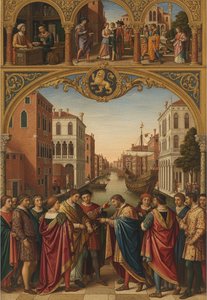
Vittore Carpaccio: Venetian Renaissance Narrative & the Poetics of Detail
Explore the captivating world of Vittore Carpaccio, a master storyteller of the Venetian Renaissance. Discover his intricate details, narrative cycles like 'The Legend of St. Ursula,' and unique artistic style.

Venetian Renaissance: The Mastery of Color, Light, and the Art of Colorito
Explore the luminous mastery of the Venetian Renaissance. Discover how masters like Titian and Giorgione revolutionized art through colorito, light, and atmosphere. An expert guide to the golden age of Italian painting for collectors and enthusiasts.
