

 पूर्वावलोकन देखें
 भेजें
भेजें साझा करें
 विवरण देखें
 मार्गदर्शिका

 डाउनलोड करें
 समान वस्तुएं
 एक्स-रे
 स्लाइड शो देखें
 आंकड़े
Vilag II


 और पढ़ें
इस पृष्ठ पर प्रदर्शित कलाकृति कॉपीराइट कानून द्वारा संरक्षित है, जिसका अर्थ है कि हम कानूनी रूप से इसकी हूबहू प्रतिलिपि बनाने या बेचने का अधिकार नहीं रखते हैं। यह संरक्षण अंतर्राष्ट्रीय समझौतों के तहत लागू किया जाता है, जैसे कि बर्न कन्वेंशन और राष्ट्रीय कानूनों द्वारा, जिनमें % द्वारा निर्धारित कानून भी शामिल हैं। अमेरिकी कॉपीराइट कानून - शीर्षक 17।
एक सम्मानजनक और कानूनी विकल्प के रूप में, हम मूल कृति से प्रेरित, कस्टम, हाथ से पेंट की गई कलाकृतियाँ प्रदान करते हैं। हमारे कुशल और पेशेवर कलाकार एक नई, अद्वितीय कृति बनाने के लिए मूल के शैली, भाव और कलात्मक सार का सावधानीपूर्वक अध्ययन करते हैं - जो अपनी मौलिक रचना बने रहते हुए भी वही भावना जगाती है।
यह विधि कॉपीराइट नियमों का पूरी तरह से पालन करती है क्योंकि इसमें संरक्षित कलाकृति की नकल या प्रतिलिपि बनाना शामिल नहीं है। इसके बजाय, यह एक रचनात्मक पुनर्व्याख्या है - एक ऐसी नई पेंटिंग जो मूल कृति से प्रेरित तो है, लेकिन उसके समान नहीं है।
हस्तनिर्मित ऑयल रिप्रोडक्शन
आपके आकार और फ्रेम के अनुसार कैनवास पर हाथ से बनी ऑयल पेंटिंग, हमारे कलाकारों द्वारा विशेष रूप से ऑर्डर पर तैयार। ( प्रिंट विकल्प पर जाएँ डिजिटल इमेज पर जाएँ)




P118B ₹10

P118H ₹10

P118W ₹10

P438Z ₹10

P508JH ₹12

P508YH ₹12

P805H ₹10

P805Z ₹10

P919BZ ₹10

P919G ₹10

P919XJ ₹10

P959ZH ₹10

P968JZ ₹12

W106C ₹8

W218G ₹10

W218JH ₹8

W218Y ₹10

W307PJ ₹10

W316G ₹10

W316PJ ₹8

W316Y ₹10

W398PJ ₹8

W4111J ₹10

W500HY ₹15

W500JH ₹15

W692G ₹12

W849H ₹8

W940BG ₹15

W953PJ ₹8




कलाकृति के मूल अनुपात से मेल खाने वाले हमारे पूर्व निर्धारित आकारों में से चुनें।

अपने फ्रेम या अपनी दीवार के अनुसार आवश्यक चौड़ाई और ऊंचाई दर्ज करें। यह हाथ से पेंट किया गया है, इसलिए अलग आकार के लिए कलाकार चित्र के चारों ओर थोड़ा अधिक पेंट कर सकता है, या थोड़ा काट सकता है — चुनाव आपका है। पेंटिंग शुरू होने से पहले हम आपकी स्वीकृति के लिए एक डिजिटल मॉकअप भेजते हैं। इस पृष्ठ पर दिखाई गई तस्वीर वास्तविक परिणाम नहीं दिखाती है — केवल मॉकअप ही वास्तविक रूप दिखाता है।
ऑर्डर देने के बाद, OriginalUniqueArt.com टीम निर्देशों के लिए क्लाइंट को ईमेल करेगी और एक मॉकअप प्रीव्यू प्रदान करेगी
विश्वव्यापी वितरण () मानक 5 सप्ताह के बजाय मात्र 3/4 सप्ताह में। (23 अक्टूबर)। गुणवत्ता से कोई समझौता नहीं।

दुनिया भर में मुफ़्त एक्सप्रेस शिपिंग

प्रीमियम ग्रेड लिनेन कैनवास

पूर्ण शिपिंग बीमा

सीमा शुल्क और आयात कर वापसी की गारंटी

सटीक रंग मिलान की गारंटी

100 दिनों की वापसी नीति (केवल निर्माण दोष होने पर)

100% पैसे वापसी की गारंटी

थोक छूट का अवसर
 ग्लास का विकल्प केवल 110 सेमी से कम आकार में ही उपलब्ध है।

Vilag II
प्रतिकृति की सामग्री
प्रतिकृति का आकार
-


कुल मूल्य
₹ 28805
The Genesis of Illusion: Unveiling Vilag II
Victor Vasarely’s Vilag II isn't merely a painting; it’s an invitation into a world where perception itself is playfully challenged. Born Károly Vaszary in Pécs, Croatia, in 1906, Vasarely wasn’t destined for the canvas initially. His early pursuits leaned towards medicine before he was captivated by the burgeoning possibilities of visual expression, ultimately leading him to the influential Sándor Bortnyik’s Műhely workshop – a crucible where the principles of Bauhaus design and geometric abstraction were forged into his signature style. This formative environment instilled within him a systematic approach to artmaking, one rooted in logic and precision, moving beyond traditional representational forms.
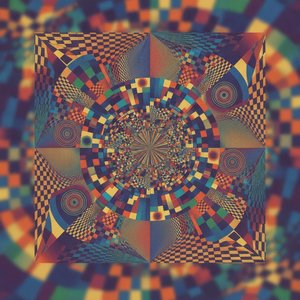
Vilag II, created in 1978, exemplifies this philosophy perfectly. It’s a serigraph – a screenprint technique that allows for the creation of incredibly vibrant and detailed images – utilizing bold hues of blue, red, and black against a stark white background. The composition isn't about depicting a recognizable scene; instead, it’s an intricate dance of intersecting circles, each subtly differentiated through variations in color and texture. These aren’t static forms; they seem to vibrate with energy, creating a sense of movement and depth that defies the limitations of a two-dimensional surface.
Op Art's Architect: Vasarely and the Pursuit of Spatial Illusion
Vasarely is undeniably one of the pioneers of Op Art – Optical Art. This movement sought to manipulate visual perception, creating illusions of depth, movement, and three-dimensionality through purely formal means. He wasn’t interested in mimicking reality; rather, he aimed to reveal the inherent dynamism within how we *see* the world. His method involved meticulously calculated grids and mathematical principles, translating these into patterns that actively engage the viewer's brain, triggering a fascinating interplay between what is seen and what is perceived.
The creation of Vilag II reflects this dedication to controlled experimentation. Vasarely’s systematic approach ensured that each element contributed to the overall illusion, working in harmony to generate a complex yet balanced visual experience. The piece draws heavily on principles of Gestalt psychology – the idea that our brains automatically organize visual information into meaningful groups and patterns – further enhancing its captivating effect.
A Transatlantic Dialogue: Vasarely's Influence
Vasarely’s work transcended national boundaries, engaging in a transatlantic exchange with artists like Alexander Calder, Fernand Léger, and Carlos Cruz-Diez. He played a pivotal role in the renovation of Ciudad Universitaria de Caracas (1944-70) under Carlos Raúl Villanueva, contributing to public artworks that transformed the campus into a symbol of modernity and urban planning. This project showcased Vasarely’s ability to create art accessible to all, democratizing visual experience and solidifying his legacy as a visionary artist.
The inclusion of elements like the interlocking circles and contrasting colors in Vilag II speaks to this broader engagement. It's not simply an isolated artwork; it’s part of a larger narrative – a testament to Vasarely’s commitment to pushing the boundaries of art and its relationship with society. The piece invites contemplation on how we perceive reality, mirroring the artist's own exploration into the fundamental principles governing perception and form.
Collecting the Illusion: A Timeless Masterpiece
Vilag II is more than just a beautiful image; it’s an investment in a piece of art history. Reproductions capture the vibrancy and complexity of the original, offering a way to bring Vasarely's groundbreaking vision into your home or office. Consider this artwork not merely as decoration, but as a portal – a reminder that our perception is constantly being shaped by the world around us, and that even the simplest forms can hold profound meaning.
प्रश्न और उत्तर
"Vilag II" का निर्माण किसने किया है और यह किस शैली में है?
"Vilag II" की रचना विक्टर वासरेली द्वारा Op Art शैली में की गई थी। कलाकार और कला आंदोलन इस कृति की परंपरा की पहचान कराते हैं।
मैं विक्टर वासरेली द्वारा "Vilag II" की डिजिटल फ़ाइल कैसे प्राप्त कर सकता हूँ?
विक्टर वासरेली द्वारा "Vilag II" की डिजिटल छवि इसके डिजिटल छवि पेज पर खरीदी जा सकती है: एक उच्च-रिज़ॉल्यूशन वाली डिजिटल इमेज डाउनलोड।
विक्टर वासरेली द्वारा "Vilag II" के स्वरूप (format) के लिए कौन सी जगह सबसे उपयुक्त रहेगी?
अपने Square आकार के साथ, "Vilag II" की यह प्रतिकृति Living Room के लिए उपयुक्त है।
कलाकार का परिचय
विक्टर वासरेली: भ्रम और ज्यामिति का जादूगर
१९०६ में पेच, क्रोएशिया (जो उस समय ऑस्ट्रिया-हंगरी का हिस्सा था) में जन्मे विक्टर वासरेली, जिन्हें मूल रूप से ग्योज़ो वासार्हेली के नाम से जाना जाता था, आधुनिक कला के इतिहास में एक अद्वितीय स्थान रखते हैं। वे ऑप्टिकल आर्ट (Op Art) और गतिज कला (Kinetic Art) के अग्रणी थे, जिन्होंने अपनी रचनाओं के माध्यम से हमारी देखने की क्षमता को चुनौती दी। वासरेली का जीवन चिकित्सा के अध्ययन से कलात्मक खोज तक एक असाधारण यात्रा थी, जो ज्यामितीय अमूर्तता और दृश्य भ्रमों के प्रति उनके अटूट समर्पण को दर्शाता है। उन्होंने न केवल कलात्मक सीमाओं को तोड़ा, बल्कि यह भी दिखाया कि कैसे गणितीय सिद्धांतों और वैज्ञानिक समझ का उपयोग करके सौंदर्यपूर्ण रूप से मनमोहक रचनाएँ बनाई जा सकती हैं। उनका काम आज भी दुनिया भर में प्रेरणा का स्रोत बना हुआ है, जो हमें दृश्य अनुभव की जटिलताओं पर विचार करने के लिए प्रेरित करता है।
प्रारंभिक जीवन और प्रभाव: Bauhaus का साया
वासरेली ने शुरूआती शिक्षा चिकित्सा के क्षेत्र में ली थी, लेकिन कला के प्रति उनके जुनून ने उन्हें बुडापेस्ट के पोडोलिनी-वोल्कमैन अकादमी में चित्रकला का अध्ययन करने के लिए प्रेरित किया। उनका सबसे महत्वपूर्ण अनुभव सैंडोर बोर्टनिक के कार्यशाला – मुहेले (Műhely) में आया, जो Bauhaus आंदोलन से गहराई से प्रभावित था। इस कार्यशाला ने उन्हें कार्यात्मक डिजाइन और ज्यामितीय अमूर्तता के सिद्धांतों को समझने में मदद की, जिसने उनके बाद के काम को आकार दिया। उन्होंने पियट मोंड्रियन और काज़िमिर मालेविच जैसे कलाकारों से प्रेरणा ली, लेकिन केवल उनकी शैली की नकल करने के बजाय, वासरेली ने एक ऐसी गतिशील कला बनाने का प्रयास किया जो दर्शक की धारणा को सक्रिय रूप से संलग्न करे। १९३० में पेरिस जाने के बाद, उन्होंने ग्राफिक डिजाइन और विज्ञापन में काम करते हुए अपनी कलात्मक कौशल को निखाराया, और धीरे-धीरे अपने विशिष्ट शैली का विकास किया।
ऑप्टिकल आर्ट का जन्म: भ्रम का विज्ञान
१९६० के दशक तक, विक्टर वासरेली ऑप्टिकल आर्ट आंदोलन के प्रमुख व्यक्ति बन गए। उन्होंने अपनी रचनाओं में एक व्यवस्थित पद्धति का उपयोग किया, ज्यामितीय आकृतियों और रंगों को इस तरह से व्यवस्थित किया कि वे दृश्य भ्रम पैदा करते थे - जैसे गति का आभास, गहराई या कंपन। यह कोई धोखा नहीं था; बल्कि, यह धारणा की अंतर्निहित गतिशीलता को उजागर करने का प्रयास था। वासरेली ने कला को लोकतांत्रिक बनाने के लिए पुनरुत्पादन और वाणिज्यिक अनुप्रयोगों को अपनाया, जिससे यह संग्रहालयों और दीर्घाओं से परे भी पहुंच योग्य हो गई। उन्होंने दर्शकों को अपनी दृश्य अनुभव पर सवाल उठाने और अर्थ के निर्माण में सक्रिय रूप से भाग लेने के लिए प्रेरित किया। उनकी रचनाएँ न केवल सौंदर्यपूर्ण रूप से मनमोहक थीं, बल्कि वे वैज्ञानिक सिद्धांतों पर आधारित थीं, जो उन्हें कलात्मक अभिव्यक्ति का एक अनूठा उदाहरण बनाती हैं।
गतिज कला और विरासत: कला का विस्तार
वासरेली की कलात्मक खोज स्थिर भ्रमों तक ही सीमित नहीं थी। उन्होंने गतिज कला के क्षेत्र में भी प्रवेश किया, ऐसी रचनाएँ बनाईं जो वास्तविक गति को शामिल करती थीं या दृश्य प्रभावों के माध्यम से गति का आभास देती थीं। “जॉर्जेस पोम्पिडो” (१९७६), जो पेरिस के सेंटर पोम्पिडो पर स्थापित एक बड़ी गतिमान वस्तु है, इस महत्वाकांक्षा का प्रमाण है - कला और वास्तुकला का एकीकरण जो शहरी डिजाइन के पैमाने पर होता है। उन्होंने रोसेन्थल चीनी मिट्टी के बरतन के साथ अपने सहयोग के माध्यम से वाणिज्यिक उत्पादों में भी अपनी डिजाइनों को लागू किया, जिसके परिणामस्वरूप प्रतिष्ठित “सुओमी” टेबलवेयर श्रृंखला सामने आई। यह सीमाओं को धुंधला करने की उनकी इच्छा ने कला और लोकप्रिय संस्कृति के बीच एक स्थायी छाप छोड़ी है। उन्होंने फाउंडेशन वासरेली की स्थापना करके अपने कार्यों के संरक्षण और प्रचार को सुनिश्चित किया, और १९८२ में फ्रेंच-सोवियत अंतरिक्ष यान सल्यूट ७ पर उनके सीरोग्राफ्स को शामिल करना उनकी कला की वैश्विक मान्यता का प्रतीक था।
ऐतिहासिक महत्व: आधुनिकतावादी दृष्टि
वासरेली का कला इतिहास में योगदान बहुआयामी है। उन्होंने पारंपरिक चित्रकला तकनीकों से परे जाकर ऐसी रचनाएँ बनाईं जो दर्शक की धारणा को सक्रिय रूप से संलग्न करती हैं। उनकी व्यवस्थित दृष्टिकोण ने कलात्मक रचनात्मकता के पारंपरिक विचारों को चुनौती दी और कंप्यूटर-जनित कला और डिजिटल डिजाइन का मार्ग प्रशस्त किया। पुनरुत्पादन और वाणिज्यिक अनुप्रयोगों को अपनाकर, वासरेली ने ललित कला और लोकप्रिय संस्कृति के बीच की सीमाओं को धुंधला कर दिया, जिससे दोनों पर एक स्थायी प्रभाव पड़ा। उन्होंने न केवल सौंदर्यपूर्ण रूप से मनभावन वस्तुएँ बनाईं, बल्कि दृश्य अनुभव के बारे में मौलिक सत्य प्रकट करने वाले दृश्य प्रयोग भी किए। उनकी रचनाएँ आज भी हमें ज्यामिति की सुंदरता, अमूर्तता की शक्ति और मानव रचनात्मकता की अनंत संभावनाओं की याद दिलाती हैं। वासरेली वास्तव में एक दूरदर्शी थे जिन्होंने हमारी कला को देखने के तरीके को हमेशा के लिए बदल दिया.

विक्टर वासरेली
1906 - 1997 , क्रोएशिया
संक्षिप्त जानकारी
- कलात्मक शैली: ऑप आर्ट, गतिज कला
- जन्म तिथि: 9 अप्रैल 1906
- जन्म स्थान: पेक्स, क्रोएशिया
- पूरा नाम: विक्टर वासरेली
- प्रभावित आंदोलन:
- ग्राफिक डिजाइन
- आंतरिक डिजाइन
- प्रभावित कलाकार:
- पीट मोंड्रियान
- काजिमीर मालेविच
- प्रमुख कलाकृतियाँ:
- ब्लू स्टडी
- ग्रीन स्टडी
- ज़ेबरा
- मृत्यु तिथि: 15 मार्च 1997
- राष्ट्रीयता: हंगेरियन-फ्रांसीसी
संबंधित लेखों की सूची

Victor Vasarely: Pioneering Op Art & Democratizing Visual Experience
Explore the revolutionary world of Victor Vasarely, father of Op Art. Discover his geometric masterpieces, artistic system, & lasting impact on modern design. A guide for discerning art collectors.
Mastering Illusion: The Vibrant World of Victor Vasarely's Op Art and the Geometry of Perception
Explore the mesmerizing world of Victor Vasarely. Discover how his Bauhaus-inspired Op Art masters the science of perception through geometric abstraction and vibrant color. A sophisticated guide for discerning art collectors seeking to understand the legacy of optical illusion.

Op Art Unveiled: The Science of Optical Illusion and Kinetic Movement in Geometric Abstraction
Explore the science of Op Art through the lens of masters like Victor Vasarely. Discover how geometric abstraction uses optical illusions to create movement and delve into the neuroaesthetics of perception with our expert art history guide.

ज्यामितीय अमूर्तता: शीर्ष 10 उत्कृष्ट कृतियाँ जो कला को नया आकार देती हैं | OriginalUniqueArt.com
ज्यामितीय अमूर्तता की शीर्ष 10 उत्कृष्ट कृतियों का अन्वेषण करें! पिकासो, मोंड्रियन और अन्य कलाकारों के प्रेरणादायक कार्यों से कला इतिहास जानें। OriginalUniqueArt.com पर उच्च गुणवत्ता वाली कला प्रिंट और कैनवास खरीदें।

Neo-Abstract Art: The High-Impact Evolution of Modern Visual Energy and Geometric Sophistication
Discover the power of Neo-Abstract art. Explore how bold geometric forms and high-impact visual energy are redefining modern design. Learn to curate sophisticated, high-energy spaces with the latest trends in contemporary abstraction and structural color.


