

 पूर्वावलोकन देखें
 भेजें
भेजें साझा करें
 विवरण देखें
 मार्गदर्शिका

 डाउनलोड करें
 समान वस्तुएं
 एक्स-रे
 स्लाइड शो देखें
 आंकड़े
Ibadan


 और पढ़ें
इस पृष्ठ पर प्रदर्शित कलाकृति कॉपीराइट कानून द्वारा संरक्षित है, जिसका अर्थ है कि हम कानूनी रूप से इसकी हूबहू प्रतिलिपि बनाने या बेचने का अधिकार नहीं रखते हैं। यह संरक्षण अंतर्राष्ट्रीय समझौतों के तहत लागू किया जाता है, जैसे कि बर्न कन्वेंशन और राष्ट्रीय कानूनों द्वारा, जिनमें % द्वारा निर्धारित कानून भी शामिल हैं। अमेरिकी कॉपीराइट कानून - शीर्षक 17।
यह विधि कॉपीराइट नियमों का पूरी तरह से पालन करती है क्योंकि इसमें संरक्षित कलाकृति की नकल या प्रतिलिपि बनाना शामिल नहीं है। इसके बजाय, यह एक रचनात्मक पुनर्व्याख्या है - एक ऐसी नई पेंटिंग जो मूल कृति से प्रेरित तो है, लेकिन उसके समान नहीं है।
गिक्ली / आर्ट प्रिंट
तेज़ उत्पादन और विभिन्न फिनिश विकल्पों के साथ म्यूजियम-क्वालिटी गिकली (giclée) या कैनवस प्रिंट। ( हाथ से बनी पेंटिंग खरीदें डिजिटल इमेज पर जाएँ)




P118B ₹10

P118H ₹10

P118W ₹10

P438Z ₹10

P508JH ₹12

P508YH ₹12

P805H ₹10

P805Z ₹10

P919BZ ₹10

P919G ₹10

P919XJ ₹10

P959ZH ₹10

P968JZ ₹12

W106C ₹8

W218G ₹10

W218JH ₹8

W218Y ₹10

W307PJ ₹10

W316G ₹10

W316PJ ₹8

W316Y ₹10

W398PJ ₹8

W4111J ₹10

W500HY ₹15

W500JH ₹15

W692G ₹12

W849H ₹8

W940BG ₹15

W953PJ ₹8




कलाकृति के मूल अनुपात से मेल खाने वाले हमारे पूर्व निर्धारित आकारों में से चुनें।

अपने फ्रेम या अपनी दीवार के अनुसार आवश्यक चौड़ाई और ऊंचाई दर्ज करें। प्रिंट को केवल काटा जा सकता है, चित्र से बड़ा कभी नहीं बनाया जा सकता, इसलिए अलग आकार का साइज चित्र का एक हिस्सा खो देता है। किसी भी चीज़ को प्रिंट करने से पहले हम आपकी स्वीकृति के लिए आपको एक डिजिटल मॉकअप भेजते हैं। इस पृष्ठ पर दिखाया गया चित्र वास्तविक कटिंग नहीं दिखाता है — केवल मॉकअप ही इसे दर्शाता है।
विश्वव्यापी डिलीवरी (), मानक 4/5 सप्ताह के बजाय मात्र 2 सप्ताह में। (22 अक्टूबर)

दुनिया भर में मुफ़्त एक्सप्रेस शिपिंग

प्रीमियम ग्रेड लिनेन कैनवास

पूर्ण शिपिंग बीमा

सीमा शुल्क और आयात कर वापसी की गारंटी

सटीक रंग मिलान की गारंटी

100 दिनों की वापसी नीति (केवल निर्माण दोष होने पर)

100% पैसे वापसी की गारंटी

थोक छूट का अवसर
 ग्लास का विकल्प केवल 110 सेमी से कम आकार में ही उपलब्ध है।

Ibadan
गिक्ली / आर्ट प्रिंट
प्रतिकृति का आकार
-


कुल मूल्य
₹ 7653
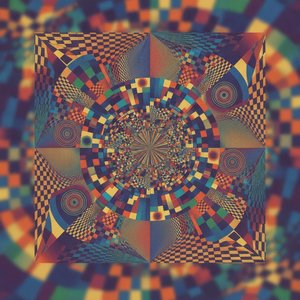
A Geometric Dance of Perception: Exploring Victor Vasarely’s “Ibadan”
Victor Vasarely (1906-1997), a Hungarian-born artist who emigrated to France in 1938, stands as an undeniable titan amongst the pioneers of Op Art – Optical Art. This movement, emerging in the mid-1960s, sought to challenge our fundamental understanding of visual perception by exploiting illusions created through repetitive geometric patterns. Vasarely’s “Ibadan,” a deceptively simple painting measuring 29 x 4 cm, embodies this ethos perfectly, presenting a mesmerizing interplay between color and form that continues to captivate viewers decades after its creation.
- Subject Matter: The artwork eschews representational imagery altogether. Instead, it focuses entirely on abstract geometric shapes—primarily circles and squares—arranged in a dynamic composition. This deliberate absence of recognizable subjects elevates the piece beyond mere decoration, inviting contemplation about the nature of visual experience itself.
- Style & Technique: Vasarely’s signature style is characterized by meticulous precision and systematic construction. He developed a mathematical system for generating patterns based on conic sections—specifically hyperbolas and ellipses—resulting in designs that appear to shimmer and shift subtly as they move across the canvas. The painting utilizes encaustic, a technique combining beeswax and resin pigments, which lends it remarkable durability and allows for exceptional tonal control.
The visual impact of “Ibadan” is profound. The dominant blue background serves as a grounding element against which the scattered circles—ranging in size from substantial to diminutive—perform an almost choreographed dance. These circles aren’t merely decorative; they are meticulously positioned according to Vasarely's mathematical system, creating an illusion of movement and depth that defies conventional perspective.
- Historical Context: Op Art emerged during a period of significant artistic experimentation following World War II. Artists like Vasarely sought to push the boundaries of painting by exploring the psychological effects of visual stimuli—specifically how our eyes perceive color, shape, and movement. It coincided with advancements in neuroscience and psychology, reflecting a broader fascination with understanding the workings of consciousness.
- Symbolism & Emotional Resonance: While Vasarely himself resisted assigning explicit symbolic meaning to his work, “Ibadan” undeniably evokes feelings of serenity and wonder. The repetition of geometric forms taps into primal patterns found throughout nature—the spirals of seashells or the orbits of planets—suggesting a connection to universal order and harmony. Its understated elegance speaks to a desire for beauty that transcends literal representation.
“Ibadan” exemplifies Vasarely’s unwavering commitment to exploring the relationship between mathematics and art. It's more than just a painting; it’s an invitation to reconsider how we see—and experience—the world around us. A stunning reproduction captures not only the visual brilliance of this iconic piece but also transmits its underlying philosophical message.
प्रश्न और उत्तर
"Ibadan" के रंग कितनी रोशनी परावर्तित करते हुए प्रतीत होते हैं?
विक्टर वासरेली द्वारा "Ibadan" के लिए दर्ज की गई चमक (luminance) Luminous है।
क्या विक्टर वासरेली द्वारा "Ibadan" कलाकार के गृह देश में रखा गया है?
नहीं - यह कलाकृति विदेश में रखी गई है. विक्टर वासरेली का जन्म देश क्रोएशिया है, और "Ibadan" की मूल प्रति जिस संग्रहालय में रखी गई है, वह संयुक्त राज्य अमेरिका में है।
विक्टर वासरेली के आवर्ती विषयों के बीच "Ibadan" का क्या स्थान है?
विक्टर वासरेली के आवर्ती विषयों में geometric abstraction, bauhaus principles, visual illusionism, hungarian modernism, exploring perception शामिल हैं; "Ibadan" का ध्यान geometric patterns, optical art, abstraction, circular shapes, visual perception, hungarian artist, bauhaus influence पर केंद्रित है।
कलाकार का परिचय
विक्टर वासरेली: भ्रम और ज्यामिति का जादूगर
१९०६ में पेच, क्रोएशिया (जो उस समय ऑस्ट्रिया-हंगरी का हिस्सा था) में जन्मे विक्टर वासरेली, जिन्हें मूल रूप से ग्योज़ो वासार्हेली के नाम से जाना जाता था, आधुनिक कला के इतिहास में एक अद्वितीय स्थान रखते हैं। वे ऑप्टिकल आर्ट (Op Art) और गतिज कला (Kinetic Art) के अग्रणी थे, जिन्होंने अपनी रचनाओं के माध्यम से हमारी देखने की क्षमता को चुनौती दी। वासरेली का जीवन चिकित्सा के अध्ययन से कलात्मक खोज तक एक असाधारण यात्रा थी, जो ज्यामितीय अमूर्तता और दृश्य भ्रमों के प्रति उनके अटूट समर्पण को दर्शाता है। उन्होंने न केवल कलात्मक सीमाओं को तोड़ा, बल्कि यह भी दिखाया कि कैसे गणितीय सिद्धांतों और वैज्ञानिक समझ का उपयोग करके सौंदर्यपूर्ण रूप से मनमोहक रचनाएँ बनाई जा सकती हैं। उनका काम आज भी दुनिया भर में प्रेरणा का स्रोत बना हुआ है, जो हमें दृश्य अनुभव की जटिलताओं पर विचार करने के लिए प्रेरित करता है।
प्रारंभिक जीवन और प्रभाव: Bauhaus का साया
वासरेली ने शुरूआती शिक्षा चिकित्सा के क्षेत्र में ली थी, लेकिन कला के प्रति उनके जुनून ने उन्हें बुडापेस्ट के पोडोलिनी-वोल्कमैन अकादमी में चित्रकला का अध्ययन करने के लिए प्रेरित किया। उनका सबसे महत्वपूर्ण अनुभव सैंडोर बोर्टनिक के कार्यशाला – मुहेले (Műhely) में आया, जो Bauhaus आंदोलन से गहराई से प्रभावित था। इस कार्यशाला ने उन्हें कार्यात्मक डिजाइन और ज्यामितीय अमूर्तता के सिद्धांतों को समझने में मदद की, जिसने उनके बाद के काम को आकार दिया। उन्होंने पियट मोंड्रियन और काज़िमिर मालेविच जैसे कलाकारों से प्रेरणा ली, लेकिन केवल उनकी शैली की नकल करने के बजाय, वासरेली ने एक ऐसी गतिशील कला बनाने का प्रयास किया जो दर्शक की धारणा को सक्रिय रूप से संलग्न करे। १९३० में पेरिस जाने के बाद, उन्होंने ग्राफिक डिजाइन और विज्ञापन में काम करते हुए अपनी कलात्मक कौशल को निखाराया, और धीरे-धीरे अपने विशिष्ट शैली का विकास किया।
ऑप्टिकल आर्ट का जन्म: भ्रम का विज्ञान
१९६० के दशक तक, विक्टर वासरेली ऑप्टिकल आर्ट आंदोलन के प्रमुख व्यक्ति बन गए। उन्होंने अपनी रचनाओं में एक व्यवस्थित पद्धति का उपयोग किया, ज्यामितीय आकृतियों और रंगों को इस तरह से व्यवस्थित किया कि वे दृश्य भ्रम पैदा करते थे - जैसे गति का आभास, गहराई या कंपन। यह कोई धोखा नहीं था; बल्कि, यह धारणा की अंतर्निहित गतिशीलता को उजागर करने का प्रयास था। वासरेली ने कला को लोकतांत्रिक बनाने के लिए पुनरुत्पादन और वाणिज्यिक अनुप्रयोगों को अपनाया, जिससे यह संग्रहालयों और दीर्घाओं से परे भी पहुंच योग्य हो गई। उन्होंने दर्शकों को अपनी दृश्य अनुभव पर सवाल उठाने और अर्थ के निर्माण में सक्रिय रूप से भाग लेने के लिए प्रेरित किया। उनकी रचनाएँ न केवल सौंदर्यपूर्ण रूप से मनमोहक थीं, बल्कि वे वैज्ञानिक सिद्धांतों पर आधारित थीं, जो उन्हें कलात्मक अभिव्यक्ति का एक अनूठा उदाहरण बनाती हैं।
गतिज कला और विरासत: कला का विस्तार
वासरेली की कलात्मक खोज स्थिर भ्रमों तक ही सीमित नहीं थी। उन्होंने गतिज कला के क्षेत्र में भी प्रवेश किया, ऐसी रचनाएँ बनाईं जो वास्तविक गति को शामिल करती थीं या दृश्य प्रभावों के माध्यम से गति का आभास देती थीं। “जॉर्जेस पोम्पिडो” (१९७६), जो पेरिस के सेंटर पोम्पिडो पर स्थापित एक बड़ी गतिमान वस्तु है, इस महत्वाकांक्षा का प्रमाण है - कला और वास्तुकला का एकीकरण जो शहरी डिजाइन के पैमाने पर होता है। उन्होंने रोसेन्थल चीनी मिट्टी के बरतन के साथ अपने सहयोग के माध्यम से वाणिज्यिक उत्पादों में भी अपनी डिजाइनों को लागू किया, जिसके परिणामस्वरूप प्रतिष्ठित “सुओमी” टेबलवेयर श्रृंखला सामने आई। यह सीमाओं को धुंधला करने की उनकी इच्छा ने कला और लोकप्रिय संस्कृति के बीच एक स्थायी छाप छोड़ी है। उन्होंने फाउंडेशन वासरेली की स्थापना करके अपने कार्यों के संरक्षण और प्रचार को सुनिश्चित किया, और १९८२ में फ्रेंच-सोवियत अंतरिक्ष यान सल्यूट ७ पर उनके सीरोग्राफ्स को शामिल करना उनकी कला की वैश्विक मान्यता का प्रतीक था।
ऐतिहासिक महत्व: आधुनिकतावादी दृष्टि
वासरेली का कला इतिहास में योगदान बहुआयामी है। उन्होंने पारंपरिक चित्रकला तकनीकों से परे जाकर ऐसी रचनाएँ बनाईं जो दर्शक की धारणा को सक्रिय रूप से संलग्न करती हैं। उनकी व्यवस्थित दृष्टिकोण ने कलात्मक रचनात्मकता के पारंपरिक विचारों को चुनौती दी और कंप्यूटर-जनित कला और डिजिटल डिजाइन का मार्ग प्रशस्त किया। पुनरुत्पादन और वाणिज्यिक अनुप्रयोगों को अपनाकर, वासरेली ने ललित कला और लोकप्रिय संस्कृति के बीच की सीमाओं को धुंधला कर दिया, जिससे दोनों पर एक स्थायी प्रभाव पड़ा। उन्होंने न केवल सौंदर्यपूर्ण रूप से मनभावन वस्तुएँ बनाईं, बल्कि दृश्य अनुभव के बारे में मौलिक सत्य प्रकट करने वाले दृश्य प्रयोग भी किए। उनकी रचनाएँ आज भी हमें ज्यामिति की सुंदरता, अमूर्तता की शक्ति और मानव रचनात्मकता की अनंत संभावनाओं की याद दिलाती हैं। वासरेली वास्तव में एक दूरदर्शी थे जिन्होंने हमारी कला को देखने के तरीके को हमेशा के लिए बदल दिया.

विक्टर वासरेली
1906 - 1997 , क्रोएशिया
संक्षिप्त जानकारी
- कलात्मक शैली: ऑप आर्ट, गतिज कला
- जन्म तिथि: 9 अप्रैल 1906
- जन्म स्थान: पेक्स, क्रोएशिया
- पूरा नाम: विक्टर वासरेली
- प्रभावित आंदोलन:
- ग्राफिक डिजाइन
- आंतरिक डिजाइन
- प्रभावित कलाकार:
- पीट मोंड्रियान
- काजिमीर मालेविच
- प्रमुख कलाकृतियाँ:
- ब्लू स्टडी
- ग्रीन स्टडी
- ज़ेबरा
- मृत्यु तिथि: 15 मार्च 1997
- राष्ट्रीयता: हंगेरियन-फ्रांसीसी
संबंधित लेखों की सूची

Victor Vasarely: Pioneering Op Art & Democratizing Visual Experience
Explore the revolutionary world of Victor Vasarely, father of Op Art. Discover his geometric masterpieces, artistic system, & lasting impact on modern design. A guide for discerning art collectors.

ज्यामितीय अमूर्तता: शीर्ष 10 उत्कृष्ट कृतियाँ जो कला को नया आकार देती हैं | OriginalUniqueArt.com
ज्यामितीय अमूर्तता की शीर्ष 10 उत्कृष्ट कृतियों का अन्वेषण करें! पिकासो, मोंड्रियन और अन्य कलाकारों के प्रेरणादायक कार्यों से कला इतिहास जानें। OriginalUniqueArt.com पर उच्च गुणवत्ता वाली कला प्रिंट और कैनवास खरीदें।

Neo-Abstract Art: The High-Impact Evolution of Modern Visual Energy and Geometric Sophistication
Discover the power of Neo-Abstract art. Explore how bold geometric forms and high-impact visual energy are redefining modern design. Learn to curate sophisticated, high-energy spaces with the latest trends in contemporary abstraction and structural color.

Op Art Unveiled: The Science of Optical Illusion and Kinetic Movement in Geometric Abstraction
Explore the science of Op Art through the lens of masters like Victor Vasarely. Discover how geometric abstraction uses optical illusions to create movement and delve into the neuroaesthetics of perception with our expert art history guide.
Mastering Illusion: The Vibrant World of Victor Vasarely's Op Art and the Geometry of Perception
Explore the mesmerizing world of Victor Vasarely. Discover how his Bauhaus-inspired Op Art masters the science of perception through geometric abstraction and vibrant color. A sophisticated guide for discerning art collectors seeking to understand the legacy of optical illusion.


