
 पूर्वावलोकन देखें
 साझा करें
 साझा करें
 विस्तृत विवरण
 मार्गदर्शिका

 डाउनलोड करें
 समान वस्तुएं
 एक्स-रे
 स्लाइड शो देखें
 प्रश्न और उत्तर
 आंकड़े
Shoki and Demon, Edo period


 पूरा देखें
गिक्ली / आर्ट प्रिंट
तेज़ उत्पादन और विभिन्न फिनिश विकल्पों के साथ म्यूजियम-क्वालिटी गिकली (giclée) या कैनवस प्रिंट। ( इस संग्रहणीय वस्तु की हाथ से बनी प्रतिकृति मंगवाएं डिजिटल इमेज पर स्विच करें)




P118B ₹10

P118H ₹10

P118W ₹10

P438Z ₹10

P508JH ₹12

P508YH ₹12

P805H ₹10

P805Z ₹10

P919BZ ₹10

P919G ₹10

P919XJ ₹10

P959ZH ₹10

P968JZ ₹12

W106C ₹8

W218G ₹10

W218JH ₹8

W218Y ₹10

W307PJ ₹10

W316G ₹10

W316PJ ₹8

W316Y ₹10

W398PJ ₹8

W4111J ₹10

W500HY ₹15

W500JH ₹15

W692G ₹12

W849H ₹8

W940BG ₹15

W953PJ ₹8




कलाकृति के मूल अनुपात से मेल खाने वाले हमारे पूर्व निर्धारित आकारों में से चुनें।

अपने फ्रेम या अपनी दीवार के अनुसार आवश्यक चौड़ाई और ऊंचाई दर्ज करें। प्रिंट को केवल काटा जा सकता है, चित्र से बड़ा कभी नहीं बनाया जा सकता, इसलिए अलग आकार का साइज चित्र का एक हिस्सा खो देता है। किसी भी चीज़ को प्रिंट करने से पहले हम आपकी स्वीकृति के लिए आपको एक डिजिटल मॉकअप भेजते हैं। इस पृष्ठ पर दिखाया गया चित्र वास्तविक कटिंग नहीं दिखाता है — केवल मॉकअप ही इसे दर्शाता है।
विश्वव्यापी डिलीवरी (), मानक 4/5 सप्ताह के बजाय मात्र 2 सप्ताह में। (4 नवमबर)

दुनिया भर में मुफ़्त एक्सप्रेस शिपिंग

उच्च गुणवत्ता वाला लिनेन कैनवास

पूर्ण शिपिंग बीमा

सीमा शुल्क और आयात कर वापसी की गारंटी

सटीक रंग मिलान की गारंटी

100 दिनों की वापसी नीति (केवल दोष होने पर)

100% पैसे वापसी की गारंटी

थोक छूट का अवसर
 ग्लास का विकल्प केवल 110 सेमी से कम आकार में ही उपलब्ध है।

Shoki and Demon, Edo period
गिक्ली / आर्ट प्रिंट
प्रतिकृति का आकार
-


कुल देय राशि
₹ 7806
A Symphony of Line and Legend
In the heart of the Edo period, a time when the "floating world" pulsed with vibrant energy and supernatural intrigue, Utagawa Kuniyoshi captured a moment of profound cosmic struggle. His masterpiece, Shoki and Demon, created circa 1850, is far more than a mere depiction of combat; it is a breathtaking window into the Japanese soul, where the boundaries between the mortal realm and the spirit world blur through masterful artistry. The print presents us with Shoki, the legendary vanquisher of demons, locked in a dynamic confrontation with a supernatural adversary. This encounter is not just a battle of blades, but a symbolic clash between righteousness and chaos, rendered with a precision that commands the viewer's immediate attention.
The composition is a masterclass in asymmetrical balance, a hallmark of the Ukiyo-e tradition. Kuniyoshi places the imposing figure of the warrior prominently within the frame, his presence anchored by bold, sweeping lines that convey an almost palpable sense of movement. To his side, a small fox, or kitsune, sits as a subtle, enigmatic counterpoint. In Japanese folklore, the fox is a creature of illusion and cunning, and its placement serves to deepen the narrative tension, suggesting that beneath the surface of this physical duel lies a complex web of wisdom, trickery, and ancient magic.
The Mastery of the Woodblock
To behold this work is to appreciate the incredible technical sophistication of the katazukuri printing process. Kuniyoshi, whose early life was steeped in the colorful world of his father's silk-dyeing business, brought an unparalleled sensitivity to color and texture to his prints. The artwork utilizes a striking palette dominated by deep blacks, stark whites, and varying shades of grey, creating a dramatic chiaroscuro effect that enhances the imposing presence of the central figure. This monochromatic strength is punctuated by deliberate touches of color—such as the red and blue of the fox—which draw the eye across the composition like sparks in the night.
The artist employs tachibana-e, a technique where broad, expressive brushstrokes mimic the fluidity of ink painting, elevating the woodblock print from simple illustration to high art. Each layer of ink was meticulously applied through sequential carving and pressing, resulting in a rich textural depth that makes the warrior's layered robes appear heavy with history and significance. For the discerning collector or interior designer, this piece offers a profound sense of structural elegance; its strong, defined forms and rhythmic linework provide a sophisticated focal point that can anchor a room with an air of historical gravity and cultural prestige.
An Eternal Resonance for the Modern Collector
Beyond its technical brilliance, Shoki and Demon resonates emotionally through its themes of protection and courage. The sword wielded by Shoki is not merely a weapon, but a symbol of the righteous defense against the unseen forces of darkness. This narrative of triumph over adversity possesses a timeless quality that transcends the borders of 19th-century Japan, making it deeply relatable to contemporary audiences. It evokes a sense of awe and a quiet strength, inviting contemplation on the eternal struggle between order and disorder.
For those seeking to curate a space filled with storytelling and character, a high-quality reproduction of this Kuniyoshi masterpiece offers an unparalleled opportunity. Whether integrated into a minimalist modern setting to provide a striking historical contrast or placed within a traditional gallery arrangement, the print brings with it the spirit of the Edo period. It is an investment in a piece of cultural heritage—a fragment of a legendary era that continues to inspire wonder, much like the very legends it depicts.
प्रश्न और उत्तर
"Shoki and Demon, Edo period" का निर्माण किसने किया है और यह किस शैली में है?
"Shoki and Demon, Edo period" के पीछे उतागावा कुनियोशी और Ukiyo-e आंदोलन का योगदान है।
"Shoki and Demon, Edo period" का वातावरण कैसा है?
उतागावा कुनियोशी द्वारा "Shoki and Demon, Edo period" का समग्र भाव Dramatic है। यह भाव कलाकृति के सामान्य वातावरण को दर्शाता है।
"Shoki and Demon, Edo period" के Ukiyo-e का संबंध किस देश की संस्कृति से है?
Ukiyo-e शैली की यह कृति "Shoki and Demon, Edo period", जापान में जन्मे एक कलाकार द्वारा बनाई गई थी।
कलाकार की जीवनी
उतागावा कुनियोशी: तैरती दुनिया के अंतिम महान उस्ताद
उतागावा कुनियोशी, जिनका जन्म 1 जनवरी 1798 को एडो (आधुनिक टोक्यो) में योशिसाबुरो के नाम से हुआ था, *उकियो-ए* परंपरा के समापन काल में एक विशाल व्यक्तित्व के रूप में खड़े थे – “तैरती दुनिया की तस्वीरें” जो एडो काल के दौरान जापानी जीवन को इतनी जीवंतता से कैद करती थीं। उनकी यात्रा कलात्मक मंडलों में नहीं, बल्कि उनके पिता के रेशम रंगाई व्यवसाय के व्यावहारिक क्षेत्र में शुरू हुई थी। रंग और पैटर्न के इस शुरुआती संपर्क ने बाद में उनके काम को सूक्ष्म रूप से प्रभावित किया, जिससे उसमें एक विशिष्ट जीवंतता आई। हालांकि, बचपन से ही कुनियोशी लोकप्रिय प्रिंटों में योद्धाओं और कारीगरों की नाटकीय दुनिया से मोहित थे। इन प्रारंभिक छापों ने उनके भीतर एक जुनून जगाया जिसने उनके जीवन के प्रयास को परिभाषित किया। 1811 में उन्होंने उतागावा टोयोकुनी प्रथम की कार्यशाला में प्रवेश किया, कुनियोशी नाम अपनाया और एक कठोर प्रशिक्षुता शुरू की जिसने उनके कौशल को निखारा और उन्हें उतागावा विद्यालय की परंपराओं से परिचित कराया।नम्र शुरुआत से लेकर कुशल नवाचार तक
कुनियोशी के शुरुआती करियर को सापेक्ष अस्पष्टता की अवधि द्वारा चिह्नित किया गया था। स्थापित शैलियों में कुशल होने के बावजूद, उन्होंने एडो प्रिंटमेकिंग के भीड़भाड़ वाले परिदृश्य में अपनी अनूठी आवाज खोजने के लिए संघर्ष किया। उनके प्रारंभिक कार्यों ने बड़े पैमाने पर अपने शिक्षक के कार्यों को प्रतिबिंबित किया, जिससे उन्हें समकालीनों से अलग करने के लिए बहुत कम पेशकश की गई। हालांकि, अन्वेषण का यह काल महत्वपूर्ण साबित हुआ। उन्होंने विभिन्न शैलियों और तकनीकों के साथ प्रयोग किया, धीरे-धीरे एक विशिष्ट दृष्टिकोण विकसित किया जो गतिशील रचनाओं, बोल्ड रंगों और कथा कहने की बढ़ती परिष्कृत समझ द्वारा विशेषता थी। 1827 में *लोकप्रिय सुइकोडेन के सौ आठ नायक* की रिलीज़ के साथ सफलता मिली, जो चीनी उपन्यास *शुई हु झूआन* पर आधारित एक विशाल श्रृंखला है। इस कार्य ने कुनियोशी को प्रसिद्धि दिलाई, जिससे वह *मुशा-ए* – योद्धा प्रिंटों के मास्टर के रूप में स्थापित हुए। यह श्रृंखला केवल वीर कहानियों का चित्रण नहीं थी; यह कुनियोशी की उभरती हुई नाटकीय रचना और चरित्र-चित्रण प्रतिभा का प्रदर्शन था। उन्होंने न केवल योद्धाओं को चित्रित किया; उन्होंने उन्हें सम्मोहक भावना और जटिल विवरण के साथ जीवन दिया।परंपरा और पश्चिमी प्रभाव का संश्लेषण
जो वास्तव में कुनियोशी को अलग करता है, वह नवाचार को अपनाने की उनकी इच्छा है, जबकि जापानी कलात्मक परंपराओं में गहराई से निहित रहना है। जैसे-जैसे एडो काल समाप्त होने के करीब आया, जापान ने पश्चिम के साथ बढ़ती संपर्क का अनुभव किया, और कुनियोशी पहले *उकियो-ए* कलाकारों में से एक थे जिन्होंने अपने काम में पश्चिमी परिप्रेक्ष्य और छायांकन तत्वों को शामिल किया। यह केवल नकल नहीं थी; उन्होंने गहराई, यथार्थवाद और नाटकीय प्रभाव को बढ़ाने के लिए कुशलतापूर्वक इन तकनीकों को एकीकृत किया। उनके परिदृश्य, विशेष रूप से, वायुमंडलीय प्रभावों और स्थानिक संबंधों की उत्कृष्ट महारत का प्रदर्शन करते हैं, अक्सर भव्यता और विस्मय की भावना पैदा करते हैं। तकनीक से परे, कुनियोशी ने *उकियो-ए* के विषय वस्तु का विस्तार किया। पारंपरिक विषयों जैसे सुंदर महिलाएं और कबुकी अभिनेता लोकप्रिय बने रहे, उन्होंने नई सीमाओं में प्रवेश किया, ऐतिहासिक दृश्यों, पौराणिक प्राणियों और समकालीन समाज पर व्यंग्यात्मक टिप्पणियों को चित्रित किया। उनकी त्रिपट *मिनamoto निवास में पृथ्वी मकड़ी एक राक्षस के रूप में प्रकट होती है* (1843) इस साहसी दृष्टिकोण का एक उत्कृष्ट उदाहरण है, जो चतुराई से एक काल्पनिक कथा के भीतर राजनीतिक आलोचना को छिपाता है।एक दूरदर्शी की विरासत
कुनियोशी का बाद की पीढ़ियों के कलाकारों पर गहरा प्रभाव पड़ा। उन्होंने 5,000 से अधिक डिजाइनों की विशाल और विविध रचना छोड़ी – जिसका अनुमान लगाया गया है – जो आज भी विस्मय और प्रशंसा को प्रेरित करती है। पारंपरिक जापानी सौंदर्यशास्त्र के साथ पश्चिमी तकनीकों के उनके अभिनव मिश्रण ने नई कलात्मक संभावनाओं का मार्ग प्रशस्त किया, जबकि सम्मेलनों को चुनौती देने की उनकी इच्छा ने *उकियो-ए* के दायरे को व्यापक बनाया। उन्होंने कई छात्रों को प्रशिक्षित किया, जिनमें योशितोशी शामिल थे, जो मीजी काल में उनकी विरासत को आगे ले जाएंगे।- प्रमुख श्रृंखला: *लोकप्रिय सुइकोडेन के सौ आठ नायक*, योद्धा प्रिंटमेकिंग में एक मील का पत्थर।
- कुशल रचनाएँ: गतिशील, दृश्यात्मक रूप से आकर्षक दृश्य बनाने की उनकी क्षमता अद्वितीय बनी हुई है।
- अभिनव तकनीकें: पश्चिमी परिप्रेक्ष्य और छायांकन को एकीकृत करने ने *उकियो-ए* लैंडस्केप पेंटिंग में क्रांति ला दी।
- विस्तारित विषय वस्तु: उन्होंने *उकियो-ए* की सीमाओं का विस्तार किया, नए विषयों और कथाओं का पता लगाया।

उतागावा कुनियोशी
1797 - 1861 , जापान
प्रमुख तथ्य
- कला आंदोलन/शैली: उकियो-ए
- जन्म तिथि: 1 जनवरी 1798
- जन्म स्थान: टोक्यो, जापान
- पूरा नाम: उतागावा कुनियोशी
- प्रभावित कलाकार: ['उतागावा टोयोकुनी']
- प्रमुख कलाकृतियाँ:
- वन सौ आठ नायक...
- तैरा नो तोमोमोरी का भूत
- गोजो पुल
- मृत्यु तिथि: 14 अप्रैल 1861
- राष्ट्रीयता: जापानी
संबंधित लेख
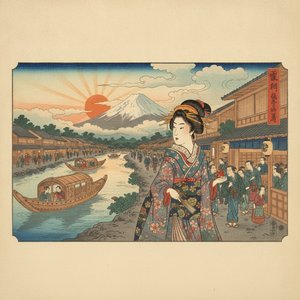
Ukiyo-e Unlocked: The Bold Japanese Art Movement That Defined Modern Pop Culture
Dive into the high-energy world of Ukiyo-e. Discover how Japan's 'floating world' woodblock prints pioneered bold colors and graphic storytelling, shaping the DNA of modern pop culture, anime, and street art. Explore the masters that defined a visual revolution.
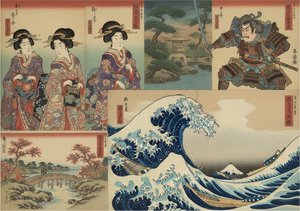
Ukiyo-e: Exploring Japan's Floating World & Enduring Artistic Legacy
Explore the captivating world of Ukiyo-e – Japan's iconic woodblock prints! Discover masters like Hokusai & Hiroshige, learn about Edo period culture, and find expert art collecting guidance at OriginalUniqueArt.

कत्सुशिका होकुसाई की 25 उत्कृष्ट कृतियाँ: कला, इतिहास और घर सजावट के लिए प्रेरणा
कत्सुशिका होकुसाई की 25 सर्वश्रेष्ठ कृतियों का अन्वेषण करें! जापानी कला, उकियो-ए प्रिंट और 'ग्रेट वेव' के पीछे की कहानियाँ जानें। घर की सजावट के लिए प्रेरणा पाएं और OriginalUniqueArt.com पर उच्च गुणवत्ता वाली कला प्रतिकृतियां खरीदें।

Floating Worlds: A Definitive Guide to the Mastery and Philosophy of Japanese Ukiyo-e Woodblock Prints
Explore the profound beauty of Ukiyo-e. Discover the history, philosophy, and legendary masters of Japanese woodblock prints, from Hokusai to Kuniyoshi, in this expert guide to the 'Floating World'.
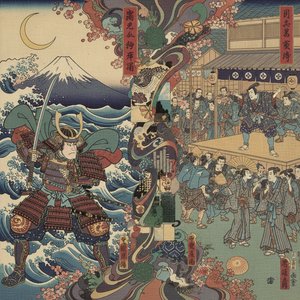
Utagawa Kuniyoshi: A Master of Japanese Ukiyo-e – Narrative Innovation & the Fusion of Tradition with Popular Culture
Explore the captivating world of Utagawa Kuniyoshi, a master of Japanese ukiyo-e woodblock prints. Discover his innovative warrior scenes, vibrant landscapes & lasting legacy in 19th-century art history.