

 पूर्वावलोकन देखें
 भेजें
भेजें साझा करें
 विवरण देखें
 मार्गदर्शिका

 डाउनलोड करें
 समान वस्तुएं
 एक्स-रे
 स्लाइड शो देखें
 आंकड़े
The Crucifixion


 और पढ़ें
गिक्ली / आर्ट प्रिंट
तेज़ उत्पादन और विभिन्न फिनिश विकल्पों के साथ म्यूजियम-क्वालिटी गिकली (giclée) या कैनवस प्रिंट। ( हाथ से बनी पेंटिंग खरीदें डिजिटल इमेज पर जाएँ)




P118B ₹10

P118H ₹10

P118W ₹10

P438Z ₹10

P508JH ₹12

P508YH ₹12

P805H ₹10

P805Z ₹10

P919BZ ₹10

P919G ₹10

P919XJ ₹10

P959ZH ₹10

P968JZ ₹12

W106C ₹8

W218G ₹10

W218JH ₹8

W218Y ₹10

W307PJ ₹10

W316G ₹10

W316PJ ₹8

W316Y ₹10

W398PJ ₹8

W4111J ₹10

W500HY ₹15

W500JH ₹15

W692G ₹12

W849H ₹8

W940BG ₹15

W953PJ ₹8




कलाकृति के मूल अनुपात से मेल खाने वाले हमारे पूर्व निर्धारित आकारों में से चुनें।

अपने फ्रेम या अपनी दीवार के अनुसार आवश्यक चौड़ाई और ऊंचाई दर्ज करें। प्रिंट को केवल काटा जा सकता है, चित्र से बड़ा कभी नहीं बनाया जा सकता, इसलिए अलग आकार का साइज चित्र का एक हिस्सा खो देता है। किसी भी चीज़ को प्रिंट करने से पहले हम आपकी स्वीकृति के लिए आपको एक डिजिटल मॉकअप भेजते हैं। इस पृष्ठ पर दिखाया गया चित्र वास्तविक कटिंग नहीं दिखाता है — केवल मॉकअप ही इसे दर्शाता है।
विश्वव्यापी डिलीवरी (), मानक 4/5 सप्ताह के बजाय मात्र 2 सप्ताह में। (23 अक्टूबर)

दुनिया भर में मुफ़्त एक्सप्रेस शिपिंग

प्रीमियम ग्रेड लिनेन कैनवास

पूर्ण शिपिंग बीमा

सीमा शुल्क और आयात कर वापसी की गारंटी

सटीक रंग मिलान की गारंटी

100 दिनों की वापसी नीति (केवल निर्माण दोष होने पर)

100% पैसे वापसी की गारंटी

थोक छूट का अवसर
 ग्लास का विकल्प केवल 110 सेमी से कम आकार में ही उपलब्ध है।

The Crucifixion
गिक्ली / आर्ट प्रिंट
प्रतिकृति का आकार
-


कुल मूल्य
₹ 7681
Thomas Eakins’ *The Crucifixion*: A Study in Stark Realism
Thomas Eakins' 1880 painting, *The Crucifixion*, isn’t the grand, overtly religious depiction one might expect. Instead, it presents a profoundly unsettling and remarkably intimate portrayal of Christ on the cross—a work that reveals the artist’s deeply rooted commitment to unflinching realism and his unique perspective on human suffering. Far from glorifying martyrdom, Eakins strips away any sentimentalism, offering instead a brutally honest depiction of death and decay, rendered with an almost clinical precision.
The painting immediately commands attention through its sheer scale—an imposing eight feet tall—placing the viewer directly within the scene. The composition is remarkably simple: a solitary figure, Christ, hangs suspended from the cross against a bleak, undefined landscape. There’s no dramatic sky, no crowd of mourners, no overt signs of grief. Instead, we are confronted with the stark reality of death – the pallor of the body, the rough texture of the wood, and the unsettling stillness of the scene. Eakins masterfully utilizes a muted palette of browns, grays, and ochres, further emphasizing the somber mood and the sense of isolation.
A Masterclass in Anatomical Detail and Observation
Eakins’ technical skill is undeniable. He was obsessed with accurate representation, honed through years of rigorous study and a deep understanding of human anatomy—a fascination evident in his portraits and medical illustrations. *The Crucifixion* showcases this expertise to its fullest extent. Every detail, from the subtle wrinkles on Christ's skin to the rough grain of the wood, is rendered with painstaking accuracy. This isn’t simply a depiction of a corpse; it’s an anatomical study—a testament to Eakins’ dedication to observing and faithfully recreating the physical world.
Interestingly, Eakins’ background as a student at Jefferson Medical College profoundly influenced his approach. He dissected cadavers extensively, gaining an unparalleled understanding of human musculature and skeletal structure. This knowledge is seamlessly integrated into the painting, lending it a remarkable sense of realism and immediacy. The way Christ's body hangs, the subtle tension in his limbs—all are informed by Eakins’ anatomical expertise.
Symbolism Beyond the Biblical Narrative
While rooted in Christian iconography, *The Crucifixion* transcends a simple retelling of the biblical story. It becomes a meditation on mortality, suffering, and the human condition. The lack of emotional expression—the absence of tears or lamentation—forces the viewer to confront the stark reality of death without sentimentality. Some art historians suggest that Eakins’ deliberate choice to omit traditional religious symbols reflects his own disillusionment with organized religion, prioritizing instead a direct engagement with the subject matter.
Furthermore, the painting's setting – an undefined landscape—can be interpreted as representing the universal experience of death. It is not tied to any specific location or time period, but rather speaks to the fundamental human condition. The figure’s face, obscured in shadow, invites contemplation and encourages viewers to project their own emotions and interpretations onto the scene.
Eakins' Legacy: A Realist Icon
Despite its unsettling nature, *The Crucifixion* is considered one of Eakins’ most significant works. It exemplifies his commitment to realism, his meticulous attention to detail, and his willingness to confront difficult subjects with unflinching honesty. It stands as a powerful reminder of the artist's unique vision—a vision that continues to resonate with viewers today.
Reproductions of *The Crucifixion* offer an exceptional opportunity to experience Eakins’ masterful technique and profound insights into the human condition. Whether displayed in a grand salon or a more intimate setting, this iconic painting remains a compelling testament to the power of realism and the enduring fascination with mortality.
प्रश्न और उत्तर
क्या मैं "The Crucifixion" का अधिक विस्तार से निरीक्षण कर सकता हूँ?
थॉमस ईकिंस द्वारा "The Crucifixion" का एक्स-रे दृश्य कलाकृति के एक्स-रे पृष्ठ पर उपलब्ध है: ग्यारह ऑप्टिकल परतों के माध्यम से छवि का एक संवादात्मक परीक्षण।
थॉमस ईकिंस द्वारा "The Crucifixion" के रंग कितने गहरे हैं?
थॉमस ईकिंस द्वारा "The Crucifixion" में Vivid रंग की तीव्रता दिखाई देती है।
"The Crucifixion" की रचना कब की गई थी, और यह किस कला आंदोलन (movement) से संबंधित है?
थॉमस ईकिंस द्वारा "The Crucifixion" की रचना 1880 में हुई थी और यह Contemporary Realism आंदोलन से संबंधित है।
कलाकार का परिचय
थॉमस ईकिन्स: वास्तविकता के प्रति समर्पित जीवन
थॉमस कोपरवेट ईकिन्स, जिनका जन्म 25 जुलाई 1844 को फिलाडेल्फिया में हुआ था, अमेरिकी कला जगत में एक महत्वपूर्ण व्यक्ति थे – एक ऐसे चित्रकार जो निर्भीक यथार्थवाद के लिए जाने जाते थे और जिन्होंने मानव अनुभव की गहराई को चित्रित करने के लिए अपना जीवन समर्पित कर दिया। वे केवल दुनिया को *प्रस्तुत* करने में रुचि नहीं रखते थे; बल्कि वे उसे विच्छेदित करना, उसकी शारीरिक और मनोवैज्ञानिक संरचना को समझना चाहते थे, और फिर उसे ईमानदारी से चित्रित करना चाहते थे जो अक्सर उत्तेजना पैदा करता था। ईकिन्स का मार्ग तत्काल प्रशंसा का नहीं था, बल्कि समर्पण, विवाद और अंततः 19वीं और शुरुआती 20वीं सदी के अमेरिकी कला में शायद सबसे गहरे यथार्थवादी कलाकार के रूप में स्थायी मान्यता प्राप्त करने की धीमी प्रक्रिया थी। उनका फिलाडेल्फिया भव्य परिदृश्यों या रोमांटिक आदर्शों का शहर नहीं था; यह डॉक्टरों, नाविकों, शिकारियों और आम लोगों की दुनिया थी – और ये उनके विषय थे, जिन्हें लगभग वैज्ञानिक सटीकता के साथ चित्रित किया गया था।प्रारंभिक प्रभाव और कलात्मक गठन
ईकिन्स के पालन-पोषण ने बौद्धिक जिज्ञासा और कलात्मक प्रवृत्ति दोनों को बढ़ावा दिया। उनके पिता, बेंजामिन ईकिन्स, एक लेखन गुरु और सुलेखक थे, जिन्होंने उनमें अनुशासन और सूक्ष्म अवलोकन का प्रेम पैदा किया। यह नींव सेंट्रल हाई स्कूल में उनकी शिक्षा और पेनसिल्वेनिया एकेडमी ऑफ द फाइन आर्ट्स में आगे मजबूत हुई, जहाँ वे ड्राइंग और शरीर रचना विज्ञान में उत्कृष्ट थे – एक आकर्षण जो उनके पूरे कार्य में व्याप्त रहेगा। हालाँकि, यूरोप में उनका समय, विशेष रूप से पेरिस में जीन-लियोन जेरोम के मार्गदर्शन में, ने वास्तव में उनके कलात्मक दृष्टिकोण को आकार दिया। जेरोम का सटीक रेखाचित्र और ऐतिहासिक सटीकता पर जोर ईकिन्स की अपनी प्रवृत्तियों के साथ प्रतिध्वनित हुआ, लेकिन वे जल्द ही नकल से आगे निकल गए। स्पेन में प्रवास ने प्रकाश, छाया और प्रत्यक्ष अवलोकन की शक्ति की उनकी समझ को और परिष्कृत किया। वे केवल पुराने मास्टर्स की प्रतिलिपि बनाने में संतुष्ट नहीं थे; वे यह समझना चाहते थे कि उन्होंने अपने प्रभाव प्राप्त *कैसे* किए, और फिर उस ज्ञान को अपनी अनूठी दृष्टि पर लागू करना चाहते थे। यह अवधि सीधे जीवन से पेंटिंग करने की उनकी प्रतिबद्धता को मजबूत करने के लिए महत्वपूर्ण थी, जो एक ऐसी प्रथा थी जिसने उनके करियर को परिभाषित किया।सत्य की खोज: विषय-वस्तु और तकनीक
ईकिन्स के कार्य में यथार्थवाद के प्रति अटूट प्रतिबद्धता है – अपने विषयों को आदर्श बनाने या रोमांटिक बनाने से इनकार करना। उनकी कई सौ पोर्ट्रेट्स चापलूसी करने वाले प्रतिनिधित्व नहीं हैं जो बैठे व्यक्ति को खुश करने के लिए डिज़ाइन किए गए हैं; वे चरित्र के गहन अध्ययन हैं, जो ताकत और भेद्यता दोनों का खुलासा करते हैं। उन्होंने उन व्यक्तियों को चित्रित किया जो अपने व्यवसायों में लगे हुए थे – *द ग्रॉस क्लिनिक* में सर्जन काम कर रहे हैं, *मैक्स श्मिट इन ए सिंगल स्कल* में नाविक धारा के खिलाफ संघर्ष कर रहे हैं – न केवल उनकी शारीरिक उपस्थिति बल्कि उनके ध्यान की तीव्रता और उनकी शिल्प की मांगों को भी कैप्चर करते हैं। सत्य के प्रति यह समर्पण उनकी तकनीक तक फैला हुआ था। ईकिन्स गति से मोहित थे, और उन्होंने इसे सटीक रूप से पकड़ने के लिए नवीन तरीकों का इस्तेमाल किया। उन्होंने शरीर रचना विज्ञान का सावधानीपूर्वक अध्ययन किया, अक्सर मानव शरीर की अंतर्निहित संरचना को समझने के लिए शवों का विच्छेदन किया। उन्होंने यहां तक कि फोटोग्राफी के साथ प्रयोग भी किया, इसका उपयोग गति का विश्लेषण करने और अपनी पेंटिंग में अधिक सटीकता प्राप्त करने के लिए एक उपकरण के रूप में किया। उनके चियारोस्कोरो के उपयोग – प्रकाश और अंधेरे के बीच नाटकीय विपरीत – ने उनके कार्य में यथार्थवाद और मनोवैज्ञानिक गहराई की भावना को और बढ़ाया।विवाद और विरासत
अपनी कलात्मक प्रतिभा के बावजूद, ईकिन्स का करियर विवादों से भरा था। सीधे जीवन से पेंटिंग करने पर उनका जोर, अक्सर नग्न मॉडल सहित, विक्टोरियन फिलाडेल्फिया की रूढ़िवादी संवेदनशीलता से टकरा गया। पेनसिल्वेनिया एकेडमी में उनकी शिक्षण विधियां भी अपरंपरागत थीं; उन्होंने मानव रूप का अध्ययन करने के महत्व पर जोर दिया और अपने छात्रों को पारंपरिक कलात्मक सम्मेलनों को चुनौती देने के लिए प्रोत्साहित किया। इससे उनके सहयोगियों के साथ घर्षण हुआ और अंततः 1886 में उनका इस्तीफा हो गया। व्यक्तिगत घ scandals ने उनके जीवनकाल के दौरान उनकी प्रतिष्ठा को और खराब कर दिया, जिससे वे ज्यादातर कला प्रतिष्ठान द्वारा बहिष्कृत हो गए। हालाँकि, ईकिन्स अडिग रहे, अपनी सेहत बिगड़ने तक निजी तौर पर पेंटिंग और शिक्षण जारी रखा। 1916 में उनकी मृत्यु के बाद, उनके कार्य को धीरे-धीरे मान्यता मिली, और उन्हें अब अमेरिकी कला इतिहास में एक महत्वपूर्ण व्यक्ति के रूप में मनाया जाता है। उनका निर्भीक यथार्थवाद, शरीर रचना विज्ञान की सटीकता के प्रति समर्पण और मानव स्थिति की गहरी समझ आज भी कलाकारों को प्रेरित करती है और दर्शकों को मोहित करती है। उन्होंने न केवल पेंटिंग छोड़ी, बल्कि कलात्मक अखंडता की विरासत और सच्चाई की अथक खोज – अवलोकन की शक्ति और मानव रूप की स्थायी सुंदरता का प्रमाण।प्रमुख कार्य और स्थायी प्रभाव
कई कार्य ईकिन्स की प्रतिभा के प्रतीक के रूप में खड़े हैं। *मैक्स श्मिट इन ए सिंगल स्कल* (1871), गति और प्रकाश के अपने उत्कृष्ट चित्रण के साथ, शायद उनकी सबसे प्रतिष्ठित पेंटिंग है। *द ग्रॉस क्लिनिक* (1875), हालांकि उस समय सर्जरी के निर्भीक चित्रण के लिए विवादास्पद था, चिकित्सा पेशेवरों के समर्पण और कौशल का एक शक्तिशाली प्रमाण बना हुआ है। *विलियम रश एंड हिज़ मॉडल* (1908) उनकी बाद की शैली को प्रदर्शित करता है, जो चित्रकला को प्रतीकात्मक तत्वों के साथ जोड़ता है। इन विशिष्ट पेंटिंगों से परे, ईकिन्स का प्रभाव अनगिनत कलाकारों के कार्य में देखा जा सकता है जिन्होंने उनका अनुसरण किया – उन लोगों ने ईमानदारी, सटीकता और मानव आत्मा की गहरी समझ के साथ अपने आसपास की दुनिया को पकड़ने की मांग की। यथार्थवाद के प्रति उनकी प्रतिबद्धता ने बाद के आंदोलनों जैसे एशकेन स्कूल का मार्ग प्रशस्त किया और आज भी समकालीन कलाकारों के साथ प्रतिध्वनित होता है। वे अमेरिकी कला में एक महत्वपूर्ण शक्ति बने हुए हैं, एक अनुस्मारक कि सच्ची कलाकृति नकल या अलंकरण में नहीं, बल्कि सच्चाई की साहसी खोज में निहित है।
थॉमस ईकिंस
1844 - 1916 , संयुक्त राज्य अमेरिका
संक्षिप्त जानकारी
- कला आंदोलन: यथार्थवाद
- जन्म तिथि: 25 जुलाई 1844
- जन्म स्थान: फिलाडेल्फिया, अमेरिका
- पूरा नाम: थॉमस ईकिन्स
- प्रभावित कलाकार: ['जीन-लियोन जेरोम']
- प्रमुख कलाकृतियाँ:
- मैक्स श्मिट इन ए सिंगल स्कल
- द ग्रॉस क्लिनिक
- द स्विमिंग होल
- मृत्यु तिथि: 25 जून 1916
- राष्ट्रीयता: अमेरिकी
संबंधित लेखों की सूची

American Realism's Defining Works: 10 Masterpieces for Your Home
Explore 10 defining American Realism masterpieces – Hopper, Homer & more. Discover the stories behind these iconic paintings and bring timeless art to your home with OriginalUniqueArt's museum-quality reproductions. Explore the full collection online.
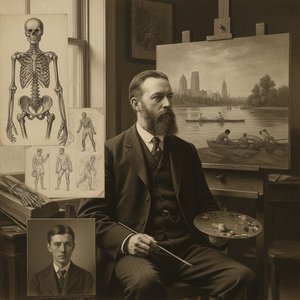
Thomas Eakins: Realism, Anatomy & the American Spirit – A Comprehensive Exploration of Life and Legacy
Explore the life & legacy of Thomas Eakins, a pivotal American Realist painter. Discover his groundbreaking techniques, anatomical precision, and iconic works like 'The Gross Clinic.' A comprehensive guide for art enthusiasts.
Realism in Art: A Professional Guide to Authentic Detail and Lifelike Masterpieces for Large-Scale Interior Projects
Master the use of Realism in professional interiors. This expert guide explores 19th-century masterpieces, offering procurement managers and designers technical insights into selecting authentic, hand-painted oil reproductions for high-end hotel and corporate projects.
Echoes of Society: Exploring Social Realism's Enduring Legacy in Art
Explore the powerful world of Social Realism art! Discover key artists, masterpieces & its profound social commentary. Expert insights into this influential movement's history and enduring legacy.

Romantic Realism's Finest: 10 Masterpieces for Your Home | OriginalUniqueArt
Explore 10 defining masterpieces of Romantic Realism! Discover Courbet, Millet & Daumier's powerful paintings—capturing emotion and social realities. Find museum-quality reproductions for your home at OriginalUniqueArt.com.

