
 पूर्वावलोकन देखें
 साझा करें
 साझा करें
 विस्तृत विवरण
 मार्गदर्शिका

 डाउनलोड करें
 समान वस्तुएं
 एक्स-रे
 स्लाइड शो देखें
 प्रश्न और उत्तर
 आंकड़े
The Champion Single Sculls (Max Schmitt in a Single Scull)

- 82.0 x 118.0 cm


 पूरा देखें
गिक्ली / आर्ट प्रिंट
तेज़ उत्पादन और विभिन्न फिनिश विकल्पों के साथ म्यूजियम-क्वालिटी गिकली (giclée) या कैनवस प्रिंट। ( इस संग्रहणीय वस्तु की हाथ से बनी प्रतिकृति मंगवाएं डिजिटल इमेज पर स्विच करें)




P118B ₹10

P118H ₹10

P118W ₹10

P438Z ₹10

P508JH ₹12

P508YH ₹12

P805H ₹10

P805Z ₹10

P919BZ ₹10

P919G ₹10

P919XJ ₹10

P959ZH ₹10

P968JZ ₹12

W106C ₹8

W218G ₹10

W218JH ₹8

W218Y ₹10

W307PJ ₹10

W316G ₹10

W316PJ ₹8

W316Y ₹10

W398PJ ₹8

W4111J ₹10

W500HY ₹15

W500JH ₹15

W692G ₹12

W849H ₹8

W940BG ₹15

W953PJ ₹8




कलाकृति के मूल अनुपात से मेल खाने वाले हमारे पूर्व निर्धारित आकारों में से चुनें।

अपने फ्रेम या अपनी दीवार के अनुसार आवश्यक चौड़ाई और ऊंचाई दर्ज करें। प्रिंट को केवल काटा जा सकता है, चित्र से बड़ा कभी नहीं बनाया जा सकता, इसलिए अलग आकार का साइज चित्र का एक हिस्सा खो देता है। किसी भी चीज़ को प्रिंट करने से पहले हम आपकी स्वीकृति के लिए आपको एक डिजिटल मॉकअप भेजते हैं। इस पृष्ठ पर दिखाया गया चित्र वास्तविक कटिंग नहीं दिखाता है — केवल मॉकअप ही इसे दर्शाता है।
विश्वव्यापी डिलीवरी (), मानक 4/5 सप्ताह के बजाय मात्र 2 सप्ताह में। (7 नवमबर)

दुनिया भर में मुफ़्त एक्सप्रेस शिपिंग

उच्च गुणवत्ता वाला लिनेन कैनवास

पूर्ण शिपिंग बीमा

सीमा शुल्क और आयात कर वापसी की गारंटी

सटीक रंग मिलान की गारंटी

100 दिनों की वापसी नीति (केवल दोष होने पर)

100% पैसे वापसी की गारंटी

थोक छूट का अवसर
 ग्लास का विकल्प केवल 110 सेमी से कम आकार में ही उपलब्ध है।

The Champion Single Sculls (Max Schmitt in a Single Scull)
गिक्ली / आर्ट प्रिंट
प्रतिकृति का आकार
-


कुल देय राशि
₹ 7846
The Champion Single Sculls: A Study in Realism and Reflection
Thomas Eakins’s “The Champion Single Sculls” (Max Schmitt in a Single Scull), completed in 1871, transcends mere depiction; it embodies a profound engagement with the human condition. Situated within the burgeoning realist movement of its time—a reaction against Romantic idealism—the painting captures not just an athletic moment but also a complex tapestry of emotion and intellectual contemplation.
- Subject Matter: The artwork centers on Max Schmitt, a prominent Philadelphia attorney and rower who achieved victory in a crucial race on the Schuylkill River. Alongside Schmitt himself, meticulously rendered pulling oars with unwavering concentration, are fellow rowers and spectators—a carefully constructed tableau reflecting the competitive spirit of the era.
- Style & Technique: Eakins’s masterful use of oil paint on canvas exemplifies his signature style – unflinching realism achieved through painstaking observation and anatomical precision. He employed a technique known as “dead center,” positioning Schmitt squarely in the middle of the boat, maximizing visual impact and conveying a sense of stability amidst movement.
- Historical Context: Painted during a period of significant scientific advancement—the rise of Darwinian theory challenging traditional religious dogma—the painting reflects broader intellectual currents. Eakins’s meticulous rendering aligns with the burgeoning interest in dissecting nature and understanding human physiology, mirroring the spirit of inquiry prevalent throughout Europe.
Symbolism Within the Frame
Beyond its portrayal of athletic prowess, “The Champion Single Sculls” is laden with symbolic resonance. The Schuylkill River itself—a waterway steeped in Philadelphia’s history and identity—represents both physical challenge and psychological endurance. Schmitt's posture—rigid yet purposeful—communicates determination and unwavering focus – qualities valued not only in rowing but also in intellectual pursuits.
- Color Palette: Eakins utilized a muted color palette dominated by earthy tones—browns, greens, and blues—creating an atmosphere of understated grandeur. These colors contribute to the painting’s contemplative mood, emphasizing texture and capturing the subtle nuances of light and shadow.
- Composition: The central placement of Schmitt reinforces his dominance within the scene while simultaneously drawing the viewer's eye inward. The surrounding figures serve as foils, highlighting Schmitt’s unwavering resolve against a backdrop of human interaction—a deliberate juxtaposition that elevates the artwork beyond mere representation.
Emotional Impact & Legacy
"The Champion Single Sculls" continues to resonate with audiences today due to its ability to evoke profound feelings of admiration, respect, and contemplation. Eakins’s unwavering commitment to capturing the essence of human experience—his insistence on portraying reality without embellishment—established him as a pioneer of American realism.
More than just a depiction of rowing; it's an exploration of ambition, perseverance, and the pursuit of excellence—themes that transcend time and culture. Its enduring influence can be seen in subsequent generations of artists who sought to emulate Eakins’s stylistic innovations and philosophical convictions. “The Champion Single Sculls” remains a testament to the transformative power of art – its capacity to illuminate both the physical world and the inner landscape of human consciousness.
Further Exploration
- Wikipedia: Provides detailed biographical information about Max Schmitt and the painting’s historical context.
- Metropolitan Museum of Art: Offers high-resolution images and scholarly analysis of “The Champion Single Sculls.”
प्रश्न और उत्तर
"The Champion Single Sculls (Max Schmitt in a Single Scull)" के रंग एक-दूसरे के साथ किस प्रकार मेल खाते हैं?
थॉमस ईकिंस द्वारा "The Champion Single Sculls (Max Schmitt in a Single Scull)" में एक Discordant Palette रंग सामंजस्य प्रदर्शित होता है।
"The Champion Single Sculls (Max Schmitt in a Single Scull)" किस कला शैली से संबंधित है?
थॉमस ईकिंस द्वारा "The Champion Single Sculls (Max Schmitt in a Single Scull)" Contemporary Realism आंदोलन से संबंधित है। यह आंदोलन इस कृति के शैलीगत संदर्भ को स्पष्ट करता है।
थॉमस ईकिंस द्वारा "The Champion Single Sculls (Max Schmitt in a Single Scull)" का कौन सा प्रिंट साइज अनुशंसित कमरे के लिए उपयुक्त है?
थॉमस ईकिंस द्वारा "The Champion Single Sculls (Max Schmitt in a Single Scull)" के लिए अनुशंसित संयोजन: एक Living Room में Large प्रिंट।
कलाकार की जीवनी
थॉमस ईकिन्स: वास्तविकता के प्रति समर्पित जीवन
थॉमस कोपरवेट ईकिन्स, जिनका जन्म 25 जुलाई 1844 को फिलाडेल्फिया में हुआ था, अमेरिकी कला जगत में एक महत्वपूर्ण व्यक्ति थे – एक ऐसे चित्रकार जो निर्भीक यथार्थवाद के लिए जाने जाते थे और जिन्होंने मानव अनुभव की गहराई को चित्रित करने के लिए अपना जीवन समर्पित कर दिया। वे केवल दुनिया को *प्रस्तुत* करने में रुचि नहीं रखते थे; बल्कि वे उसे विच्छेदित करना, उसकी शारीरिक और मनोवैज्ञानिक संरचना को समझना चाहते थे, और फिर उसे ईमानदारी से चित्रित करना चाहते थे जो अक्सर उत्तेजना पैदा करता था। ईकिन्स का मार्ग तत्काल प्रशंसा का नहीं था, बल्कि समर्पण, विवाद और अंततः 19वीं और शुरुआती 20वीं सदी के अमेरिकी कला में शायद सबसे गहरे यथार्थवादी कलाकार के रूप में स्थायी मान्यता प्राप्त करने की धीमी प्रक्रिया थी। उनका फिलाडेल्फिया भव्य परिदृश्यों या रोमांटिक आदर्शों का शहर नहीं था; यह डॉक्टरों, नाविकों, शिकारियों और आम लोगों की दुनिया थी – और ये उनके विषय थे, जिन्हें लगभग वैज्ञानिक सटीकता के साथ चित्रित किया गया था।प्रारंभिक प्रभाव और कलात्मक गठन
ईकिन्स के पालन-पोषण ने बौद्धिक जिज्ञासा और कलात्मक प्रवृत्ति दोनों को बढ़ावा दिया। उनके पिता, बेंजामिन ईकिन्स, एक लेखन गुरु और सुलेखक थे, जिन्होंने उनमें अनुशासन और सूक्ष्म अवलोकन का प्रेम पैदा किया। यह नींव सेंट्रल हाई स्कूल में उनकी शिक्षा और पेनसिल्वेनिया एकेडमी ऑफ द फाइन आर्ट्स में आगे मजबूत हुई, जहाँ वे ड्राइंग और शरीर रचना विज्ञान में उत्कृष्ट थे – एक आकर्षण जो उनके पूरे कार्य में व्याप्त रहेगा। हालाँकि, यूरोप में उनका समय, विशेष रूप से पेरिस में जीन-लियोन जेरोम के मार्गदर्शन में, ने वास्तव में उनके कलात्मक दृष्टिकोण को आकार दिया। जेरोम का सटीक रेखाचित्र और ऐतिहासिक सटीकता पर जोर ईकिन्स की अपनी प्रवृत्तियों के साथ प्रतिध्वनित हुआ, लेकिन वे जल्द ही नकल से आगे निकल गए। स्पेन में प्रवास ने प्रकाश, छाया और प्रत्यक्ष अवलोकन की शक्ति की उनकी समझ को और परिष्कृत किया। वे केवल पुराने मास्टर्स की प्रतिलिपि बनाने में संतुष्ट नहीं थे; वे यह समझना चाहते थे कि उन्होंने अपने प्रभाव प्राप्त *कैसे* किए, और फिर उस ज्ञान को अपनी अनूठी दृष्टि पर लागू करना चाहते थे। यह अवधि सीधे जीवन से पेंटिंग करने की उनकी प्रतिबद्धता को मजबूत करने के लिए महत्वपूर्ण थी, जो एक ऐसी प्रथा थी जिसने उनके करियर को परिभाषित किया।सत्य की खोज: विषय-वस्तु और तकनीक
ईकिन्स के कार्य में यथार्थवाद के प्रति अटूट प्रतिबद्धता है – अपने विषयों को आदर्श बनाने या रोमांटिक बनाने से इनकार करना। उनकी कई सौ पोर्ट्रेट्स चापलूसी करने वाले प्रतिनिधित्व नहीं हैं जो बैठे व्यक्ति को खुश करने के लिए डिज़ाइन किए गए हैं; वे चरित्र के गहन अध्ययन हैं, जो ताकत और भेद्यता दोनों का खुलासा करते हैं। उन्होंने उन व्यक्तियों को चित्रित किया जो अपने व्यवसायों में लगे हुए थे – *द ग्रॉस क्लिनिक* में सर्जन काम कर रहे हैं, *मैक्स श्मिट इन ए सिंगल स्कल* में नाविक धारा के खिलाफ संघर्ष कर रहे हैं – न केवल उनकी शारीरिक उपस्थिति बल्कि उनके ध्यान की तीव्रता और उनकी शिल्प की मांगों को भी कैप्चर करते हैं। सत्य के प्रति यह समर्पण उनकी तकनीक तक फैला हुआ था। ईकिन्स गति से मोहित थे, और उन्होंने इसे सटीक रूप से पकड़ने के लिए नवीन तरीकों का इस्तेमाल किया। उन्होंने शरीर रचना विज्ञान का सावधानीपूर्वक अध्ययन किया, अक्सर मानव शरीर की अंतर्निहित संरचना को समझने के लिए शवों का विच्छेदन किया। उन्होंने यहां तक कि फोटोग्राफी के साथ प्रयोग भी किया, इसका उपयोग गति का विश्लेषण करने और अपनी पेंटिंग में अधिक सटीकता प्राप्त करने के लिए एक उपकरण के रूप में किया। उनके चियारोस्कोरो के उपयोग – प्रकाश और अंधेरे के बीच नाटकीय विपरीत – ने उनके कार्य में यथार्थवाद और मनोवैज्ञानिक गहराई की भावना को और बढ़ाया।विवाद और विरासत
अपनी कलात्मक प्रतिभा के बावजूद, ईकिन्स का करियर विवादों से भरा था। सीधे जीवन से पेंटिंग करने पर उनका जोर, अक्सर नग्न मॉडल सहित, विक्टोरियन फिलाडेल्फिया की रूढ़िवादी संवेदनशीलता से टकरा गया। पेनसिल्वेनिया एकेडमी में उनकी शिक्षण विधियां भी अपरंपरागत थीं; उन्होंने मानव रूप का अध्ययन करने के महत्व पर जोर दिया और अपने छात्रों को पारंपरिक कलात्मक सम्मेलनों को चुनौती देने के लिए प्रोत्साहित किया। इससे उनके सहयोगियों के साथ घर्षण हुआ और अंततः 1886 में उनका इस्तीफा हो गया। व्यक्तिगत घ scandals ने उनके जीवनकाल के दौरान उनकी प्रतिष्ठा को और खराब कर दिया, जिससे वे ज्यादातर कला प्रतिष्ठान द्वारा बहिष्कृत हो गए। हालाँकि, ईकिन्स अडिग रहे, अपनी सेहत बिगड़ने तक निजी तौर पर पेंटिंग और शिक्षण जारी रखा। 1916 में उनकी मृत्यु के बाद, उनके कार्य को धीरे-धीरे मान्यता मिली, और उन्हें अब अमेरिकी कला इतिहास में एक महत्वपूर्ण व्यक्ति के रूप में मनाया जाता है। उनका निर्भीक यथार्थवाद, शरीर रचना विज्ञान की सटीकता के प्रति समर्पण और मानव स्थिति की गहरी समझ आज भी कलाकारों को प्रेरित करती है और दर्शकों को मोहित करती है। उन्होंने न केवल पेंटिंग छोड़ी, बल्कि कलात्मक अखंडता की विरासत और सच्चाई की अथक खोज – अवलोकन की शक्ति और मानव रूप की स्थायी सुंदरता का प्रमाण।प्रमुख कार्य और स्थायी प्रभाव
कई कार्य ईकिन्स की प्रतिभा के प्रतीक के रूप में खड़े हैं। *मैक्स श्मिट इन ए सिंगल स्कल* (1871), गति और प्रकाश के अपने उत्कृष्ट चित्रण के साथ, शायद उनकी सबसे प्रतिष्ठित पेंटिंग है। *द ग्रॉस क्लिनिक* (1875), हालांकि उस समय सर्जरी के निर्भीक चित्रण के लिए विवादास्पद था, चिकित्सा पेशेवरों के समर्पण और कौशल का एक शक्तिशाली प्रमाण बना हुआ है। *विलियम रश एंड हिज़ मॉडल* (1908) उनकी बाद की शैली को प्रदर्शित करता है, जो चित्रकला को प्रतीकात्मक तत्वों के साथ जोड़ता है। इन विशिष्ट पेंटिंगों से परे, ईकिन्स का प्रभाव अनगिनत कलाकारों के कार्य में देखा जा सकता है जिन्होंने उनका अनुसरण किया – उन लोगों ने ईमानदारी, सटीकता और मानव आत्मा की गहरी समझ के साथ अपने आसपास की दुनिया को पकड़ने की मांग की। यथार्थवाद के प्रति उनकी प्रतिबद्धता ने बाद के आंदोलनों जैसे एशकेन स्कूल का मार्ग प्रशस्त किया और आज भी समकालीन कलाकारों के साथ प्रतिध्वनित होता है। वे अमेरिकी कला में एक महत्वपूर्ण शक्ति बने हुए हैं, एक अनुस्मारक कि सच्ची कलाकृति नकल या अलंकरण में नहीं, बल्कि सच्चाई की साहसी खोज में निहित है।
थॉमस ईकिंस
1844 - 1916 , संयुक्त राज्य अमेरिका
प्रमुख तथ्य
- कला आंदोलन: यथार्थवाद
- जन्म तिथि: 25 जुलाई 1844
- जन्म स्थान: फिलाडेल्फिया, अमेरिका
- पूरा नाम: थॉमस ईकिन्स
- प्रभावित कलाकार: ['जीन-लियोन जेरोम']
- प्रमुख कलाकृतियाँ:
- मैक्स श्मिट इन ए सिंगल स्कल
- द ग्रॉस क्लिनिक
- द स्विमिंग होल
- मृत्यु तिथि: 25 जून 1916
- राष्ट्रीयता: अमेरिकी
संबंधित लेख
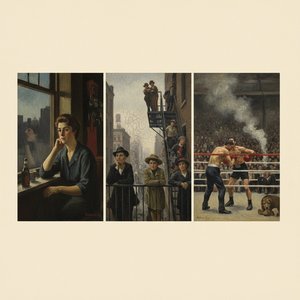
American Realism: Social Commentary & Artistic Representation in Early 20th-Century Painting
Explore the powerful social commentary & artistic representation of American Realism. Discover key artists like Bellows & Sloan, and understand the movement's lasting impact on 20th-century art history.
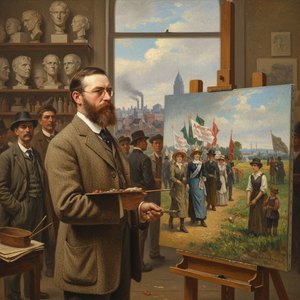
Thomas Pollock Anshutz: Capturing American Life with Realism & Reform
Explore the life & work of Thomas Pollock Anshutz, a key figure in American Realism. Discover his powerful paintings, influence on art education, and commitment to portraying everyday life with honesty and social awareness.

American Realism's Defining Works: 10 Masterpieces for Your Home
Explore 10 defining American Realism masterpieces – Hopper, Homer & more. Discover the stories behind these iconic paintings and bring timeless art to your home with OriginalUniqueArt's museum-quality reproductions. Explore the full collection online.
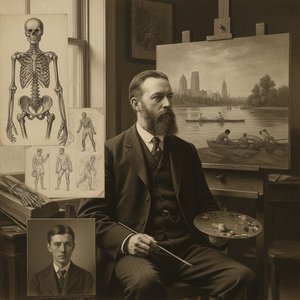
Thomas Eakins: Realism, Anatomy & the American Spirit – A Comprehensive Exploration of Life and Legacy
Explore the life & legacy of Thomas Eakins, a pivotal American Realist painter. Discover his groundbreaking techniques, anatomical precision, and iconic works like 'The Gross Clinic.' A comprehensive guide for art enthusiasts.

Grant Wood & American Regionalism: Identity, Myth & the Rural Landscape
Explore the world of Grant Wood & American Regionalism with OriginalUniqueArt. Discover the symbolism behind 'American Gothic', recurring themes, and the movement's lasting impact on art history. High-quality reproductions available.

