De Stijl · 1923
Composition (थियो वैन डोसबर्ग, 1923)
थियो वैन डोसबर्ग (1883–1931) ने Composition बनाया। यह 1923 का है। यह De Stijl आंदोलन से संबंधित है। यह Oil On Canvas में बनाया गया है। इसका माप 41 × 33 cm है।
- 1923
- Oil On Canvas
- 41 × 33 cm

 पूर्वावलोकन देखें

 हस्तनिर्मित ऑयल पेंटिंग
 साझा करें
 साझा करें
 तथ्य पत्रक


 डाउनलोड करें
 समान वस्तुएं
 एक्स-रे
 स्लाइड शो देखें
 प्रश्न और उत्तर

 आंकड़े
Composition, संक्षेप में
- शीर्षक
- Composition
- कलाकार
- थियो वैन डोसबर्ग (1883–1931)
- कलाकार का जन्म स्थान
- यूट्रेक्ट, नीदरलैण्ड
- दिनांक
- 1923
- माध्यम
- Oil On Canvas
- आयाम
- 41 × 33 cm
- आंदोलन
- De Stijl
- कालखंड
- Modern
- विषय
- red, blue, yellow, black, white, rectangles
Composition में किसका चित्रण किया गया है?
Identification of Composition by Theo van Doesburg
The canvas known as Composition emerges from the mind of Theo van Doesburg, a work that captures a specific moment in 1923. This piece exists as a precise arrangement of form and color, born from a period of intense creative focus. The artist, Theo van Doesburg, brings a sense of equilibrium to the surface, translating abstract thought into a tangible presence. It is a work that demands attention through its structural clarity and its commitment to the principles of the De Stijl movement.
The history of this object is tied to a specific circle of thinkers and patrons. Antony Kok commissioned the work, setting it on its path through the hands of those who shaped the modern era. From there, the painting finds its way into the hands of Bart de Ligt (1883–1938), who becomes its first owner. This transition marks the beginning of a long lineage of stewardship, as the work moves from the artist's studio into a private collection where its presence remains constant.
Every line and color choice within Composition reflects the artist's pursuit of a universal visual language. As we observe the work, we see the direct result of a vision that seeks to strip away the unnecessary to find a fundamental truth. The painting remains a vital part of the history of abstraction, holding the weight of its 1923 origins in every carefully placed rectangle and primary hue.
Visual Composition and Geometric Elements
The canvas unfolds as a precise grid of rectangles, where vertical and horizontal lines intersect to dictate the movement of the eye. There is a profound sense of equilibrium achieved through this arrangement, as non-representational forms find their place within a structured, rhythmic order. The eye moves across the surface, guided by the intersections of these straight lines, finding balance in the way the shapes occupy the space. It is a study in pure geometry, where the subject matter is stripped of any external reference, leaving only the essence of form and relation.
Color acts as the primary force within this structured environment. The palette relies on the fundamental strength of red, yellow, and blue, which anchor the composition. These primary hues interact with a supporting cast of black, white, and grey, creating a tension between the boldest tones and the more neutral shades. The colors appear solid and flat, avoiding any blending or shading, which emphasizes the stark, clean nature of the geometric arrangement. Each rectangle holds its own weight, contributing to a visual language that seeks a universal harmony through simplicity.
Provenance and History of the Object
The history of this work begins in the creative atmosphere of Paris, where it finds its way from the artist's studio into the hands of Bart de Ligt. This acquisition likely occurs in late 1923, marking the start of a long and steady lineage. De Ligt, a man deeply connected to the avant-garde circles of the time, holds the piece within his personal collection until his passing in 1938.
From that moment, the painting enters a quiet, private chapter. It remains within the same family, passing through the hands of descendants for nearly a century. This continuity preserves the work's integrity, keeping it sheltered within a single domestic line since 1923. The colors and forms remain as they were when they first left the artist's side, held in a state of careful preservation through the decades.
Documented Interpretations and Artistic Debates
The canvas captures a moment of profound transition, acting as a key work within the artist's entire oeuvre. It reveals a growing complexity within his purist style, where the rigid logic of geometry begins to dance with a more nuanced sense of equilibrium. One senses the tension between the absolute and the evolving, as the lines and colors find a new, sophisticated rhythm. This evolution suggests a mind moving beyond simple shapes toward a more intricate visual language.
A deep connection between the realm of architecture and the act of painting pulses through the work. The composition feels less like a mere arrangement of pigment and more like a blueprint for a structured reality. This link is no accident; the artist himself articulated the concept behind its creation in the magazine Architectura on 17th July 1923. The painting exists as a bridge, where the spatial logic of built environments meets the spiritual pursuit of pure abstraction.
Related Works by the Same Artist
The evolution of this geometric language unfolds through several other pieces that trace the artist's shifting focus. One can look back to Composition XX from 1920 to see the early movements of these shapes. Nearby in the timeline, the 1923 work Study for a Composition offers a glimpse into the creative process behind these structured arrangements. These works exist as part of a continuous search for balance and order within the frame.
As the years progress, the compositions grow more complex and dynamic. The 1925 Counter composition XIV introduces a different energy to the grid. Later, the Simultaneous Counter-Composition from 1929–1930 pushes the boundaries of the aesthetic even further. Each piece captures a specific moment in a lifelong pursuit of a new visual language, moving from the rigid to the more fluid and experimental.
Composition की उच्च-रिज़ॉल्यूशन वाली छवियाँ
थियो वैन डोसबर्ग, Composition (1923). सार्वजनिक डोमेन
डिजिटल विशेषज्ञ द्वारा मूल कृति के अनुरूप रंगों का मिलान किया गया, और कलाकार के ब्रशवर्क के प्रति वफादार रखते हुए फ़ाइल को बारीकी से रिटच किया गया है।
हाई-रिज़ॉल्यूशन फ़ाइल प्राप्त करेंComposition से संबंधित प्रश्न और उनके उत्तर
थियो वैन डोसबर्ग द्वारा "Composition" किस वर्ष में बनाया गया था?
थियो वैन डोसबर्ग द्वारा "Composition" का निर्माण 1923 में किया गया था।
थियो वैन डोसबर्ग द्वारा "Composition" के लिए किस तकनीक का उपयोग किया गया था?
थियो वैन डोसबर्ग द्वारा "Composition" की माध्यम Oil On Canvas है। पुनरुत्पादन (reproductions) का उद्देश्य इस तकनीक के स्वरूप को जीवंत रूप में प्रस्तुत करना है।
मूल थियो वैन डोसबर्ग द्वारा "Composition" के आयाम क्या हैं?
थियो वैन डोसबर्ग द्वारा "Composition" का दर्ज किया गया आकार 41 x 33 cm है। समान अनुपात बनाए रखते हुए अन्य आकारों में भी इसकी प्रतिकृतियां (reproductions) मंगवाई जा सकती हैं।
थियो वैन डोसबर्ग द्वारा "Composition" में क्या दर्शाया गया है?
थियो वैन डोसबर्ग द्वारा "Composition" में मौजूद विषयों में red, blue, yellow, black, white, rectangles, lines शामिल हैं। ये मिलकर कलाकृति की विषय-वस्तु का सार प्रस्तुत करते हैं।
क्या थियो वैन डोसबर्ग द्वारा "Composition" सार्वजनिक डोमेन में है?
थियो वैन डोसबर्ग द्वारा "Composition", सार्वजनिक डोमेन में - इसका कॉपीराइट समाप्त हो चुका है है। यह स्थिति इस बात को नियंत्रित करती है कि कलाकृति की छवि का पुनरुत्पादन कैसे किया जा सकता है।
"Composition" की रचना किसने की?
"Composition" की रचना थियो वैन डोसबर्ग द्वारा की गई थी। इस पृष्ठ पर दी गई जानकारी थियो वैन डोसबर्ग की मूल कृति का वर्णन करती है।
थियो वैन डोसबर्ग द्वारा "Composition" किस कला आंदोलन (art movement) से संबंधित है?
थियो वैन डोसबर्ग द्वारा "Composition" De Stijl आंदोलन से संबंधित है। यह आंदोलन इस कृति के शैलीगत संदर्भ को स्पष्ट करता है।
"Composition" थियो वैन डोसबर्ग के कलात्मक विकास के किस चरण का प्रतिनिधित्व करता है?
थियो वैन डोसबर्ग के करियर में, "Composition" का संबंध Mature Period से है। यह कालखंड इसे कलाकार की अन्य कृतियों के साथ तुलना करने में मदद करता है।
थियो वैन डोसबर्ग ने किस उम्र में "Composition" की रचना की थी?
जब 1923 में "Composition" का निर्माण किया गया था, तब 1883 में जन्मे थियो वैन डोसबर्ग की आयु 40 वर्ष थी।
कलाकार, थियो वैन डोसबर्ग के बारे में

1883–1931, नीदरलैण्ड
थियो वैन डोसबर्ग
अमूर्तता के वास्तुकार: सामंजस्यपूर्ण जीवन थियो वैन डोसबर्ग, जिनका जन्म 1883 में उट्रेच, नीदरलैंड में क्रिश्चियन एमिल मैरी कुपर के रूप में हुआ था, केवल एक चित्रकार से कहीं अधिक थे; वे एक क्रांतिकारी शक्ति थे जिन्होंने आधुनिक कला की नींव को फिर से आकार दिया। उनकी यात्रा इम्प्रेशनिज्म और उत्तर-इम्प्रेशनिज्म की गूंज के बीच शुरू हुई, जो शुरू में विन्सेंट वैन गो के समान शैलियों को दर्शाती थी - विषय वस्तु और भावनात्मक तीव्रता दोनों में। हालांकि, यह प्रारंभिक चरण एक महत्वपूर्ण प्रस्तावना था, आधुनिक कला की नींव को फिर से आकार देने वाली उनकी स्थायी विरासत की ओर एक आवश्यक कदम था। 1913 में वासिली कैंडिंस्की के *रुकब्लिके* से उनका सामना करना एक निर्णायक क्षण साबित हुआ। इस पाठ ने वैन डोसबर्ग के भीतर एक गहरा अहसास जगाया: सच्ची कलात्मक अभिव्यक्ति बाहरी दुनिया को दोहराने में नहीं, बल्कि शुद्ध अमूर्तता के माध्यम से आंतरिक, आध्यात्मिक वास्तविकता को व्यक्त करने में निहित है। इसी विश्वास ने नियोप्लास्टिसिज्म को जन्म दिया, जिसे आमतौर पर डी स्टिजल के नाम से जाना जाता है - एक आंदोलन जिसकी उन्होंने स्थापना की और जिसका वे दृढ़ता से समर्थन करते थे, इसके सबसे उत्साही अधिवक्ता बन गए। एक नई दृश्य भाषा का निर्माण: डी स्टिजल के सिद्धांत डी स्टिजल केवल एक कलात्मक शैली नहीं थी; यह एक व्यापक दार्शनिक घोषणापत्र था जिसे दृश्य रूप में अनुवादित किया गया था। वैन डोसबर्ग का मानना था कि कला को उसके सबसे आवश्यक तत्वों तक सीमित किया जाना चाहिए - सीधी रेखाएँ, समकोण और लाल, पीला और नीला जैसे प्राथमिक रंग, साथ ही काला, सफेद और धूसर। यह संयमित पैलेट सीमाओं से नहीं जन्मा था, बल्कि सार्वभौमिकता की इच्छा से जन्मा था - इस विश्वास से कि ये मूलभूत रूप एक अंतर्निहित ब्रह्मांडीय व्यवस्था के साथ प्रतिध्वनित होते हैं। उन्होंने कैनवास से परे फैले हुए वास्तुकला, डिजाइन और यहां तक कि रोजमर्रा की वस्तुओं को शामिल करते हुए एक *कुल* कलाकृति की कल्पना की। सहयोग महत्वपूर्ण था; वैन डोसबर्ग ने जे.जे.पी. औड और गेरिट रीएटवेल्ड जैसे वास्तुकारों के साथ मिलकर काम किया, दागदार ग्लास खिड़कियां, फर्नीचर और पूरे आंतरिक भाग डिजाइन किए जो डी स्टिजल के सिद्धांतों को मूर्त रूप देते थे। उनके सहयोग साथी कलाकारों जैसे पीट मोंड्रियन तक विस्तारित हुए, जिनके साथ उन्होंने प्रभावशाली पत्रिका *डी स्टिजल* की सह-स्थापना की, एक मंच जो उनके विचारों को प्रसारित करने और समान विचारधारा वाले रचनात्मक लोगों को आकर्षित करने के लिए था। हालांकि, उनकी साझा उत्पत्ति के बावजूद, नियोप्लास्टिसिज्म की कठोरता के बारे में वैन डोसबर्ग और मोंड्रियन के बीच तनाव पैदा हुआ। 1926 में वैन डोसबर्ग ने “एलिमेंटेरिज़्म” पेश किया, तिरछी रेखाओं और अधिक गतिशील रचनाओं की वकालत की - एक प्रस्थान जिसने अंततः आंदोलन के भीतर विभाजन को जन्म दिया, उनकी बेचैन भावना और निरंतर कलात्मक विकास की खोज का खुलासा किया। चित्रकला से परे: एक बहुआयामी कलात्मक दृष्टिकोण एक चित्रकार के रूप में प्रतिष्ठित होने के बावजूद, वैन डोसबर्ग के कलात्मक प्रयास उल्लेखनीय रूप से विविध थे। वे एक विपुल लेखक, कवि और आलोचक थे, जिन्होंने अपनी कलम का उपयोग डी स्टिजल के सैद्धांतिक आधारों को व्यक्त करने और कला की पारंपरिक धारणाओं को चुनौती देने के लिए किया था। 1920 के दशक की शुरुआत में दादावाद के साथ उनकी भागीदारी ने उनके कलात्मक क्षितिज को और व्यापक बनाया, जिसके परिणामस्वरूप प्रयोगात्मक कार्य हुए जिनमें कोलाज और टाइपोग्राफी शामिल थे। इस अवधि में उन्होंने बाउहाउस में भी पढ़ाया, जहां उन्होंने कलाकारों और डिजाइनरों की एक नई पीढ़ी के साथ अपने विचारों को साझा किया। वे पारंपरिक कला रूपों की सीमाओं के भीतर रहने से संतुष्ट नहीं थे; वैन डोसबर्ग ने सक्रिय रूप से कला को रोजमर्रा की जिंदगी में एकीकृत करने की मांग की, यह मानते हुए कि इसमें समाज को बदलने की शक्ति है। आंतरिक भाग और फर्नीचर के लिए उनके डिजाइन केवल सौंदर्य अभ्यास नहीं थे बल्कि सामंजस्यपूर्ण रहने वाले स्थानों को बनाने के प्रयास थे जो डी स्टिजल के सिद्धांतों को दर्शाते थे। एक उत्कृष्ट उदाहरण सोफी टेउबर-एर्प और जॉर्जेस वेंटोंगलरू के साथ कलाकार निवासों को डिजाइन करने का उनका सहयोग है, जो कलात्मक निर्माण के लिए एक समग्र दृष्टिकोण प्रदर्शित करता है - आदर्शों की छवि में दुनिया बनाने का प्रयास। विरासत और स्थायी प्रभाव: आधुनिकता के अग्रणी थियो वैन डोसबर्ग का जीवन 1931 में 47 वर्ष की आयु में दुखद रूप से समाप्त हो गया, फिर भी आधुनिक कला पर उनका प्रभाव गहरा बना हुआ है। डी स्टिजल, हालांकि एक सुसंगत आंदोलन के रूप में अपेक्षाकृत अल्पकालिक था, ने बाद के कलात्मक विकासों पर जबरदस्त प्रभाव डाला, जिसमें बाउहाउस डिजाइन, न्यूनतमवाद और रचनावाद शामिल हैं। ज्यामितीय अमूर्तता, शुद्ध रंग और कार्यात्मकता पर उनके जोर आज भी कलाकारों और डिजाइनरों को प्रेरित करते रहते हैं। उनका काम एक अनुस्मारक के रूप में कार्य करता है कि कला केवल प्रतिनिधित्व के बारे में नहीं है बल्कि मूलभूत रूपों और विचारों की खोज के बारे में है। वैन डोसबर्ग की विरासत उनकी पेंटिंग और डिजाइनों से परे फैली हुई है; यह कलात्मक नवाचार के प्रति उनकी अटूट प्रतिबद्धता और अमूर्तता की परिवर्तनकारी शक्ति में निहित है। डी स्टिजल की भाषा में व्यक्त एक एकीकृत, सामंजस्यपूर्ण दुनिया का उनका दृष्टिकोण उन लोगों को प्रेरित करना जारी रखता है जो अधिक सुंदर और सार्थक वातावरण बनाने की कोशिश करते हैं। प्रमुख कार्य और स्थायी प्रभाव समवर्ती रचनाओं के लिए अध्ययन XXII (1922): नियोप्लास्टिसिज्म का एक उत्कृष्ट उदाहरण, आंदोलन के हस्ताक्षर ज्यामितीय रूपों और सीमित रंग पैलेट को प्रदर्शित करता है। आधी मूल्यों के साथ रचना (1928): डी स्टिजल सौंदर्यशास्त्र के भीतर टोनल विविधताओं की वैन डोसबर्ग की खोज को दर्शाता है। नर्तक (1917-1918): उनके काम में एक संक्रमणकालीन चरण का प्रतिनिधित्व करता है, जो उभरती अमूर्त प्रवृत्तियों के साथ आलंकारिक तत्वों को जोड़ता है। *डी स्टिजल* पत्रिका पर सहयोग: आंदोलन के विचारों को प्रसारित करने और कलाकारों और बुद्धिजीवियों के बीच संवाद को बढ़ावा देने के लिए एक महत्वपूर्ण मंच। एलिमेंटेरिज़्म (1926): वैन डोसबर्ग का प्रयास तिरछी रेखाओं और रचना के अधिक तरल दृष्टिकोण को पेश करके नियोप्लास्टिसिज्म में गतिशीलता इंजेक्ट करने का। वैन डोसबर्ग का प्रभाव आधुनिक डिजाइन के अनगिनत पहलुओं में देखा जा सकता है - वास्तुकला और फर्नीचर से लेकर ग्राफिक डिजाइन और टाइपोग्राफी तक। वे कला के इतिहास में एक महत्वपूर्ण व्यक्ति बने हुए हैं, एक सच्चे अग्रणी जिन्होंने सम्मेलनों को चुनौती देने और 20 वीं शताब्दी और उससे आगे के लिए एक नई दृश्य भाषा की कल्पना करने का साहस किया - एक विरासत सीधी रेखाओं और प्राथमिक रंगों में उकेरी गई है।
थियो वैन डोसबर्ग के बारे में थियो वैन डोसबर्ग की प्रमुख कृतियाँ
थियो वैन डोसबर्ग की अन्य कृतियाँ
 Counter composition XV1925
 Rhythm of a Russian Dance
 Troelstra1910
 Study for Composition VIII (The Cow)1918
Composition पर आधारित निबंध
 The Geometry of Balance: Decoding Equilibrium and Rhythm in Mondrian’s Neo-PlasticismMaster the logic of Mondrian's Neo-Plasticism through expert analysis of balance and rhythm. Decode the geometry of modern art today.
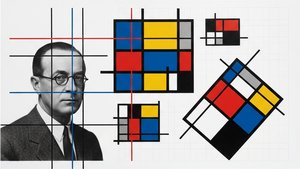 Theo van Doesburg: Pioneering De Stijl & the Evolution of Neo-PlasticismExplore the revolutionary De Stijl movement & Neo-Plasticism with our expert guide. Discover Piet Mondrian, Theo van Doesburg, and the last…
 Dutch artworks of the 1910sDutch modernism in the 1910s features the iconic works of Piet Mondrian, Kees van Dongen, and Isaac Israëls. Find museum-quality art on Ori…