

 पूर्वावलोकन देखें
 भेजें
भेजें साझा करें
 विवरण देखें
 मार्गदर्शिका

 डाउनलोड करें
 समान वस्तुएं
 एक्स-रे
 स्लाइड शो देखें
 आंकड़े
Card players
 Acrylic On Canvas
- WallArt
- Neoplasticism / De Stijl
 1917
1917 1562.0 x 1262.0 cm
 Kunstmuseum
 और पढ़ें
गिक्ली / आर्ट प्रिंट
तेज़ उत्पादन और विभिन्न फिनिश विकल्पों के साथ म्यूजियम-क्वालिटी गिकली (giclée) या कैनवस प्रिंट। ( हाथ से बनी पेंटिंग खरीदें डिजिटल इमेज पर जाएँ)




P118B ₹10

P118H ₹10

P118W ₹10

P438Z ₹10

P508JH ₹12

P508YH ₹12

P805H ₹10

P805Z ₹10

P919BZ ₹10

P919G ₹10

P919XJ ₹10

P959ZH ₹10

P968JZ ₹12

W106C ₹8

W218G ₹10

W218JH ₹8

W218Y ₹10

W307PJ ₹10

W316G ₹10

W316PJ ₹8

W316Y ₹10

W398PJ ₹8

W4111J ₹10

W500HY ₹15

W500JH ₹15

W692G ₹12

W849H ₹8

W940BG ₹15

W953PJ ₹8




कलाकृति के मूल अनुपात से मेल खाने वाले हमारे पूर्व निर्धारित आकारों में से चुनें।

आप किसी विशिष्ट फ्रेम या स्थान के अनुसार अपने स्वयं के आयाम (dimensions) दर्ज कर सकते हैं। यदि आपके द्वारा चुना गया आकार मूल छवि के अनुपात से मेल नहीं खाता है, तो हम कलाकृति को क्रॉप कर देंगे या मिरर किए गए या सॉलिड-फिल किनारे के साथ छवि का विस्तार करेंगे। उत्पादन शुरू होने से पहले आपकी स्वीकृति के लिए एक डिजिटल मॉकअप भेजा जाएगा।
कृपया ध्यान दें कि स्क्रीन पर दिखने वाला प्रीव्यू वास्तविक क्रॉपिंग या विस्तार को नहीं दर्शाता है। केवल मॉकअप ही अंतिम संरचना को सटीक रूप से दिखाएगा।
हालाँकि कस्टम आकार उपलब्ध हैं, फिर भी हम मूल अनुपात बनाए रखने के लिए पूर्व-निर्धारित सूची में से एक आयाम चुनने की सलाह देते हैं।
विश्वव्यापी डिलीवरी (), मानक 4/5 सप्ताह के बजाय मात्र 2 सप्ताह में। (5 अक्टूबर)

दुनिया भर में मुफ़्त एक्सप्रेस शिपिंग

प्रीमियम ग्रेड लिनेन कैनवास

पूर्ण शिपिंग बीमा

सीमा शुल्क और आयात कर वापसी की गारंटी

सटीक रंग मिलान की गारंटी

100 दिनों की वापसी नीति (केवल निर्माण दोष होने पर)

100% पैसे वापसी की गारंटी

थोक छूट का अवसर
 ग्लास का विकल्प केवल 110 सेमी से कम आकार में ही उपलब्ध है।

Card players
गिक्ली / आर्ट प्रिंट
प्रतिकृति का आकार
-


कुल मूल्य
₹ 7563
The Genesis of Abstraction: Van Doesburg’s “Card Players”
Theo van Doesburg's "Card Players," painted in the spring of 1917, isn’t merely a depiction of a game; it’s a pivotal moment in the evolution of modern art. Emerging from the fertile ground of early 20th-century experimentation, this work embodies the core tenets of De Stijl and Neoplasticism – a radical departure from representational painting towards pure abstraction. The canvas itself is a carefully constructed stage, dominated by a stark white background that serves to amplify the geometric forms and their interplay. Van Doesburg, deeply influenced by Bart van der Leck’s earlier explorations of fragmented figures, took this concept to its logical extreme, dissolving human form into a series of interlocking, simplified shapes – circles, squares, and lines – arranged with meticulous precision.

Image: Card Players by Theo van Doesburg (Kunstmuseum Den Haag)
Deconstructing the Human Form: A Geometric Language
The figures within “Card Players” are not portraits in the traditional sense. Instead, they’ve been meticulously broken down and rebuilt using a vocabulary of pure geometry. The seated man, leaning forward with an air of focused concentration, is rendered as a collection of overlapping rectangles and circles. His posture, his hands – even the suggestion of his face – are conveyed through these abstracted shapes, creating a sense of both familiarity and detachment. The other figures share this treatment, their bodies dissolving into a dynamic arrangement of lines and forms that suggest movement and interaction without explicitly depicting action. This deliberate fragmentation reflects Van Doesburg’s belief that art should transcend the limitations of imitation and instead communicate directly through its formal elements – color, line, shape.
The painting's composition is remarkably balanced, achieved through a careful consideration of negative space and the relationships between the geometric forms. The stark contrast between the white background and the dark shapes creates a powerful visual impact, drawing the viewer’s eye to the intricate arrangement of elements on the canvas. It’s a testament to Van Doesburg's mastery of abstraction – a demonstration that beauty and meaning can be found not in representation but in the precise manipulation of form.
Historical Context: The Birth of De Stijl
“Card Players” was created during a period of intense artistic ferment, as European artists grappled with the challenges of modernity. The rise of industrialization, urbanization, and new technologies were profoundly impacting society, leading to a questioning of traditional values and aesthetics. Van Doesburg, along with Piet Mondrian and other members of De Stijl, sought to create a new visual language that reflected this changing world – one based on clarity, simplicity, and geometric harmony. The movement’s core principles extended beyond painting to encompass architecture, design, and even music, aiming for a total synthesis of art and life.
Van Doesburg's encounter with Bart van der Leck’s earlier work in 1916 proved crucial to the development of this aesthetic. Van der Leck’s fragmented figures provided a springboard for Van Doesburg’s own explorations, leading him to embrace abstraction as a means of expressing universal truths and spiritual values. “Card Players” stands as a direct result of this intellectual and artistic dialogue – a culmination of these ideas into a single, powerful image.
Symbolism and Emotional Resonance
While seemingly simple in its composition, "Card Players" is rich with symbolic meaning. The game itself represents human interaction, competition, and the pursuit of pleasure. The abstracted figures suggest a detachment from individual identity, inviting viewers to contemplate the universal themes of social dynamics and the nature of reality. The stark white background symbolizes purity and clarity, while the geometric forms represent order and harmony – values that were central to De Stijl’s philosophy.
Ultimately, “Card Players” is a work of profound emotional resonance. Despite its abstract form, it evokes a sense of quiet contemplation and intellectual curiosity. It's an invitation to engage with the complexities of modern life through the lens of geometric abstraction – a timeless masterpiece that continues to inspire artists and art lovers alike.
प्रश्न और उत्तर
थियो वैन डोसबर्ग द्वारा "Card players" में किस स्तर की संतृप्ति (saturation) और तीव्रता दिखाई देती है?
"Card players" का रंग संतृप्ति (saturation) में Subtle Color और तीव्रता (intensity) में Balanced है।
थियो वैन डोसबर्ग द्वारा "Card players" के लिए किस तकनीक का उपयोग किया गया था?
थियो वैन डोसबर्ग ने "Card players" के लिए Acrylic On Canvas तकनीक का उपयोग किया है। यह तकनीक मूल कृति की भौतिक प्रकृति को परिभाषित करती है।
Kunstmuseum में "Card players" के पुनरुत्पादन (reproduction) अधिकार क्या हैं?
थियो वैन डोसबर्ग द्वारा "Card players" की कॉपीराइट स्थिति स्पष्ट है: यह कृति सार्वजनिक डोमेन में - इसका कॉपीराइट समाप्त हो चुका है है। Kunstmuseum में इसकी उपस्थिति उस स्थिति को नहीं बदलती है।
थियो वैन डोसबर्ग ने "Card players" किस उम्र में बनाया था?
1917 में "Card players" की रचना करते समय थियो वैन डोसबर्ग की आयु 34 वर्ष थी। यह आयु कलाकार के जन्म वर्ष, 1883, से गणना की गई है।
"Card players" के पीछे के कलाकार कौन हैं?
"Card players" की रचना थियो वैन डोसबर्ग द्वारा की गई थी। इस पृष्ठ पर दी गई जानकारी थियो वैन डोसबर्ग की मूल कृति का वर्णन करती है।
थियो वैन डोसबर्ग द्वारा "Card players" के निर्माण की तिथि क्या है?
"Card players" का निर्माण 1917 में हुआ था। यह तिथि इस कृति को थियो वैन डोसबर्ग के करियर और उस युग के संदर्भ में स्थापित करती है।
क्या थियो वैन डोसबर्ग द्वारा "Card players" सार्वजनिक डोमेन (public domain) में है?
कॉपीराइट के संबंध में, "Card players" सार्वजनिक डोमेन में - इसका कॉपीराइट समाप्त हो चुका है है।
कलाकार का परिचय
अमूर्तता के वास्तुकार: सामंजस्यपूर्ण जीवन
थियो वैन डोसबर्ग, जिनका जन्म 1883 में उट्रेच, नीदरलैंड में क्रिश्चियन एमिल मैरी कुपर के रूप में हुआ था, केवल एक चित्रकार से कहीं अधिक थे; वे एक क्रांतिकारी शक्ति थे जिन्होंने आधुनिक कला की नींव को फिर से आकार दिया। उनकी यात्रा इम्प्रेशनिज्म और उत्तर-इम्प्रेशनिज्म की गूंज के बीच शुरू हुई, जो शुरू में विन्सेंट वैन गो के समान शैलियों को दर्शाती थी - विषय वस्तु और भावनात्मक तीव्रता दोनों में। हालांकि, यह प्रारंभिक चरण एक महत्वपूर्ण प्रस्तावना था, आधुनिक कला की नींव को फिर से आकार देने वाली उनकी स्थायी विरासत की ओर एक आवश्यक कदम था। 1913 में वासिली कैंडिंस्की के *रुकब्लिके* से उनका सामना करना एक निर्णायक क्षण साबित हुआ। इस पाठ ने वैन डोसबर्ग के भीतर एक गहरा अहसास जगाया: सच्ची कलात्मक अभिव्यक्ति बाहरी दुनिया को दोहराने में नहीं, बल्कि शुद्ध अमूर्तता के माध्यम से आंतरिक, आध्यात्मिक वास्तविकता को व्यक्त करने में निहित है। इसी विश्वास ने नियोप्लास्टिसिज्म को जन्म दिया, जिसे आमतौर पर डी स्टिजल के नाम से जाना जाता है - एक आंदोलन जिसकी उन्होंने स्थापना की और जिसका वे दृढ़ता से समर्थन करते थे, इसके सबसे उत्साही अधिवक्ता बन गए।एक नई दृश्य भाषा का निर्माण: डी स्टिजल के सिद्धांत
डी स्टिजल केवल एक कलात्मक शैली नहीं थी; यह एक व्यापक दार्शनिक घोषणापत्र था जिसे दृश्य रूप में अनुवादित किया गया था। वैन डोसबर्ग का मानना था कि कला को उसके सबसे आवश्यक तत्वों तक सीमित किया जाना चाहिए - सीधी रेखाएँ, समकोण और लाल, पीला और नीला जैसे प्राथमिक रंग, साथ ही काला, सफेद और धूसर। यह संयमित पैलेट सीमाओं से नहीं जन्मा था, बल्कि सार्वभौमिकता की इच्छा से जन्मा था - इस विश्वास से कि ये मूलभूत रूप एक अंतर्निहित ब्रह्मांडीय व्यवस्था के साथ प्रतिध्वनित होते हैं। उन्होंने कैनवास से परे फैले हुए वास्तुकला, डिजाइन और यहां तक कि रोजमर्रा की वस्तुओं को शामिल करते हुए एक *कुल* कलाकृति की कल्पना की। सहयोग महत्वपूर्ण था; वैन डोसबर्ग ने जे.जे.पी. औड और गेरिट रीएटवेल्ड जैसे वास्तुकारों के साथ मिलकर काम किया, दागदार ग्लास खिड़कियां, फर्नीचर और पूरे आंतरिक भाग डिजाइन किए जो डी स्टिजल के सिद्धांतों को मूर्त रूप देते थे। उनके सहयोग साथी कलाकारों जैसे पीट मोंड्रियन तक विस्तारित हुए, जिनके साथ उन्होंने प्रभावशाली पत्रिका *डी स्टिजल* की सह-स्थापना की, एक मंच जो उनके विचारों को प्रसारित करने और समान विचारधारा वाले रचनात्मक लोगों को आकर्षित करने के लिए था। हालांकि, उनकी साझा उत्पत्ति के बावजूद, नियोप्लास्टिसिज्म की कठोरता के बारे में वैन डोसबर्ग और मोंड्रियन के बीच तनाव पैदा हुआ। 1926 में वैन डोसबर्ग ने “एलिमेंटेरिज़्म” पेश किया, तिरछी रेखाओं और अधिक गतिशील रचनाओं की वकालत की - एक प्रस्थान जिसने अंततः आंदोलन के भीतर विभाजन को जन्म दिया, उनकी बेचैन भावना और निरंतर कलात्मक विकास की खोज का खुलासा किया।चित्रकला से परे: एक बहुआयामी कलात्मक दृष्टिकोण
एक चित्रकार के रूप में प्रतिष्ठित होने के बावजूद, वैन डोसबर्ग के कलात्मक प्रयास उल्लेखनीय रूप से विविध थे। वे एक विपुल लेखक, कवि और आलोचक थे, जिन्होंने अपनी कलम का उपयोग डी स्टिजल के सैद्धांतिक आधारों को व्यक्त करने और कला की पारंपरिक धारणाओं को चुनौती देने के लिए किया था। 1920 के दशक की शुरुआत में दादावाद के साथ उनकी भागीदारी ने उनके कलात्मक क्षितिज को और व्यापक बनाया, जिसके परिणामस्वरूप प्रयोगात्मक कार्य हुए जिनमें कोलाज और टाइपोग्राफी शामिल थे। इस अवधि में उन्होंने बाउहाउस में भी पढ़ाया, जहां उन्होंने कलाकारों और डिजाइनरों की एक नई पीढ़ी के साथ अपने विचारों को साझा किया। वे पारंपरिक कला रूपों की सीमाओं के भीतर रहने से संतुष्ट नहीं थे; वैन डोसबर्ग ने सक्रिय रूप से कला को रोजमर्रा की जिंदगी में एकीकृत करने की मांग की, यह मानते हुए कि इसमें समाज को बदलने की शक्ति है। आंतरिक भाग और फर्नीचर के लिए उनके डिजाइन केवल सौंदर्य अभ्यास नहीं थे बल्कि सामंजस्यपूर्ण रहने वाले स्थानों को बनाने के प्रयास थे जो डी स्टिजल के सिद्धांतों को दर्शाते थे। एक उत्कृष्ट उदाहरण सोफी टेउबर-एर्प और जॉर्जेस वेंटोंगलरू के साथ कलाकार निवासों को डिजाइन करने का उनका सहयोग है, जो कलात्मक निर्माण के लिए एक समग्र दृष्टिकोण प्रदर्शित करता है - आदर्शों की छवि में दुनिया बनाने का प्रयास।विरासत और स्थायी प्रभाव: आधुनिकता के अग्रणी
थियो वैन डोसबर्ग का जीवन 1931 में 47 वर्ष की आयु में दुखद रूप से समाप्त हो गया, फिर भी आधुनिक कला पर उनका प्रभाव गहरा बना हुआ है। डी स्टिजल, हालांकि एक सुसंगत आंदोलन के रूप में अपेक्षाकृत अल्पकालिक था, ने बाद के कलात्मक विकासों पर जबरदस्त प्रभाव डाला, जिसमें बाउहाउस डिजाइन, न्यूनतमवाद और रचनावाद शामिल हैं। ज्यामितीय अमूर्तता, शुद्ध रंग और कार्यात्मकता पर उनके जोर आज भी कलाकारों और डिजाइनरों को प्रेरित करते रहते हैं। उनका काम एक अनुस्मारक के रूप में कार्य करता है कि कला केवल प्रतिनिधित्व के बारे में नहीं है बल्कि मूलभूत रूपों और विचारों की खोज के बारे में है। वैन डोसबर्ग की विरासत उनकी पेंटिंग और डिजाइनों से परे फैली हुई है; यह कलात्मक नवाचार के प्रति उनकी अटूट प्रतिबद्धता और अमूर्तता की परिवर्तनकारी शक्ति में निहित है। डी स्टिजल की भाषा में व्यक्त एक एकीकृत, सामंजस्यपूर्ण दुनिया का उनका दृष्टिकोण उन लोगों को प्रेरित करना जारी रखता है जो अधिक सुंदर और सार्थक वातावरण बनाने की कोशिश करते हैं।प्रमुख कार्य और स्थायी प्रभाव
- समवर्ती रचनाओं के लिए अध्ययन XXII (1922): नियोप्लास्टिसिज्म का एक उत्कृष्ट उदाहरण, आंदोलन के हस्ताक्षर ज्यामितीय रूपों और सीमित रंग पैलेट को प्रदर्शित करता है।
- आधी मूल्यों के साथ रचना (1928): डी स्टिजल सौंदर्यशास्त्र के भीतर टोनल विविधताओं की वैन डोसबर्ग की खोज को दर्शाता है।
- नर्तक (1917-1918): उनके काम में एक संक्रमणकालीन चरण का प्रतिनिधित्व करता है, जो उभरती अमूर्त प्रवृत्तियों के साथ आलंकारिक तत्वों को जोड़ता है।
- *डी स्टिजल* पत्रिका पर सहयोग: आंदोलन के विचारों को प्रसारित करने और कलाकारों और बुद्धिजीवियों के बीच संवाद को बढ़ावा देने के लिए एक महत्वपूर्ण मंच।
- एलिमेंटेरिज़्म (1926): वैन डोसबर्ग का प्रयास तिरछी रेखाओं और रचना के अधिक तरल दृष्टिकोण को पेश करके नियोप्लास्टिसिज्म में गतिशीलता इंजेक्ट करने का।

थियो वैन डोसबर्ग
1883 - 1931 , नीदरलैंड
संबंधित लेखों की सूची

फ्रांसिस्को गोया की शीर्ष 25 कलाकृतियाँ: इतिहास, कहानी और सजावट के लिए प्रेरणा
फ्रांसिस्को गोया की शीर्ष 25 कलाकृतियों का अन्वेषण करें! स्पेनिश कला, ऐतिहासिक चित्र और भावनात्मक गहराई से भरी पेंटिंग देखें। घर की सजावट के लिए प्रेरणा पाएं और OriginalUniqueArt.com पर उच्च गुणवत्ता वाले कला पुनरुत्पादन खरीदें।

Early Netherlandish Masters: 10 Paintings That Revolutionized Art & Decor
Journey into the world of Early Netherlandish painting! Explore 10 masterpieces by Jan van Eyck, Rogier van der Weyden & more. Discover stunning detail, symbolism & Renaissance art for your home decor. Find museum-quality reproductions on OriginalUniqueArt.com

About Us
Discover our story! We bring world-class art into your life through expert curation, personalized creations, and free previews. Trusted by individuals and businesses since 2000.

रेम्ब्रांद्ट की शीर्ष 25 कलाकृतियाँ: इतिहास, कहानी और दृश्य वैभव | OriginalUniqueArt
रेम्ब्रांद्ट की शीर्ष 25 कलाकृतियों का अन्वेषण करें! डच गोल्डन एज के इस महान चित्रकार की कहानियाँ, तकनीक और दृश्य वैभव जानें। घर की सजावट के लिए उच्च गुणवत्ता वाले कला प्रिंट खरीदें - OriginalUniqueArt.com पर संपूर्ण संग्रह देखें।
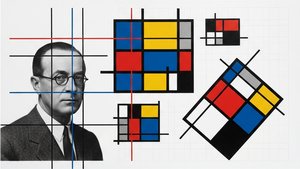
Theo van Doesburg: Pioneering De Stijl & the Evolution of Neo-Plasticism
Explore the revolutionary De Stijl movement & Neo-Plasticism with our expert guide. Discover Piet Mondrian, Theo van Doesburg, and the lasting impact of this influential art style. Learn about collecting & investing in De Stijl masterpieces.
