मेन्यू
पूर्वावलोकन देखें AR में प्रीव्यू देखें प्रिंट विकल्प पर जाएँ डिजिटल इमेज पर जाएँ भेजें
विवरण देखें मार्गदर्शिका पसंदीदा में जोड़ें डाउनलोड करें समान वस्तुएं एक्स-रे स्लाइड शो देखें आंकड़े

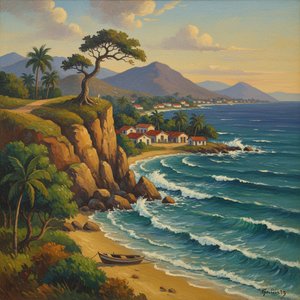
Landscape VII

Discover 'Landscape VII' by Tarsila do Amaral (1971). A serene Brazilian modernist painting featuring naive art & pastel hues. Explore its folk aesthetic & tranquil village scene.

Tarsila do Amaral (1886-1973), एक प्रमुख ब्राज़ीलियाई आधुनिकतावादी चित्रकार को जानें। 'Abaporu' जैसी प्रतिष्ठित कृतियों और Antropofagia आंदोलन पर उनके प्रभाव का अन्वेषण करें, जिन्होंने जीवंत रंगों के साथ ब्राज़ील की कलात्मक पहचान बनाई।

इस पृष्ठ पर प्रदर्शित कलाकृति कॉपीराइट कानून द्वारा संरक्षित है, जिसका अर्थ है कि हम कानूनी रूप से इसकी हूबहू प्रतिलिपि बनाने या बेचने का अधिकार नहीं रखते हैं। यह संरक्षण अंतर्राष्ट्रीय समझौतों के तहत लागू किया जाता है, जैसे कि बर्न कन्वेंशन और राष्ट्रीय कानूनों द्वारा, जिनमें % द्वारा निर्धारित कानून भी शामिल हैं। अमेरिकी कॉपीराइट कानून - शीर्षक 17।

एक सम्मानजनक और कानूनी विकल्प के रूप में, हम मूल कृति से प्रेरित, कस्टम, हाथ से पेंट की गई कलाकृतियाँ प्रदान करते हैं। हमारे कुशल और पेशेवर कलाकार एक नई, अद्वितीय कृति बनाने के लिए मूल के शैली, भाव और कलात्मक सार का सावधानीपूर्वक अध्ययन करते हैं - जो अपनी मौलिक रचना बने रहते हुए भी वही भावना जगाती है।

यह विधि कॉपीराइट नियमों का पूरी तरह से पालन करती है क्योंकि इसमें संरक्षित कलाकृति की नकल या प्रतिलिपि बनाना शामिल नहीं है। इसके बजाय, यह एक रचनात्मक पुनर्व्याख्या है - एक ऐसी नई पेंटिंग जो मूल कृति से प्रेरित तो है, लेकिन उसके समान नहीं है।

हस्तनिर्मित ऑयल रिप्रोडक्शन

आपके आकार और फ्रेम के अनुसार कैनवास पर हाथ से बनी ऑयल पेंटिंग, हमारे कलाकारों द्वारा विशेष रूप से ऑर्डर पर तैयार। ( प्रिंट विकल्प पर जाएँ डिजिटल इमेज पर जाएँ)

Corner sample of the P118B picture frame: मोल्डेड पॉलीस्टायरीन, 5 cm wide and 3 cm thick
P118B ₹10
Corner sample of the P118H picture frame: मोल्डेड पॉलीस्टायरीन, 5 cm wide and 3 cm thick
P118H ₹10
Corner sample of the P118W picture frame: मोल्डेड पॉलीस्टायरीन, 5 cm wide and 3 cm thick
P118W ₹10
Corner sample of the P438Z picture frame: मोल्डेड पॉलीस्टायरीन, 5.5 cm wide and 3.5 cm thick
P438Z ₹10
Corner sample of the P508JH picture frame: मोल्डेड पॉलीस्टायरीन, 7 cm wide and 3.5 cm thick
P508JH ₹12
Corner sample of the P508YH picture frame: मोल्डेड पॉलीस्टायरीन, 7 cm wide and 3.5 cm thick
P508YH ₹12
Corner sample of the P805H picture frame: मोल्डेड पॉलीस्टायरीन, 5 cm wide and 3.5 cm thick
P805H ₹10
Corner sample of the P805Z picture frame: मोल्डेड पॉलीस्टायरीन, 5 cm wide and 3.5 cm thick
P805Z ₹10
Corner sample of the P919BZ picture frame: मोल्डेड पॉलीस्टायरीन, 7 cm wide and 3.5 cm thick
P919BZ ₹10
Corner sample of the P919G picture frame: मोल्डेड पॉलीस्टायरीन, 7 cm wide and 3.5 cm thick
P919G ₹10
Corner sample of the P919XJ picture frame: मोल्डेड पॉलीस्टायरीन, 7 cm wide and 3.5 cm thick
P919XJ ₹10
Corner sample of the P959ZH picture frame: मोल्डेड पॉलीस्टायरीन, 5 cm wide and 3 cm thick
P959ZH ₹10
Corner sample of the P968JZ picture frame: मोल्डेड पॉलीस्टायरीन, 6 cm wide and 4 cm thick
P968JZ ₹12
Corner sample of the W106C picture frame: ठोस लकड़ी, 5 cm wide and 3 cm thick
W106C ₹8
Corner sample of the W218G picture frame: ठोस लकड़ी, 5 cm wide and 3 cm thick
W218G ₹10
Corner sample of the W218JH picture frame: ठोस लकड़ी, 5 cm wide and 3 cm thick
W218JH ₹8
Corner sample of the W218Y picture frame: ठोस लकड़ी, 5 cm wide and 3 cm thick
W218Y ₹10
Corner sample of the W307PJ picture frame: ठोस लकड़ी, 6 cm wide and 3 cm thick
W307PJ ₹10
Corner sample of the W316G picture frame: ठोस लकड़ी, 6 cm wide and 3 cm thick
W316G ₹10
Corner sample of the W316PJ picture frame: ठोस लकड़ी, 6 cm wide and 3 cm thick
W316PJ ₹8
Corner sample of the W316Y picture frame: ठोस लकड़ी, 6 cm wide and 3 cm thick
W316Y ₹10
Corner sample of the W398PJ picture frame: ठोस लकड़ी, 5 cm wide and 3 cm thick
W398PJ ₹8
Corner sample of the W4111J picture frame: ठोस लकड़ी, 6.5 cm wide and 3.5 cm thick
W4111J ₹10
Corner sample of the W500HY picture frame: ठोस लकड़ी, 7 cm wide and 5 cm thick
W500HY ₹15
Corner sample of the W500JH picture frame: ठोस लकड़ी, 7 cm wide and 5 cm thick
W500JH ₹15
Corner sample of the W692G picture frame: ठोस लकड़ी, 8 cm wide and 4 cm thick
W692G ₹12
Corner sample of the W849H picture frame: ठोस लकड़ी, 5 cm wide and 3 cm thick
W849H ₹8
Corner sample of the W940BG picture frame: ठोस लकड़ी, 7.5 cm wide and 4.5 cm thick
W940BG ₹15
Corner sample of the W953PJ picture frame: ठोस लकड़ी, 6 cm wide and 3.5 cm thick
W953PJ ₹8

मानक आकार
अनुकूलित
CM
INCH

कलाकृति के मूल अनुपात से मेल खाने वाले हमारे पूर्व निर्धारित आकारों में से चुनें।

चौड़ाई
ऊँचाई

अपने फ्रेम या अपनी दीवार के अनुसार आवश्यक चौड़ाई और ऊंचाई दर्ज करें। यह हाथ से पेंट किया गया है, इसलिए अलग आकार के लिए कलाकार चित्र के चारों ओर थोड़ा अधिक पेंट कर सकता है, या थोड़ा काट सकता है — चुनाव आपका है। पेंटिंग शुरू होने से पहले हम आपकी स्वीकृति के लिए एक डिजिटल मॉकअप भेजते हैं। इस पृष्ठ पर दिखाई गई तस्वीर वास्तविक परिणाम नहीं दिखाती है — केवल मॉकअप ही वास्तविक रूप दिखाता है।

बदलाव के कुछ उदाहरण: चेहरे को ग्राहक की फोटो से बदलें; पालतू जानवर जोड़ें (जैसे बिल्ली की जगह कुत्ता); बैकग्राउंड में कोई छिपा हुआ संदेश शामिल करें; बैकग्राउंड का परिदृश्य या तत्व बदलें।
ऑर्डर देने के बाद, OriginalUniqueArt.com टीम निर्देशों के लिए क्लाइंट को ईमेल करेगी और एक मॉकअप प्रीव्यू प्रदान करेगी

विश्वव्यापी वितरण () मानक 5 सप्ताह के बजाय मात्र 3/4 सप्ताह में। (27 अक्टूबर)। गुणवत्ता से कोई समझौता नहीं।

दुनिया भर में मुफ़्त एक्सप्रेस शिपिंग
प्रीमियम ग्रेड लिनेन कैनवास
पूर्ण शिपिंग बीमा
सीमा शुल्क और आयात कर वापसी की गारंटी
सटीक रंग मिलान की गारंटी
100 दिनों की वापसी नीति (केवल निर्माण दोष होने पर)
100% पैसे वापसी की गारंटी
थोक छूट का अवसर

कुल कीमत

₹ 28821

Landscape VII

प्रतिकृति की सामग्री

प्रतिकृति का आकार

-

कुल मूल्य

₹ 28821

मुख्य विवरण

  • Artist: Tarsila do Amaral
  • Title: Landscape VII
  • Influences:
    • Cubism
    • Futurism
    • Expressionism
  • Notable elements or techniques: Impasto brushwork, pastel color palette
  • Medium: Oil paint on canvas or board

कला प्रश्नोत्तरी

प्रत्येक प्रश्न का केवल एक ही सही उत्तर है।

प्रश्न 1:
What is the primary artistic style exhibited in 'Landscape VII'?
प्रश्न 2:
Which color palette dominates the painting?
प्रश्न 3:
What technique is used to create texture on the rock and building surfaces?
प्रश्न 4:
What does the subject matter of the painting primarily evoke?
प्रश्न 5:
In which year was 'Landscape VII' painted?

A Dreamscape of Brazilian Serenity

In the quiet corners of art history, few works capture the essence of pastoral tranquility as tenderly as Tarsila do Amaral’s Landscape VII. Created in 1971, toward the twilight of the artist's illustrious career, this piece serves as a window into a world where time seems to slow down. The painting presents a breathtakingly serene landscape, depicting a small, nestled village cradled by rolling hills and the gentle presence of water. It is an invitation to step away from the chaos of modernity and enter a realm of soft light and rhythmic simplicity. Through her masterful use of pastel shades—delicate pinks, ethereal blues, and lush greens—Amaral crafts a dreamlike atmosphere that feels both intimately familiar and otherworldly.

The composition is a masterclass in balanced, horizontal layering. The viewer’s eye is led through a series of soft bands: a verdant foreground suggesting cool water or thick vegetation, a central stage featuring quaint architecture and a striking rock formation, and finally, a background of pink-hued hills that melt into the horizon. There is a charming, almost naive quality to the perspective; by eschewing harsh linear recession in favor of a flatter, more two-dimensional arrangement, the artist emphasizes the decorative beauty of the scene. This approach allows the shapes—the rounded contours of the hills and the organic forms of the trees—to dance across the canvas with a rhythmic, folk-art grace.

Technique and the Texture of Memory

To behold Landscape VII is to witness the tactile power of oil on canvas. Amaral employs a technique characterized by visible, expressive brushstrokes that lend the work a vibrant, living energy. The application of paint is particularly noteworthy in the central rock formation and the surfaces of the buildings, where thick impasto creates a physical texture you can almost feel with your eyes. This ruggedness provides a beautiful counterpoint to the soft, diffused lighting that permeates the scene, suggesting the gentle glow of an overcast afternoon. Every stroke feels intentional, contributing to a surface that is as much about the physical presence of the medium as it is about the subject matter itself.

For the discerning collector or interior designer, this piece offers a unique opportunity to introduce a sense of calm and sophisticated nostalgia into a space. The artwork does not merely decorate a wall; it transforms an environment. Its soft palette and organic shapes make it an ideal centerpiece for rooms designed for relaxation, such as a master suite or a quiet reading nook. Because the style leans toward the Antropofagia movement's roots while embracing a more mature, simplified aesthetic, it bridges the gap between avant-garde history and timeless decorative elegance.

A Legacy of Peace and Identity

Beyond its visual splendor, Landscape VII carries a profound symbolic weight. As a pivotal figure in Brazilian Modernism, Tarsila do Amaral spent her life distilling the soul of her nation into bold, innovative forms. In this later work, that mission evolves into an exploration of harmony and peace. The village scene acts as a symbol of a life lived in equilibrium with nature, where human habitation and the earth exist in a seamless, unconflicted embrace. It evokes a sense of nostalgia for a simpler era, making it deeply resonant for anyone seeking to surround themselves with art that promotes emotional well-being.

Owning a high-quality reproduction of this masterpiece allows one to possess a fragment of Brazilian cultural identity. Whether you are an art historian captivated by her evolution from Cubist influences to folk-inspired simplicity, or a decorator looking for a piece that breathes tranquility into a contemporary setting, Landscape VII stands as a testament to the enduring power of the landscape to soothe the human spirit. It is more than a painting; it is a quiet sanctuary captured in pigment.

प्रश्न और उत्तर

Modernism की कृति "Landscape VII" किस भावना को व्यक्त करती है?

Modernism आंदोलन के भीतर, "Landscape VII" को एक Tranquil स्वर के साथ दर्ज किया गया है।

मैं तारसिला डो अमरल द्वारा "Landscape VII" का प्रिंट कैसे प्राप्त कर सकता हूँ?

तारसिला डो अमरल द्वारा "Landscape VII" का प्रिंट प्राप्त करने के लिए, बस इसके फाइन आर्ट प्रिंट पेज पर ऑर्डर करें: कॉटन कैनवास या आर्काइवल कैनवास पेपर पर एक फाइन आर्ट प्रिंट।

"Landscape VII" की शैली इसके रचनाकार के युग से किस प्रकार संबंधित है?

तारसिला डो अमरल द्वारा "Landscape VII" में, Modernism आंदोलन और आधुनिक युग युग का संगम होता है।


कलाकार का परिचय

एक ब्राजीलियाई दूरदर्शी: तारसिला डो अमरल का जीवन और कला

तारसिला डो अमरल बीसवीं सदी की शुरुआत की जीवंत ब्राजीलियाई कला के ताने-बाने में एक अत्यंत महत्वपूर्ण व्यक्तित्व के रूप में उभरीं। वह एक ऐसी चित्रकार थीं, जिन्होंने साहसिक रंगों और एक अभिनव भावना के साथ अपने राष्ट्र की पहचान के सार को कैनवास पर उतारने का साहस किया। 1 सितंबर, 1886 को साओ पाउलो के कैपिivari में एक समृद्ध कॉफी उत्पादक परिवार में जन्मी तारसिला का पालन-पोषण ऐसे अवसरों से परिपूर्ण था जो उस समय की महिलाओं के लिए दुर्लभ थे। इसी विशेषाधिकार ने उन्हें कलात्मक प्रशिक्षण प्राप्त करने की अनुमति दी, जिसकी शुरुआत पेड्रो अलेक्जेंड्रिनो बोर्गेस के मार्गदर्शन में हुई और बाद में 1920 में पेरिस की एक परिवर्तनकारी यात्रा ने उनके जीवन को बदल दिया। एकेडेमी जूलियन और बाद में एकेडेमी मॉडर्न की दीवारों के भीतर ही उनका सामना उन आधुनिक कला आंदोलनों से हुआ जो कला जगत को नया आकार दे रहे थे—जैसे घनवाद (Cubism), भविष्यवाद (Futurism) और अभिव्यक्तिवाद (Expressionism)—इन प्रभावों ने उनके कलात्मक पथ को गहराई से प्रभावित किया। फर्नांड लेगर, अल्बर्ट ग्लीज़ और आंद्रे लोट के मार्गदर्शन ने विशेष रूप से प्रभाव डाला, जिसने उन्हें यूरोपीय आधुनिकतावाद को एक विशिष्ट ब्राजीलियाई संवेदनशीलता के साथ जोड़ने के लिए प्रेरित किया।

कला के माध्यम से राष्ट्रीय पहचान का निर्माण

1920 के दशक की शुरुआत में ब्राजील लौटने पर, तारसिला एक अद्वितीय ब्राजीलियापूर्ण आधुनिकतावादी परंपरा को परिभाषित करने वाली मुख्य शक्ति बन गईं। वह केवल यूरोपीय शैलियों का आयात नहीं कर रही थीं; बल्कि वह सक्रिय रूप से एक ऐसी कला बनाने की तलाश में थीं जो उनके राष्ट्र की आत्मा से बात करे, जिसमें उसके परिदृश्य, लोग और सांस्कृतिक जटिलताएं झलकती हों। इस खोज ने उन्हें समान विचारधारा वाले कलाकारों और बुद्धिजीवियों के एक समूह के साथ सहयोग करने के लिए प्रेरित किया—अनीता माल्फत्ती, मेनोटी डेल पिचिया, मारियो डी आंद्रेड और ओसवाल्ड डी आंद्रेड—जिन्हें सामूहिक रूप से ग्रुपो डॉस सिनको के रूप में जाना जाता है। साथ मिलकर, उन्होंने पारंपरिक कलात्मक मानदंडों को चुनौती दी और एक ऐसे आंदोलन का नेतृत्व किया जिसने अकादमिक सीमाओं से मुक्त होकर एक नई दृश्य भाषा को अपनाने का प्रयास किया। तारसिला का योगदान विशेष रूप से इस दृष्टि को अपनी पेंटिंग्स के माध्यम से व्यक्त करने में महत्वपूर्ण था, जिनमें अक्सर ब्राजीलियाई जीवन के दृश्यों को एक स्वप्निल गुणवत्ता और जीवंत रंगों के साथ चित्रित किया गया था।

अबापोरो की शक्ति और अंत्रोपोफ़ागिया आंदोलन

शायद कोई भी एकल कृति तारसिला के कलात्मक दर्शन को अबापोरो (1928) से अधिक शक्तिशाली रूप में नहीं दर्शाती है। यह प्रतिष्ठित पेंटिंग, जिसमें एक अवास्तविक परिदृश्य के बीच विशाल पैरों वाले एक अकेले व्यक्ति को बैठे हुए दिखाया गया है, ब्राजील के सबसे प्रभावशाली सांस्कृतिक आंदोलनों में से एक: अंत्रोपोफ़ागिया—या "नरभक्षण"—के लिए उत्प्रेरक बन गई। ओसवाल्ड डी आंद्रेड के इसी नाम के घोषणापत्र से प्रेरित होकर, अंत्रोपोफ़ागिया ने प्रस्ताव दिया कि ब्राजीलियाई कलाकारों को विदेशी प्रभावों को "निगलना" चाहिए और उन्हें कुछ ऐसा बनाना चाहिए जो पूरी तरह से उनका अपना हो। अबापोरो ने दृश्य रूप से इस अवधारणा को पकड़ा, जो औपनिवेशिक नकल की अस्वीकृति और सांस्कृतिक संलयन के स्वागत का प्रतिनिधित्व करता था। पेंटिंग के चित्र—मिट्टी में जमे हुए बड़े पैर, रहस्यमयी अभिव्यक्ति—स्वतंत्रता के बाद अपनी पहचान से जूझ रहे एक राष्ट्र के साथ गहराई से जुड़े। यह केवल कला का एक कार्य नहीं था; यह कलात्मक संप्रभुता की एक घोषणा थी। अबापोरो के अलावा, ए नेग्रा (1923) और मोरो दा फावेला जैसी कृतियों ने सामाजिक विषयों के साथ उनके जुड़ाव को प्रदर्शित किया, जिसमें हाशिए पर रहने वाले समुदायों को चित्रित किया गया और प्रचलित सामाजिक मानदंडों को चुनौती दी गई।

विरासत और स्थायी प्रभाव

अपने लंबे और बहुल करियर के दौरान, तारसिला डो अमरल ने विविध कार्यों के माध्यम से ब्राजीलियाई पहचान की जटिलताओं की खोज करना जारी रखा। उनकी पेंटिंग्स अपने साहसिक रंगों, सरल आकृतियों और स्वप्निल वातावरण के लिए जानी जाती हैं, जो अक्सर यथार्थवाद को अतियथार्थवाद और अमूर्तता के तत्वों के साथ मिश्रित करती हैं। वह प्रयोगों से कभी पीछे नहीं हटीं, अपनी मूल दृष्टि के प्रति सच्चे रहते हुए निरंतर अपनी शैली का विकास करती रहीं। उनका प्रभाव केवल पेंटिंग के क्षेत्र तक ही सीमित नहीं रहा, बल्कि उन्होंने ब्राजीलियाई कलाकारों की पीढ़ियों को प्रेरित किया और राष्ट्र के सांस्कृतिक परिदृश्य को आकार दिया। आज, तारसिला डो अमरल की कृतियाँ दुनिया भर के प्रतिष्ठित संग्रहों में रखी गई हैं, जिनमें ब्राजील के केंद्रीय बैंक का संग्रहालय और रियो ग्रांडे डो सुल का कला संग्रहालय शामिल है। उनकी कला अपनी जीवंत ऊर्जा, काव्यात्मक कल्पना और ब्राजीलियाई होने के अर्थ की गहन खोज के साथ दर्शकों को मंत्रमुग्ध करना जारी रखती है। 17 जनवरी, 1973 को उनका निधन हो गया, पीछे लैटिन अमेरिका के सबसे महत्वपूर्ण आधुनिकतावादी कलाकारों में से एक के रूप में एक विरासत छोड़ गए—एक ऐसी दूरदर्शी जिसने अपने राष्ट्र की आत्मा को चित्रित करने का साहस किया।
तारसिला डो अमरल

तारसिला डो अमरल

1886 - 1973 , ब्राजील

संक्षिप्त जानकारी

  • Artistic Movement Or Style: ब्राजीलियाई आधुनिकतावाद
  • Artists Or Movements Influenced By This Artist: ['एंट्रोपोफ़ागिया आंदोलन']
  • Artists Who Influenced This Artist:
    • फर्नांड लेगर
    • अल्बर्ट ग्लीज़ेस
    • आंद्रे लोट
  • Date Of Birth: 1 सितंबर, 1886
  • Date Of Death: 17 जनवरी, 1973
  • Full Name: तार्सिला डो अमरल
  • Nationality: ब्राजीलियाई
  • Notable Artworks:
    • अबापोरू
    • ए नेग्रा
    • मोरो दा फावेला
    • उरुतु सांप
    • लैंडस्केप VII
  • Place Of Birth: साओ पाउलो, ब्राजील